Commercial Lighting Automation ROI and Payback
At Kord Electric, we often get asked about the commercial lighting automation ROI, and we understand why. In commercial and industrial facilities, lighting costs do not politely stay still. They creep, they fluctuate with occupancy, and they keep charging the same way even when nobody is working late. When we evaluate an upgrade, we measure how automation reduces energy use, trims maintenance, and improves control. Then we translate that into numbers your finance team can actually use. Others may talk about “smart” lighting. We talk about payback and performance, with our technicians and expert service staff explaining every step in plain language, not the kind of language that sounds like it came from a training manual written by a robot.
What a commercial lighting automation ROI really includes
To calculate value, we first define what “ROI” means in a real building, not a fantasy spreadsheet. The commercial lighting automation ROI typically includes benefits from lower energy consumption, fewer lamp and fixture replacements, reduced labor for routine adjustments, and improved scheduling that matches actual work patterns. Additionally, in many major property buildings, automation helps with zoning, safer after-hours operation, and consistent light levels that reduce complaints and rework.
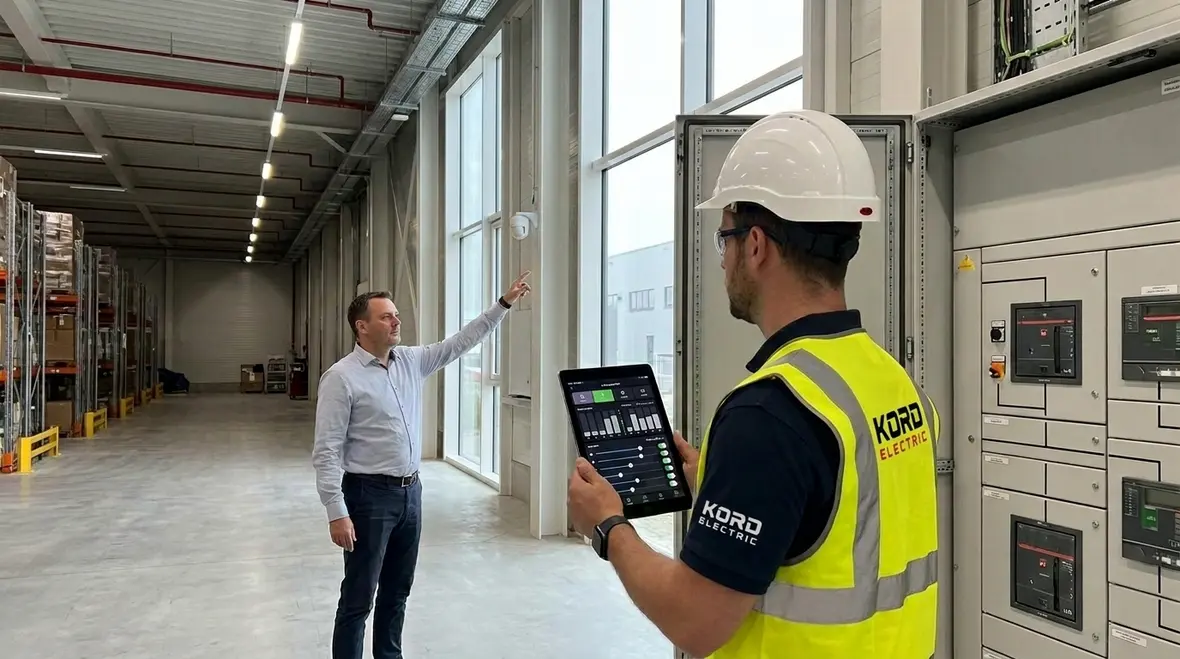
Next, we separate the benefits you can measure from the ones you can estimate. Then we build a model that uses your utility data, lighting inventory, and operating schedule. Our expert service staff usually walks through the logic with facility managers, and they do it slowly, like they are explaining how to stop a leak without replacing the entire plumbing system. Because yes, sometimes that happens.
Start with an audit that turns lights into data
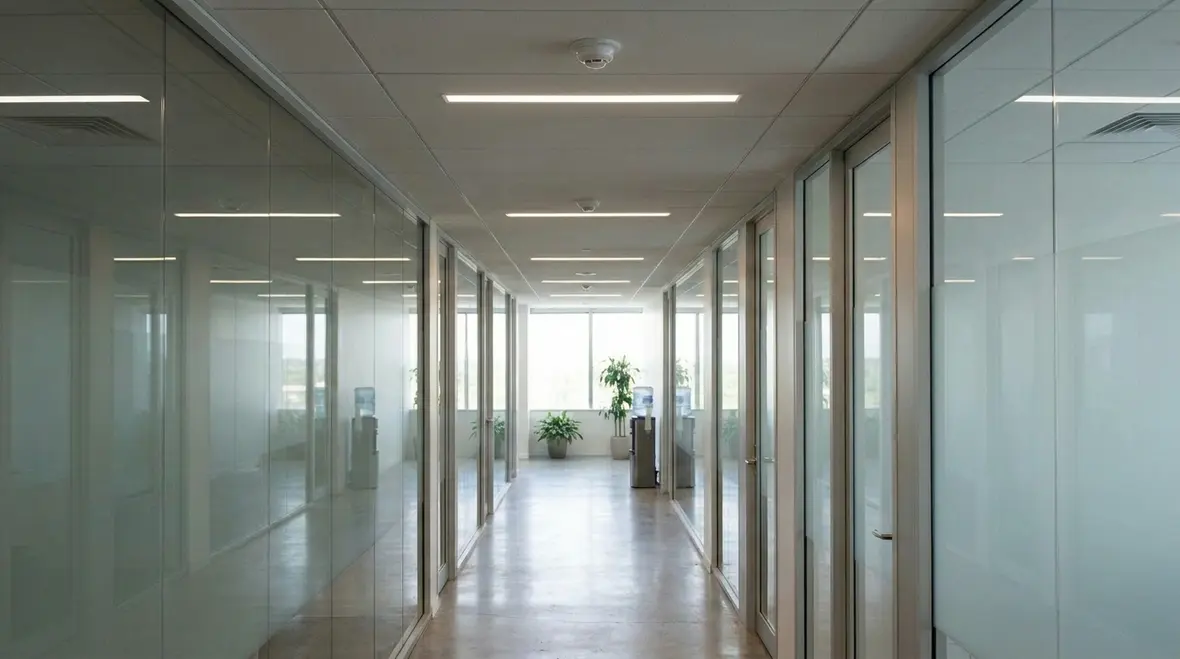
Before anyone claims a high return, we collect the right inputs. We look at the existing lighting types, wattage, controls in place, fixture counts, lens and ballast condition, and how spaces are used. We also review occupancy patterns across shifts, holidays, and seasonal changes. After that, we analyze how the facility currently behaves, then we compare it to how automation allows it to behave.
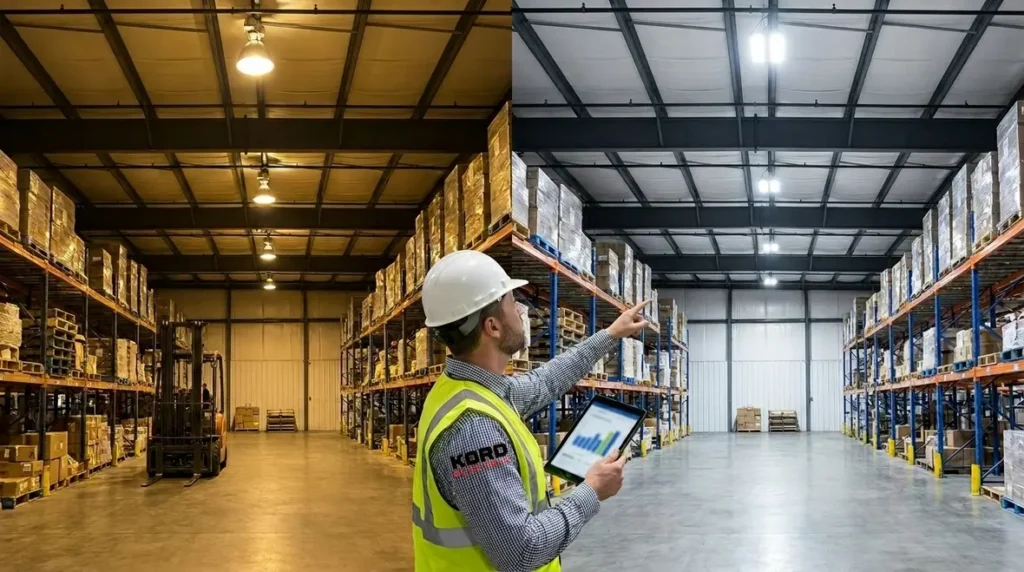
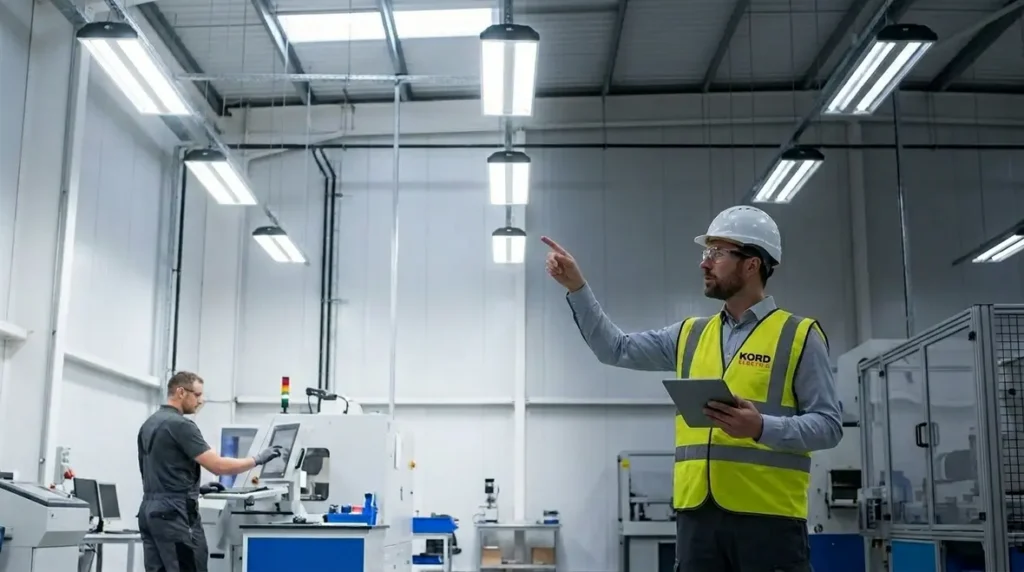
For instance, a warehouse dock area may run high-output lighting only when motion is present, yet today it may burn at full power all night. Meanwhile, offices may need dimming based on daylight contribution. In addition, we consider whether the upgrade supports staged control, occupancy sensors, scheduling, and manual overrides for safety and comfort. This is where technicians at Kord Electric earn their paychecks, because the difference between “we think it will save” and “we measured it” is massive.
If you want to see how that audit connects to California code requirements, you can pair this ROI review with our walkthrough on California commercial lighting code requirements for 2026, which explains how controls, zoning, and demand response show up in real buildings, not just in code books.

Calculate energy savings with clear steps and solid assumptions
Energy savings often drive the ROI, so we calculate them in a structured way. First, we estimate baseline energy use by taking existing fixture power and multiplying it by hours of operation. Then we apply expected control reductions such as dimming levels, shutoff timing, and occupancy response. If your building is set to lights on all day, the control strategy changes the story fast.
Next, we apply a utility rate to convert saved kWh into dollars. However, we do not just guess dimming percentages. We use the project design and expected control behavior. Then we account for operating realities, like cleaning schedules, shift changes, and how quickly areas are occupied after opening.
To make this easy, we usually show clients a simple example model during the walkthrough. And yes, occasionally someone asks, “Can we just multiply by a magic number?” The answer is no, unless the magic number is a utility bill.
If you are still in the early budgeting phase, it can help to read this side by side with our commercial lighting upgrade cost guide, which breaks down how fixture types, ceilings, and control strategies shape both upfront investment and long-term savings.
Model maintenance savings and labor reduction
Lighting automation ROI can also grow from maintenance benefits. When systems include better control, you can reduce lamp hours, reduce overheating, and extend component life. Additionally, smart management can support monitoring and alerting, so failures get addressed earlier instead of after the area goes dark like a poorly timed scene change in a movie.
We consider maintenance savings by estimating the current replacement interval and comparing it to expected runtime reduction. For industrial and commercial plants, that includes looking at relamping frequency, lift rental or labor costs, downtime costs, and safety risk. For major property buildings, it includes managing tenant schedules, keeping common areas consistent, and reducing the number of service call visits.
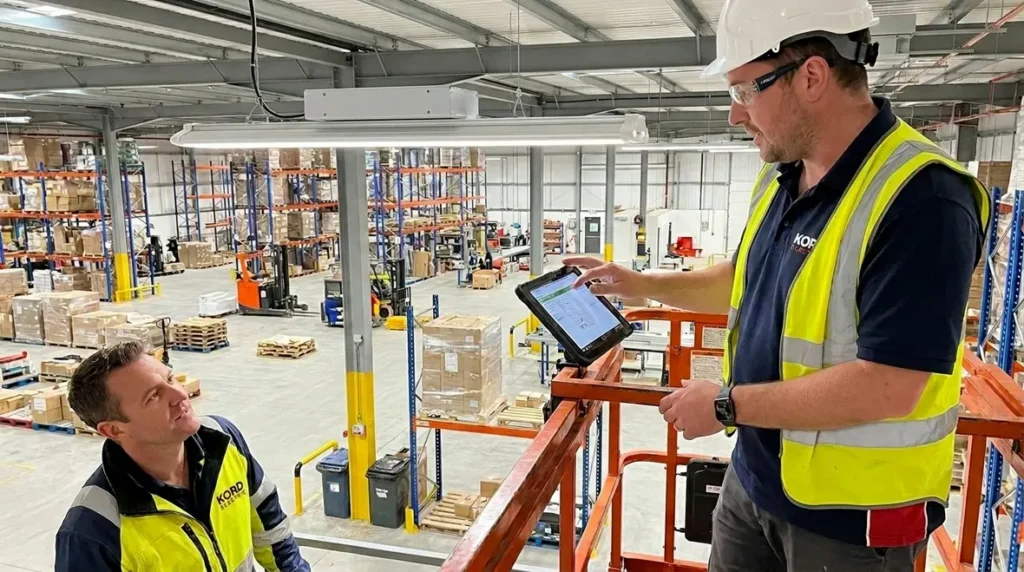
Then we layer in labor reduction from less manual adjustment. Automation can handle routine scheduling, which means fewer site visits just to change timers or reset schedules after a holiday closure. Our technicians and expert service staff help clients define which tasks are currently handled by staff and which can be reduced.
Factor in installation costs, integration, and ongoing operations
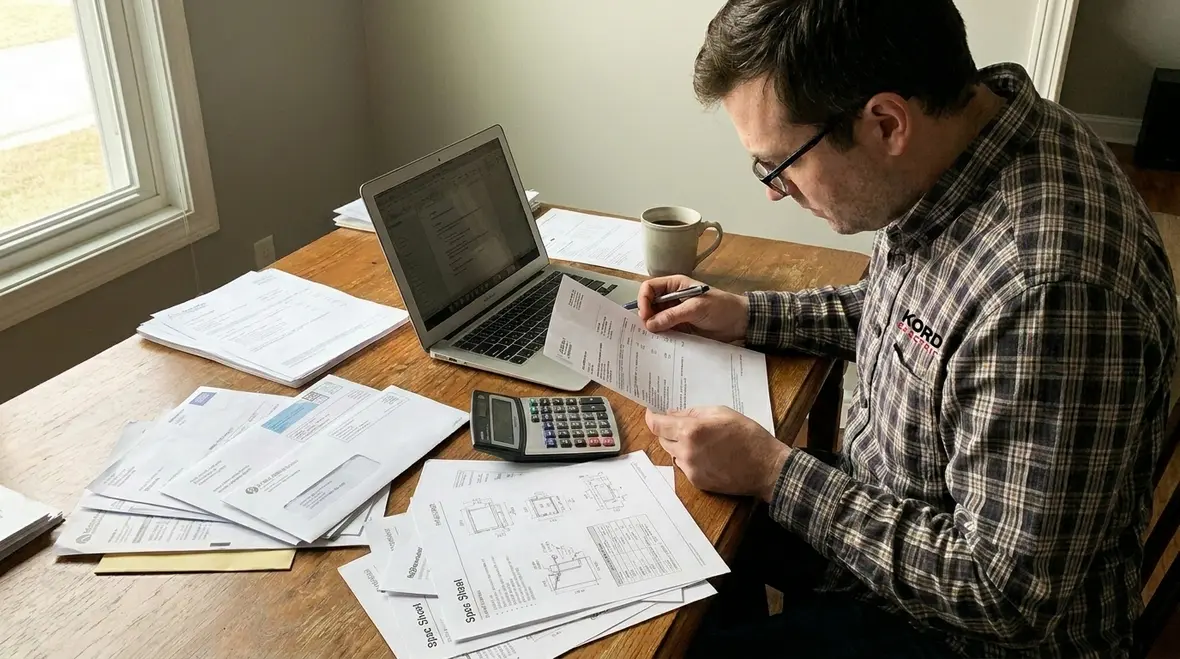
Now we talk about the costs. We include equipment, installation labor, programming and commissioning, and any required electrical work. If a facility needs integration with building systems such as time clocks, daylight sensors, or network management, we include that too. We also consider whether the project requires additional control wiring, new panels, or upgrades to support the automation platform.
After that, we include ongoing costs that many people forget. These can include software support, sensor calibration checks, and periodic verification. Even when we design for low hassle, we still plan for what it takes to keep control accurate over time. Then we estimate whether the facility will need staff training or whether our service team will handle that during turnover.
At Kord Electric, we keep the conversation grounded. We tell clients what costs they should expect today and what costs they can avoid later. It is less “surprise invoice energy” and more “plan ahead, sleep well.”
Many of these conversations connect naturally to broader compliance planning. When you are weighing control platforms and code requirements at the same time, resources like our overview of commercial lighting compliance in California can help align automation goals with inspection realities.
Compute payback period, NPV, and ROI with confidence
Once we have energy savings and maintenance savings, we compute the commercial lighting automation ROI using a clear structure. A typical ROI model looks like this: (total benefits over a period minus total costs over the same period) divided by total costs. Then we present the payback period, which many decision makers care about most. Payback tells you how long it takes for savings to repay the investment.
We also recommend using Net Present Value, because money today is not the same as money later. In other words, you do not treat each year of savings like it is stamped on the same calendar page. We apply a discount rate based on your organization’s approach and we show how the project performs over the useful life of the controls and fixtures.
We often include a range instead of a single point estimate. Why? Because occupancy behavior and usage patterns can vary. Even if the building does everything “right,” real life still shows up with holidays, construction, and staffing changes. Still, with our audit data and technician-led configuration, the model stays accurate enough for serious decisions.
Use dual column planning to compare upgrade scenarios
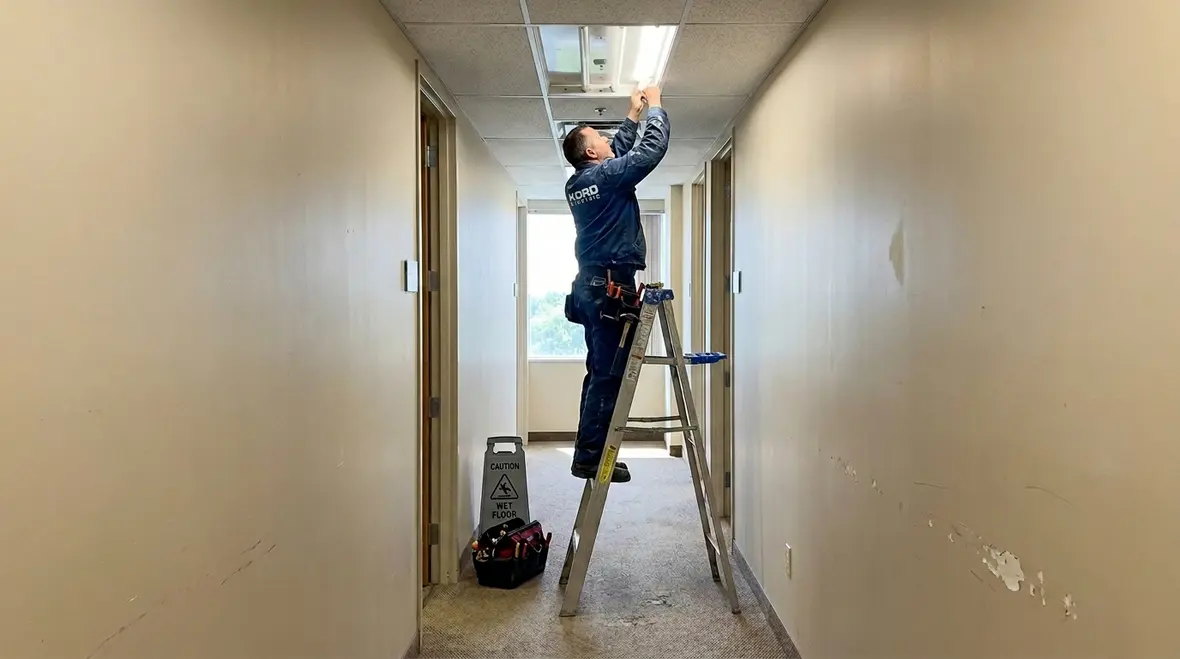
To help major property teams and facility directors compare options without drama, we use a clear two-track planning approach. It keeps the conversation focused on what matters: control scope and expected performance.
Scenario A: Targeted automation
We control the biggest operating loads first such as docks, warehouses, and common corridors.
We keep integration minimal and phase the rollout.
Good fit when budgets must be staged.
Scenario B: Whole facility strategy
We apply zoning, occupancy control, and dimming across most interior and exterior areas.
We add monitoring and schedules across departments.
Good fit when the goal is maximum long term savings.
For some facilities, the right answer is a hybrid: start with targeted automation in the highest-use zones, then expand to a whole-facility plan as budgets and operations allow. That staged approach can be especially effective when paired with projects like commercial and industrial lighting installation services, allowing you to coordinate ROI-driven controls with modernized fixtures and code-compliant wiring.
FAQ for commercial facilities and industrial buildings
Facility directors, asset managers, and operations leaders often raise the same core questions when they first dig into commercial lighting automation ROI and payback. Here are some of the most common, along with straightforward answers.
Next steps from Kord Electric
If you are considering lighting automation, do not guess. Bring us your facility basics, and we will help compute your commercial lighting automation ROI with audit-based inputs, maintenance logic, and a cost model your team can trust. Our technicians and expert service staff will explain the plan clearly and then implement it with care for commercial and industrial environments. Contact Kord Electric today and we will map the upgrade path, estimate payback, and build a control strategy that performs long after the ribbon cutting.
When you are ready to move from spreadsheets to installed systems, our dedicated lighting installation services for commercial and industrial facilities provide the field expertise, code compliance, and commissioning support needed to turn projected ROI into real savings on your utility statements.