Commercial Lighting Control Integration for Efficiency
How Kord Electric approaches commercial lighting control integration systems for facility efficiency
At Kord Electric, we help commercial and industrial facilities get more usable work from the same electricity by integrating commercial lighting control integration systems with the building’s power, sensors, and schedules. Right away, our team designs solutions that reduce waste without touching comfort. And yes, we also make sure the controls behave like a well trained crew, not like a rented blender that screams at midnight.
In this guide, others will learn how we plan, wire, and commission modern lighting control setups so property teams can lower energy use, extend lamp life, and keep lighting consistent across seasons. Meanwhile, our technicians explain each step in plain language, so managers are never left guessing what happens after the lights blink once for a “test.”
Start with the facility map, not the light fixtures
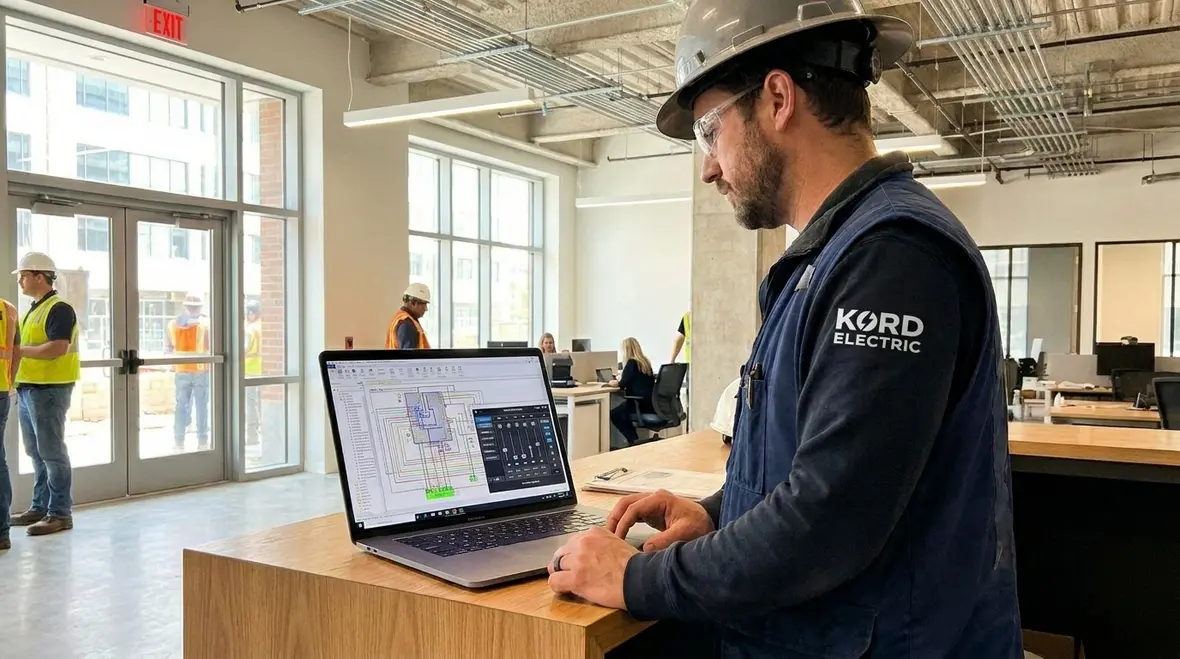
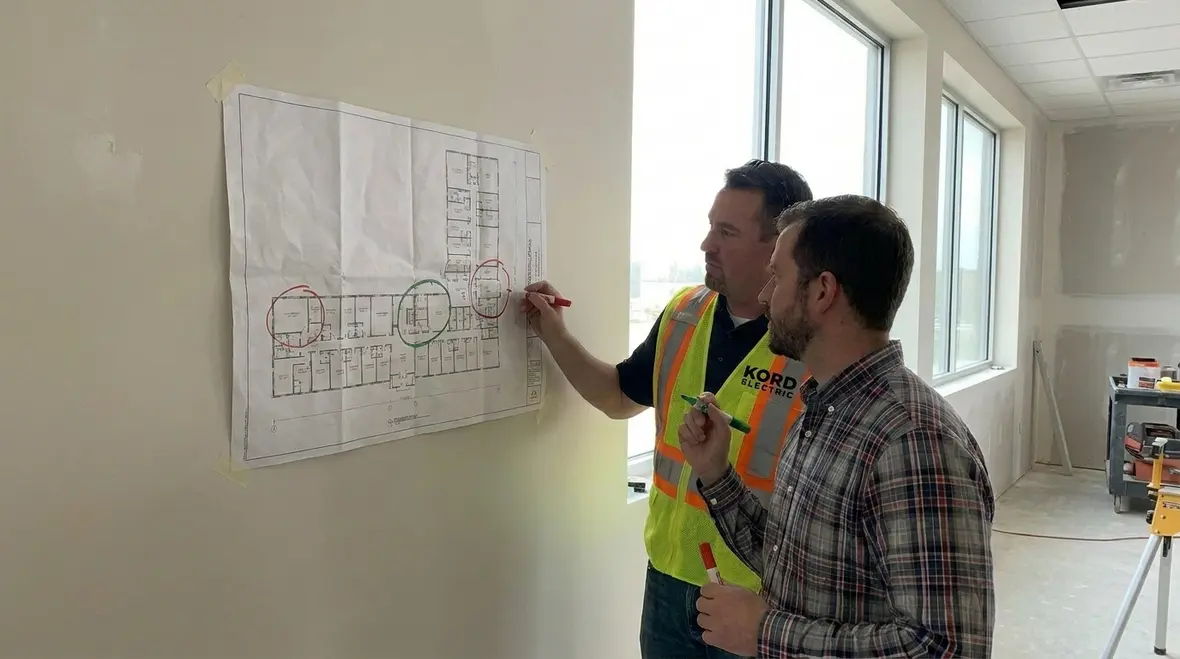
When we plan a control system, we begin with how the building actually operates. First, we review space types, occupancy patterns, and operational schedules. Then, we map zones where lighting performance must stay steady, such as corridors, production areas, training rooms, and tenant common spaces in major property buildings.
Next, we look at how daylight enters each area. Even in commercial and industrial facilities, sunlight can swing a lot from morning to late afternoon. As a result, we decide where we use photosensors and where we rely on time schedules. This step prevents the classic mistake: controlling everything the same way, which turns “efficiency” into “mystery mode.”
- We classify spaces by usage, like continuous, intermittent, or high variability.
- We identify control boundaries that match real workflows and HVAC cycling.
- We confirm the switching and dimming behavior needed for each zone.
At every stage, our expert service staff walks property teams through the zone plan. Therefore, stakeholders can approve the logic before any equipment arrives on site. That saves time, and it saves headaches.
Choose the right control components for each zone
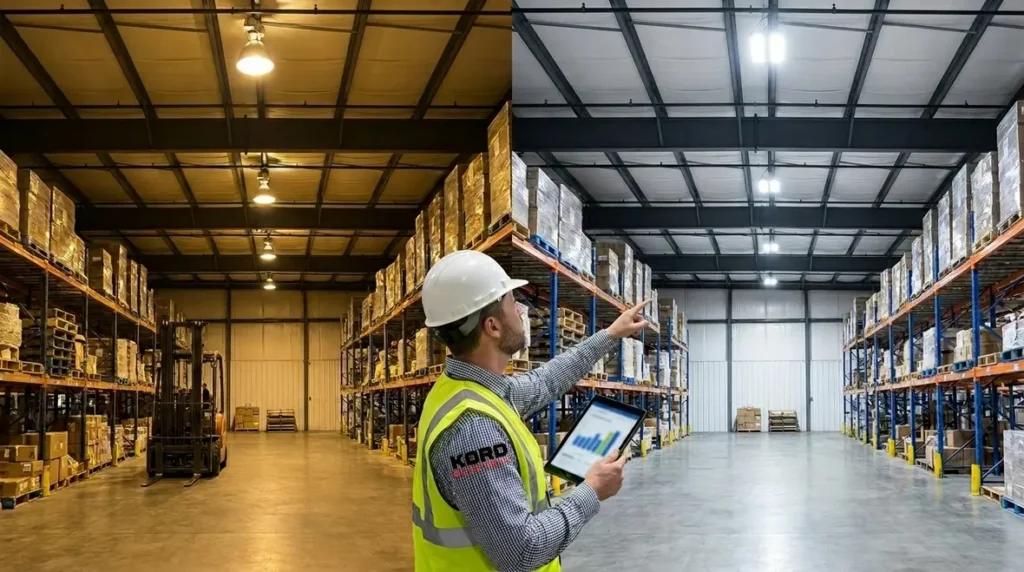
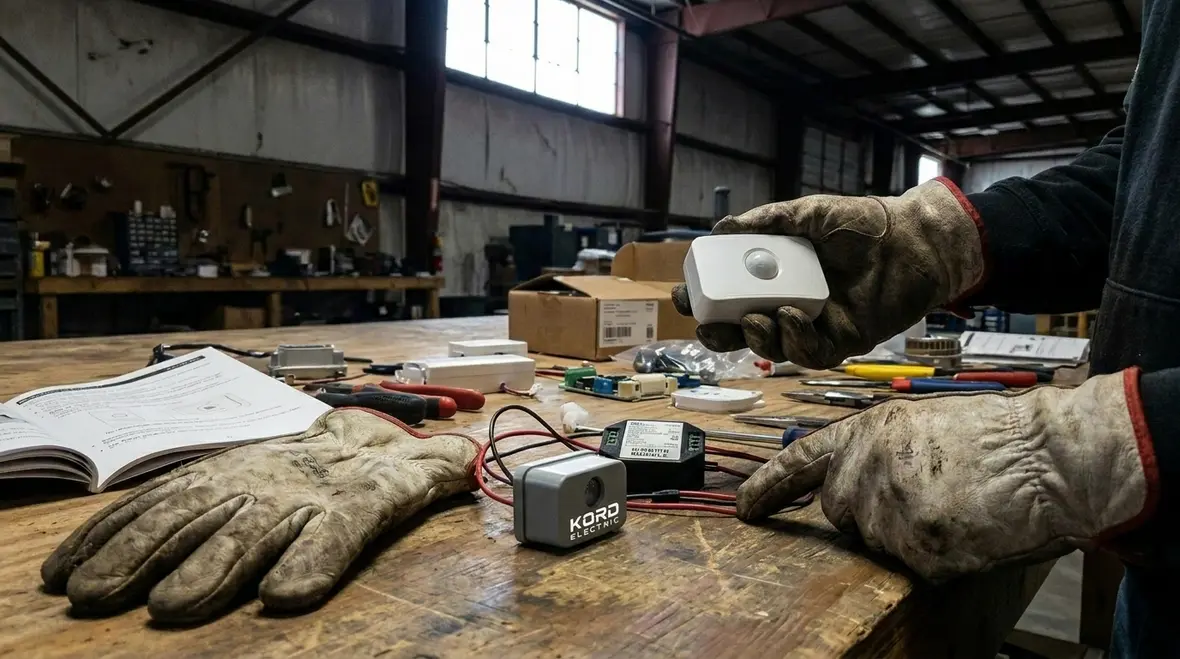
After zoning, the next step is selecting components that fit the job. Control systems work best when they match the environment. For example, warehouse aisles need stable sensing and reliable switching paths, while office lobbies need smooth dimming and consistent response.
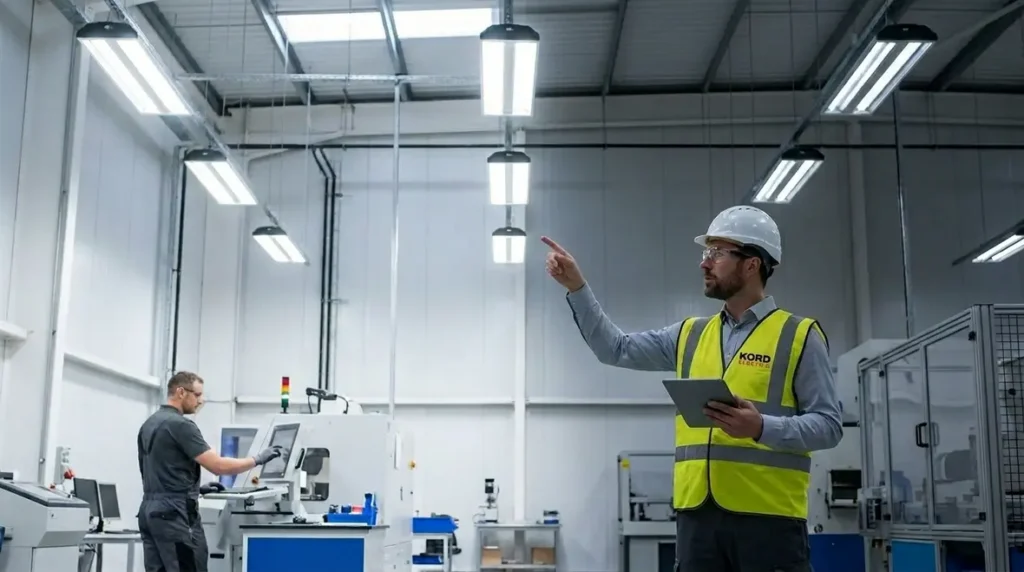
So, we typically mix sensor types based on use cases. Occupancy sensors handle spaces where people enter and leave. Photosensors support daylight harvesting near windows. Timers and schedules keep lighting aligned with building operations. Then, we set up scene control for areas that require different lighting levels during events, cleaning, or after hours.
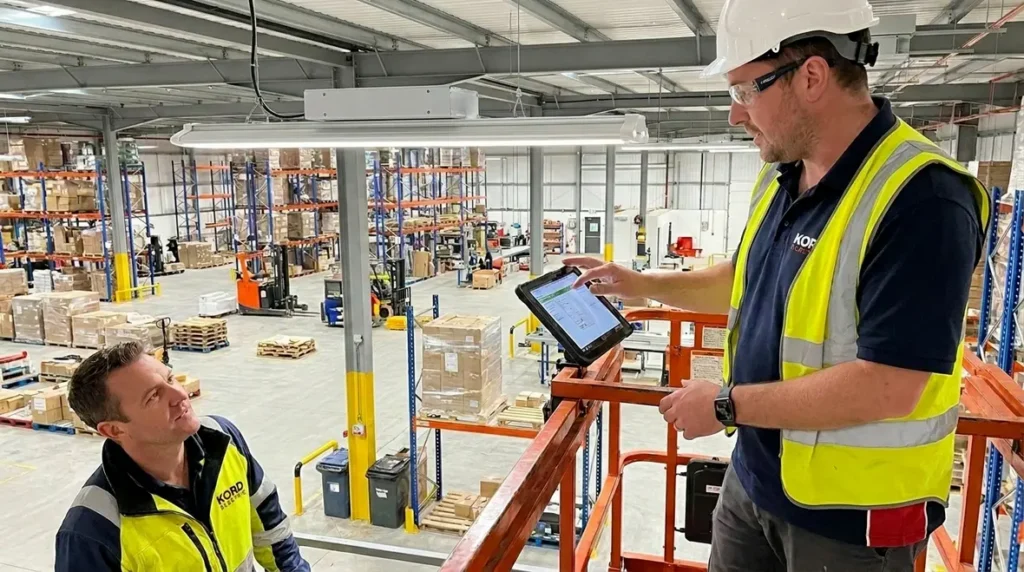
Our technicians also pay attention to mounting height, sensor aiming, and local obstructions. In a factory setting, forklifts and equipment create “dead zones,” and those blind spots will ruin a good design. However, when we verify placement during commissioning, the system responds the way it should.
- Occupancy sensors for intermittent use and after hours control
- Photosensors for daylight responsive dimming
- Switching and dimming control where the light source demands it
- Scene settings for lobby, conference, and amenity areas
We keep it practical. If the facility needs a simple operation for staff, we build it that way. If operators want deeper analytics, we plan for that too, without forcing complexity on a team that already has enough to manage.
Integrate controls with power, wiring, and building systems
Now we get to the part where installations often go wrong, because “it worked in the shop” does not mean it works in a building with real wiring runs and real load types. Proper commercial lighting control integration systems require clean coordination between electrical distribution, panel capacity, signal pathways, and any building management features.
First, we evaluate existing circuiting. Then, we confirm whether the lamps and drivers support dimming or need switch only control. In many commercial and industrial facilities, LED retrofits introduce different driver behaviors, and that affects how the controls should be configured.
Next, we address integration points with broader systems. Where the project calls for it, we align occupancy status, schedules, and alarms with other facility workflows. We also ensure that fail safe behavior works correctly. That means if a sensor fails, lighting should not bounce wildly or turn off unexpectedly during critical work periods.
Our service staff explains integration options in a straightforward way. As a result, others can make decisions without drowning in jargon. And we keep the humor light: a lighting system is not a magician, so it should never amaze people by turning lights on randomly like it has a secret life.
- We verify dimming compatibility for LED drivers and ballasts
- We confirm circuit grouping and panel capacity for stable control
- We plan communication paths to reduce interference
- We implement fail safe logic for reliable operations
Commissioning that actually proves savings
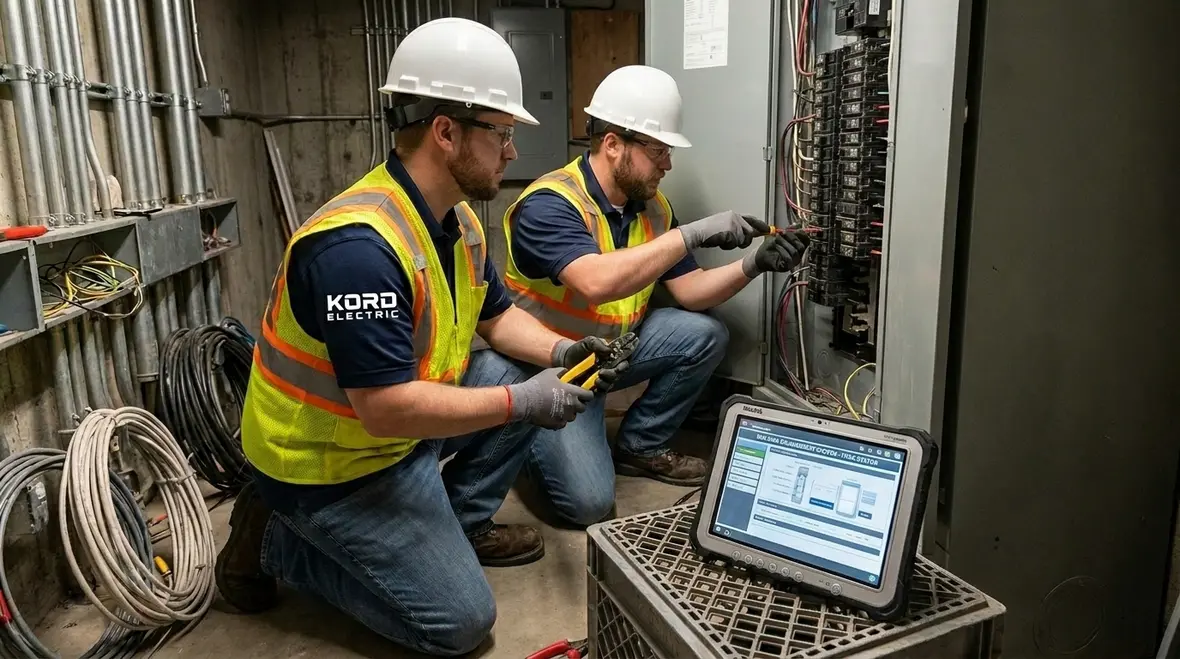
Once components are installed, commissioning is where results become real. If the system looks good on a phone screen but behaves wrong in a corridor, then the savings do not show up on the utility bill. Therefore, we run tests that validate response time, dimming curves, occupancy hold times, and daylight offsets.
We also tune the system during site hours. Sun angles change, occupancy patterns change, and equipment activity changes. So, our technicians observe real conditions and adjust settings until performance stabilizes. This is also where we confirm user workflows, such as how staff overrides controls during maintenance or special tasks.
In major property buildings, tenants may ask for different behaviors in shared areas. We handle those requests carefully so one group’s preferences do not accidentally disrupt another group’s safety or comfort.
Our expert service staff then documents settings and provides a clear explanation for facility managers. So, when someone asks, “Why did the lights do that,” the answer is not guesswork. It is logic, and it is traceable.
Operational training and long term performance
Systems do not maintain themselves. However, when training is solid, the building stays on track. At Kord Electric, we train the people who will use the system day to day. We show them how schedules work, how overrides function, and how to report sensor issues before they turn into downtime.
Additionally, we set expectations for seasonal tuning. Daylight harvesting needs slight adjustments when seasons shift, especially in spaces that rely on photosensors. We also recommend maintenance checks for sensor cleanliness and wiring integrity in harsh environments.
If the facility has multiple operators, we help standardize who can change what. That prevents “control drift,” where settings slowly degrade through well meaning edits. In other words, we protect the system from becoming a group project.
For readers who want a related view of how our team handles installation work, they can reference our lighting installation services page. We support commercial and industrial facilities and major property buildings, and our approach stays consistent from planning through execution.
FAQ: commercial lighting controls, integration, and performance
Extend performance with related electrical services
Lighting controls perform best when the underlying electrical infrastructure is stable and maintained. That is why many commercial and industrial clients pair control integration projects with structured electrical preventive maintenance programs. Routine testing, thermal inspections, and compliance checks help keep panels, feeders, and emergency systems in good shape, so your lighting logic is not fighting hidden electrical issues behind the scenes.
For facilities navigating Title 24 and California’s evolving energy rules, integrating controls with code focused services can also streamline inspections. Combining lighting control upgrades with documented maintenance and testing gives inspectors a clear picture of how the building manages both efficiency and safety over the long term.
Conclusion: let Kord Electric integrate controls for real-world results
If your commercial or industrial facility needs lighting that performs, not lighting that guesses, Kord Electric is ready to help. We design and install lighting control integration work that matches how your building runs, then we commission it until it holds up under real conditions. Reach out for a site conversation and we will outline the best zoning, components, and training plan for your spaces. Then we stay involved through handoff so your team can operate the system with confidence.
To take the next step, many property teams start with a review of their existing fixtures and wiring through our dedicated lighting installation services. From there, we can layer in commercial lighting control integration systems, align everything with your electrical preventive maintenance plan, and give your facility a clear, measurable path to lower energy use and more predictable performance.