

Critical Infrastructure Power Reliability Planning
At Kord Electric, we start with critical infrastructure power reliability planning when a commercial or industrial facility cannot afford to “figure it out later.” Others may treat power as a utility. We treat it like a mission. To protect operations, our teams map where power matters most, then build a plan that holds up when storms hit, loads spike, or equipment ages the way all equipment does, like it has a personal vendetta.
In the sections that follow, our expert service staff explains how we approach data centers, manufacturing sites, and major property buildings. First, we look at how the power system behaves in real life. Then we design for stability, redundancy, and fast recovery so uptime stays boring, predictable, and profitable.
How power reliability protects commercial operations
Power failures in commercial and industrial spaces rarely behave like simple on off switches. Instead, they show up as short dips, frequency drift, harmonics, nuisance trips, and slow system degradations that customers only notice when production stalls or a critical service goes dark. Therefore, reliability work must cover both “big” failures and the small events that quietly stack up.
For major property buildings and mission critical zones, the goal is simple: keep systems online long enough for people to respond and equipment to finish safe shutdown steps. However, this requires planning that considers the full electrical chain, from utility input to distribution, backup power, and final loads.
Our technicians and expert service staff explain the process in plain language. They also show facility teams where the risk hides, like in overlooked panels, aging switchgear, or loads that changed over the years without updating the electrical plan. That is how we keep power reliable instead of merely “working most days.”
Assess risk with load studies and power quality checks
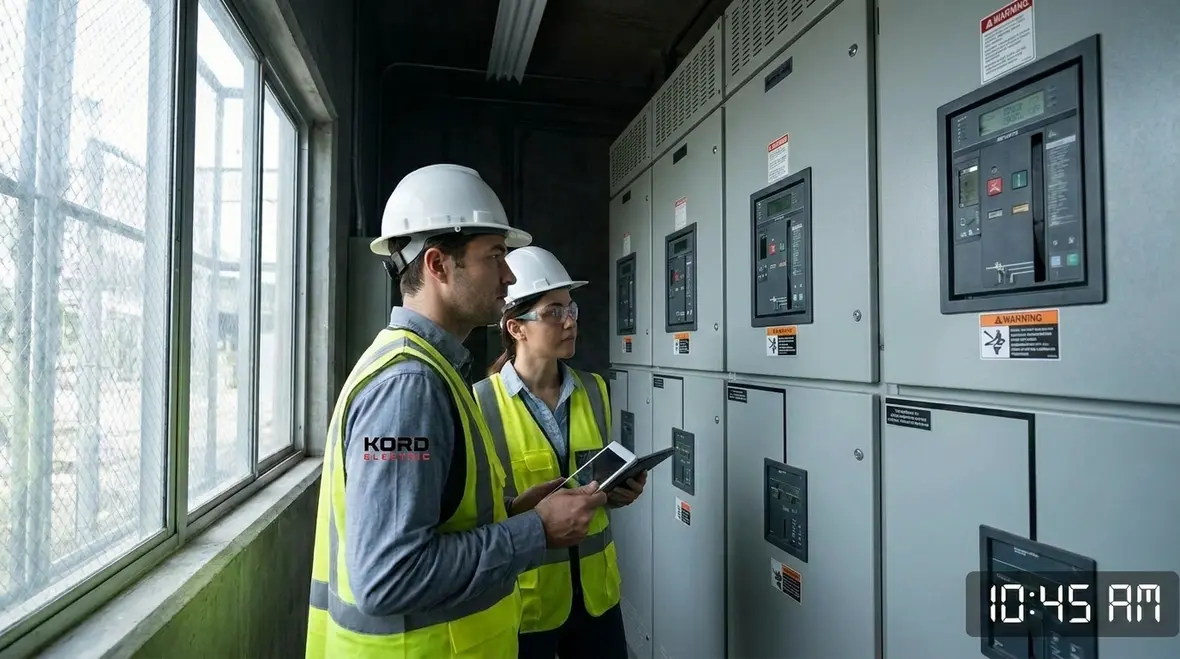
We begin with a practical assessment that does not rely on guesswork. Next, we analyze load patterns, operating cycles, and future growth. A load study tells us what the facility actually uses, not what an old nameplate suggests. Then we pair it with power quality testing to catch problems that harm equipment even when the lights stay on.
During this phase, our team checks for voltage sag exposure, harmonic distortion, imbalance, and transient events. As a result, the facility gains a clear picture of what could trip protection devices or reduce the life of sensitive electronics. And yes, harmonics can be dramatic, like a sitcom character that shows up just to ruin the plot, only in this case it ruins motors and drives.
Our expert service staff also reviews how the facility operates during normal and abnormal conditions. For example, we ask what happens when one process line ramps up while backup systems engage. Therefore, we refine the plan so protection coordination stays correct, and the facility does not rely on luck.
Design redundancy that matches real failure modes
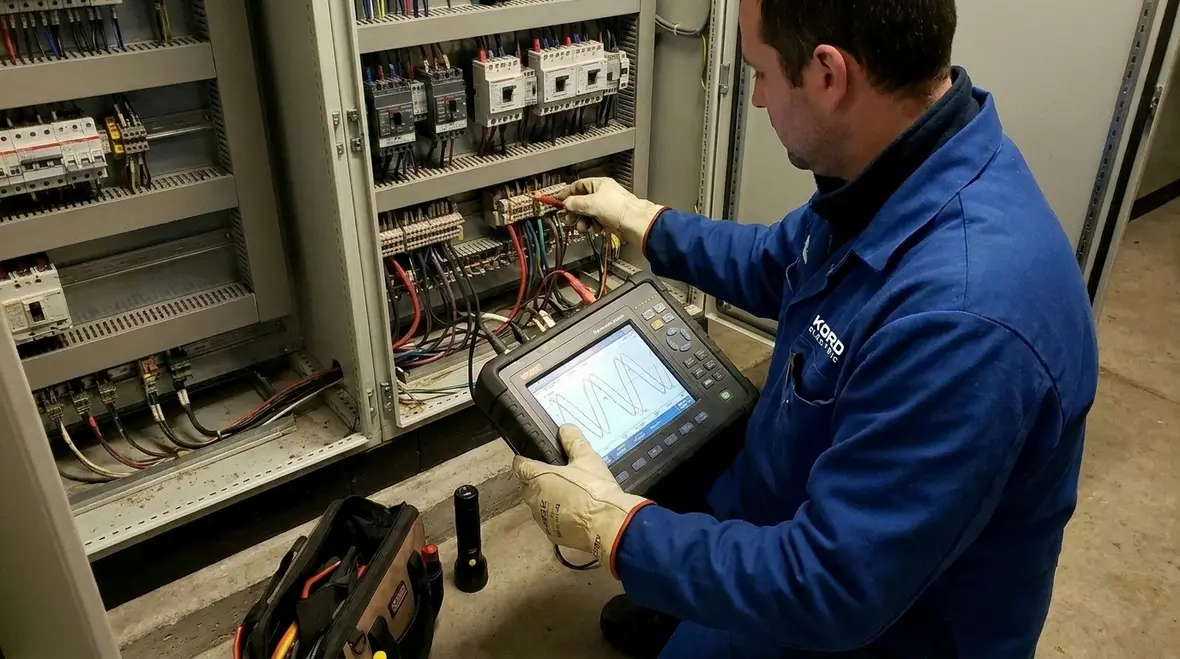
Many organizations add backup power and call it done. We do not. Instead, we align redundancy with the failure modes that matter most for major property buildings and industrial operations. This means considering utility outages, generator start reliability, transfer switch behavior, and the distribution path that feeds critical loads.
In our approach, we create a reliability model that includes time based behavior. Utility failures have a timeline. Generators have a start and stabilization timeline. Distribution devices have switching delays and coordination rules. When we design those timelines, the facility avoids the most common outcome: systems that “can” work, but do not stay stable when everything happens at once.
Our technicians explain the design decisions as they go. For instance, they walk through why specific transfer strategies work better for certain loads, or why certain distribution segments need tighter separation. That clarity helps operators and maintenance teams own the system instead of just inheriting it.
Coordinate protection and keep switchgear stable
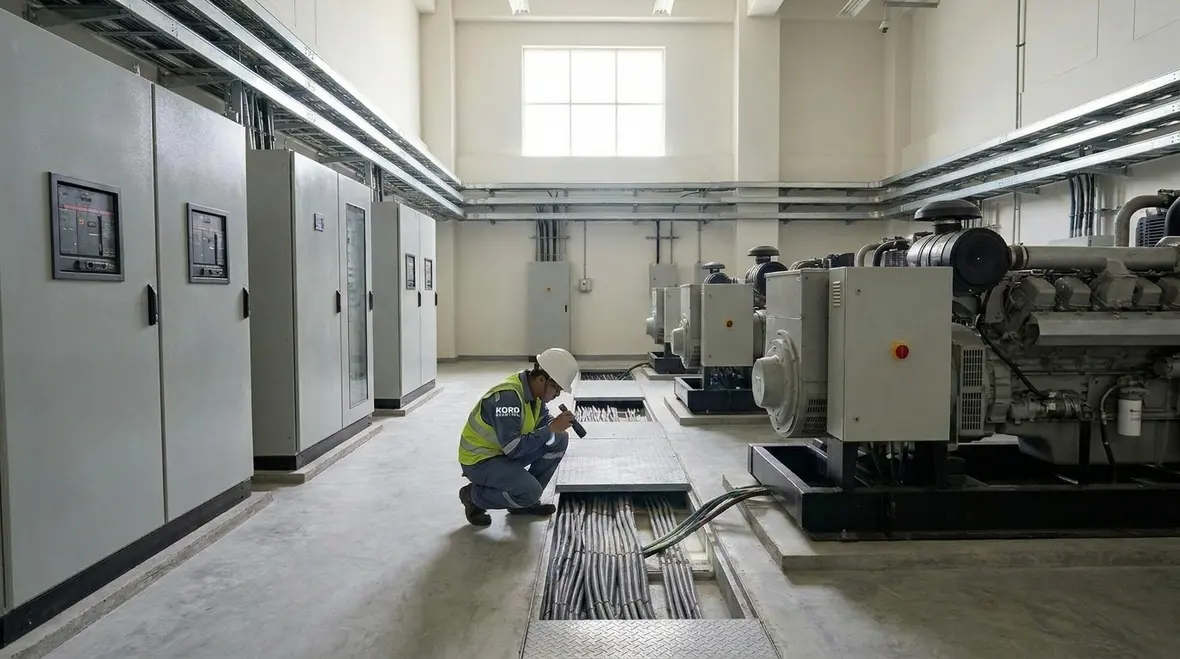
Reliable power also depends on what happens inside the panel. Protection coordination prevents damage and limits downtime, but incorrect settings can cause the opposite. When protection devices trip too quickly, a short event can become a long outage. When devices trip too slowly, faults can spread, and repairs take weeks instead of hours.
Therefore, we help facilities coordinate protective devices with the actual system design. We review settings, examine fault levels, and confirm that relay behavior matches the electrical architecture. Then we verify that critical loads remain fed during intended transitions.
Switchgear reliability matters here, especially in commercial and industrial buildings where equipment cycles through heavy load conditions. Our service staff checks for wear, insulation issues, and control cabinet health. Additionally, we look at bus connections and thermals because heat tells the truth that measurements sometimes miss. If an electrical assembly runs hot, it often fails first, and usually at the worst time. Like in movies where the timer beeps right before the hero finds the door. In real life, the timer is current.
Plan maintenance, testing, and readiness for rapid recovery

Even the best design can fail if maintenance and testing do not keep pace. We help facilities build a maintenance cadence that supports uptime goals. That means testing that proves functionality, not testing that checks a box. And it means documenting results so teams can trend performance over time.
Our expert service staff supports commercial and industrial sites with structured readiness planning. We help teams test transfer paths, confirm generator control behavior, and verify that critical loads ride through expected events. We also coordinate with facility operations so testing happens without disrupting schedules, because downtime has a cost and it usually does not show up on the electrical bill.
In addition, we address spares and replacement timelines. Components age even when everything “looks fine.” So we help teams plan when to service or swap parts based on real operating data and manufacturer guidance. That keeps critical infrastructure power reliability planning active beyond installation, turning it into a living program.
Implement resilience in distribution, UPS support, and critical load paths
For sensitive loads, resilience cannot stop at backup generation. We also consider UPS support, distribution separation, and critical load routing. This reduces the risk that a small disturbance becomes a system wide outage.
In facilities with electronics, controls, and IT connected to industrial environments, our technicians evaluate how power flows under different conditions. Then we refine critical load paths so they remain stable through utility loss, transfer events, and load changes. We also verify that distribution equipment handles expected currents without overheating and that monitoring systems provide clear alarms for maintenance teams.
At Kord Electric, we make sure that critical loads stay predictable. And yes, we explain it like we are talking to humans, not robots. That includes helping operators understand what alarms mean, how to respond, and what to look for during routine checks. When people know the system, they respond faster, and faster response means less downtime.
For more detail on these essentials, Kord Electric’s blog covers key elements for data center electrical infrastructure, including the way power paths, redundancy, and operational readiness work together in the real world: Data Center Electrical Infrastructure Essentials.
For facilities building a long term reliability program around maintenance and testing, Kord Electric also outlines how structured plans protect uptime and system longevity in commercial and industrial environments: Commercial and Industrial Electrical Maintenance Plans.
Featured snippet FAQ
Conclusion: get your power program under control
When power reliability fails, the cost is not only repairs. It includes lost production, system downtime, and stressed teams making emergency decisions. Kord Electric works with commercial and industrial facilities to build and maintain a practical reliability program, backed by experienced technicians and clear explanations. If your facility operates critical processes or major property services, now is the time to strengthen the electrical plan. Contact Kord Electric to review your power risks and set a steady path to uptime.
For organizations that want to formalize this into a recurring program, Kord Electric’s dedicated preventive maintenance services support ongoing inspections, testing, and documentation across complex facilities. Learn more about how a structured plan supports uptime by visiting our Electrical Preventive Maintenance service page: Electrical Preventive Maintenance.


