Commercial Lighting Control Optimization for ROI
Commercial owners do not buy lighting. They buy control, comfort, and cashflow. At Kord Electric, we focus on commercial lighting control optimization that helps facilities run smarter, not harder. That means we look past the first install and then we tune the system so it reacts like it should: based on occupancy, daylight, schedules, and real site behavior. We have seen what happens when a control system works “on paper” but not in the field, and then energy budgets take a hit like a DJ who forgot to hit play. In the sections ahead, we explain how others can optimize commercial lighting control systems for ROI, and why our technicians and expert service staff treat every building like it is worth the effort.
What ROI actually looks like in lighting control systems
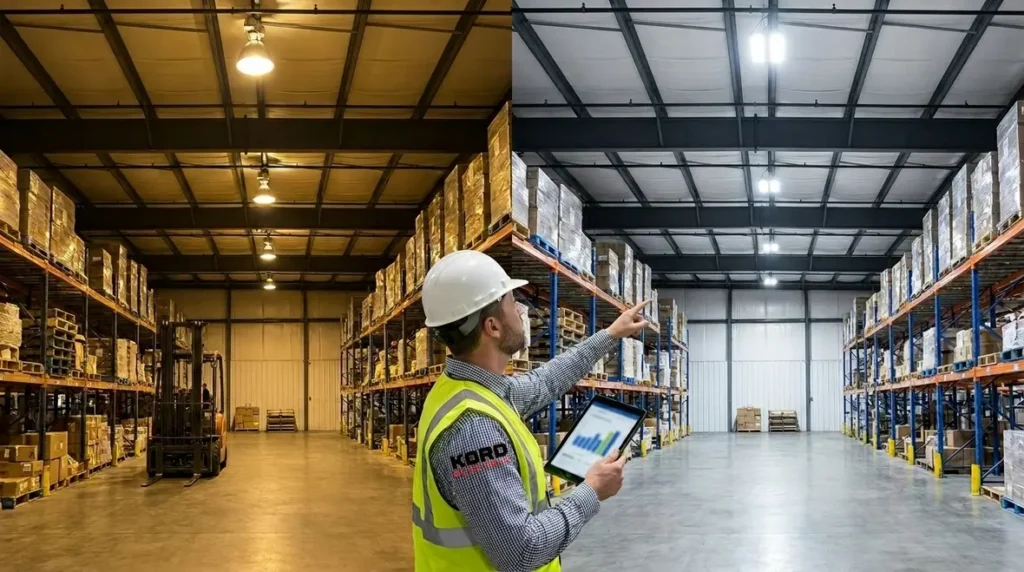
When others talk about ROI, they often quote numbers without showing the path. We prefer the path. First, we measure baseline energy and operating patterns, then we compare them with what the control system delivers after tuning. That is where ROI becomes real and not just a slide deck fantasy.
There are three ROI levers that commercial and industrial facilities usually control. We focus on them in order: energy use, maintenance and downtime, and occupant experience. Energy use drops when lights dim correctly and switch only when they should. Maintenance improves when the building has fewer “mystery failures” that waste time and callouts. And occupant experience stays steady when controls respond smoothly, not with annoying delays or harsh transitions.
Then, once we align those levers, we run a practical test plan. In other words, we do not guess. Our team validates sensor behavior, wiring and panel settings, and override logic, so the system stops acting like it is following random instructions.
Audit the system before you optimize it
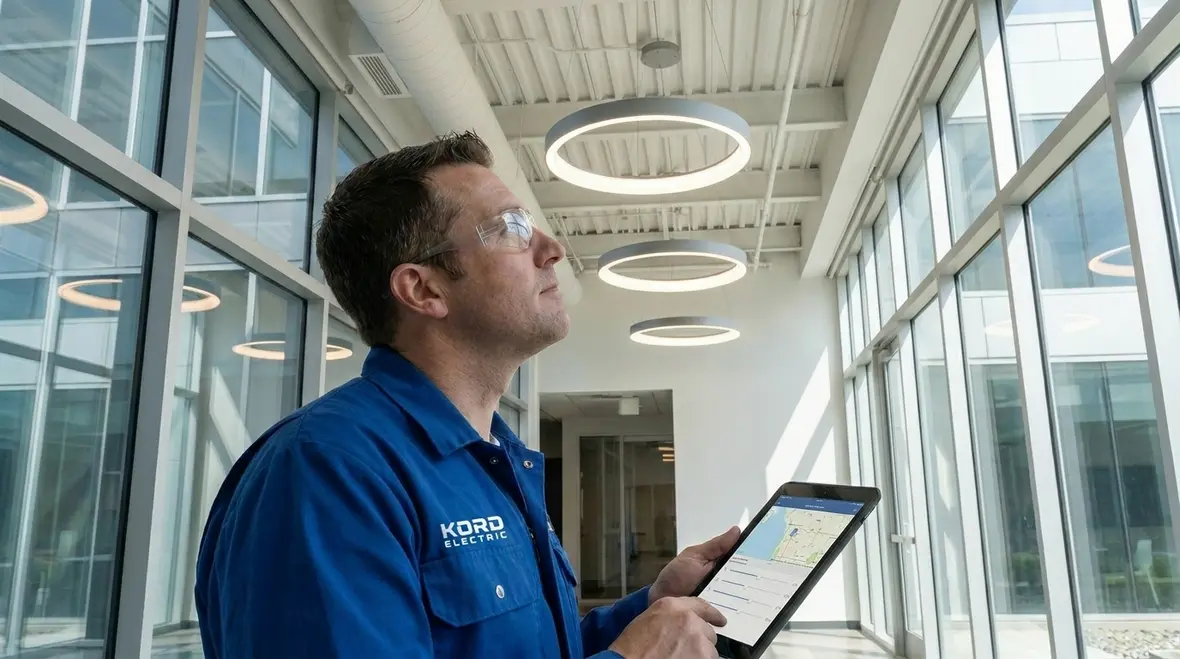
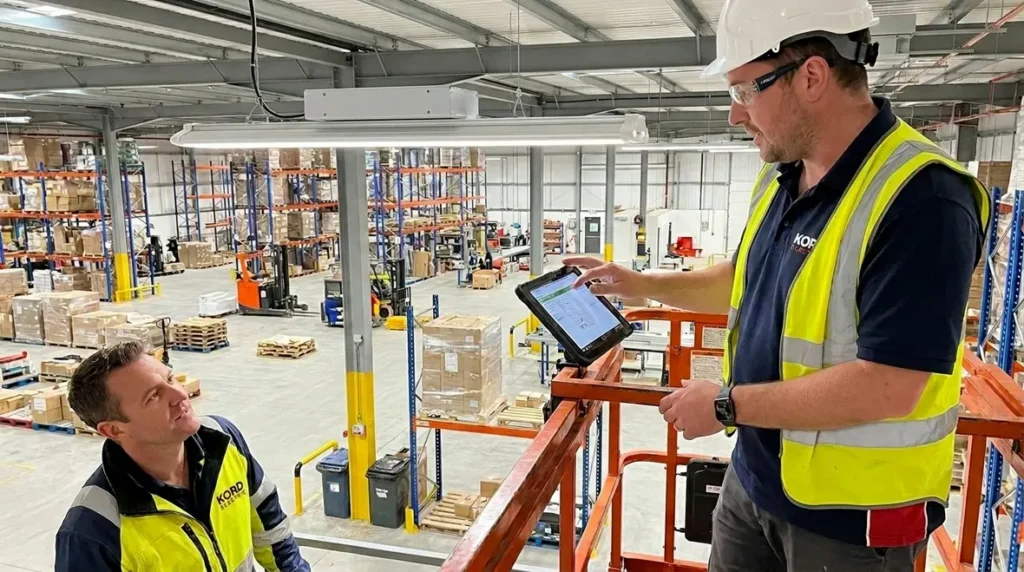
Before anyone touches setpoints, we audit. A lighting control system is like a map with missing streets: you can still drive, but you will hit surprises. Our technicians start by reviewing as built drawings, control panel schedules, and manufacturer settings. Then we check the field. We look for sensors that sit in bad locations, zones that do not match how people actually move, and time schedules that do not fit real operations.
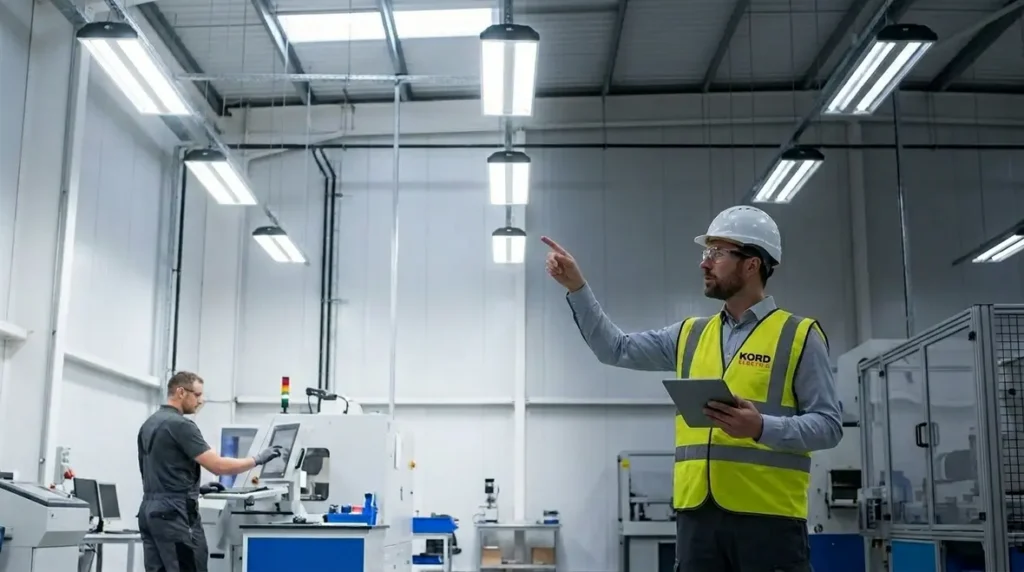
Next, we inspect daylight response and how it interacts with reflections in the space. Sunlight does not shine evenly, and neither do furniture layouts. Therefore, we verify that daylight harvesting does not overcompensate, especially near skylights and high windows. We also check that dimming curves make sense for the fixture type, because an LED behaves differently than older systems.
After that, we ask a simple question: what does the building do all day? Others might rely on assumptions. We listen to site managers, coordinate with our client’s operations team, and then we map behavior to control logic. That is how optimization turns from theory into measurable savings.
For facilities planning lighting upgrades or new installs alongside control improvements, we often align our optimization work with dedicated commercial and industrial lighting installation services so fixtures, wiring, and controls support the same performance goals.
How we tune schedules, occupancy, and daylight harvesting
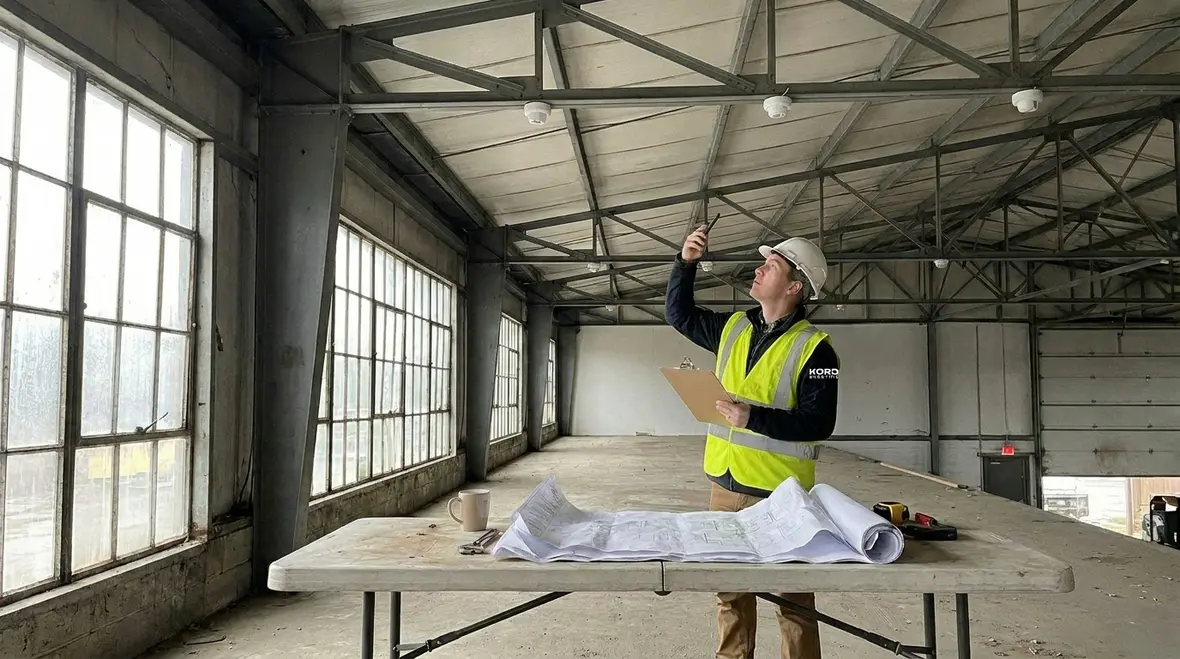
In practice, optimization comes from small, correct adjustments. For commercial lighting control optimization, we tune three areas that usually decide whether ROI shows up on time.
1) Schedules that match reality
Many buildings run on a “standard weekday” schedule that ignores shift changes, cleaning windows, and weekend activity. We update schedules and holiday profiles so lights do not stay at the wrong level when the building is actually dark. Also, we set ramp up and ramp down behavior to avoid sudden changes that irritate occupants.
2) Occupancy settings with smart thresholds
If motion sensors detect too sensitively, lights flicker like a bad camera filter. If they detect too slowly, people feel like they are walking into a cave. We fine tune delay times, sensitivity, and coverage patterns. Then we confirm performance during real occupancy, not just a quick daytime walkthrough.
3) Daylight harvesting that respects the space
Daylight dimming can deliver major savings, yet it can also create comfort complaints if not tuned well. We adjust setpoints, deadbands, and response times so the system tracks natural light without constant fluctuation. And we verify that glare and reflectance do not trick the sensors into dimming when occupants still need brightness.
Throughout, our technicians explain what we change and why. So the facility team understands the logic, not just the outcome. That transparency matters when operations staff need confidence more than they need mystery.
Where control systems lose savings and how we fix it
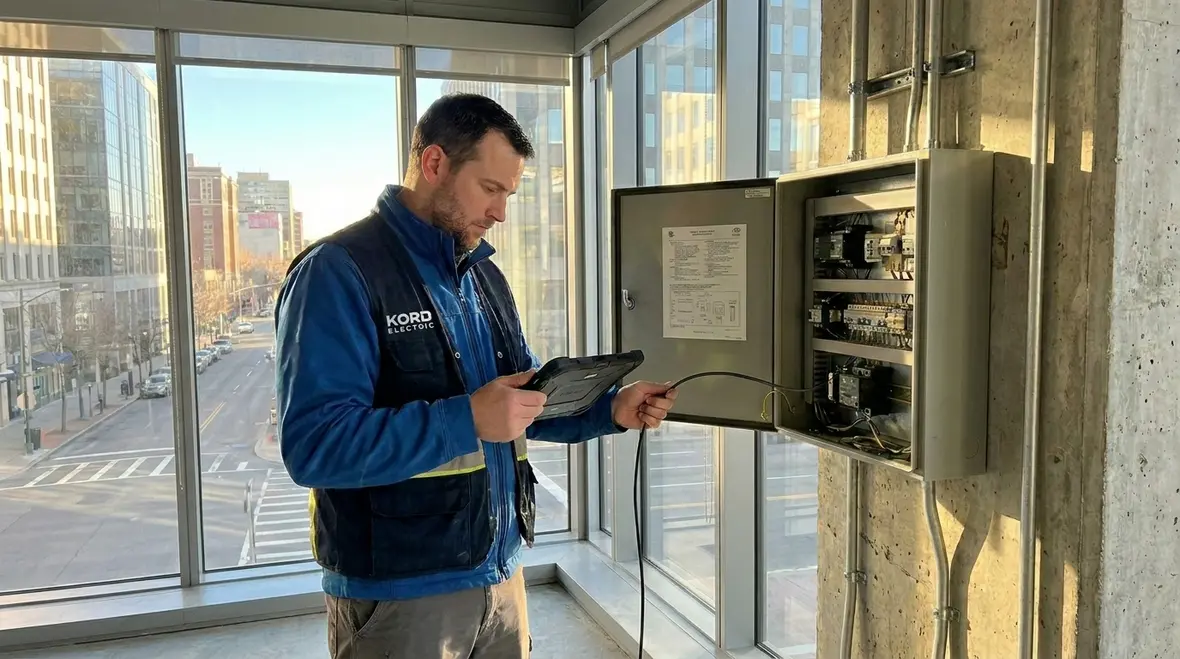
Even well designed systems can underperform. We see predictable issues across commercial and industrial sites, and we address them methodically. First, we identify “override storms,” where manual switches, network commands, or occupancy states fight each other. Then we align priority rules so the system follows the intended hierarchy.
Second, we look at zoning and control granularity. Some spaces get grouped too broadly, which forces uniform behavior even when different areas have different use. Therefore, we improve zone mapping where it makes sense, so areas like storage, corridors, and workstations operate with the right level of control.
Third, we address communication and calibration. Networked controls can drift from expected behavior due to outdated firmware settings, sensor recalibration needs, or mismatched device parameters. We confirm communication health and we adjust device settings to match the actual light output and sensor readings.
Finally, we remove the “install leftovers” that nobody asked for. That includes unused scenes, outdated schedules, and devices that were added during remodels but never integrated properly. We clean that up so commercial lighting control optimization runs on purpose, not on leftovers.
And yes, we have encountered at least one system where the lights were programmed to behave like it was always 8 AM. The building team laughed, then they called us. We fix it either way.
Commissioning methods that protect savings
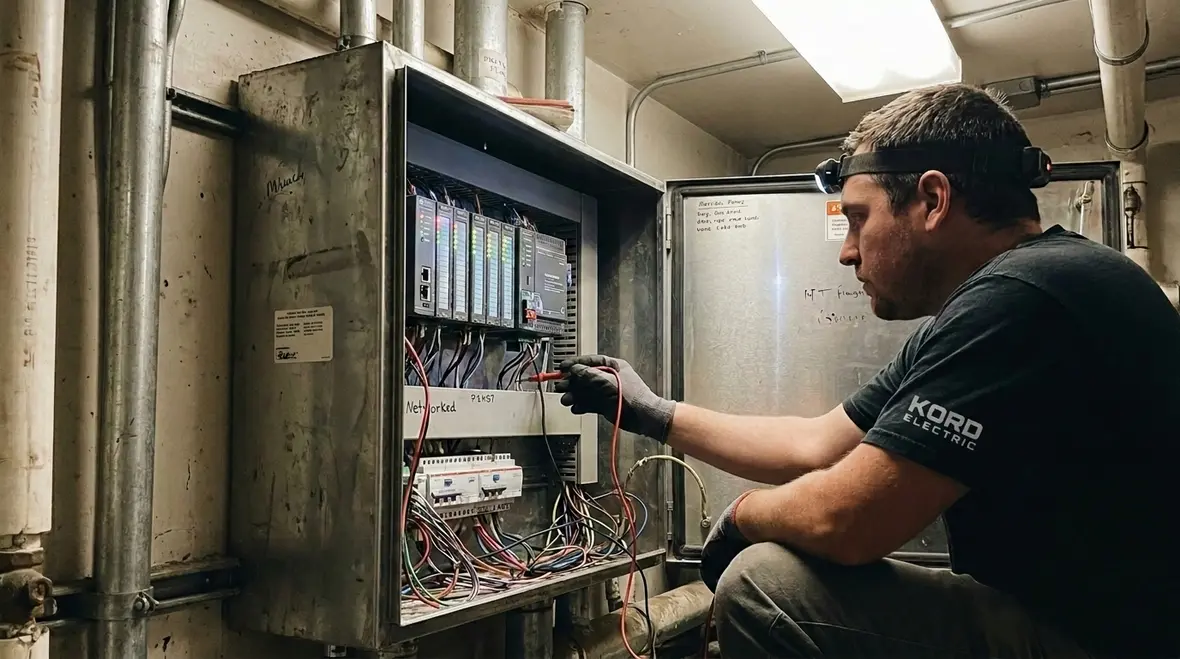
Optimization does not end when settings change. We commission the system so savings remain stable. That means we verify control sequences under real operating conditions and we document the results. Our expert service staff uses a test approach that tracks before and after performance, not just “it seems better” impressions.
We test occupancy response with different movement patterns, such as slow walking, stationary tasks, and occasional use. We test daylight response during varying cloud cover, because a bright day can hide problems that show up later. We test manual overrides and ensure they reset correctly, so employees do not have to become accidental full time lighting programmers.
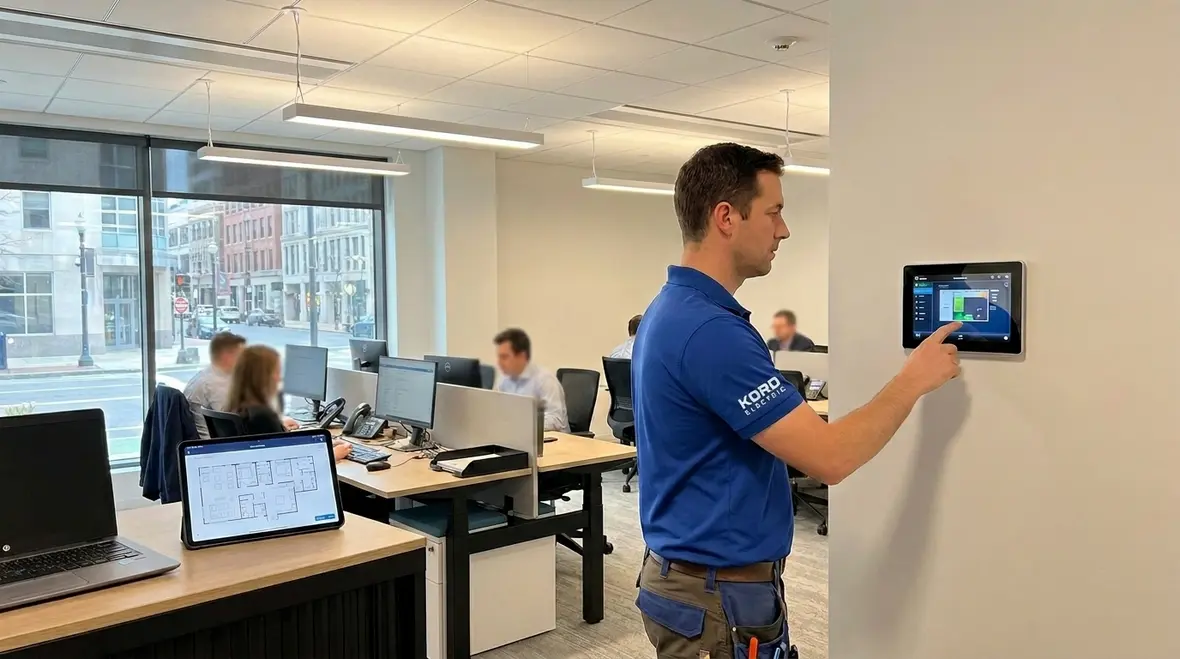
Then we train the facility team. We explain what each control mode does, how alarms or fault states show up, and what actions to take when something looks off. When staff understands the system, they stop the small issues from turning into larger ones. That protects both comfort and ROI.
For major property buildings and industrial facilities, we also confirm that integration points align with other building systems where applicable. This supports a consistent operating strategy, so the lighting does not fight HVAC schedules or create mismatched energy signals.
Planning the rollout: from pilot to full building optimization
We recommend a staged rollout for most commercial and industrial sites. Why? Because buildings have constraints. They operate. People work. Production can be disrupted if optimization happens all at once. Therefore, we plan a pilot area that represents the broader facility: a zone with typical occupancy, daylight exposure, and power usage patterns.
Next, we fine tune settings in that pilot area and measure the impact. We compare energy trends and control behavior. Then we adjust as needed and expand to adjacent zones with similar characteristics. This approach reduces risk and keeps the project moving.
In addition, we maintain clear communication with stakeholders. Our team coordinates timing, access needs, and any temporary lighting changes so operations stay calm. If someone expects the lights to act like a jukebox every time a person walks in, we set expectations early. We are here for control, not chaos.
Once the system is fully tuned, we keep it healthy with ongoing checks. Commercial lighting control optimization is not a one time event. It is a living system that stays accurate as occupancy patterns and room usage change.
For multi site portfolios or facilities that pair controls with broader electrical upgrades, our team connects lighting optimization with structured commercial and industrial preventive maintenance programs so savings remain consistent year after year.
FAQ about lighting control optimization for commercial sites
We optimize, commission, and stand behind the results
Commercial lighting control optimization only pays off when the system performs in the real world, day after day. At Kord Electric, we audit, tune, commission, and train your team so the savings stay stable and the lighting stays comfortable. Our technicians and expert service staff explain every change, then verify outcomes with practical testing. If you want ROI you can feel in your utility bills and trust in daily operations, contact Kord Electric today and we will map the quickest path to performance.
Property teams across Los Angeles County who need deeper electrical support beyond controls can also explore our dedicated Los Angeles County commercial and industrial electrical services, which connect lighting performance with broader power reliability, safety, and long term maintenance planning.
Whether you are starting with a single building pilot or coordinating optimization across a large portfolio, our team brings the same disciplined approach you will find throughout the Kord Electric service platform: clear communication, data driven decisions, and lighting control strategies built for real world ROI.