Electrical Surge Protection for Commercial Facilities
At Kord Electric, we start protecting your site before a “surprise” event ever shows up. One of the first layers we recommend for commercial and industrial facilities and major property buildings involves electrical surge protection devices. These devices help reduce the damage that can come from voltage spikes, lightning induced surges, switching transients, and other electrical upsets that nobody plans for. And yes, we know it sounds dramatic, but so does “power outage season” when your equipment is mid cycle. Still, we keep things calm and controlled by planning ahead, inspecting what matters, and explaining everything in plain language through our trained technicians and expert service staff.
How electrical surges damage commercial gear
When a facility experiences an unexpected surge, sensitive equipment does not always fail right away. Instead, it can degrade quietly, then die later with a message that looks like a mystery to the team on site. For example, a surge can stress power supplies in PLCs, corrupt data in building management systems, weaken drive components, and reduce the life of motors and control panels. Over time, that “harmless” spike becomes expensive downtime, repairs, and lost production.
Furthermore, surges do not only come from lightning. They also show up when a large load turns on, when a motor starts, when transformers switch, or when utility systems shift. Even internal events like capacitor switching or bad contact in a panel can send short bursts of higher voltage through distribution. As a result, the equipment you rely on for daily operations takes hits at the microscopic level.
In other words, surges behave like pop quizzes for your electrical system. Your equipment may pass today, but tomorrow’s quiz could be a failure. So we treat the risk like a business issue, not a technical curiosity.
Where surges enter and how they travel across a building
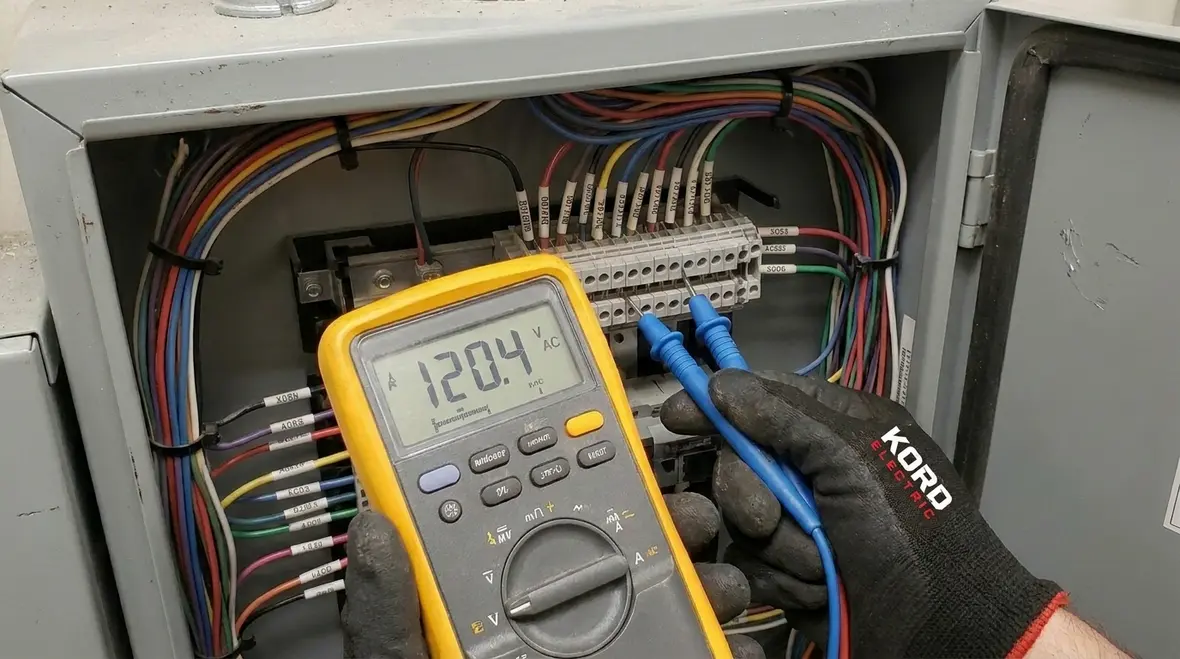
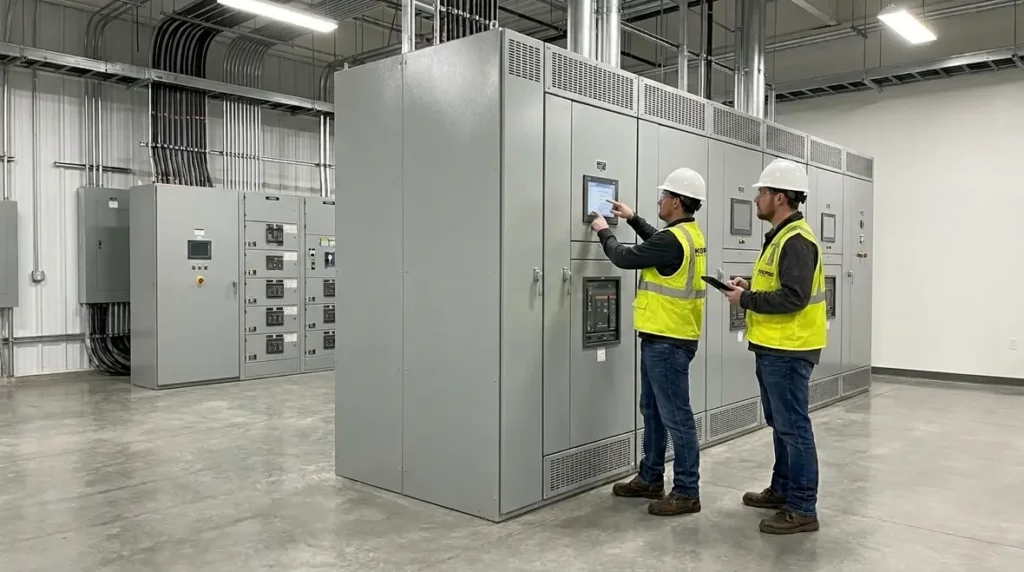
To protect sensitive commercial equipment, we map the paths surges take. Then we stop them at the right points. Typically, surges enter through utility power, then travel into switchgear, panelboards, transfer switches, and branch circuits. After that, they can spread through control wiring, data lines, and grounding connections, especially when the site uses shared pathways for both power and signal.
Meanwhile, the protection strategy changes depending on the distribution layout. A major property building with multiple tenants and risers may require coordinated protection at several levels. In contrast, a single campus with centralized switchgear may focus on upstream suppression and tighter control of transient behavior.
We also pay attention to grounding quality and bonding. A surge protection device can only do its job if the grounding path behaves correctly. So we check grounding integrity, conductor sizing, and connection condition, because a “mostly good” ground can still cause trouble when the surge arrives.

Why preventive maintenance reduces the surge damage risk
Most electrical issues in commercial environments do not begin as dramatic events. They start as slow problems that get worse. Therefore, preventive maintenance becomes a shield that works long before the next storm, switching event, or load change.
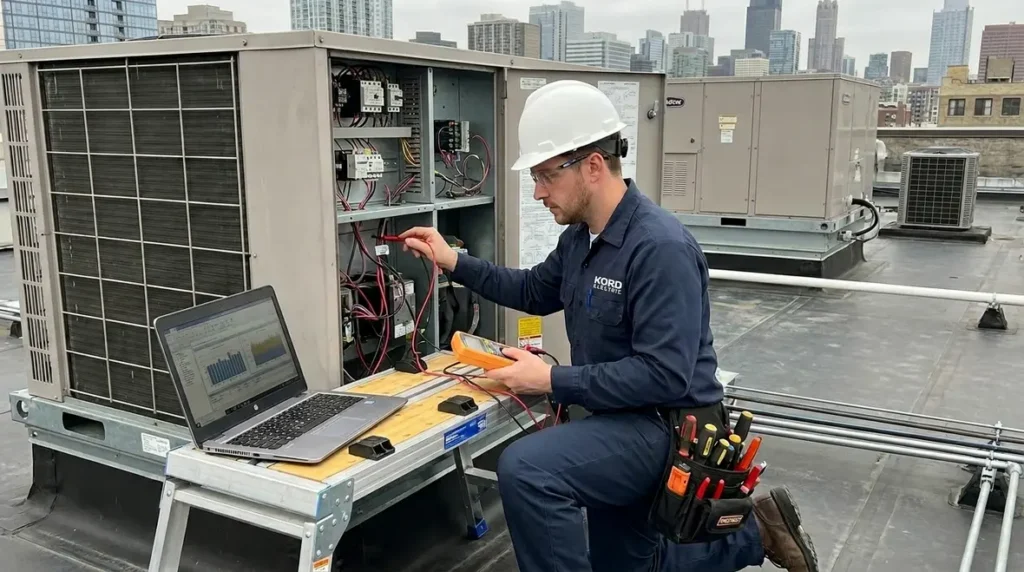
Our team follows the philosophy described in our electrical preventive maintenance approach at Kord Electric. We inspect and test the electrical system components that influence transient behavior, including panels, connections, protective devices, and key distribution points. Then we document results so the facility can track trends. When we find corrosion, looseness, overheating signs, or abnormal readings, we address them before they turn into surge related failures.
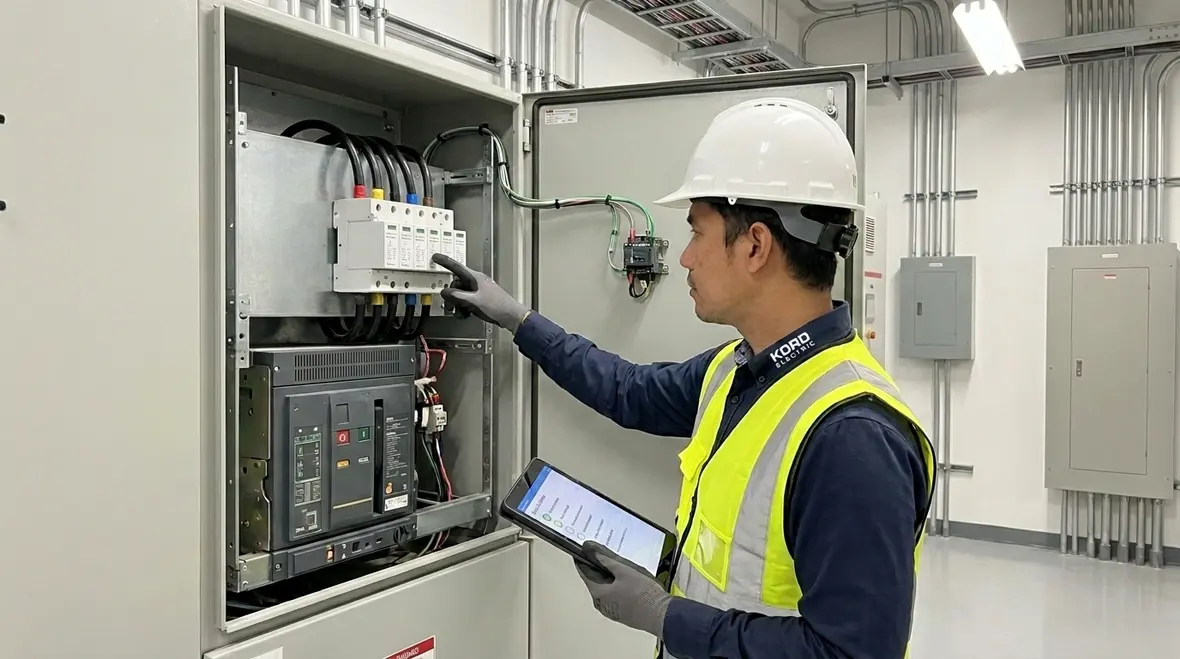
Technicians also review whether existing protection devices still meet performance expectations. Components can age, connections can degrade, and settings may need adjustment after equipment upgrades. So our expert service staff does not just look at what is plugged in today. They look at how the system has changed over time, and they explain the findings clearly so facility managers can make confident decisions.
What our technicians recommend for surge protection device planning
When we plan protection, we do it like a system, not a single purchase. Electrical surge protection devices work best when they match the site’s distribution levels and the types of equipment you run. That means we consider upstream and downstream placement, the electrical rating of circuits, and the coordination between protective layers.
We focus on commercial and industrial facilities and major property buildings, so we think in terms of buildingwide consequences. If the site uses data closets, it is not enough to protect just the switchgear. We help ensure critical loads, such as security systems, access control panels, HVAC controls, manufacturing controls, network equipment, and life safety related components, have the right protection at the right point.
Additionally, we coordinate protection with operational realities. Facilities add loads. Tenants remodel. New equipment goes online. As a result, a protection plan that made sense years ago can become incomplete. Our technicians explain how changes impact transient pathways and what updates are needed to keep equipment protected during real world events.
And yes, we will say it: installing surge protection and then ignoring the rest of the electrical system is like buying a fire extinguisher and never checking the gauge. You can feel safe until you actually need it.
Installation, testing, and documentation that keep protection reliable
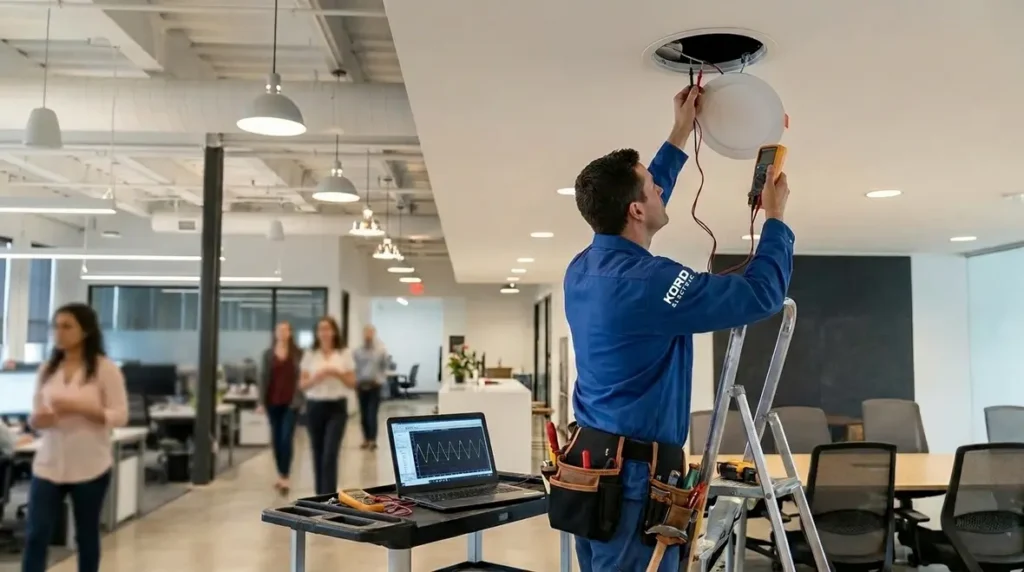
Protection only works if it stays correctly installed and verified. So we pay close attention to proper installation practices, conductor routing, connection torque, and component compatibility. Then we test in ways that match the site conditions and the system design. Instead of guessing, we measure.
For commercial and industrial facilities, documentation matters. We help property teams keep records that show what was installed, where it sits in the one line design, what testing indicated, and how results change over time. That helps reduce confusion during troubleshooting. It also supports maintenance schedules and helps others understand what our team did, even months later when someone else is asked, “Hey, what was the plan?”
Our expert service staff uses a simple approach: first we explain the goal, then we show the findings, and finally we outline the next step. That way, facility managers and electrical supervisors do not get lost in jargon. They get answers.
How teams should respond before, during, and after a surge event
Prevention helps, but reality includes events. Therefore, we encourage facilities to prepare a short response process. Before a suspected surge, teams should know the location of critical panels, identify which circuits feed sensitive systems, and understand which protection devices serve those loads.
During an event, if power quality issues appear, teams should avoid repeated quick resets that can worsen stress on equipment. Instead, they can log the time of the event, note alarms, and capture brief evidence like utility notifications or UPS status reports. Afterwards, they should inspect affected panels, check for signs of overheating, and verify whether protection devices show service indicators or require replacement.
Then we step in for a professional evaluation. We do not just swap parts. We trace what happened, correlate it with maintenance findings, and recommend upgrades where needed so the next surge has less opportunity to cause damage. That is how you protect the future, not just patch the last incident.
In a world full of short attention spans, we keep the electrical system on a longer timeline. Because equipment life does not follow rumors. It follows physics.
FAQ
Ready to protect your facility against unexpected electrical surges
If your commercial or industrial facility and major property buildings rely on sensitive equipment, you cannot afford “reactive” protection. At Kord Electric, our technicians and expert service staff evaluate your distribution system, recommend appropriate electrical surge protection devices, and tie everything into practical preventive maintenance. Then we document the work so your team stays informed. Contact us today for an on site assessment and a clear protection plan that keeps downtime low and confidence high.
For facilities across Southern California, including those seeking comprehensive Los Angeles County electrical services, surge protection planning also connects naturally to broader electrical projects such as panel upgrades, lighting improvements, or power quality corrections. Integrating surge mitigation with your wider service roadmap helps ensure that every new circuit, panel, or load is accounted for in the protection strategy, not added as an afterthought.
If your facility is already evaluating voltage stability, distribution upgrades, or specialized services for commercial and industrial operations, consider pairing electrical surge protection devices with related offerings from Kord Electric such as structured maintenance programs and corrective services. When surge protection, preventive maintenance, and responsive service work together, commercial and industrial facilities gain a more predictable future and far fewer surprises when the next electrical event arrives.