
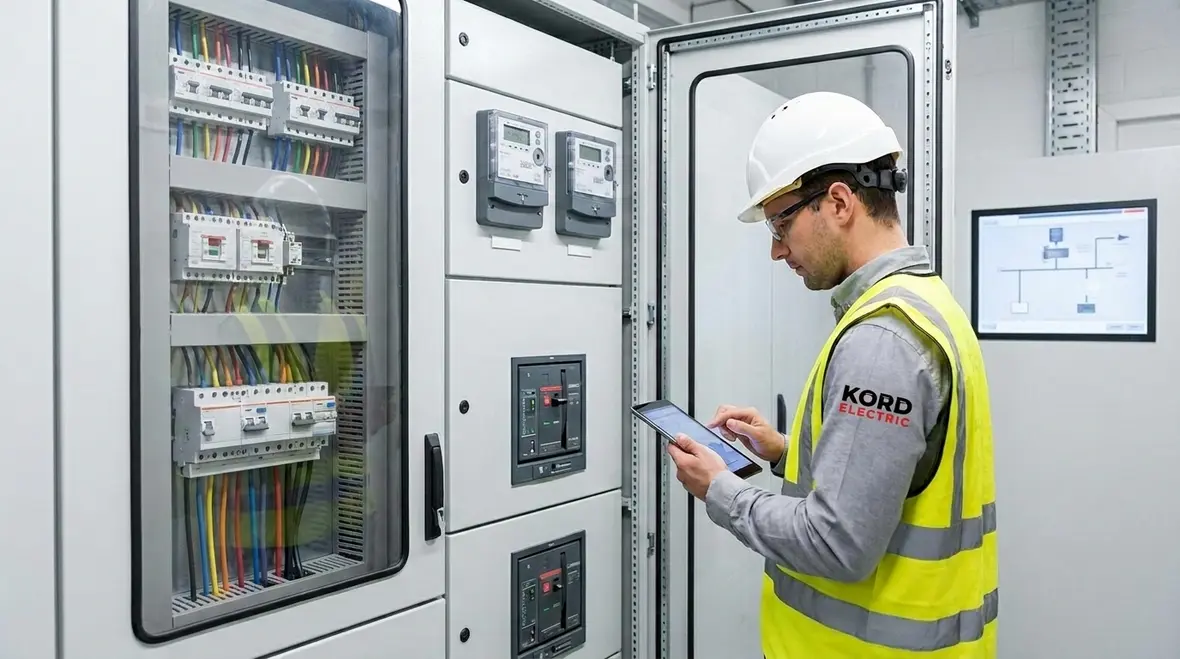
Commercial Load Balancing Benefits for Efficiency
Why commercial load balancing benefits matter for efficiency
In commercial and industrial facilities, energy waste often hides in plain sight. When electrical loads drift unevenly, parts of the system work too hard while other parts sit underused. With commercial load balancing benefits, we help property teams keep demand steady, reduce needless stress on equipment, and improve overall efficiency across the building. At Kord Electric, our technicians and expert service staff take a careful, measured approach. They do not just “swap parts and hope.” Instead, they analyze how power flows, then tune distribution so the system behaves like a well run orchestra, not like a group project where one person does all the work.
Meanwhile, the business outcome is straightforward. Better balancing supports smoother operation, fewer alarms, and less energy lost as heat. And yes, we have seen panels get loud over the years, like they are trying to start a podcast. Load balancing is how we help them keep quiet.
How imbalanced loads quietly drain energy in big buildings
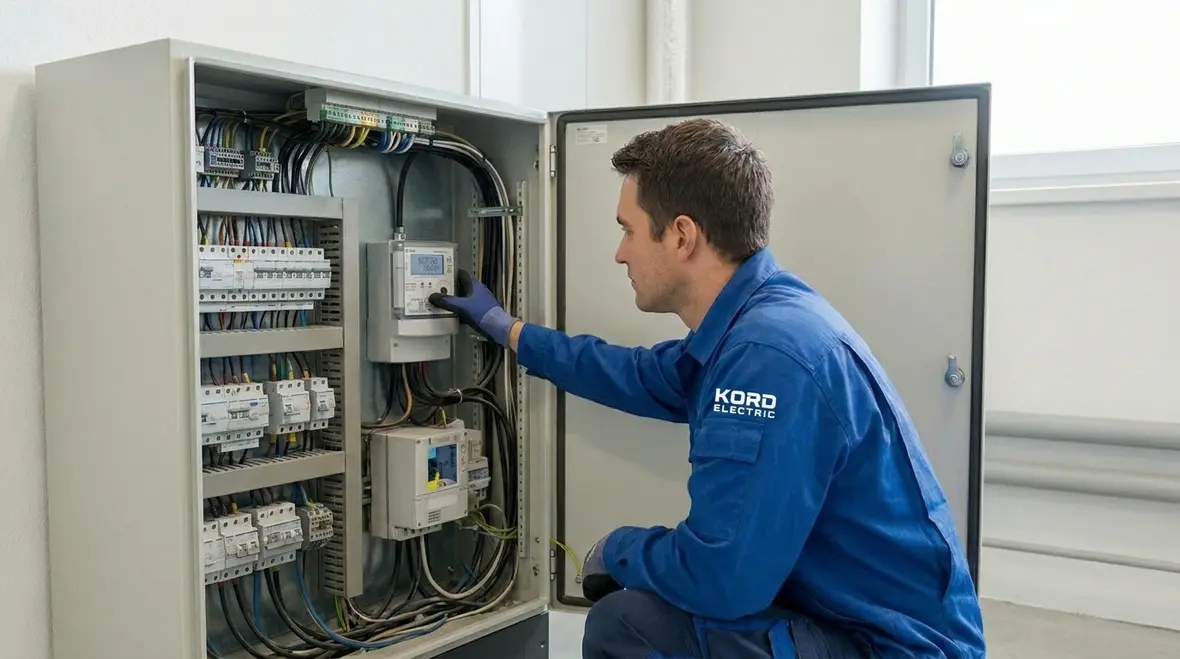
Load imbalance occurs when one phase or branch circuit carries more current than others. As a result, conductors run warmer, connections age faster, and transformers do not operate at their most efficient point. Over time, this creates a cycle: higher temperatures drive higher losses, higher losses drive more heat, and then maintenance becomes more frequent. That is expensive. Also, it can disrupt operations during peak periods.
In major property buildings, the problem grows because occupants and equipment rarely follow a perfect schedule. HVAC cycles, elevators surge, kitchens and laundry equipment spin up, and tenant buildouts introduce new loads. Even when each tenant behaves “normally,” the overall pattern can still skew. Furthermore, when the design does not account for real operating behavior, balance slips long before anyone notices.
At Kord Electric, our team looks beyond the nameplate ratings. We focus on what your site actually does during mornings, afternoons, and after hours. Then we help clients reduce avoidable losses by aligning distribution with reality rather than theory.
Where energy losses show up in power distribution
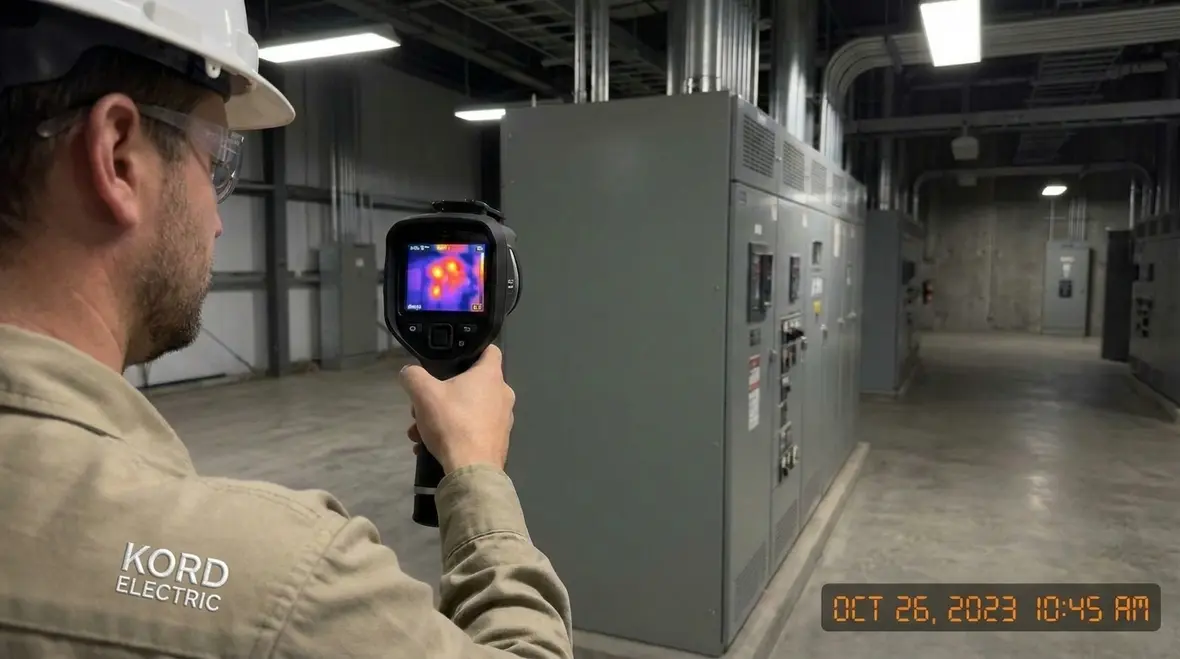
Commercial buildings lose energy in several places. First, resistive losses appear in wiring and busbars. These losses rise as current increases, which means the heavily loaded sections burn off more energy as heat. Second, transformers can suffer from inefficiency when loads shift away from their ideal operating range. Third, poorly balanced systems can increase harmonics stress, especially when modern facilities run variable speed drives and non linear equipment.
Then there is the operational cost side. When equipment operates under strain, cooling needs rise. Additionally, preventive maintenance may expand into emergency repairs, which costs more time, money, and coordination. Even if the facility looks fine on a dashboard, we often find the system telling the truth at the component level.
We also coordinate with facility managers to keep work safe and scheduled. That matters in commercial and industrial settings, where downtime can impact production, tenant satisfaction, and compliance.
Equipment and performance: what load balancing improves first
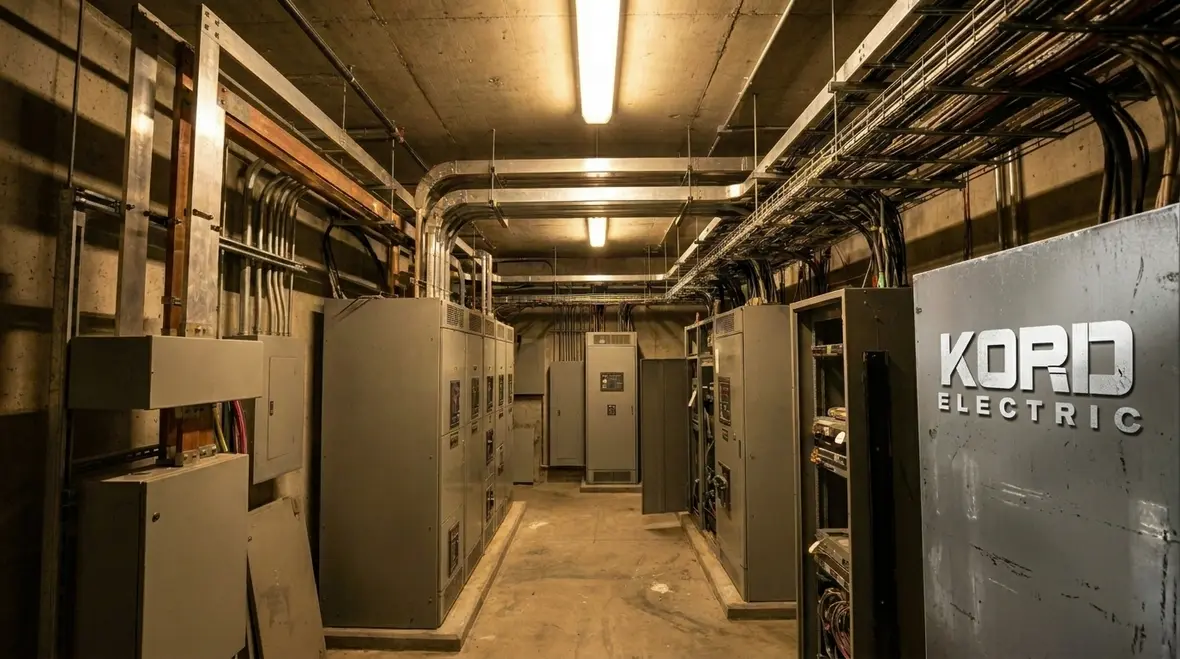
When we balance loads, several performance gains tend to appear early. Voltage stability often improves because phase currents align more closely. As voltage becomes steadier, sensitive equipment runs more reliably. At the same time, breaker trips become less frequent because uneven stress drops.
Next, we see healthier thermal conditions in panels, feeders, and switchgear. Lower temperatures extend insulation life, which reduces the chance of nuisance failures. Likewise, transformer efficiency can improve when loads are distributed more evenly. In many commercial facilities, even small efficiency improvements compound over months due to continuous operation.
Now, some folks assume load balancing only matters for technical teams. But we have learned that owners and building operators care too. When reliability improves, staffing demands ease and fewer shutdowns steal time from business. And when you do this right, it feels less like a science experiment and more like a practical upgrade.
Design and controls: modern building electrical systems we support
In many major property buildings, the electrical system already includes multiple layers of control. That is where our approach fits naturally. We reference the electrical system concepts we outline for commercial electrical systems for modern buildings, including how distribution, protection, and monitoring work together to serve real life demand.

First, we examine the distribution layout. Then we assess how circuits and panels connect to the three phase system. After that, we review protection settings, conductor sizing, and any retrofits from prior projects. Finally, we evaluate monitoring data so we can confirm what the building does in operation, not just on paper.
From there, we recommend actions that often include load redistribution, balancing adjustments, and targeted upgrades where needed. We coordinate these steps so the facility benefits without creating unnecessary disruption. And if a client wants to expand later, we help them plan so the system stays balanced as new tenants and processes arrive.
Our technicians explain the “why” in plain language. They walk operators through what we found, how current moved through the system, and what changes reduce waste. That way, decisions do not rely on guesswork.
Practical steps to achieve commercial load balancing without guesswork
To improve commercial energy efficiency, we start with measurement. We verify actual phase currents, identify which panels or feeders create the imbalance, and map the peak demand patterns. Then we compare those patterns with the existing electrical one line and as built details. If the documentation is incomplete, we help correct that too, because inaccurate records make balancing harder later.
After we understand the baseline, we move into balancing strategy. This can include redistributing loads across phases, adjusting circuit assignments, and planning for growth. Sometimes, a building has the right equipment but the wrong layout for how the site operates today. Other times, the load profile changed because equipment replaced older units with different power characteristics.
Additionally, we check for contributors like oversized or underrated distribution components, unbalanced single phase loads, and harmonic heavy equipment. Then we recommend solutions that reduce waste while improving performance.
One quick note, with a wink: balancing is not about forcing everything to look equal on a spreadsheet. It is about aligning the system so it runs efficiently and predictably. If you have ever tried to split pizza evenly between friends, you know the truth. Real life rarely divides perfectly, but you can get close enough to stop everyone from arguing in the parking lot.
FAQ
Short answers for featured snippets
How quickly can load balancing results show up? Often, you see improvements in thermal behavior and system stability soon after adjustments, and energy savings build as the system runs more efficiently over time.
Does load balancing affect power quality? It can. Better phase balance often supports steadier voltage and can reduce stress that worsens power quality issues.
What does Kord Electric do during an assessment? We measure phase currents, review distribution and protection, analyze operating patterns, and then recommend balancing changes that fit commercial and industrial needs.
Is balancing a one time project? Usually, it is a planned process. After we balance today, we help you keep the system balanced as equipment and occupancy change.
What to expect when Kord Electric plans a balancing upgrade
When we work with property owners and facility teams, we act like partners, not vendors who drop a report and disappear. First, we set clear goals, typically energy efficiency, reliability, and smoother system operation. Then we gather data from the site, using safe methods suited for commercial and industrial environments.
Next, our expert service staff explains findings in a way operators can use. That includes what causes the imbalance, where losses occur, and which changes reduce waste. Then we propose a path forward that considers operational constraints, safety requirements, and scheduling needs.
Finally, we verify outcomes. We do not rely on assumptions. We confirm that balancing adjustments improve system behavior during actual operating conditions.
For facilities across Los Angeles County and the surrounding region, these projects often connect directly with broader reliability work, including structured support for Los Angeles County electrical services that keep major properties operating safely and efficiently.
Ready to improve efficiency and reliability in your facility?
If your commercial or industrial building shows uneven loading, frequent alarms, or higher operating costs, we can help. Kord Electric provides measurement based assessments and practical balancing upgrades designed for major property buildings. Our technicians explain each finding, recommend changes that fit your operation, and verify results after the work is complete. Call us to schedule an evaluation. Let us help your electrical system run with calm, steady performance, instead of acting like it is one coffee away from a meltdown.
As you plan your next project, you can also connect these commercial load balancing benefits with other reliability and safety upgrades, from voltage stabilization to emergency repair readiness, so your facility treats efficiency and uptime as everyday business, not a special event.


