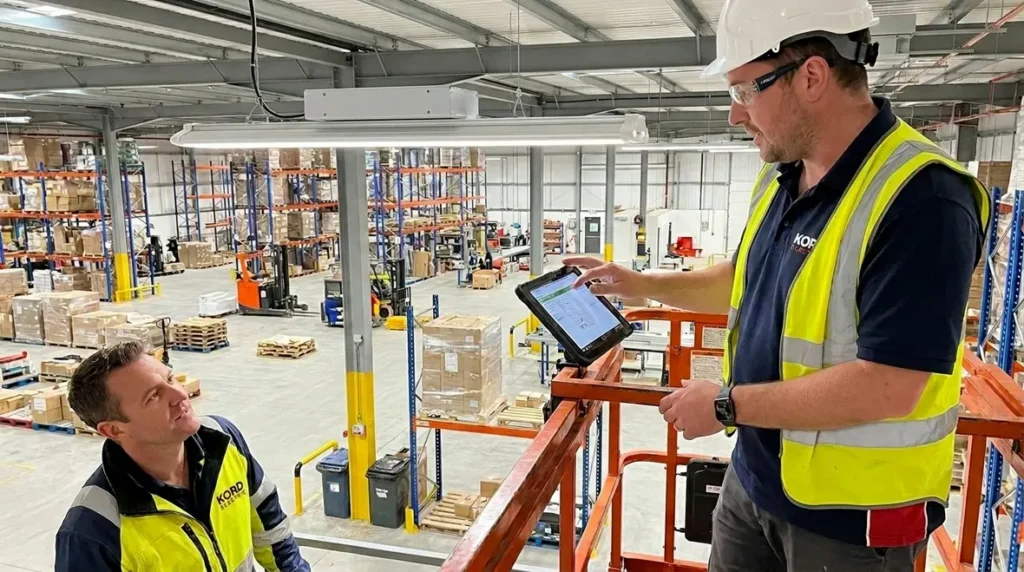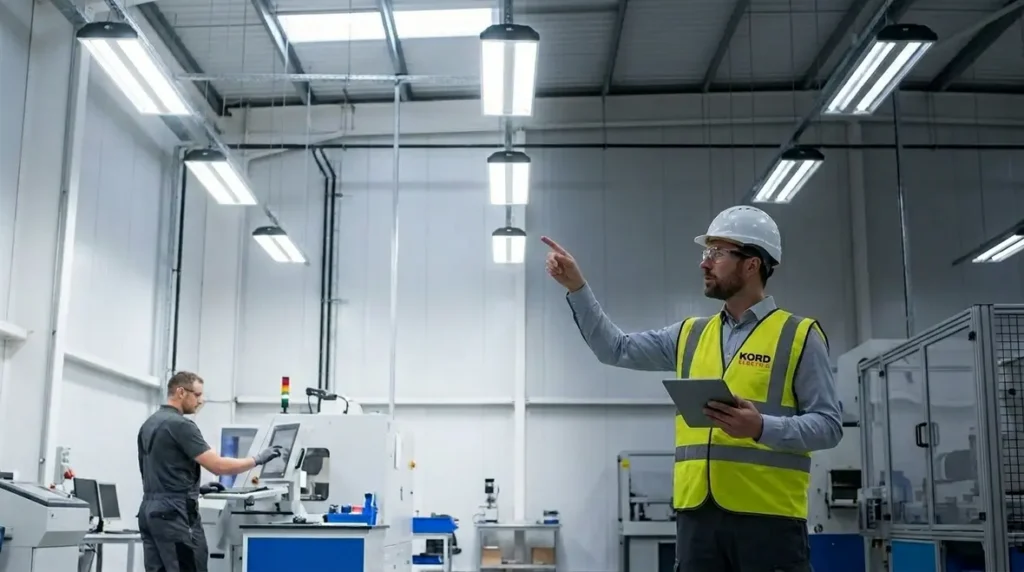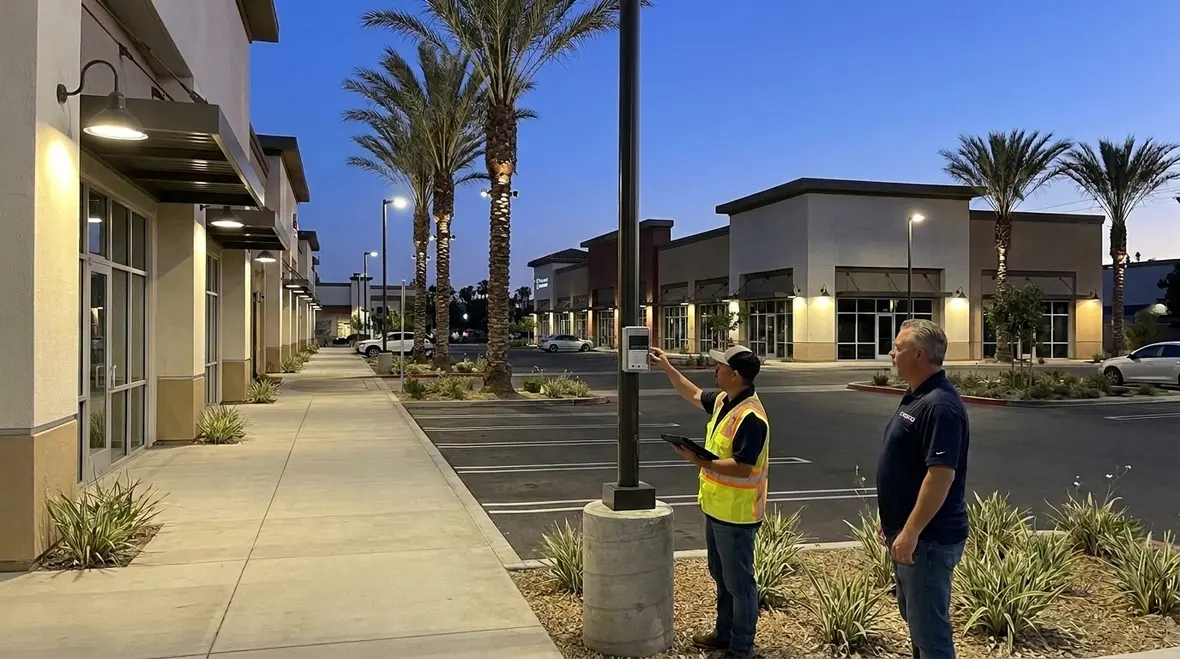
Commercial Outdoor Lighting Code California Guide
Commercial Outdoor Lighting Code Requirements California: What Businesses Must Get Right
In California, commercial outdoor lighting code california can decide whether your facility runs smoothly or spends weeks in paperwork purgatory. We see it all the time. A property owner wants to “just add a few lights,” and suddenly they are dealing with glare complaints, wiring concerns, and compliance questions that feel like a never ending season of a sitcom where nobody learns their lesson. Here is the good news. When we install lighting the right way, we help reduce risk, protect people, and keep your site looking professional.
This article explains the key rules that apply to commercial and industrial facilities and major property buildings. We also make sure our technicians and expert service team explain things in plain language, so you understand what gets installed, why it gets installed, and how it stays compliant.

Why Code Compliance Matters for Commercial and Industrial Sites
Most owners think outdoor lighting is only about visibility. However, the real goal goes beyond “can we see at night.” These rules protect pedestrians, drivers, tenants, and workers. They also support safe access routes for emergency response. And yes, they help prevent situations where a neighbor calls and complains because the parking lot looks like a stadium during halftime.
When we plan commercial lighting for major properties, we start by mapping how people actually move through the site. Then we match light levels, mounting heights, and aiming angles to those paths. This reduces shadows at walkways and helps security cameras see clearly. Even better, proper design often lowers energy use because it avoids overlighting where it does not help.
Our technicians review how lighting interacts with surrounding areas. Therefore, we reduce glare that can affect nearby streets or adjacent businesses. We also consider whether your facility has loading docks, outdoor work zones, or bike and pedestrian circulation that needs clearer illumination.
For a deeper dive into how lighting and code expectations come together across property types, many teams also reference Kord Electric’s broader guidance in resources like their California Title 24 lighting compliance and general lighting installation code compliance guides, which reinforce the same focus on safe, well-documented systems for commercial and industrial facilities.

How We Interpret Site Lighting Rules: Zones, Brightness, and Glare
To meet California requirements, we treat outdoor lighting as a system. First, we break the site into functional zones. Then we decide the right level of brightness for each zone. After that, we control direction and spill. That is where glare becomes the problem for many properties. If a fixture aims too high or lacks proper shielding, light can escape where it should not. When light spills into windows or hits street traffic, it can trigger complaints and enforcement attention.
Our expert service staff helps clients understand this simply. They do not overwhelm you with technical jargon. Instead, they explain how cutoffs and shielding work, and how fixture placement can keep light on the ground where you need it.
For commercial and industrial facilities, we also consider working hours and occupancy patterns. A retail building that stays open late has different needs than a warehouse that mostly runs in the early morning. Likewise, an office campus may have more emphasis on pedestrian comfort and wayfinding, while a manufacturing site focuses on safe access to equipment and controlled work areas.
This system mindset lines up with the way Kord Electric approaches broader lighting projects in their commercial lighting installation Los Angeles work, where every zone, circuit, and control strategy is mapped to how the building really operates, not just how it looks on a drawing.
Fixture Selection: What Typically Passes for Professional Outdoor Installations
When teams choose fixtures at random, they usually get random results. That is why we select equipment based on performance, mounting options, and distribution patterns. We commonly use lighting styles with directional control and proper shielding for parking areas, building perimeters, and paths. This supports better compliance and helps protect dark sky goals around major properties.
In practice, our technicians look at three things. We check distribution, which tells us how light spreads. We verify aiming and mounting height, because those two decisions control where glare goes. And we confirm electrical safety and weather ratings, so the fixture performs reliably in real conditions like coastal fog, dust, and heat.
Also, we plan for maintenance. Commercial sites do not get “one perfect month.” They live through seasonal grime, insect activity, and weather cycles. So, we recommend fixtures and housings that hold up and allow safe upkeep.

Wiring, Controls, and Safety Requirements That Protect Your Facility
Even the best fixtures fail if the electrical design does not meet safety expectations. Therefore, we coordinate with your site requirements and electrical standards for installation quality. We plan circuits to avoid nuisance tripping, we size components correctly, and we ensure proper grounding and protection for outdoor exposure.
Then we layer in controls. Many commercial facilities benefit from timers, photocells, or smart scheduling. This helps keep lighting on when it matters and off when it does not. In addition, step dimming or zoning can reduce light output without sacrificing visibility for walkways and critical access routes.
Our technicians explain the controls so your building team can operate them confidently. In plain terms, they show what settings do what, how to adjust schedules, and how to keep site lighting consistent across seasons. Because nobody wants to play electrician magician at midnight, like “Let us just flip this switch and see what happens.”
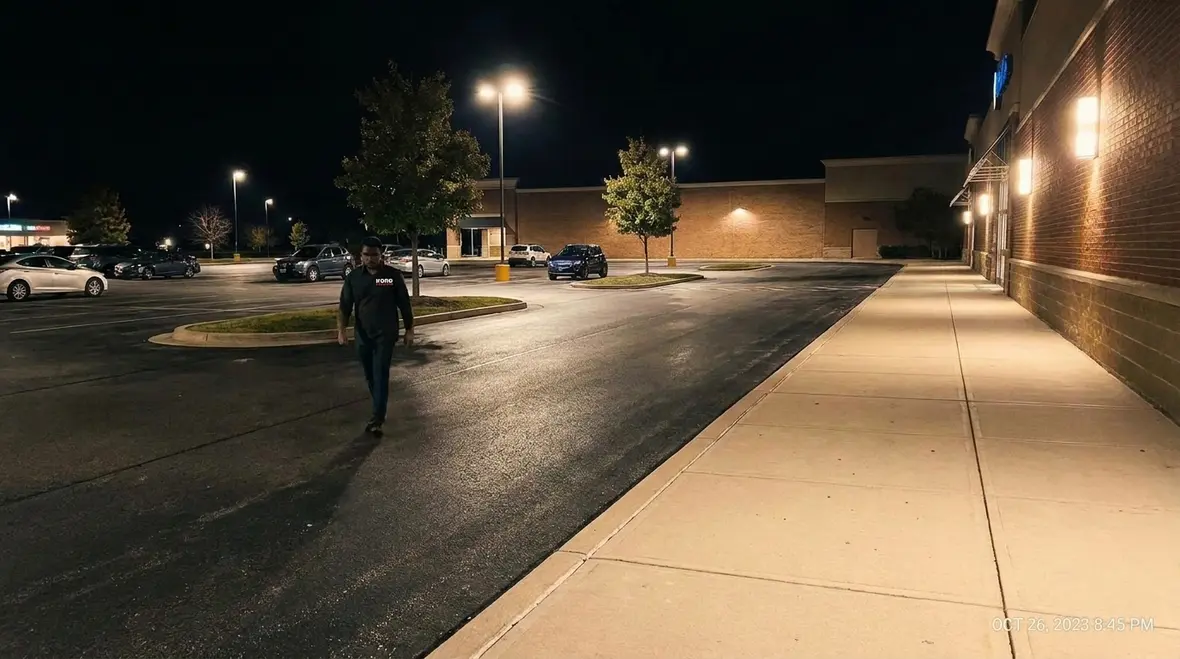
Parking Lots, Walkways, and Building Perimeters: Meeting Expectations on Real Properties
Parking areas and perimeter lighting often create the most issues because they sit at the intersection of safety and neighbor concerns. For commercial and industrial properties, we aim for reliable coverage at vehicle paths and pedestrian routes. At the same time, we manage spill that can affect adjacent lots, building windows, or nearby public areas.
Walkways and entrances deserve special care. A business can look great in daylight, but at night, poor placement turns into tripping hazards and weak visibility. We use thoughtful spacing and correct aiming so people can see where they step and where they are going. Also, we coordinate lighting near doors, ramps, and accessible routes to support safe egress.
If your facility includes loading docks or exterior work zones, we design for work visibility. That means reducing harsh shadows and maintaining stable illumination so workers can move and inspect safely. When we do this right, your site feels calmer, not chaotic, like a busy kitchen that runs smoothly instead of one where every drawer is stuck and everyone is yelling “where is the tool” at once.
These same principles appear in Kord Electric’s commercial landscape lighting safety guidance, where placement, wiring, and protection are all tuned to keep outdoor environments both visually appealing and low risk for the people who use them every day.
Our Installation Approach in Los Angeles: Planning First, Then Lighting
For major properties in Los Angeles, our process focuses on planning and coordination before we touch hardware. In many cases, our work starts with a site review and lighting layout plan so the result matches how the property operates day to day. We then handle installation with a focus on clean workmanship and safe wiring practices.
As described in our commercial lighting installation work, we emphasize proper placement, correct equipment selection, and a finish that looks consistent across the campus or facility. That same approach supports code compliance goals because it controls glare and spill while improving sightlines for people and vehicles. Facility teams who want additional detail often review the dedicated commercial lighting installation Los Angeles guide alongside this outdoor-focused planning.
Next, our technicians test key functions and confirm that the aiming and control settings match the design. After installation, our expert service staff walks through operation and maintenance basics. This matters for business owners because you want lights that stay reliable, not lights that need constant troubleshooting.
Because outdoor lighting rarely exists in isolation, many facilities also coordinate exterior upgrades with broader Los Angeles County commercial and industrial electrical services to keep distribution, panels, and controls aligned with present and future site demands.
FAQ: Commercial Outdoor Lighting Code Requirements in California
When property managers start planning upgrades under commercial outdoor lighting code california expectations, they tend to ask the same practical questions. Below are some of the most common topics we walk through during site visits and design reviews.
Final Thoughts From Kord Electric: Let Us Handle the Compliance and the Craft
Compliance should not feel like a mystery novel with no ending. When we design and install outdoor lighting for commercial and industrial facilities and major property buildings, we plan for safe visibility, controlled glare, and solid electrical execution. Our technicians and expert service staff explain the details clearly, and we help you move forward with confidence. If you want a cleaner, safer site lighting system that fits California expectations, reach out to Kord Electric and let us take it from concept to completion.
If your property is ready for more than a quick patch, our dedicated lighting installation services are built specifically for commercial and industrial environments that demand professional-grade design, installation, and commissioning.