
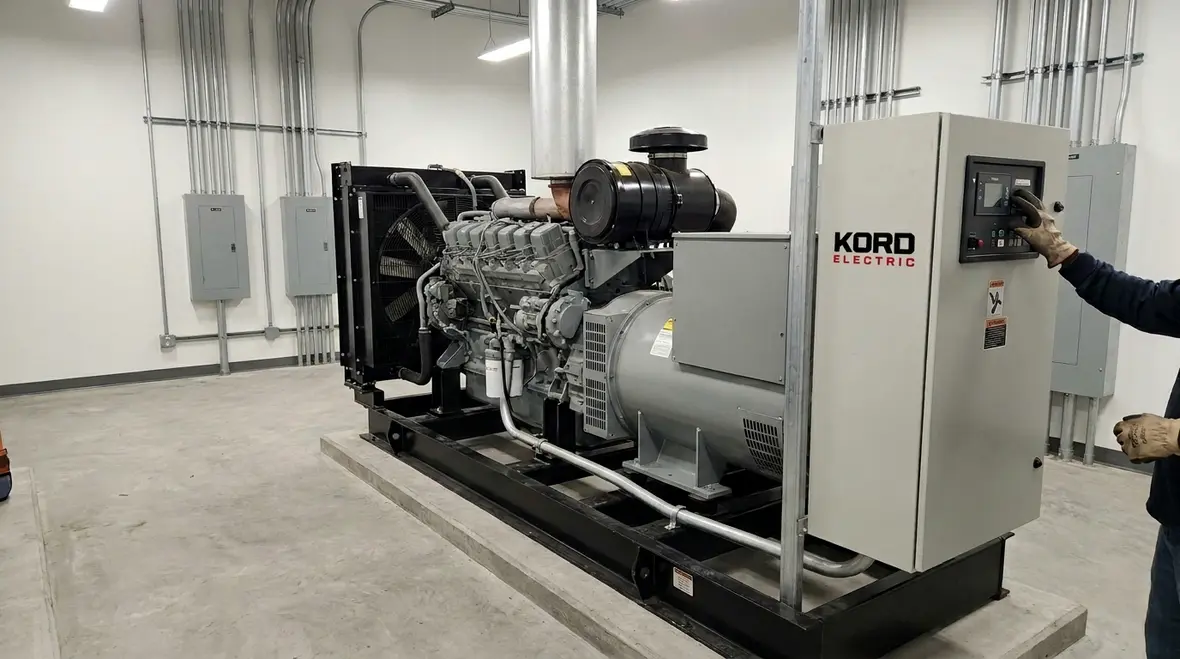
Commercial Power Backup Systems for Business Continuity
At Kord Electric, we design and support commercial power backup systems that keep your operations running when the grid stumbles. We install reliable solutions for commercial and industrial facilities and major property buildings, because downtime does not politely ask for permission. It shows up like a villain in a Netflix season finale, except the villain has a budget and invoices. Our approach combines dependable backup power, clear planning, and expert service staff who explain every step in plain language. And yes, our technicians can talk about transfer logic without putting you to sleep.
Build business continuity with backup power that actually performs
When a power outage hits, the question is not whether electricity returns. The question is how fast your site stays functional in the meantime. Others may focus on “having a generator.” We focus on whether the commercial power backup systems match your load behavior, start sequence, and real-world startup timing.
Our expert service staff begins with a continuity plan, not just an equipment list. First, we map critical loads: life safety equipment, refrigeration or process loads, data and network gear, sump systems, elevators, and any critical controls. Then we confirm startup currents and operating states. A building that looks quiet on paper can still demand a surge that trips protection when the lights are already on.
Next, we shape the backup strategy so it does not fight your systems. We coordinate controls and transfer methods so your site transitions smoothly. As a result, teams experience fewer unexpected shutdowns, and equipment wears less from repeated unstable cycling.
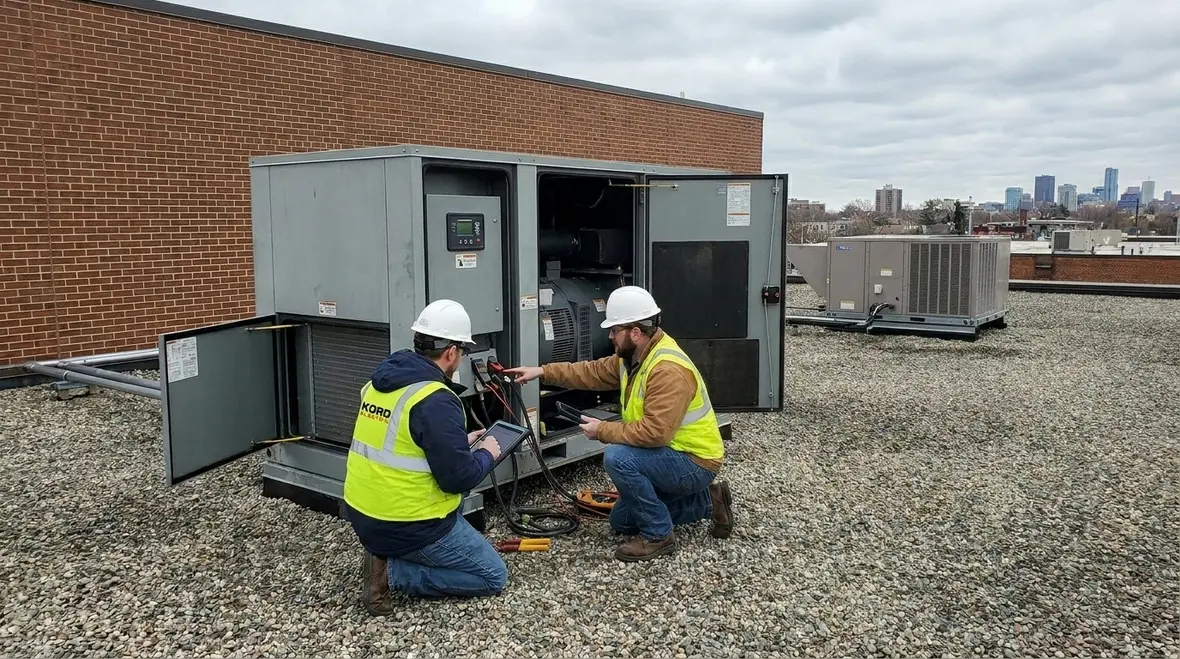
For commercial properties that have already dealt with surprise outages or voltage swings, pairing backup design with a broader reliability strategy makes a measurable difference. For example, reviewing how your standby systems interact with everyday distribution and protection helps prevent the kind of Emergency Power Failures that turn a normal workday into a flashlight scavenger hunt. Facilities that want a deeper dive into those failure patterns can explore how emergency power failures in commercial buildings reveal weak spots that better planning, testing, and commercial power backup systems can correct over time.
How our technicians translate outage risk into a practical plan
Many vendors hand over a binder and walk away. We do not. Our technicians and expert service staff take a calmer, clearer route: they explain the “why” behind every recommendation and help others see risk points before they become trouble.
During planning, we look at more than utility reliability. We consider:
- Seasonal load changes and peak operating times
- Critical process timelines and downtime tolerance
- Existing electrical architecture and available switching points
- Fuel storage, delivery strategy, and expected runtime needs
- Maintenance windows and staffing reality
Then we build the plan around how people work. For example, facility teams often want a backup system that helps them follow procedure under stress. Therefore, our documentation and training focus on what operators need to do, in what order, with what outcomes expected.
And if someone says, “We will figure it out later,” our team replies, gently, that later is when the lights are already out. That is not a theory. That is a Tuesday for some sites.
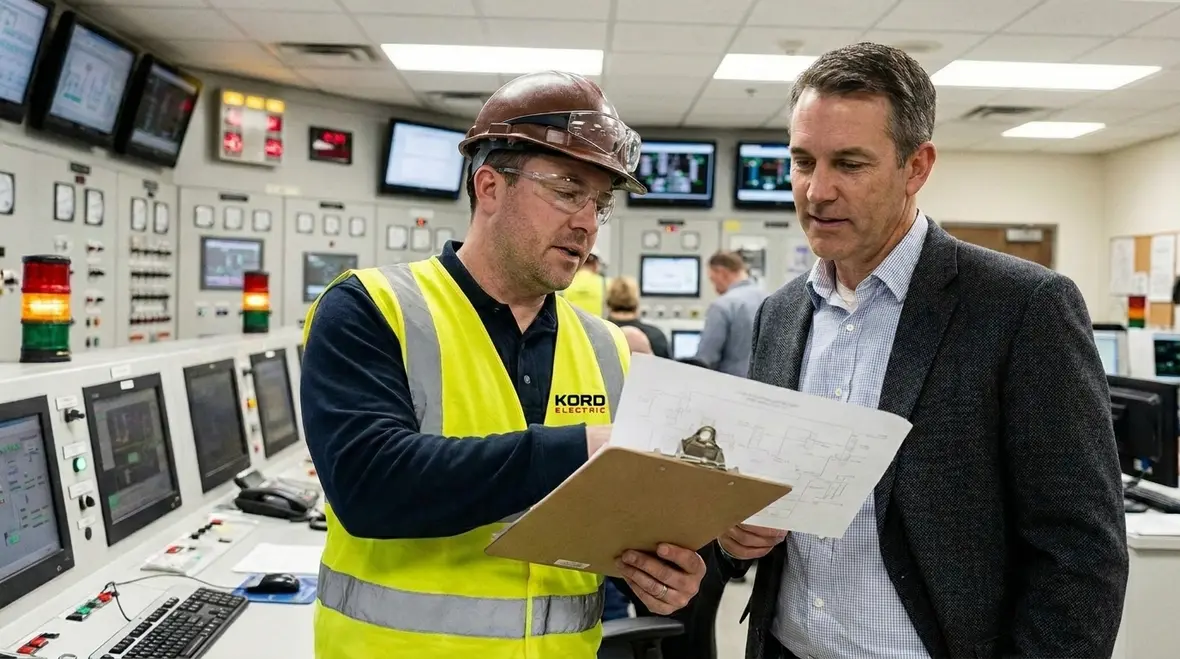
That practical planning mindset also shows up in our broader electrical reliability work. Whether we are mapping data center electrical distribution design for reliability or helping a coastal property manage corrosion and environmental stress, the goal stays the same: a power strategy that holds up when real life, real weather, and real operating pressures show up at the same time.
Commercial vs. industrial loads: we size backup for real startup behavior
To keep continuity, backup power must carry the load you actually operate, not the load you hope you operate. In commercial and industrial facilities, load profiles can swing from steady to sudden. One moment you run pumps and lighting. The next moment a process restarts, conveyors engage, or motor-driven equipment ramps up.
We help others avoid common sizing mistakes by validating:
- Motor starting currents and acceleration characteristics
- Inrush impacts on voltage and frequency stability
- Protective device coordination to prevent nuisance trips
- Load shedding needs for non critical branches
- Simultaneous demand across panels and equipment
After we confirm these factors, we align the commercial power backup systems configuration to your site’s behavior. That means stable output when it matters, and a smoother transition that keeps sensitive equipment calmer.
Think of it like a quiet drummer in a busy band. If the drummer rushes the timing, the whole song stumbles. In the same way, if backup power reaches full capability too late or in the wrong order, your site feels the chaos.
In data-heavy environments and high-density buildings, those timing details become even more important. Generator startup and transfer behavior must match what your control systems, elevators, and process equipment can handle. Our experience with data center electrical requirements for uptime and commercial electrical systems for modern buildings helps us tune commercial power backup systems so they support those environments instead of tripping them into unplanned resets.
Switching and controls that reduce downtime during transfer
Transfer is the moment continuity either holds or breaks. We treat switching and controls as a core part of the design, not an afterthought. The transfer process must align with your electrical system and your critical loads.
Our technicians examine how your panels are arranged, what control signals exist, and where timing matters. Then we configure logic so the site transitions cleanly. In practice, that often includes monitoring voltage stability, detecting outage conditions quickly, and coordinating the sequence of startup so loads come online when the system is ready.
We also help others set operational expectations. Facilities want to know what happens during transfer, what alarms mean, and what actions reduce risk. Therefore, training includes not just “press this button,” but what to look for after the transfer completes.
And because we are professional, not magic, we remind others that a reliable commercial power backup system still needs routine attention. A controller can only perform as well as the maintenance behind it.
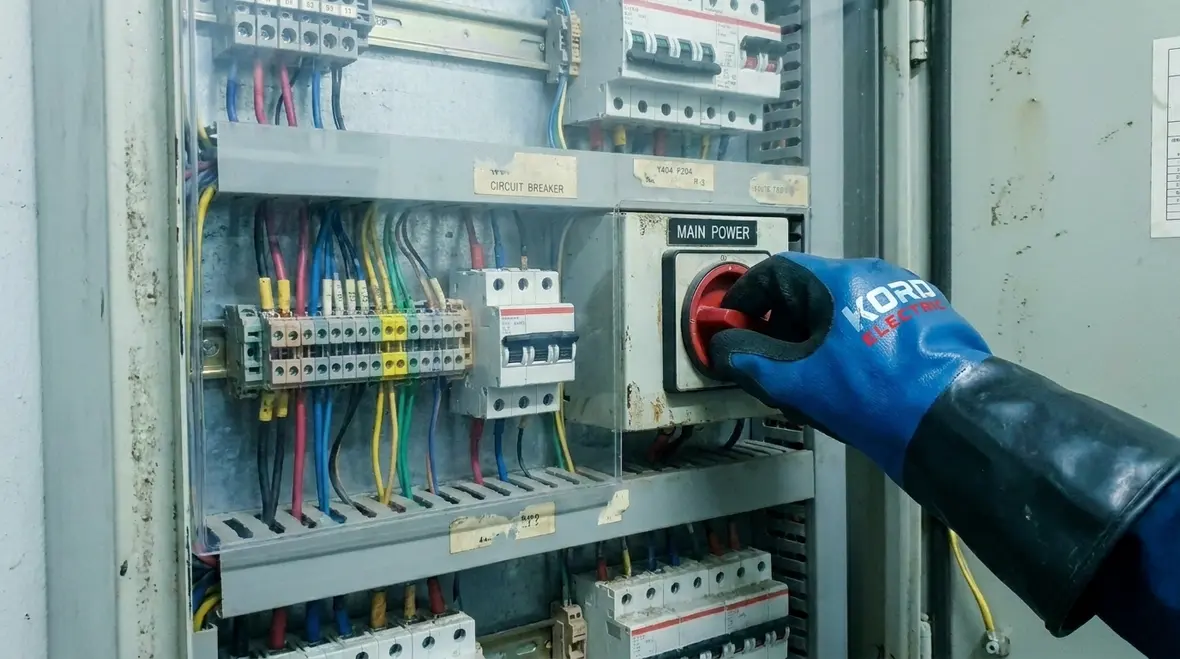
For many properties, those transfer controls also sit inside a larger compliance picture. NFPA 70 and related standards treat emergency and backup power systems as part of a life safety strategy, not just convenience. When we design or upgrade commercial power backup systems, we pay attention to those code requirements so that your continuity plan supports both safety and uptime instead of forcing you to choose between them.
Maintenance and testing that keep the system ready under pressure
A backup plan is only as strong as the readiness behind it. At Kord Electric, we support commercial and industrial facilities and major property buildings with ongoing maintenance strategies and practical testing. We build schedules that match your operating calendar, so you do not lose more time than necessary.
Testing does not mean “run it once and call it done.” We plan tests that reveal issues early, such as:
- Battery performance and charger health
- Fuel quality and supply consistency
- Exercising results that match expected operating modes
- Transfer timing and controller function verification
- Load bank or staged load testing where needed
In addition, our expert service staff explains results in business terms. Instead of vague statements, we highlight what changed, why it matters, and what the next step is. That way, facility leaders can plan budgets with less guesswork.
If you want a pop culture analogy, consider it like regular practice before a big game. Sure, some people show up to the arena and “feel it out.” Others, the ones who win, prepare. We help others prepare.
When that preparation extends beyond the generator room into your broader electrical infrastructure, the payoff multiplies. Structured electrical preventive maintenance gives you a single, organized program for inspecting distribution equipment, testing emergency lighting, verifying generator and ATS performance, and documenting results. For many commercial and industrial facilities, tying commercial power backup systems into that kind of preventive maintenance plan is how readiness shifts from “we hope it works” to “we know what it can do under pressure.”

Common continuity gaps we help others prevent
Many outage failures happen before the generator even starts. Others discover that the system exists, but continuity still collapses due to planning gaps, operational confusion, or mismatched equipment expectations.
Here are the most common continuity gaps we help fix for commercial and industrial facilities and major property buildings:
- Insufficient load analysis leading to undersized backup capacity
- Lack of defined critical and non critical load priorities
- Unclear transfer procedures for operators during real events
- Missing maintenance routines that allow components to drift out of spec
- Fuel planning that ignores runtime and delivery realities
We also help others address documentation and training gaps. When the site team understands how the commercial power backup systems behave, they respond faster and more confidently. And yes, speed matters. During an outage, minutes stretch like an overlong commercial break.
In real buildings, those gaps can look like mislabeled panels, outdated one-lines, or procedures that live in someone’s head instead of in a playbook. Our work with electrical panel labeling best practices and commercial electrical systems for modern buildings shows the same theme again and again: clarity reduces chaos. When labels, diagrams, and backup strategies align, teams spend less time guessing and more time keeping the lights on.
On site readiness and training for facility teams
Business continuity is a team sport. While Kord Electric brings technical expertise, the building staff must know what to do when conditions change. Our service approach supports training that fits the way commercial sites operate.
We help others establish a clear playbook, including responsibilities, notification steps, and key observations during transfer and recovery. We also help coordinate with existing facility procedures so the backup event does not conflict with safety policies.
Finally, we encourage a mindset of continuous improvement. After a test or event, we review what worked and what needs adjustment. As a result, the next test is more efficient, and the next outage response becomes smoother. That is how continuity stops being a document and starts being a capability.
For some facilities, that capability also includes specialty environments like data centers and commercial kitchens, where electrical interruptions cascade fast. Training operators to recognize early warning signs, escalate issues, and coordinate with our expert service staff turns commercial power backup systems into one part of a broader resilience culture instead of a standalone box in a mechanical room.
FAQ
What happens after installation
During commissioning
- We verify transfer logic and system response
- We confirm readiness for critical load behavior
- We align alarms and operator guidance
After handoff
- We support maintenance planning and testing
- We review performance results and trends
- We keep documentation clear and usable
In many cases, that “after handoff” phase is where the real value of commercial power backup systems shows up. Commissioning proves that the system works; ongoing partnership keeps it working. By connecting your backup equipment to an organized electrical preventive maintenance program, you get regular health checks, documented findings, and a feedback loop that improves performance over time instead of letting components quietly drift toward failure.
Choose continuity you can trust
If your commercial or industrial facility, or major property building, depends on steady power, we can help you build a continuity plan that holds up in real outages. At Kord Electric, our technicians and expert service staff design backup strategies around your loads, configure transfer logic for stable performance, and support testing so readiness stays strong. Contact us today for an assessment and a clear path to dependable commercial power backup systems. Do not wait for the grid to test your patience. We will.
If you are ready to connect your commercial power backup systems with an ongoing reliability strategy, our electrical preventive maintenance services give you a structured path forward. From generator and ATS inspections to thermal imaging and distribution checks, we help commercial and industrial facilities keep their electrical backbone ready for whatever the calendar or the utility sends next.
Commercial power backup systems are ultimately about confidence. When the grid stumbles, you want your building to respond calmly: switches transfer, generators start, loads stay online, and your team follows a plan they already know. Our role is to help you reach that point with straightforward assessments, clear recommendations, and service plans that respect your schedules and your budget.
To explore how a tailored maintenance and backup strategy could support your facility, visit our Electrical Preventive Maintenance service page and see how planned inspections, testing, and documentation can reinforce the same continuity your commercial power backup systems are built to deliver.


