Warehouse Lighting Layout Design for Safety
At Kord Electric, we build a warehouse lighting layout design that supports how people and materials actually move. We look at aisle width, dock placement, pallet flow, and safety paths, then we plan where light should land before we switch anything on. As a result, the warehouse stops feeling like a cave and starts operating like a system. And yes, we have seen what happens when lighting is treated like an afterthought. It turns work into a scavenger hunt, and nobody clocks in for that. Others chase “brighter bulbs,” but we focus on balance, control, and maintenance so the facility stays reliable.
What problems does poor warehouse lighting create?
Third person teams often describe the impact in plain terms: more mistakes, more delays, and more near misses. However, the details matter, because lighting issues rarely show up as one big failure. Instead, they show up as small friction that stacks up over weeks.
For example, we see:
- Shadows near rack rows that hide labels, barcodes, and floor markings, which slows picking and creates rework.
- Glare around docks where vehicles and loading systems move, which distracts operators.
- Dead zones by stairs and exits where people hesitate, especially at shift change.
- Uneven color and aging fixtures that make inspection and quality checks harder.
And then comes the hidden cost. When workers struggle to see, they take longer routes, handle items less carefully, and report more issues. Transitioning from “we just need light” to “we need usable light” changes the whole plan. That is where our technical staff guides decisions with real measurements, not guesswork.
How do we plan a layout that supports movement and safety?
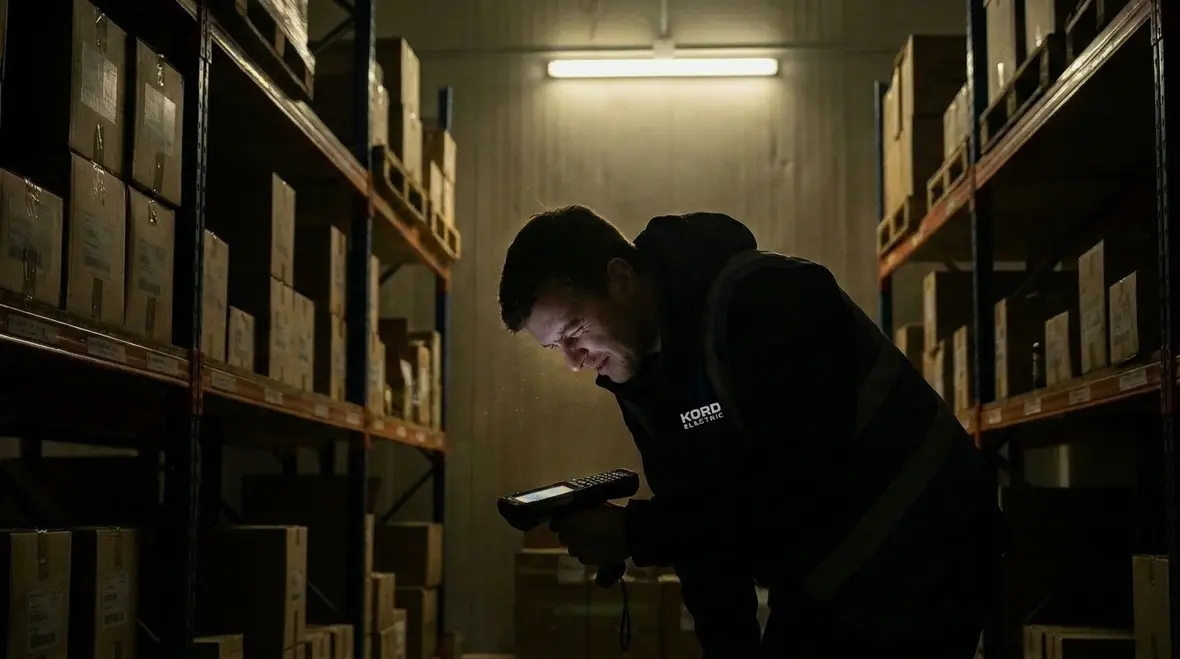
When we design a lighting solution for commercial and industrial facilities, we start by mapping flow. Then we place fixtures so the light follows the job. In practice, that means aligning illumination with receiving zones, staging areas, pick paths, and maintenance walkways.
Our technicians explain it like this during site walks: you do not light a warehouse like a parking lot. You light a warehouse like a workflow. Therefore, we consider:
- Task visibility for reading labels, scanning codes, and inspecting packaging
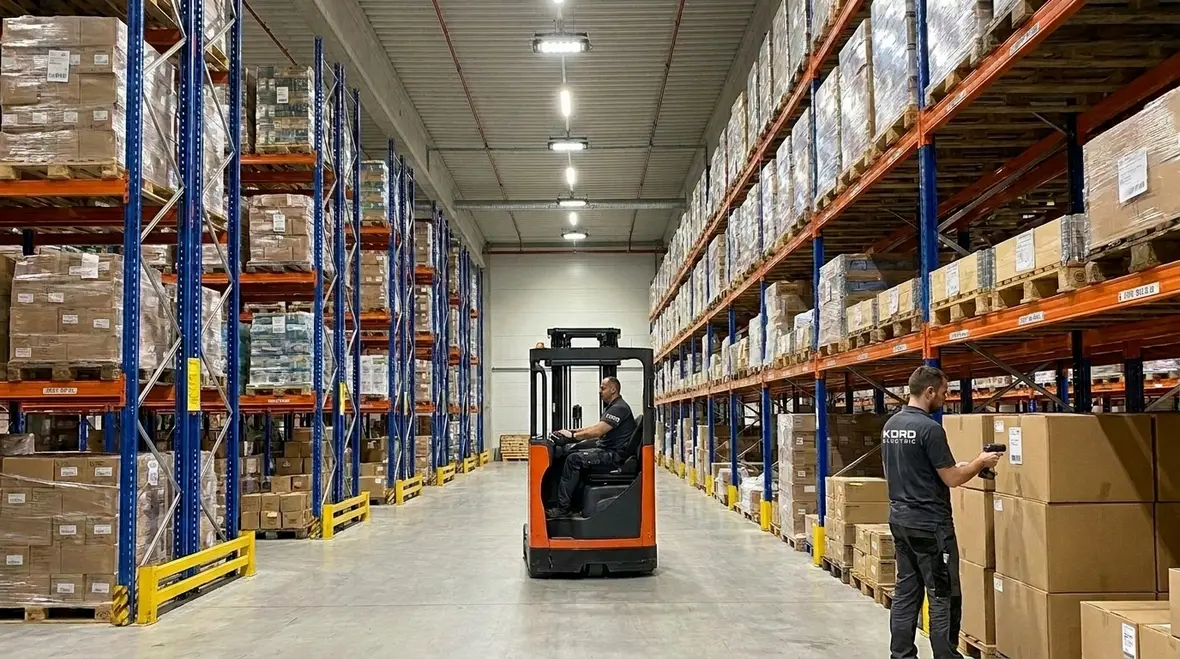
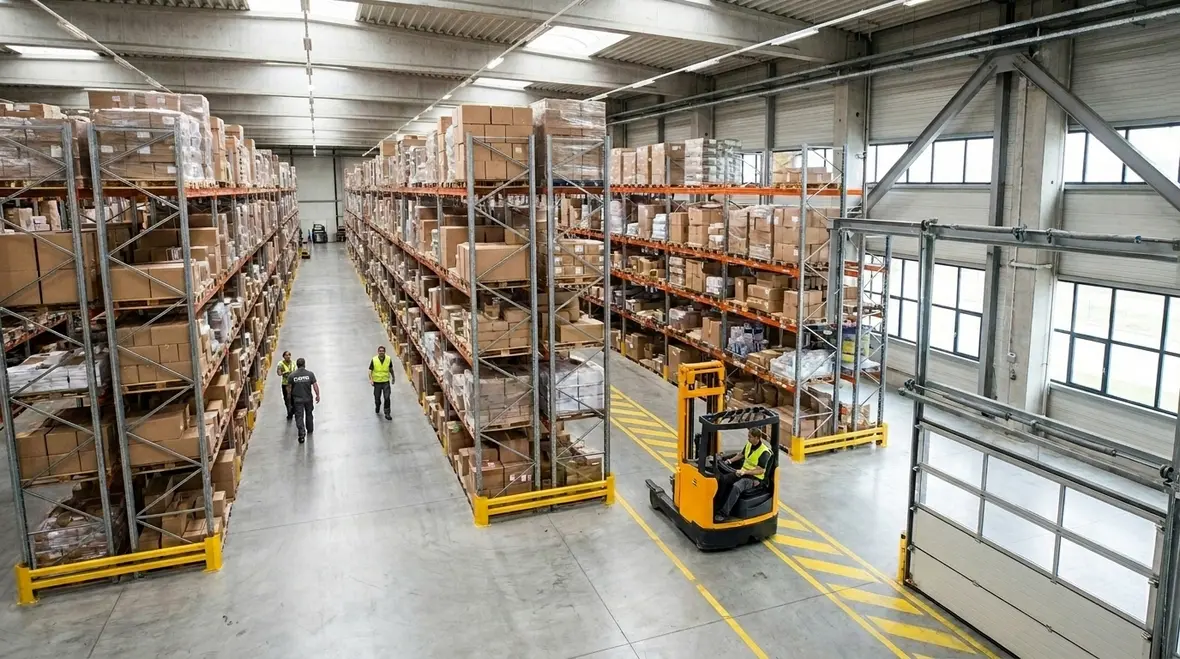
- Aisle performance so forklifts and walkers share clear sight lines
- Edge control near racks and dock doors to reduce harsh contrast
- Emergency alignment for egress routes, so the facility stays compliant and calm
Next, we choose mounting heights and beam angles that match ceiling structure and storage density. As storage levels rise, the light must stay consistent at the working plane. Otherwise, the higher you rack, the dimmer it feels to the people doing the picking. Nobody wants to “climb toward visibility.”
Why controls matter: from on off to smart energy use
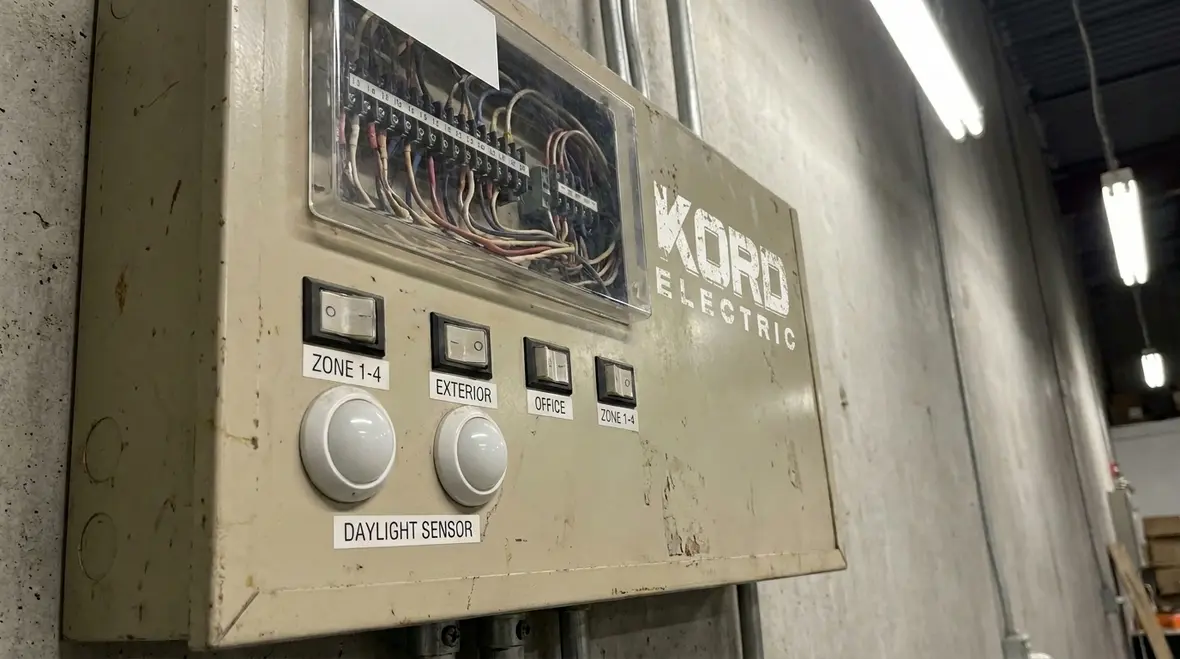
Lighting design does not end at fixture selection. After all, a strong plan needs control logic that fits how warehouses actually run. Some spaces stay busy all day. Others breathe between receiving waves. So, we add controls that avoid waste while keeping visibility stable.
In many facilities, we recommend a combination of:
- Occupancy and time scheduling for offices, storage rooms, and low use corridors
- Daylight sensing where skylights or high windows exist
- Zone control so lighting stays bright where work happens, not everywhere
- Gradual dimming strategies to avoid sudden changes that disrupt operators
This approach keeps the facility bright during active periods and reduces energy when work pauses. More importantly, it supports stable conditions for scanning and quality checks. Transitioning away from full time lighting cuts cost, but we still protect safety and task clarity.
Our team also helps others understand how controls affect maintenance planning. When a system runs smarter, faults show up faster. That means fewer surprises and a smoother day shift.
How preventive maintenance protects your lighting performance
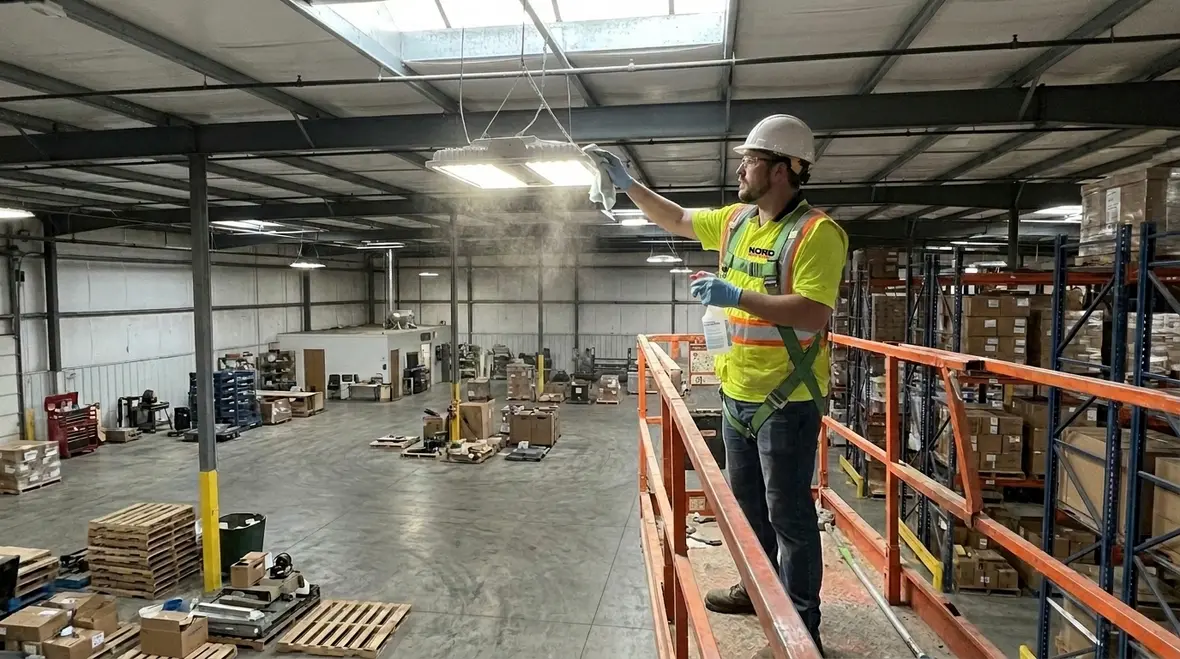
Even the best lighting layout design fails when maintenance gets delayed. Fixtures age, drivers drift, lenses collect dust, and reflectors lose their ability to bounce light. Therefore, we help commercial and industrial facilities keep performance steady through planned preventive work.
We reference our electrical preventive maintenance approach because it aligns with how facilities should run. Our service staff supports scheduled checks, documented findings, and action steps that keep systems safe and reliable. In other words, we do not wait for “flicker day” to show up uninvited.
From a practical standpoint, preventive maintenance for lighting in warehouses often includes:
- Inspection of fixture condition including seals, mounts, and environmental exposure
- Cleaning and lens checks to restore light output where dust builds up
- Driver and connection verification to reduce unexpected outages
- Review of controls to confirm sensors and schedules still match operations
- Performance checks to catch shifts in output before they impact tasks
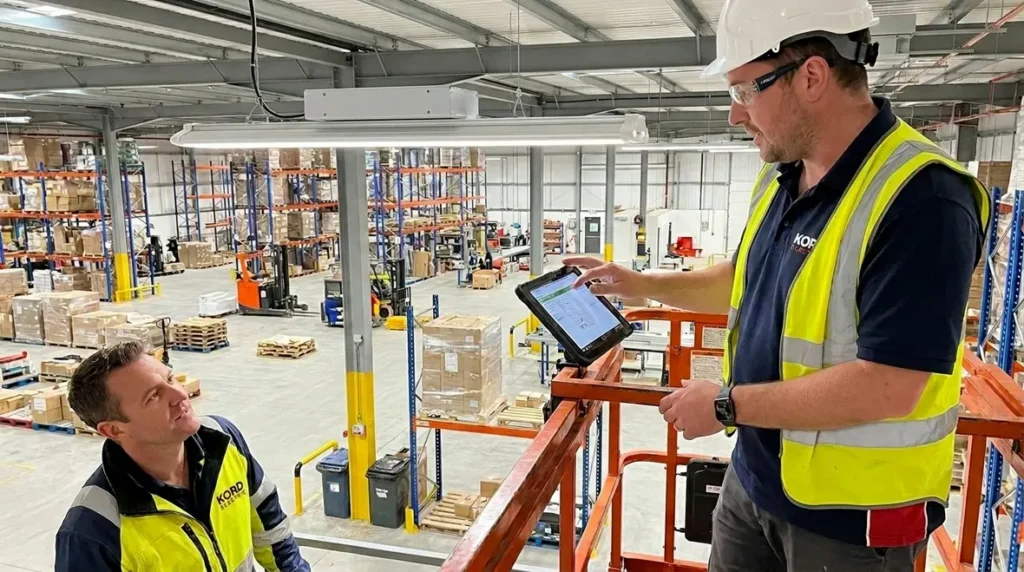
When we explain the process, our technicians keep it simple. They show what they see, they connect it to the real workflow, and they outline what happens next. That is calming. Also, it helps teams stop treating maintenance like a fire drill. And if you have ever tried to run a warehouse with half the aisles in shadow, you know why we take this seriously.
What lighting standards and safety requirements do warehouses need?
Warehouses do not operate in a vacuum. Safety and compliance matter, and lighting plays a big role in it. We work with the realities of commercial and industrial facilities, including egress needs, risk areas, and operational zones where visibility impacts safe movement.
For most warehouses, the goal is consistent illumination where people work, where materials move, and where exits require clear guidance. We also account for how the environment changes over time, like new rack layouts, updated product lines, or altered dock routines.
So, we coordinate lighting plans with safety and operations teams, and we keep documentation organized. In addition, we build solutions that fit future adjustments, so a new product cycle does not mean a full lighting rebuild. That keeps the warehouse from turning into a seasonal renovation project.
When our service staff walks others through the plan, they focus on outcomes first: safer movement, better task visibility, and fewer maintenance surprises.
How we measure results after installation
A lighting project should not end when the last fixture turns on. We measure performance so the warehouse lighting layout design does what it promised. We also compare results against the intended tasks, because “it looks bright” is not a business metric.
After installation, we often support facilities with checks that include:
- Light level verification at key working planes across aisles and zones
- Uniformity checks to reduce hotspots and dark corners
- Glare observation near docks and high glare surfaces
- Controls verification to confirm schedules and sensor behavior
- Operator feedback from picking, staging, and maintenance teams
Then we help teams connect those findings to daily operations. For example, if a scanning zone improves, we expect faster processing and fewer misreads. If egress lighting stays clear, we expect smoother shift changes. In other words, the lighting plan becomes part of the operational baseline.
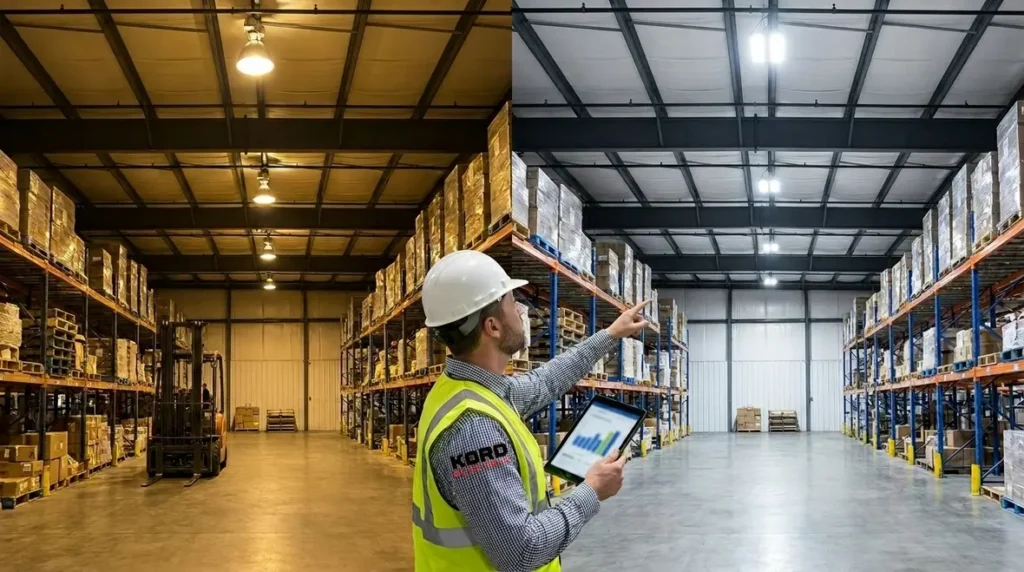
And yes, we still appreciate a good “before and after” photo. But we care more about what the numbers and the work tell us.
FAQ
Ready to upgrade warehouse lighting with a plan that lasts?
If your aisles feel dim, your docks glare, or your team keeps reporting “we can’t see,” it is time to act. We at Kord Electric design lighting for commercial and industrial facilities, then support it with preventive maintenance so performance stays steady. Contact us to schedule a site visit, and we will map your workflow, propose a warehouse lighting layout design that fits, and explain the next steps in plain language. Let us turn your warehouse from stressful to steady, one aisle at a time.
If you are also reviewing broader electrical reliability, you can pair lighting upgrades with our structured Electrical Preventive Maintenance services to keep panels, distribution equipment, and controls aligned with your lighting plan.
For facilities wrestling with flicker, nuisance trips, or unstable power that affects lighting performance, our dedicated Voltage Fluctuations in Commercial & Industrial Facilities service page provides targeted support that complements your warehouse lighting layout design and keeps sensitive equipment protected.