Proactive Electrical Maintenance for Manufacturing
Electrical maintenance for manufacturing: how Kord Electric keeps plants running before problems show up
At Kord Electric, we build proactive electrical maintenance for manufacturing around one simple idea: stop trouble before it reaches the production floor. Our team works with commercial and industrial facilities and major property buildings where downtime costs real money. So we don’t wait for a panel alarm to turn into a headline. Instead, we create a routine that spots weak connections, aging components, and hidden heat long before they fail.
And yes, we explain things clearly as our technicians share what they see and why it matters. If you have ever stared at a wiring diagram at 2 a.m., you know this approach feels like a cold drink and a calm voice. We bring both.
What proactive maintenance looks like on a real manufacturing site
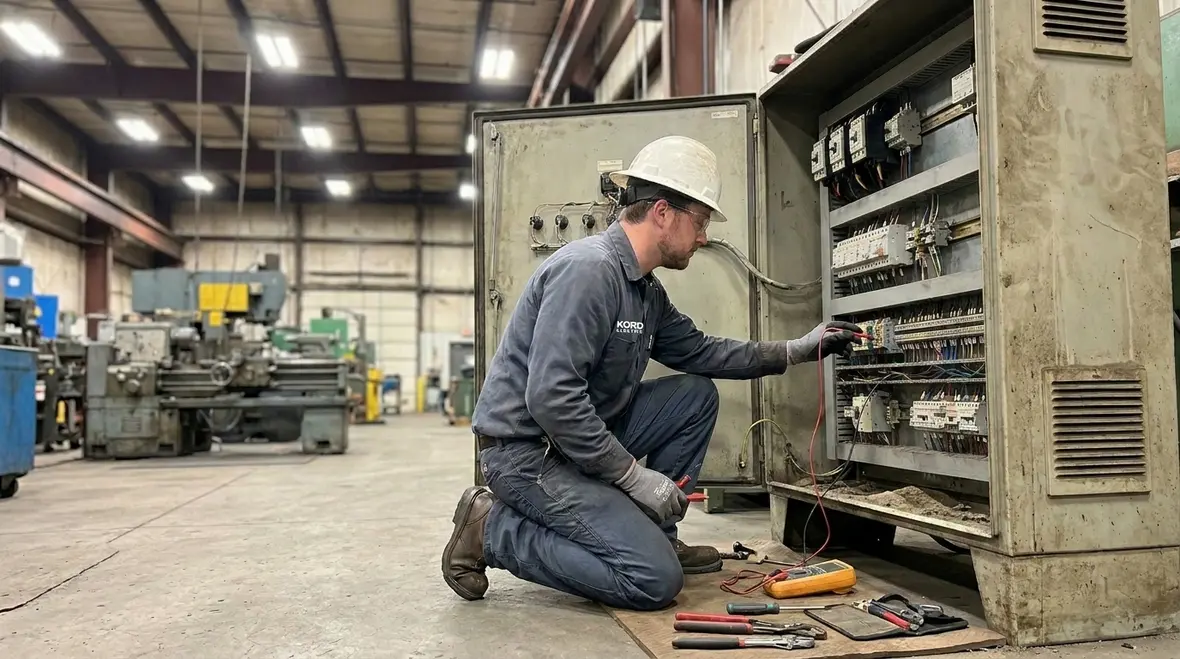
In manufacturing, electrical systems run hard, and they do it every day. Therefore, proactive electrical maintenance for manufacturing starts with understanding how your facility actually behaves, not how a manual predicts it should. We study your distribution layout, equipment schedules, and operating patterns, then we build a maintenance plan that matches your risk level.
Next, we focus on conditions that typically lead to failures. Loose terminations and worn insulation create heat. Heat creates deformation. Deformation creates more resistance. And resistance creates more heat. It is basically a fiery little chain reaction, like a Marvel villain that keeps leveling up. The difference is we catch the threat early.
We also coordinate with your production team so work happens during planned windows. That way, the plant keeps moving, and the maintenance staff can do their jobs without turning the schedule into a juggling act.
Plan audits, inspections, and testing that uncover hidden failure points
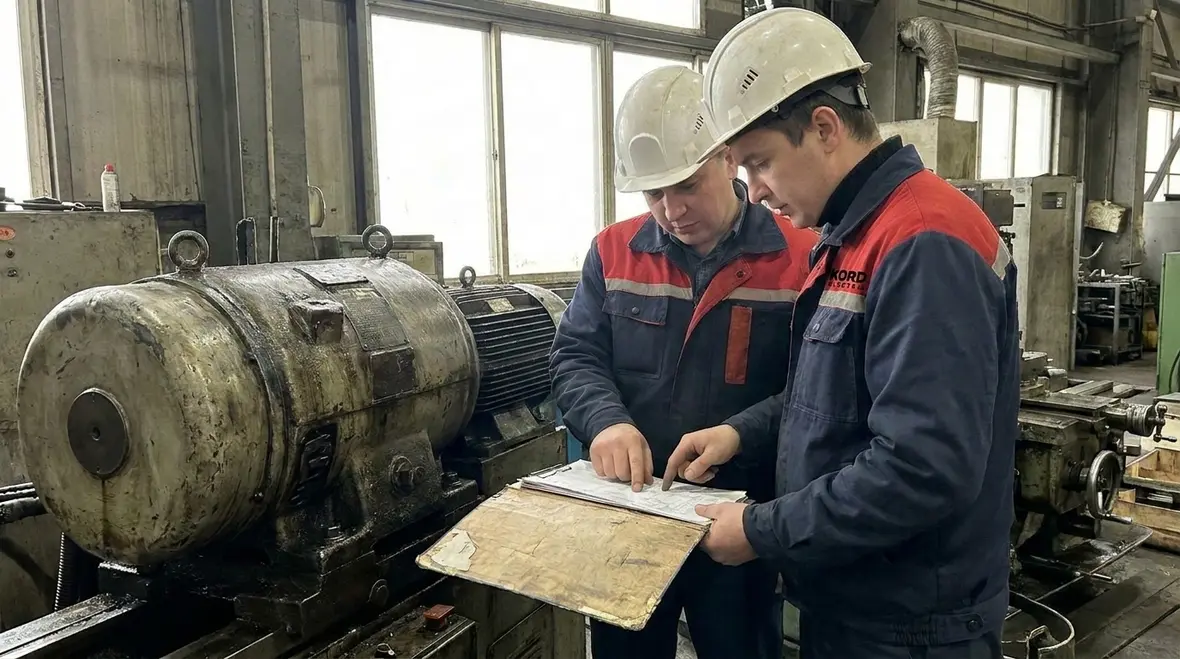
To keep systems reliable, we run recurring audits and inspections at intervals that fit your environment. For example, we evaluate switchgear, motor control centers, variable frequency drives, bus ducts, transformers, and critical feeders. Then we verify what we find through practical testing.
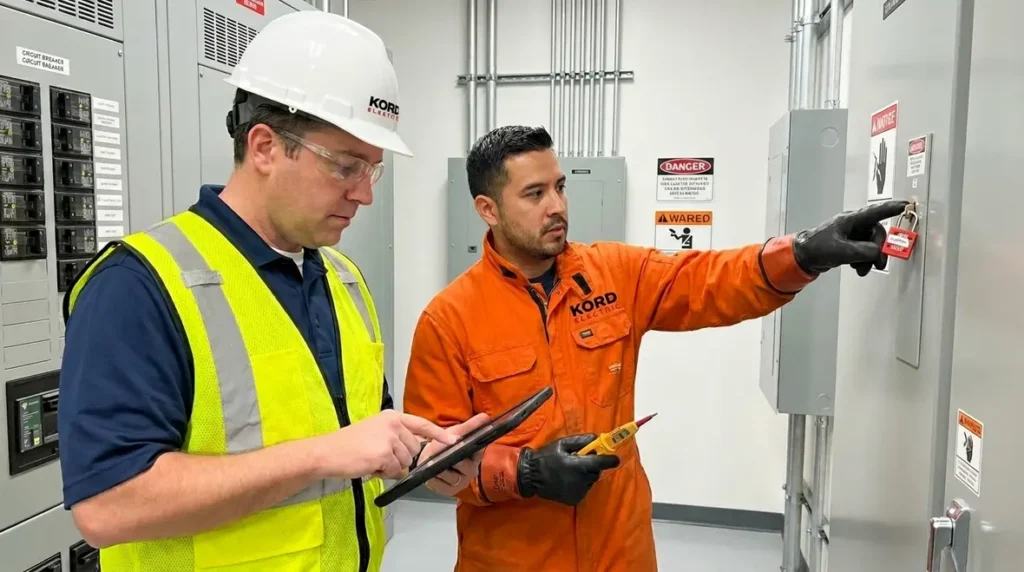
Many facilities focus only on what fails visibly. However, our expert service staff looks for what fails quietly first. We pay attention to discoloration, corrosion at terminations, oil film around seals, unusual vibration patterns, and signs of overheating on enclosures and lugs. We also check arc flash risk boundaries and labeling accuracy so safety teams can work confidently. For more detailed guidance on labeling, we often reference best practices like those in our Electrical Panel Labeling Best Practices Guide, then tailor them to your specific plant layout.
In addition, our technicians use measurements and documentation to track change over time. When values drift, we treat it as an early warning. When multiple indicators trend the same direction, we act. That approach prevents random breakdowns and reduces emergency callouts that always seem to happen right when the shift changes.
Thermal imaging, power quality checks, and load analysis
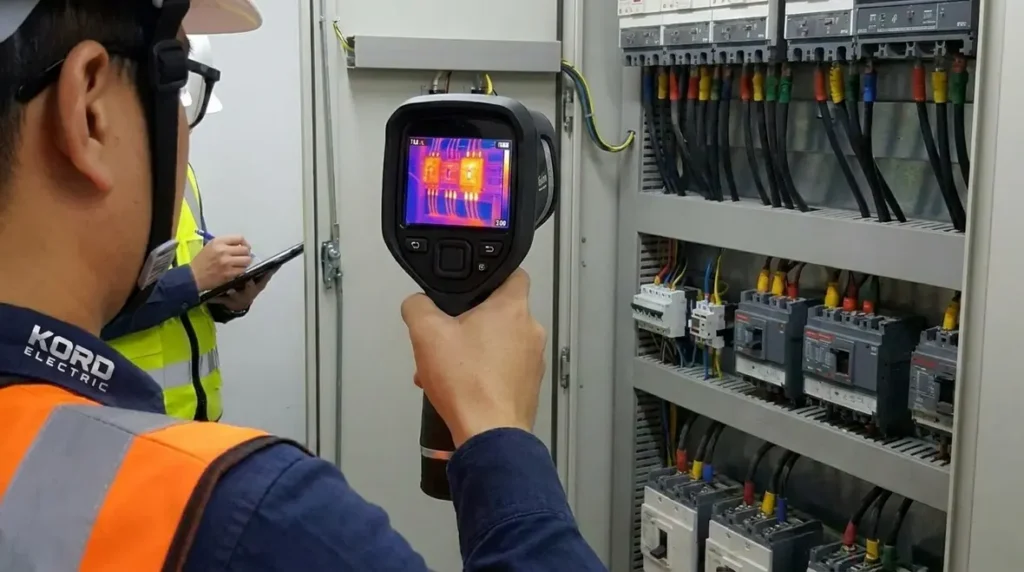
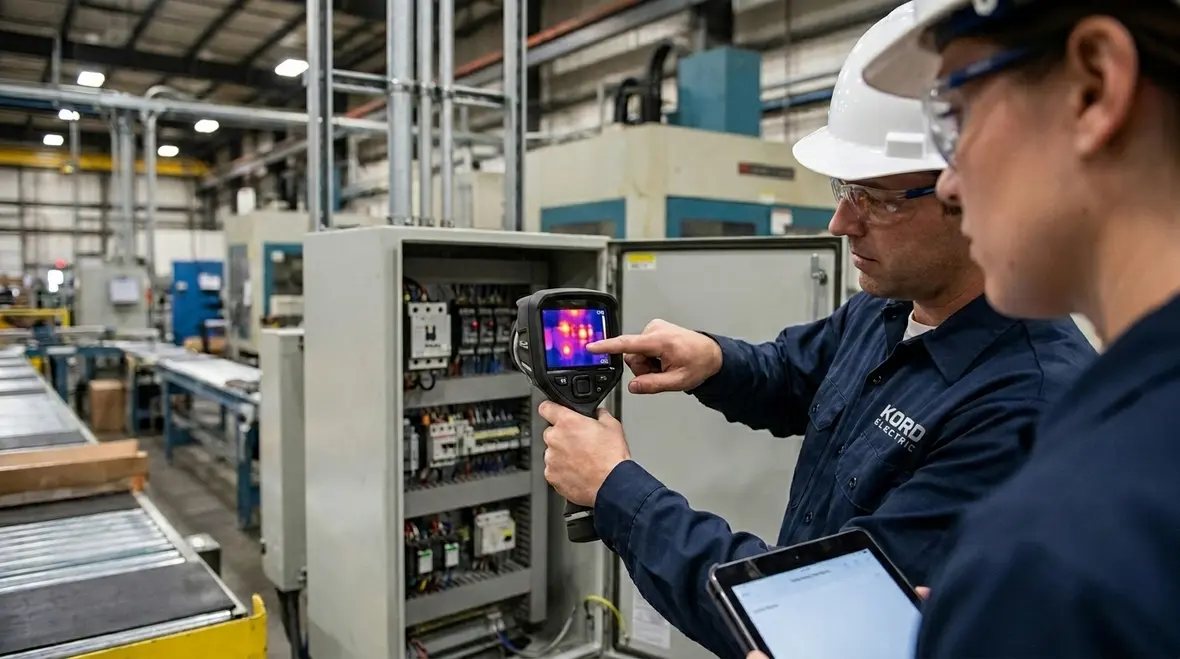
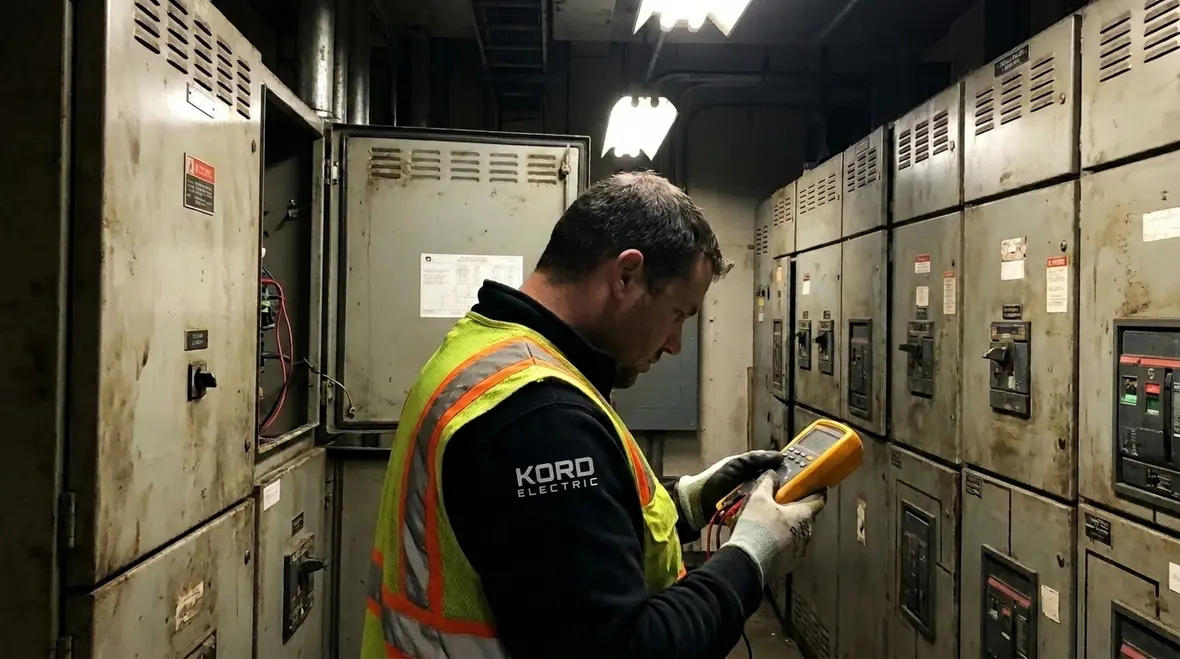
Electrical problems rarely announce themselves early with a loud bang. Instead, they show up as temperature changes and electrical stress. Therefore, we use thermal imaging to spot hot spots in panels, connections, and bus areas. We then compare results across visits so we can tell the difference between normal variation and a growing issue. As part of our broader electrical preventive maintenance programs, these infrared inspections give manufacturing leaders confidence that critical gear is being watched closely, not casually glanced at once a year.
Power quality checks also matter in manufacturing, because equipment depends on stable voltage and clean waveforms. If harmonics rise or voltage dips appear, motors and drives can heat up and wear faster. So we monitor key parameters and correlate them with equipment performance. This helps others understand why a drive might fail early or why a line runs fine most days, then struggles after certain loads start. When voltage instability starts causing nuisance trips or overheating, we can draw on the same diagnostics used in our voltage fluctuation repair services to help stabilize your plant before small problems become big outages.
Load analysis adds another layer. By understanding demand patterns, we confirm whether feeders, transformers, and protective devices operate within safe margins. And if they do not, we recommend targeted upgrades or adjustments. We do this thoughtfully, since nobody wants a “solution” that introduces new risks.
Maintenance for safety and reliability: protective devices and grounding
Safety and reliability work together, and we treat protective systems that way. Kord Electric supports commercial and industrial facilities and major property buildings by inspecting protective devices and verifying that coordination stays correct as equipment changes over time.
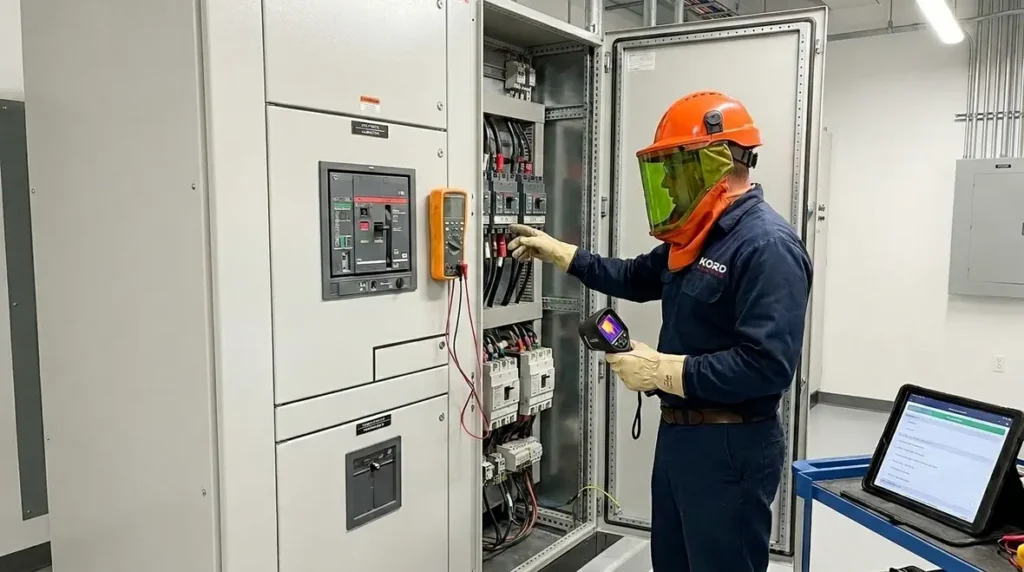
We review circuit breakers, fuses, relays, and contactors for proper operation. We also inspect control wiring and control power circuits, because small issues there can cause big production disruptions. Meanwhile, we verify grounding and bonding paths since they protect personnel and equipment during faults and surges. Our work aligns with the same code driven mindset we share in resources like our overview of NFPA 70 and the National Electrical Code, applying those principles directly on your factory floor.
If grounding drifts, protective devices may not trip when they should. That means a fault becomes more dangerous, and the repair becomes more expensive. Our technicians explain what they test and what the results mean, so your team knows exactly where risk sits and how we plan to reduce it.
We keep the tone business casual, but the standards stay strict. Think of it like airport security: it feels serious for a reason, and nobody laughs when the stakes are right there in the wiring.
How we build maintenance schedules around your production reality
A strong plan does not just exist on paper. It fits your shift patterns, maintenance windows, and how your process ramps up and down. Therefore, we build electrical maintenance for manufacturing programs that include clear task lists, responsible roles, and documentation standards.
We usually start with a baseline assessment, then we move into a schedule that balances preventive work with condition based actions. For example, some tasks suit fixed intervals, like inspections of critical enclosures. Others respond to trends, like thermal results or changes in measured power quality. This keeps the work efficient and stops over servicing when everything looks stable.
We also coordinate reporting in a way that your plant leaders can use. Others may receive a long report they never read. We provide findings in plain language, then we outline next steps: what needs attention now, what can wait, and what we recommend to prevent future downtime. Our expert service staff walks your stakeholders through the picture so decisions feel grounded, not guesswork. For many facilities, these structured reports connect naturally to broader programs like our commercial and industrial electrical maintenance plans, creating one consistent reliability strategy instead of a dozen disconnected work orders.
Spare parts, documentation, and training your team to spot early signs
Even the best preventive program benefits from good readiness. That means we help facilities think about spare parts strategy for critical components and lead times. We also support documentation so your team can trace maintenance history and verify what changed during each service event.
Next, we train your staff to recognize early signs. We show what overheating looks like, how to interpret basic panel conditions, and which alarms require escalation. We keep the training practical, so technicians and operators can act quickly without second guessing. And yes, we include humor sometimes, because stress makes people miss obvious details. A calm team catches issues faster, and a confident team escalates the right things.
When others understand the cause, not just the symptom, they reduce repeat failures. Over time, that turns electrical maintenance from a recurring expense into a reliability advantage. In larger upgrade conversations, that same mindset connects well with projects like those outlined in our rewiring cost guide for commercial electrical systems, where long term planning and preventive thinking work together instead of fighting for budget.
FAQ
Closing CTA: bring reliability back under your control
If your facility runs on uptime, then your electrical systems deserve a plan that works ahead of failures. Kord Electric helps commercial and industrial facilities and major property buildings reduce downtime with proactive electrical maintenance for manufacturing, clear reporting, and technician guided explanations that your team can act on.
Reach out to us for a site assessment and a maintenance approach built around your equipment and production schedule. Let us help you catch problems early and keep your operation steady. Don’t wait for the next alarm to tell you the truth. To build a complete strategy, you can also explore our dedicated Electrical Preventive Maintenance services, which pair naturally with on call Emergency Electrical Services when you want both proactive planning and rapid response ready to go.