EV Charging Infrastructure Planning for Fleets
At Kord Electric, we approach EV charging infrastructure planning the way a good foreman approaches a jobsite: calm, careful, and built for what comes next. We help commercial and industrial facilities, along with major property buildings, plan charging so it supports today’s fleet and keeps working as fleets expand. And yes, we also plan for the part everyone forgets, the part where people park, drivers arrive, and reality shows up. Over the rest of this article, our technicians explain what we look at, how we size the system, and how we coordinate electrical work with your schedules. Then we show you practical steps for building a plan that does not collapse when demand increases.
Commercial fleet needs change faster than most spreadsheets
Third person might say “fleets evolve,” but in our world the truth is simpler: fleets grow, routes change, and charging habits shift. Therefore, a site that works for ten vehicles today can feel cramped next year. We see it in real projects, too. One facility adds delivery vans. Another brings in a contractor fleet. Then property managers request more stalls to match tenant expectations.
So we help clients start with future fleet needs. First, we map vehicle counts by shift and location. Next, we estimate daily charging needs based on duty cycles. Then we plan the charging layout so it matches how vehicles actually move through your property.
And here is a small joke from the field: if your plan depends on “maybe we will add chargers later,” you are basically betting against physics. We prefer to bet on engineering.
What we assess on major property buildings and industrial sites
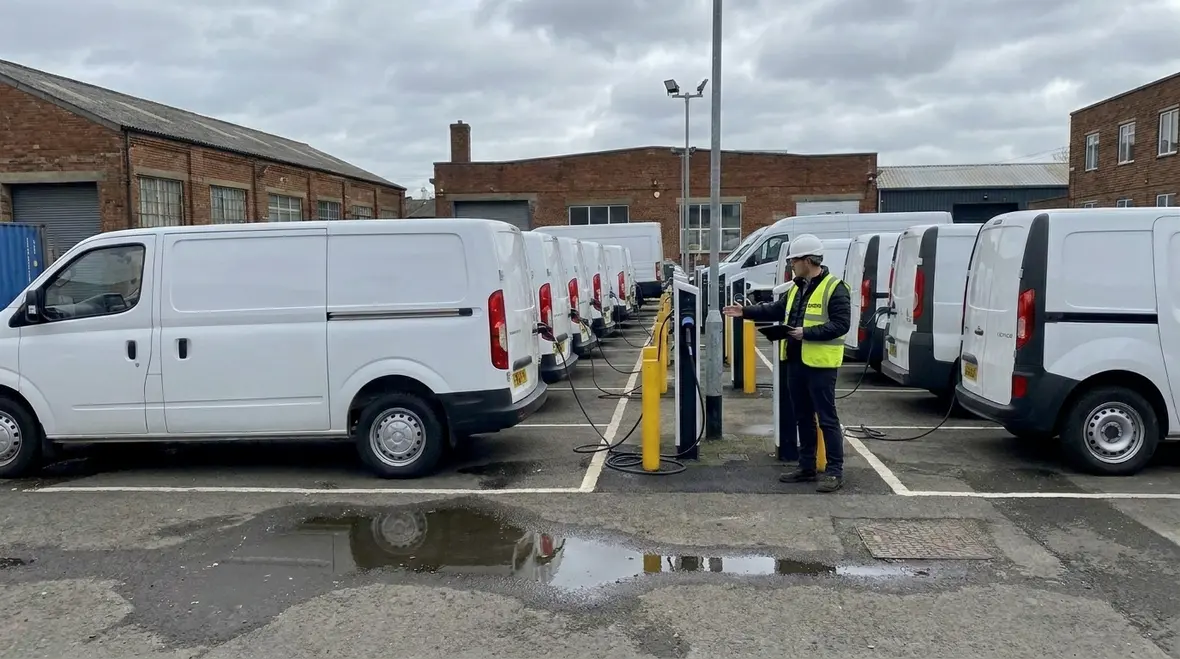
When we walk a site with our expert service staff, we do not just count wall space. We review site power, route patterns, and installation limits. Additionally, we look at how vehicles access chargers, where vehicles stage, and what traffic flow requires. We also consider weather exposure, lighting, and cable routing paths that keep your operation safe.
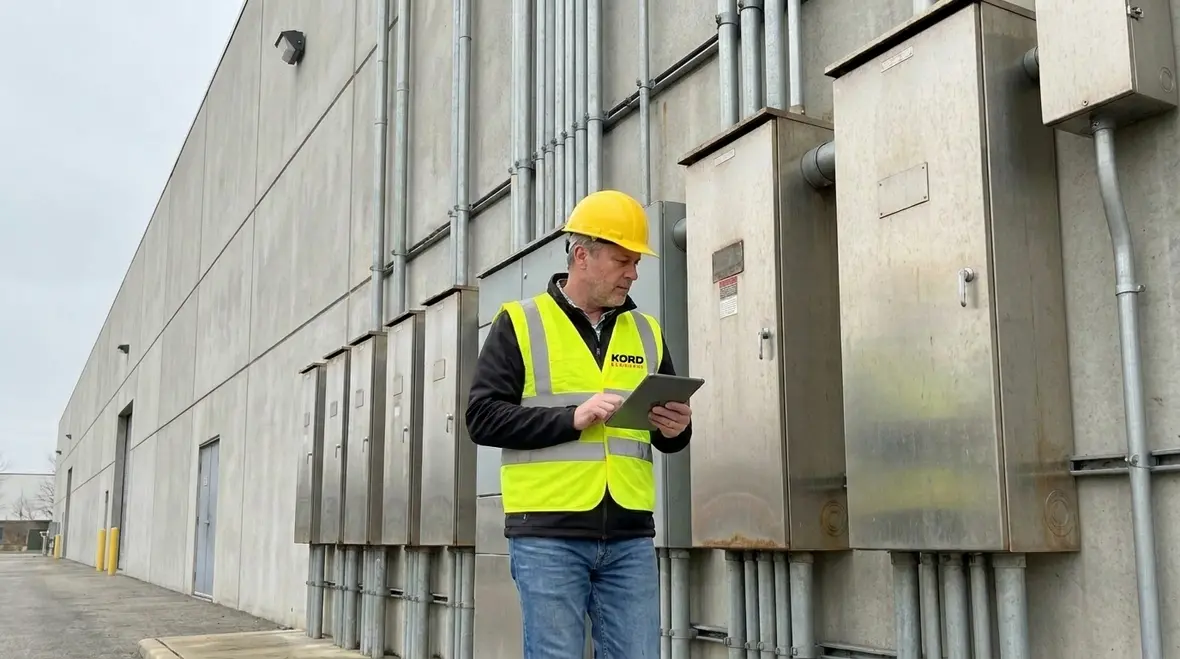
For commercial and industrial facilities, load matters most. Therefore we check your main service capacity, panel headroom, and how existing equipment shares the electrical system. If you have HVAC loads, compressors, or large lighting systems, we treat them like neighbors who borrow the same driveway. They all need room.
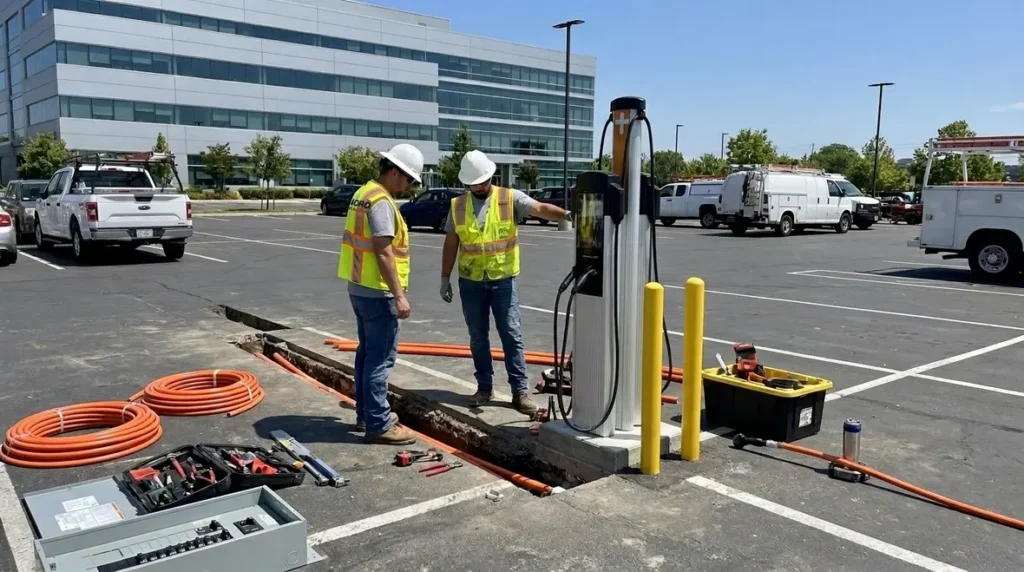
Then we plan the physical side: grounding and conduit, placement for safe vehicle clearance, and access for maintenance. Our technicians explain each step clearly so you understand how the system fits your daily operations.
On many projects, we also connect these assessments to broader power strategy. For example, if your building is already considering a panel upgrade or evaluating hidden electrical risks behind the walls, charging plans become part of the same long term roadmap, not an isolated side project. That way, improvements you make today support both fleet charging and the rest of your electrical infrastructure over the long haul.
EV charging infrastructure planning for power, space, and timing
Strong plans balance three things: power availability, physical placement, and install timing. When we design for EV charging infrastructure planning, we begin with a realistic power approach, not a wish. We work with utility limits and site electrical conditions to keep the system reliable.
Next, we determine how many ports to install now versus later. In many major property buildings, we use a staged approach. We install what your current fleet needs while leaving pathways for expansion. As a result, you avoid expensive rework where contractors rip out equipment because the next phase does not fit.
Finally, we schedule work around real business hours. We often coordinate installation windows so production, retail operations, or facility workflows keep moving. In other words, we do the wiring, but we also protect your uptime.
If you want a deeper dive into how costs line up with this balance of power, space, and timing, Kord Electric also shares a dedicated Commercial EV charging installation cost guide for property stakeholders who need more detailed budgeting support before finalizing a plan.
Managing electrical load with smarter system design
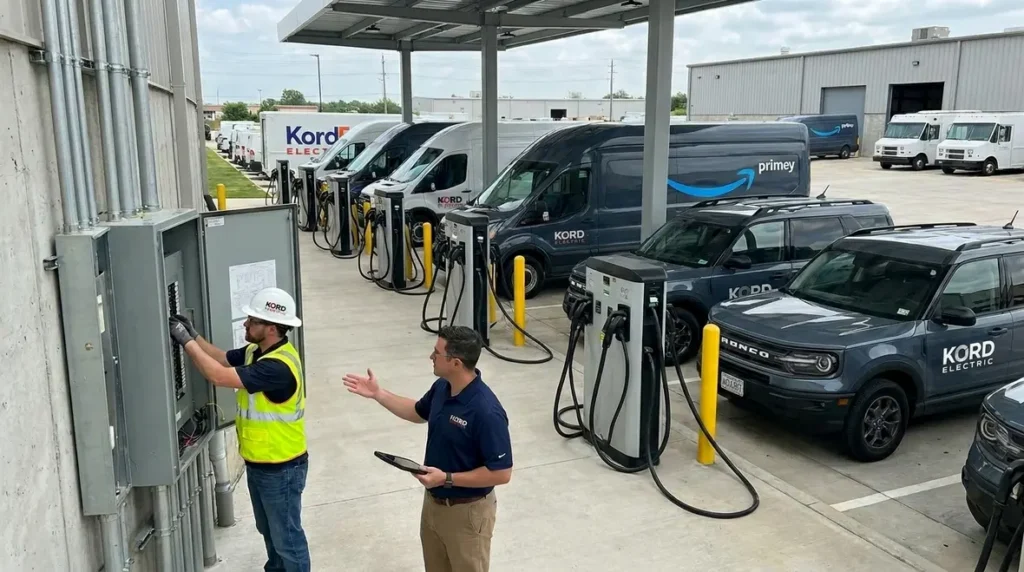
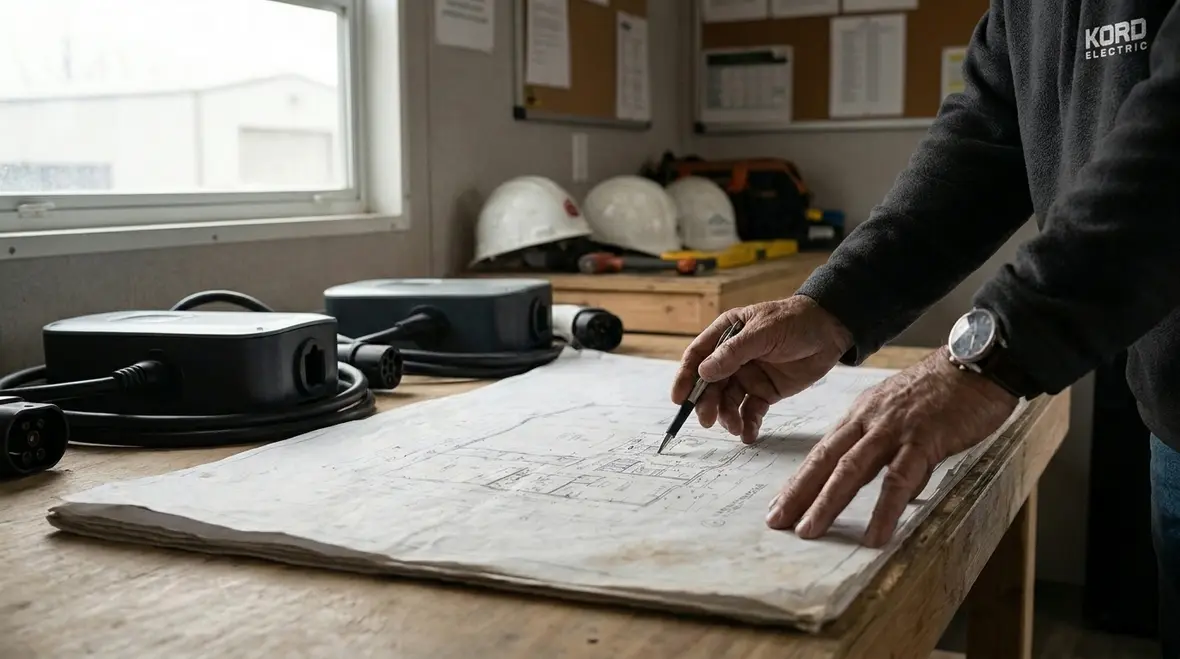
To keep charging stable, we design for electrical load. That means we plan how chargers share available power, especially during peak use. Instead of treating every charger like an island, we treat the site as a system.
We also consider the number of charging sessions and their overlap. For example, shift-based fleets often plug in around the same time. Therefore, the design must handle near-simultaneous charging without causing voltage issues or triggering protection limits.
Our team uses practical steps such as load management strategies and electrical service assessments. Then we verify the design through documentation and commissioning steps. When our technicians explain the logic, you get a clear picture of why the layout and settings work together.
Pop culture comparison, but respectful: this is like coordinating a superhero team. One hero alone can help, but together they cover more ground. In your case, chargers plus controls cover the full charging mission.
Effective EV charging infrastructure planning also depends on how well the rest of your electrical equipment is maintained. Facilities that follow structured electrical preventive maintenance programs often find it easier to add charging capacity, because panels, switchgear, and feeders already operate within healthy limits instead of running near the edge.
From site survey to installation: how we keep projects moving
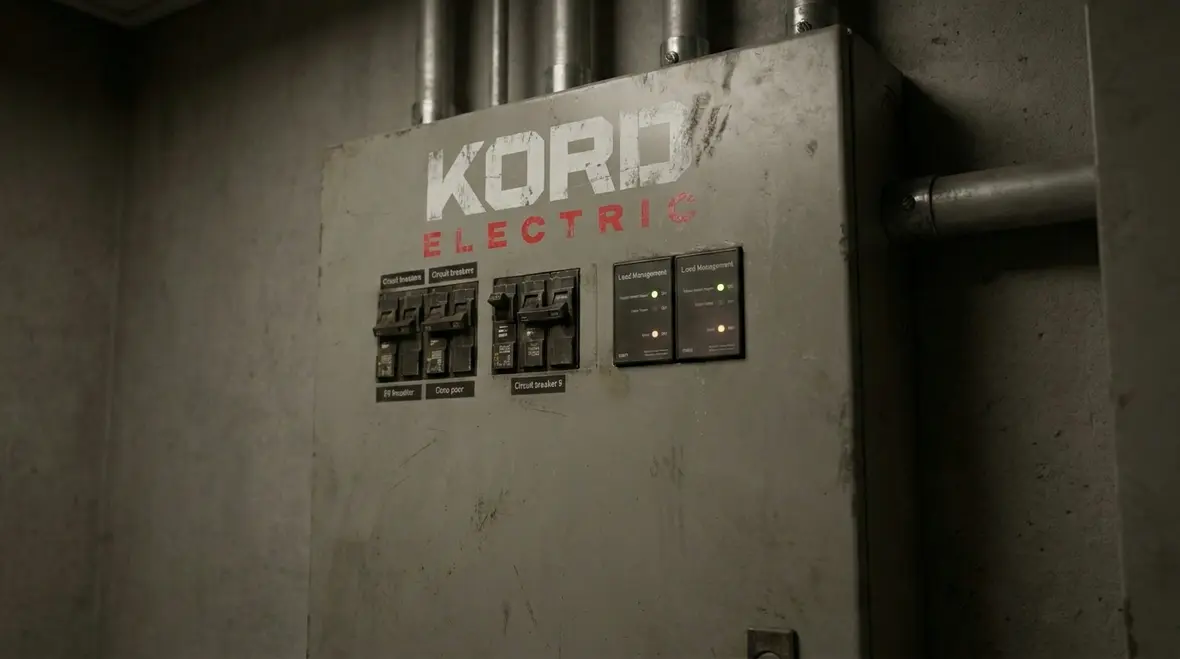
The installation process matters just as much as the design. First, we start with a site survey that documents pathways, equipment locations, and mounting requirements. Then we plan conduit runs and cable routes to support safe operation and maintenance access.
Next, we coordinate materials and electrical work in a sequence that reduces downtime. On commercial and industrial sites, delays can cost more than the charger itself. So we plan for approvals, scheduling, and any utility steps that may apply.
If you have a location like a fleet yard, we consider how drivers arrive, where vehicles park, and how the area will be secured. If you have a major property building, we consider resident and tenant flow, signage, and how staff will manage access.
Throughout the work, our technicians and expert service staff explain what we do and why. We keep communication direct and clear, so the project stays predictable. Also, nobody wants surprises, unless it is a birthday party. We aim for neither confetti nor chaos.
Because commercial EV charging is more than just “plugging in,” many fleets also review Kord Electric’s dedicated EV charger installation service page to understand how permitting, utility coordination, and commissioning steps line up with the on-the-ground work described here.
Service and expansion: building a plan that does not age overnight
As EV use grows, your system will face wear, upgrades, and changes in vehicle needs. Therefore, we plan for service access from day one. Our approach focuses on dependable hardware placement, safe routing, and maintenance access points that do not disrupt operations.
For expansion, we design pathways for additional chargers. We also plan the electrical capacity strategy so the next phase can connect without major disruption. This matters for facilities that plan to add vehicles over time, such as logistics hubs and industrial operations.
Additionally, we encourage clients to maintain a clear view of their charging usage and future targets. We help you track performance so decisions stay grounded. When teams keep learning, the system stays aligned with operations, not just with a one-time purchase.
That same mindset—designing for the next phase instead of just the next week—also appears in Kord Electric’s guidance on EV charging infrastructure scalability for commercial sites. When EV charging infrastructure planning is done this way, each expansion step feels like part of a roadmap instead of another emergency project.
How Kord Electric supports future fleet readiness for commercial clients
Kord Electric focuses on commercial and industrial facilities and major property buildings. That focus shapes how we plan, install, and support. We understand these sites operate like machines: schedules, safety needs, and strict uptime requirements.
Others may treat chargers like consumer electronics. We treat them like mission equipment. Therefore, we plan for demand, design for electrical stability, and install with a clear process.
In addition, our technicians explain options in plain language. You get guidance that fits your site, your fleet, and your timeline. And when the plan needs adjustments, we recommend changes early instead of late. That way, the project stays on track and the system stays ready.
For the record, charging readiness should not feel like guesswork. It should feel like a plan with a backbone. We build that backbone.
If your facility is also reviewing other electrical priorities—like preventive maintenance programs, lighting upgrades, or panel evaluations—integrating EV charging into that broader strategy can strengthen both safety and uptime across the property. Kord Electric’s commercial services are designed to support that kind of coordinated planning instead of piecemeal upgrades.
FAQ
Call Kord Electric for a charging plan built for the next phase
If you want charging that keeps up with fleet growth, start with a plan, not a last minute purchase. Kord Electric supports commercial and industrial sites and major property buildings with careful design, clear explanations from our technicians, and installation built for future expansion. Reach out to us today, and we will help you map power needs, layout options, and timing so your system performs when you need it most. Let’s turn your next phase into a smooth rollout.
If you are ready to translate planning into a specific project, explore how our dedicated EV charger installation services support commercial and industrial facilities with scoped design, code-compliant installation, and commissioning. This is where your EV charging infrastructure planning becomes a real, working system for your fleet.
For properties that also need ongoing electrical support beyond charging, Kord Electric’s broader commercial and industrial services help keep panels, switchgear, and distribution equipment ready for the next phase of growth. That way, every upgrade—EV charging included—fits into a reliable, long term electrical strategy instead of a series of disconnected projects.