
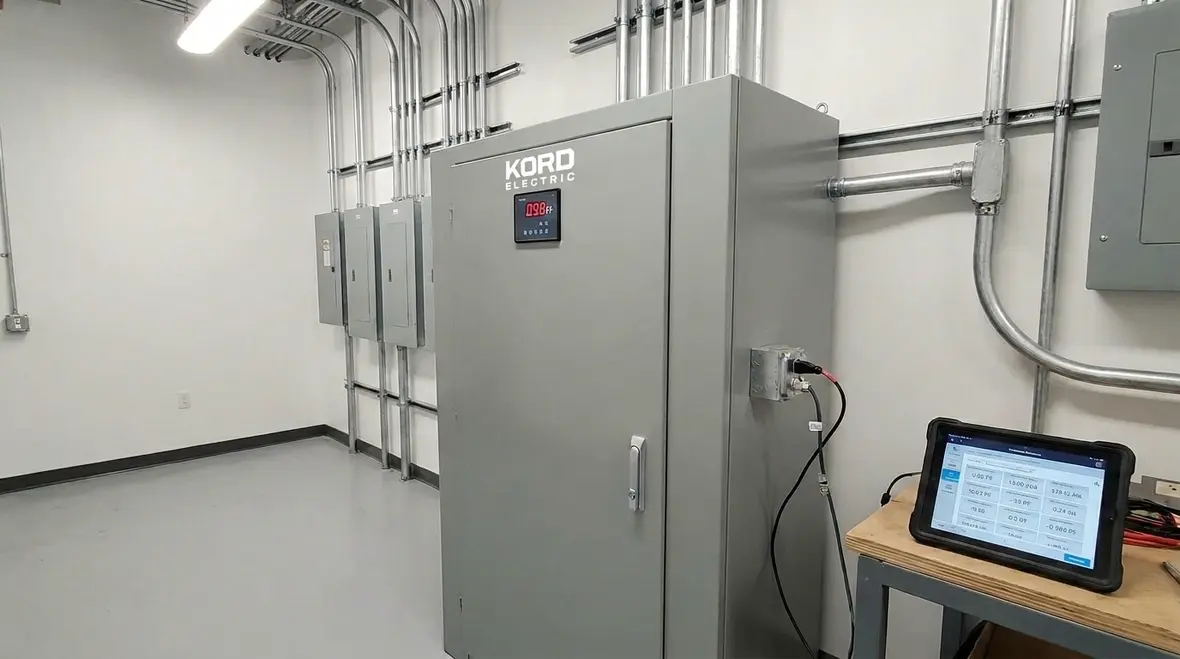
Commercial Power Factor Correction for Lower Bills
Commercial power factor correction: the quiet upgrade that lowers bills
At Kord Electric, we install commercial power factor correction for businesses that want steadier energy use, calmer operations, and fewer surprises on the electric bill. In the first place, power systems in many commercial and industrial facilities can run with lagging power factor, which means the utility sees more current than it needs to deliver the same real work. Then, when reactive power sits in the background like an unpaid party guest, your electrical equipment pays the price through higher losses and extra heat.
However, when we add the right power factor correction at the right place, we help your facility draw current more efficiently. And because our technicians explain each step in plain language, other teams do not have to guess. They just get a system that performs better, day after day.
What power factor really means for commercial and industrial loads
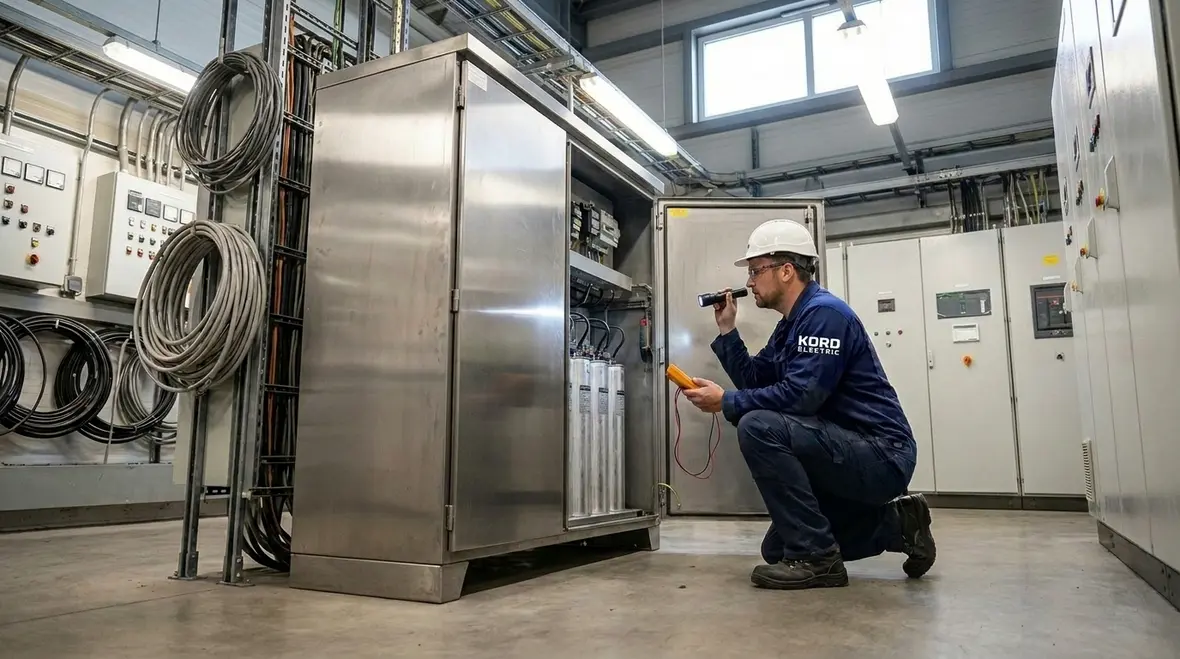
Power factor is not a mysterious math spell. It describes how effectively your electrical system turns supplied power into useful work. In most commercial and industrial settings, loads like motors, transformers, HVAC equipment, and lighting create reactive power. As a result, the current rises even when your building’s real output stays the same.
At this point, we typically look at what the facility actually runs, not what the nameplate says it should run. Then we match a correction plan to the load behavior across shifts, seasons, and operating modes. For example, a warehouse that starts motors all day does not behave like an office tower with steady plug loads. And yes, electricity is petty like that.
When power factor stays low, the impact shows up in places many owners feel but cannot always connect to reactive power. Branch circuits run warmer. Transformers age faster. Panels and busbars work harder. Even when everything stays “technically on,” losses quietly eat margin.

How efficient power factor correction reduces losses and wear
Commercial and industrial facilities spend real money on losses. Power factor correction helps by reducing the reactive component of current. Consequently, the electrical system carries less unnecessary load, which lowers heat in conductors and reduces stress on transformers and switchgear.
Here is the practical chain we explain during our on site evaluations:
- Less reactive current means lower I squared R losses in cables and connections.
- Lower losses means equipment runs cooler and lasts longer.
- More efficient current draw can reduce demand stress during peak periods.
- Stable operation supports smoother starting and switching for motor based loads.
In other words, we help the building do less work just to deliver the same outcome. And we do it with solutions that fit your facility profile, not with a one size approach borrowed from someone else’s playbook.
Why voltage fluctuations show up more when the system runs inefficiently
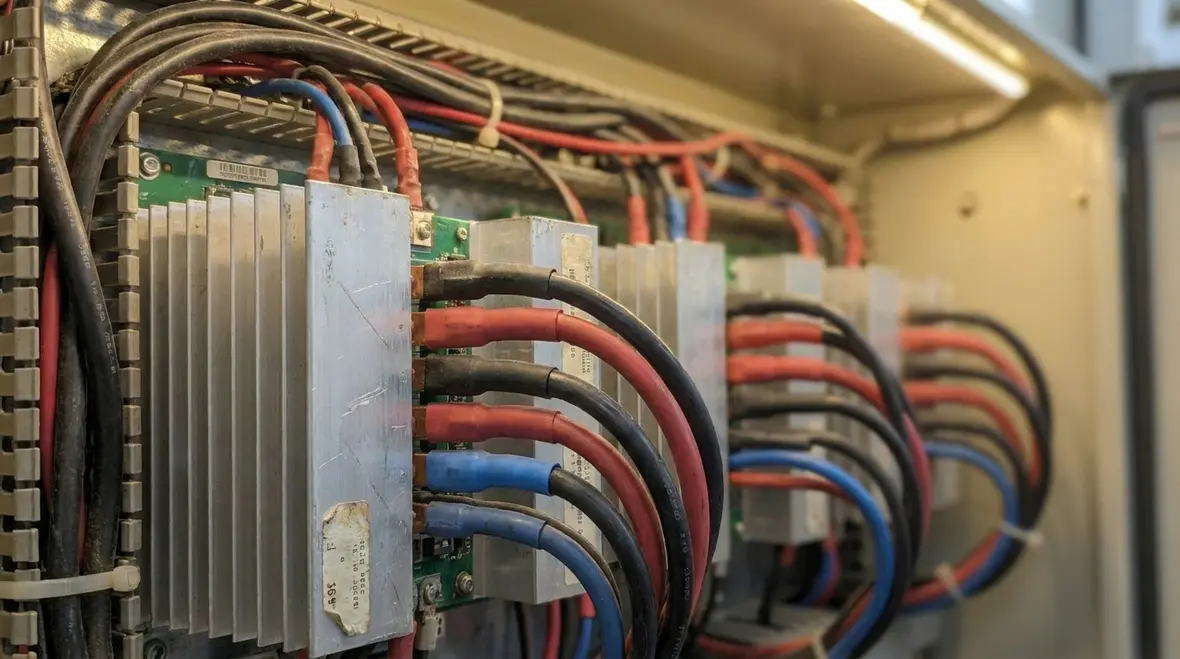
In commercial and industrial settings, voltage stability matters because it directly affects sensitive controls, motor performance, and overall uptime. Kord Electric has seen how voltage fluctuations can get worse when a facility operates with heavy reactive demand and weak electrical conditions.
When the system draws more reactive current, the voltage at critical points can sag under load. Then, when load changes happen quickly, the voltage can swing enough to cause nuisance faults, shortened equipment life, or performance complaints that sound like “it works until it does not.”
We support our planning with insights like those discussed in our Voltage Fluctuations in Commercial & Industrial Facilities guidance, where we address how load behavior and system conditions affect what customers experience at the equipment level. Furthermore, our field team measures and verifies conditions rather than relying on assumptions. We track what changes across operating cycles so the correction strategy aligns with reality.
And look, nobody wants to play electrical whack a mole while the customer’s line items pile up. We aim to reduce the odds before the problem starts.
Fixed vs automatic correction: choosing what fits the load profile
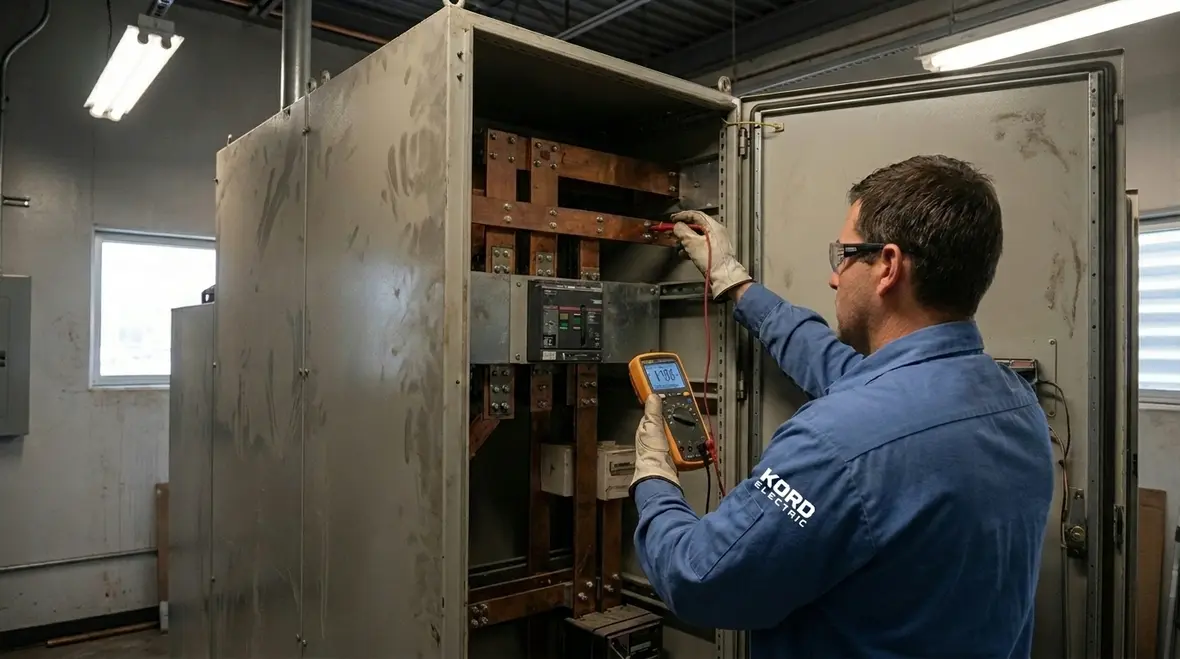
Not every facility needs the same style of correction. Some sites run fairly steady, while others swing hard with batch production, dock doors, refrigeration cycles, or frequent motor starts. Therefore, the right approach depends on how the load changes over time.
Our technicians and expert service staff work with electrical data and site observations to guide the selection. Then we focus on performance and stability, not just an end number.
Common choices include:
- Fixed capacitor banks: best when loads stay consistent and the reactive demand does not swing much.
- Automatically controlled capacitor banks: best when the facility experiences frequent changes, because control adjusts the compensation step by step.
- Detuned systems where needed: we tune the system to avoid resonance risks with existing harmonics or system characteristics.
We also explain the tradeoffs in straightforward terms. For instance, automatic systems can better match changing reactive demand, which helps maintain a healthier power factor through the day. On the other hand, you still need correct engineering so the solution does not fight your existing equipment. Our staff treats this like a reliability project, not a quick fix.
Billing, demand charges, and incentives: the financial side owners feel first
When power factor correction does its job, owners often notice it in operational costs and utility interactions. Depending on the utility structure, lower reactive demand can help avoid penalties and may improve how demand charges are calculated. Additionally, better electrical efficiency reduces loss related costs that show up as higher consumption than expected.
We do not promise a magic number because every rate plan differs. However, we do make the path clear. Our team reviews typical utility signals, evaluates the present power factor behavior, and estimates how correction changes current draw during load conditions that matter most.
Then we connect the dots between engineering and business results:
- Lower losses support more predictable energy use.
- More efficient operation can reduce system heating and maintenance frequency.
- Stable voltage behavior helps protect drives, controls, and motor health.
- Utility compliance becomes easier when power factor improves and stays controlled.
And if you are thinking “Yes, yes, but will this stop my electrical cabinet from getting hot,” we hear you. Better correction often helps the system breathe easier, which means fewer complaints and fewer call backs. Electricity still does what it does, but it does it with less drama.
Installation, commissioning, and ongoing service for commercial sites
A high quality commercial power factor correction project does not end at the cabinet door. After installation, we verify performance through commissioning. We confirm that the system switches properly, targets the desired compensation behavior, and works with existing protection and harmonics conditions.
Our technicians also check the details that keep things reliable: wiring terminations, control logic, step sequencing, capacitor ratings, and coordination with upstream equipment. Then we test under realistic load conditions when possible, because “the spreadsheet looks good” does not always match “the facility runs like it does.”
Once the system operates, we support ongoing maintenance for commercial and industrial facilities and major property buildings. That means we monitor performance, inspect components, and respond quickly when conditions change. Loads expand. Equipment gets replaced. Production schedules shift. Consequently, reactive demand can change too, and we make sure the correction still fits.
This approach protects your investment. It also avoids the classic situation where someone installed correction years ago and nobody can explain why it stopped helping. We prefer clarity, accountability, and steady performance. Like a good playlist, it should stay on beat.
FAQ about commercial power factor correction
A final word from Kord Electric
We see too many commercial and industrial facilities run reactive power like it is “just how it is.” It is not. With well designed commercial power factor correction, we help stabilize electrical performance, reduce losses, and support longer equipment life. Our technicians and expert service staff measure, engineer, install, and commission the solution so it matches how your building actually operates. If you want calmer voltage behavior and better efficiency, contact Kord Electric to schedule an evaluation and get a plan your team can trust.
If your facility is already dealing with unstable power, unexplained downtime, or aging infrastructure, pairing commercial power factor correction with broader system improvements can be especially effective. For deeper context, many property teams explore resources like our guides on hidden electrical risks in commercial buildings and our rewiring cost guide for commercial electrical systems to understand how power quality, capacity, and safety all connect.
For facilities that need more than power factor correction alone, our dedicated commercial services cover everything from voltage fluctuation diagnostics to large scale upgrades. You can explore our specialized support for voltage fluctuations in commercial and industrial facilities, or connect with our team directly to map out a tailored reliability plan.
When you are ready to see how a focused power quality strategy can lower risk, protect equipment, and support lower bills, our commercial and industrial specialists are here to help you plan the next steps.


