Industrial Surge Protection Installation Guide
Kord Electric begins every serious protection plan with industrial surge protection installation, because our clients cannot afford “maybe” when power quality is on the line. In commercial and industrial facilities, one electrical event can quietly travel through panels, control systems, motors, and communication gear, then show up later as costly downtime. So, we help others think ahead, not after the lights go out. Our technicians and expert service staff take a slow, clear approach: they explain what surges do, where they hide, and how we build defenses that fit real buildings. And yes, we promise the process feels less like a mystery novel and more like a steady roadmap.
Why industrial surge protection matters for critical power
Surges do not knock politely. They slam into electrical systems with voltage spikes caused by lightning, utility switching, motor starts, capacitor banks, and even damaged equipment. Then the damage rarely looks dramatic at first. Instead, it accumulates. A controller may run fine today, but its components have already taken a hit. Over time, that “fine” turns into random faults, misread sensors, and failed drives. For commercial and industrial facilities, that turns into production loss, safety risk, and expensive troubleshooting.
Also, not all damage comes from direct lightning strikes. Many events originate upstream, and they still reach your panelboards and equipment. Therefore, industrial surge protection installation becomes a practical shield, not a luxury. It helps clamp high energy, reduces stress on insulation and electronics, and can improve uptime for sensitive loads like variable frequency drives, PLCs, SCADA devices, HVAC controls, and enterprise networks.
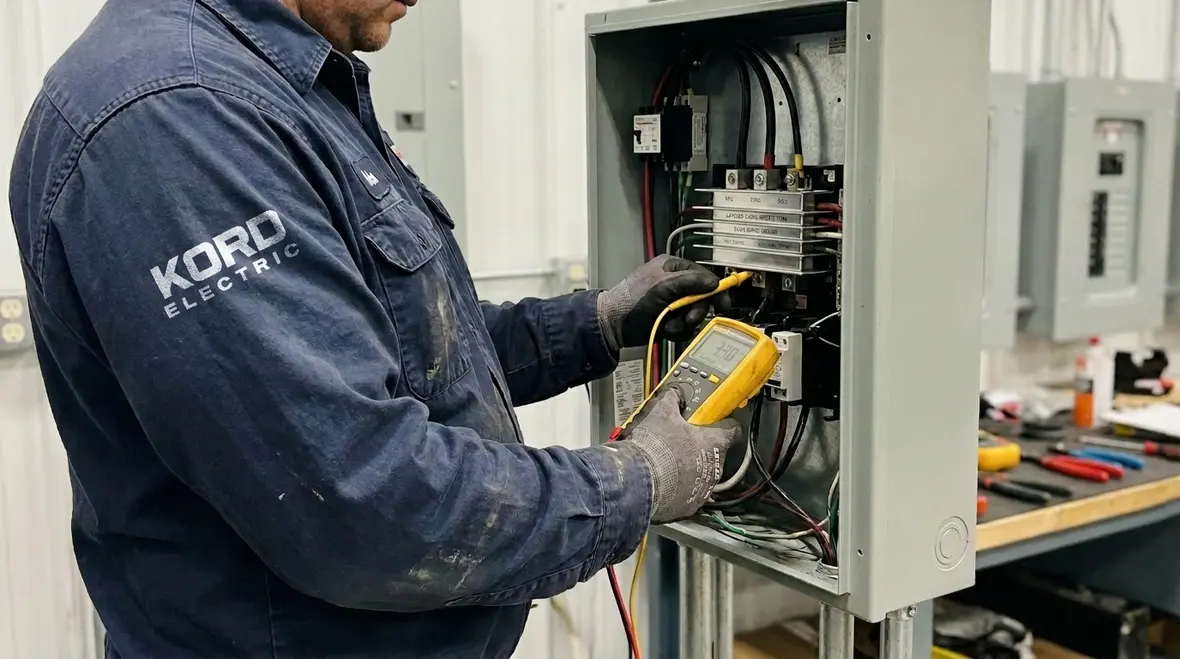
In many cases, the same facilities that benefit from surge protection also benefit from a structured maintenance strategy. For a deeper dive into how maintenance supports uptime across large properties, you can explore Kord Electric’s overview on commercial and industrial electrical maintenance plans, which pairs naturally with surge protection work for long-term reliability.
What actually causes surges in commercial and industrial buildings
When our expert service staff speak with facility managers, they often say, “We never get lightning.” Yet that line usually ends once we explain what else can spark a surge. Utility switching can create fast transients. Large motors can generate switching noise. Welding equipment, elevators, and pumping systems can kick up spikes. Even faulty grounding or insulation breakdown can trigger events that travel along conductors.
Additionally, the wiring path matters. A surge that jumps across a loose connection inside a panel can create a problem that looks like a mystery later. We also see events from remote sources, such as neighboring industrial loads or switching activities on the utility side. So, we treat surges as a building-wide issue, not a single device problem.
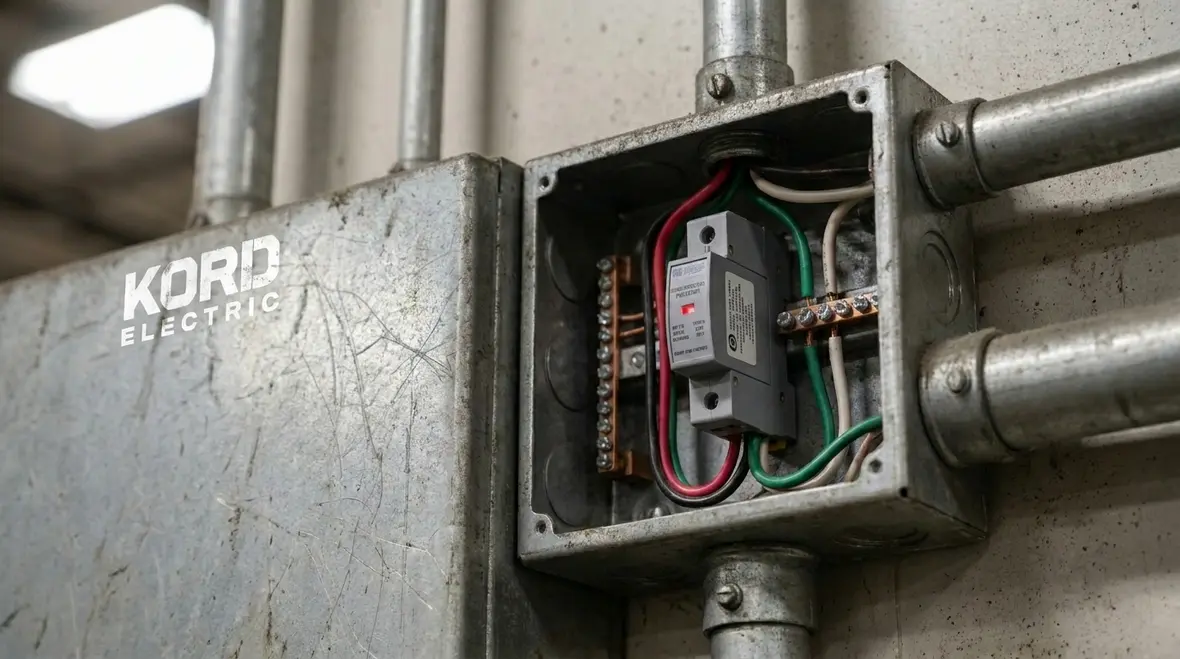
Because surges and voltage fluctuations often travel together, many facilities also review broader power quality concerns alongside surge defense. When you are seeing flickering lights, nuisance trips, or unexplained equipment resets, pairing surge protection with services that address voltage fluctuations in commercial and industrial facilities helps stabilize both the symptoms and the underlying causes.
How surge damage spreads through panels, controls, and communications
Surges travel along power and signal paths. First, they enter at the service entrance. Then they split into distribution circuits, grounding connections, and equipment feed lines. After that, they move into sensitive electronics that have less tolerance than you might think. In other words, a surge rarely “kills everything at once.” Instead, it punches holes in reliability.
For example, a spike can weaken a power supply inside an automation controller. The controller still boots, but later it fails to communicate or logs errors. Similarly, network switches and monitoring systems can experience transient stress that degrades performance over months. If a facility runs 24 7, the damage gets more opportunities to show itself. And when it does, the repair usually costs far more than the protection would have.
We also coordinate with maintenance planning so the response is not reactive. When facilities use a structured program, we can inspect protective devices, review load changes, and update protection strategy. That is how we prevent “surge roulette,” because nobody wants to feel like they are rolling dice with their uptime.

Layered protection and coordination: more than a single device
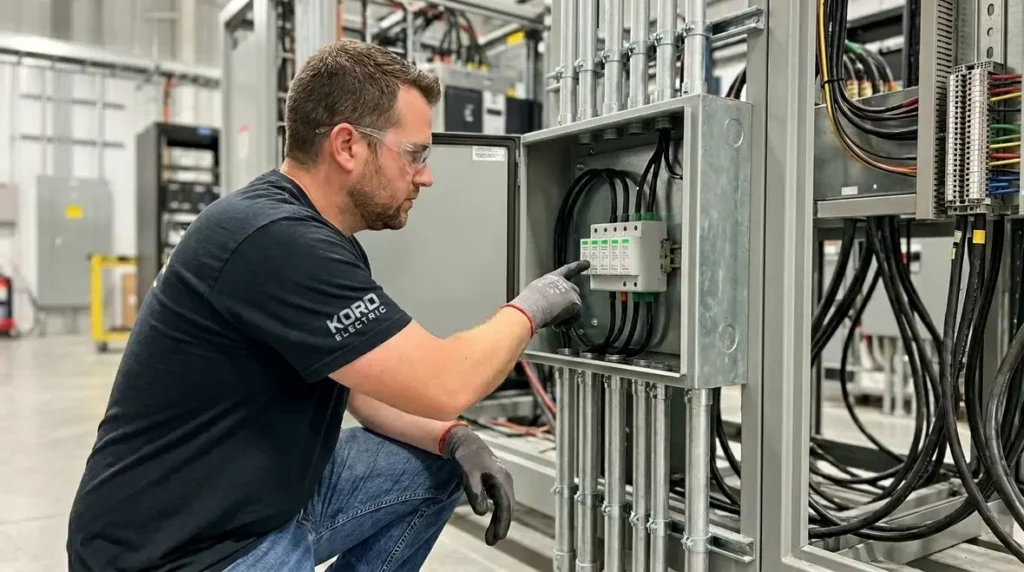
Good surge protection does not rely on one component. Effective systems use industrial surge protection installation in a layered design with coordination between levels of protection. In practice, that means the solution considers where energy enters, which panels and equipment receive it, and how devices protect each other.
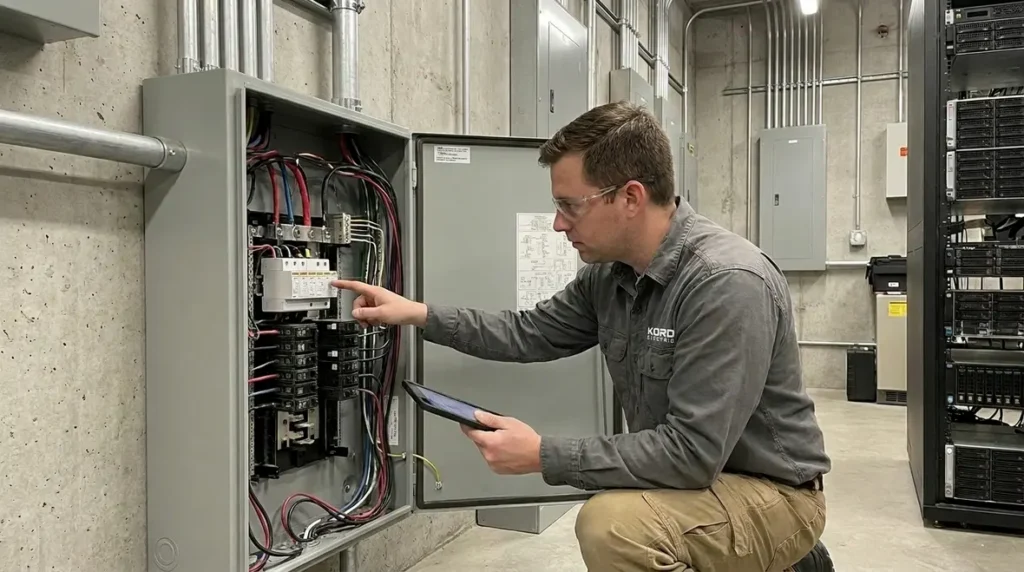
We guide facilities toward a setup that can include protection at service equipment and appropriate downstream panel locations where sensitive loads exist. Then we verify that the devices coordinate with overcurrent protection and that they do not create nuisance operation. That part matters, because a system that trips too often becomes “protected” in name only. Meanwhile, a system that never trips might still be worn out. Therefore, the design must include correct ratings and an approach to monitoring.
Next, we pay attention to grounding and bonding. Surge energy needs a controlled path. If grounding is not reliable, clamping performance can drop. So, our team does not treat surge protection as a standalone install. We align it with electrical system health, conductor routing practices, and real operating conditions. And yes, we explain it in plain terms, because you should not need a power engineering degree to understand why your equipment is at risk.

Bring surge defense into a maintenance plan that actually works
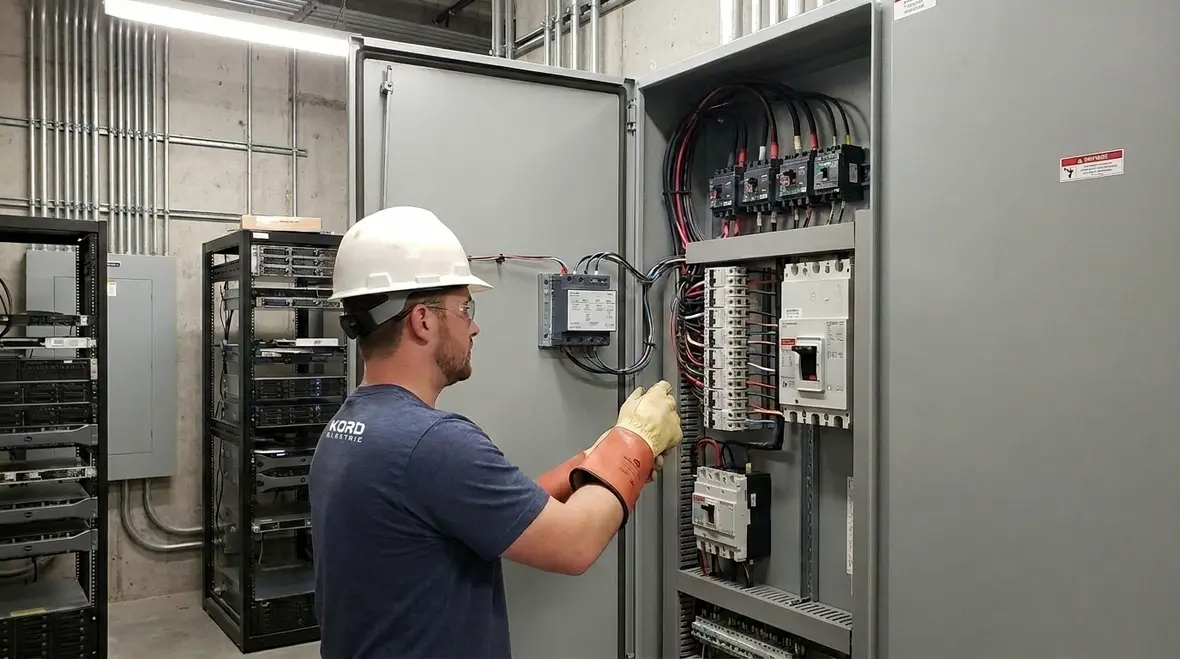
Surge protection is not a “set it and forget it” product. It is part of a living electrical program. That is why we connect protection work to commercial and industrial electrical maintenance plans. When a facility follows a plan, inspections catch early warning signs before they become failures. Then repairs happen at planned times, not during peak production.
Kord Electric supports this approach through structured maintenance planning, which helps teams stay ahead of issues like equipment wear, connections that loosen over time, and protective device condition. We can also help facilities coordinate schedules with operations so the work supports uptime. In other words, we plan like partners, not like surprise guests who bring tools and bad timing.
So, when clients ask what they should do next, we often recommend a review of the electrical one line, a check of protective device placement, and an assessment of whether the building has changed. New manufacturing lines, updated HVAC systems, added charging stations, or upgraded controls all change the surge risk profile. Then our service staff can recommend upgrades while the building can still operate smoothly.
If you are formalizing a broader reliability strategy, pairing surge protection with a dedicated electrical preventive maintenance program helps align inspections, testing, and long-term budgeting around the same goal: fewer surprises and more predictable uptime.
Costs of downtime versus cost of protection: the math facilities feel
Every facility has a different cost structure, but the pattern stays consistent. When sensitive systems fail, downtime spreads. Production slows. Maintenance teams get pulled into urgent repairs. Quality suffers. In some industries, safety requirements force shutdown procedures. And communication outages delay decision making, because people cannot see what is happening in real time.
Therefore, industrial surge protection installation becomes a risk reduction strategy with real financial value. Protection does not eliminate all faults, but it lowers the chance that a transient event becomes a costly equipment failure. It also reduces the likelihood of repeating repairs on the same set of devices. Meanwhile, a maintenance plan helps reduce other electrical issues that often travel alongside surges, like grounding problems or aging components.
We also help others measure their risk using what they already know: how often equipment resets, what failures repeat, and which systems run most critical processes. Then we map those insights into a protection and maintenance plan. It is not guesswork. It is building-specific work.
Technician-led explanations that prevent “good enough” decisions
Facilities often face a tough choice: install protection now, or wait and see. Waiting can feel practical in the short term, but our technicians and expert service staff help clients see what happens over time. We walk them through how surges affect the devices they rely on, and we show where energy paths enter and spread. Then we explain the reasoning behind equipment placement and layered protection, step by step.
Also, we remove the confusing jargon. We do not talk to clients like they are reading a lab report. We talk like professionals who respect their time and their responsibility. And yes, we use a little humor when it helps. Power systems already have enough drama without us adding to it, like a TV villain monologuing in a control room.
Surge protection and maintenance at a glance
To keep planning simple, Kord Electric emphasizes a clear flow of actions for commercial and industrial facilities. Here, a dual column view helps teams understand the sequence without getting lost in details.
| What we do | Why it matters |
| Review facility power distribution and critical loads | We locate the best points for clamping and protection |
| Install layered surge protection based on equipment sensitivity | We reduce stress across panels, controls, and communications |
| Verify grounding, bonding, and coordination | We help surge energy take a controlled path |
| Schedule inspection and maintenance tasks | We detect wear and connection issues before failure |
FAQ
Final thoughts and next steps with Kord Electric
Industrial surges will keep happening, even in calm weather and clean utility service. The question is whether your critical systems absorb the hit or get protected with a plan built for your facility. Kord Electric brings technician-led installs and disciplined maintenance thinking for commercial and industrial buildings. If you want to lower downtime risk and protect controls, communications, and production equipment, we are ready to assess your electrical setup and recommend the right next step. Reach out today, and let us help you secure the future of your power.
If you are already facing unstable voltage, unexplained shutdowns, or repeated equipment failures, integrating surge protection with a broader service package is often the fastest path to stability. Many facilities pair surge work with targeted diagnostics and services like voltage fluctuation repair for commercial and industrial facilities or ongoing electrical preventive maintenance so protection, repairs, and inspections all move in the same direction—toward fewer surprises and more uptime.