Warehouse Lighting Controls Upgrade Energy Savings
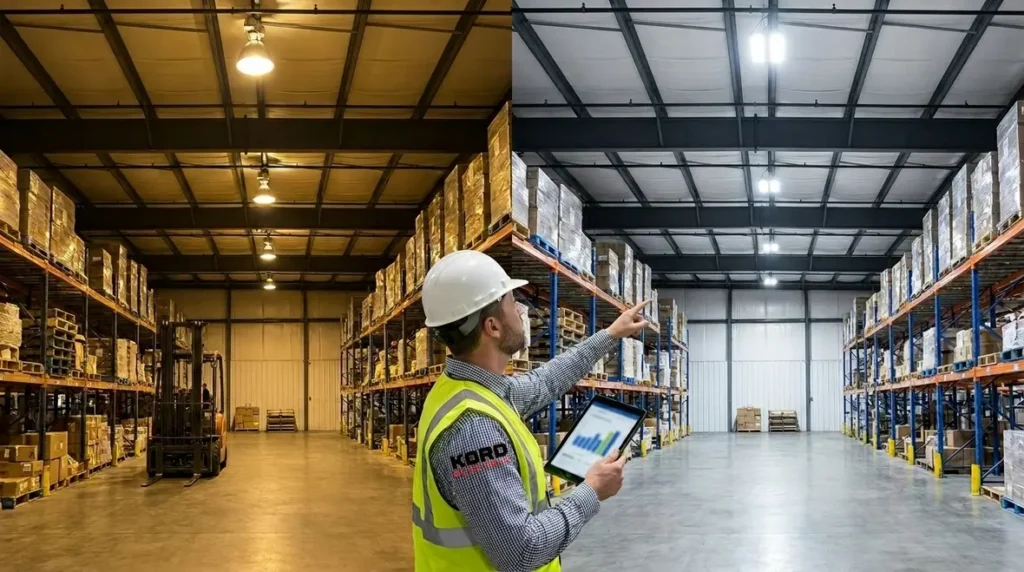
At Kord Electric, we routinely help commercial and industrial facilities cut energy waste through a warehouse lighting controls upgrade that makes lighting respond to real work patterns. Instead of leaving high bay fixtures burning like they are auditioning for a night shift, our team brings smarter control to the building. Then we tune it to how the warehouse actually runs, so you keep the light levels your operation needs while trimming unnecessary usage.
And yes, the savings can feel a lot like finding money in an old jacket. Not the “oops I bought it on accident” kind. The “this was sitting here the whole time” kind. Our technicians and experienced service staff explain every step in plain language, so you know what is changing, why it matters, and how it pays back.
Why lighting controls matter for warehouse costs and comfort
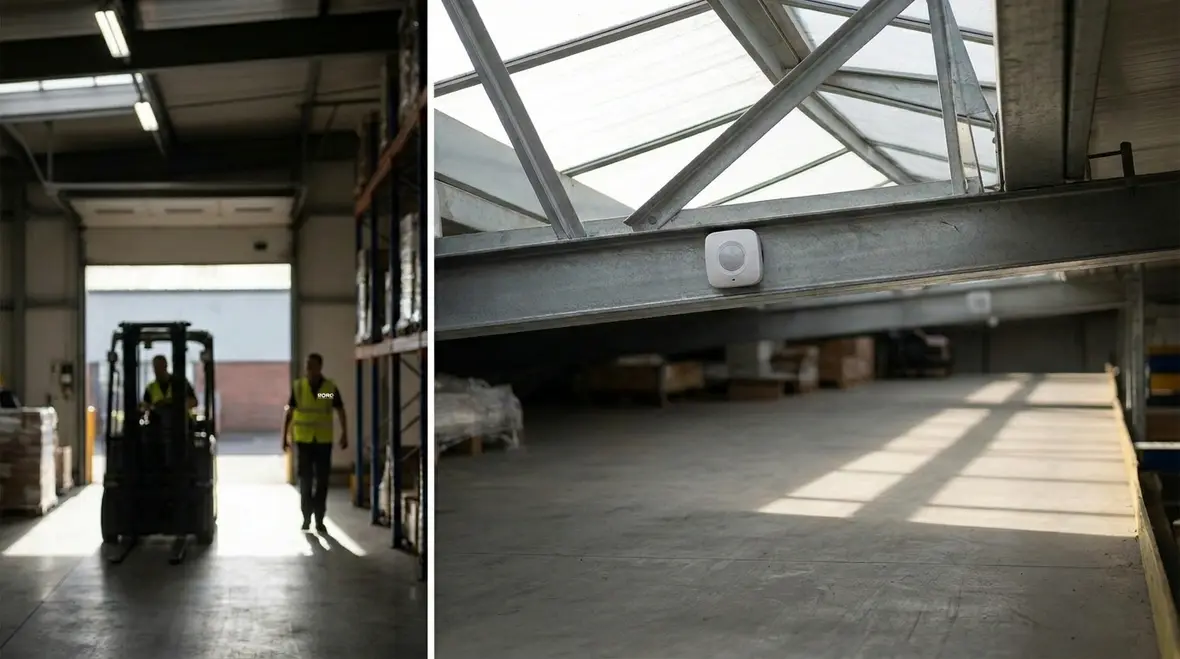
Warehouse lighting is not just a utility bill line item. It affects safety, picking speed, visibility, and comfort for teams working in aisles, staging areas, and dock zones. When lights run at full output regardless of occupancy, your facility pays for power that does not support active work.
Meanwhile, motion and daylight sensing can reduce that wasted runtime. In addition, scheduled dimming keeps lighting stable during shift transitions. As a result, the building uses less electricity without creating the “lights are either too bright or way too dim” problem that people sometimes fear.
Our approach stays practical. First, we assess your current lighting layout and control wiring. Then we match new control strategies to your process. For example, a pallet staging lane behaves differently than an automated storage area. Therefore, one size does not fit all, even if someone on the internet says it should.
Steps of a warehouse lighting controls upgrade that actually saves money
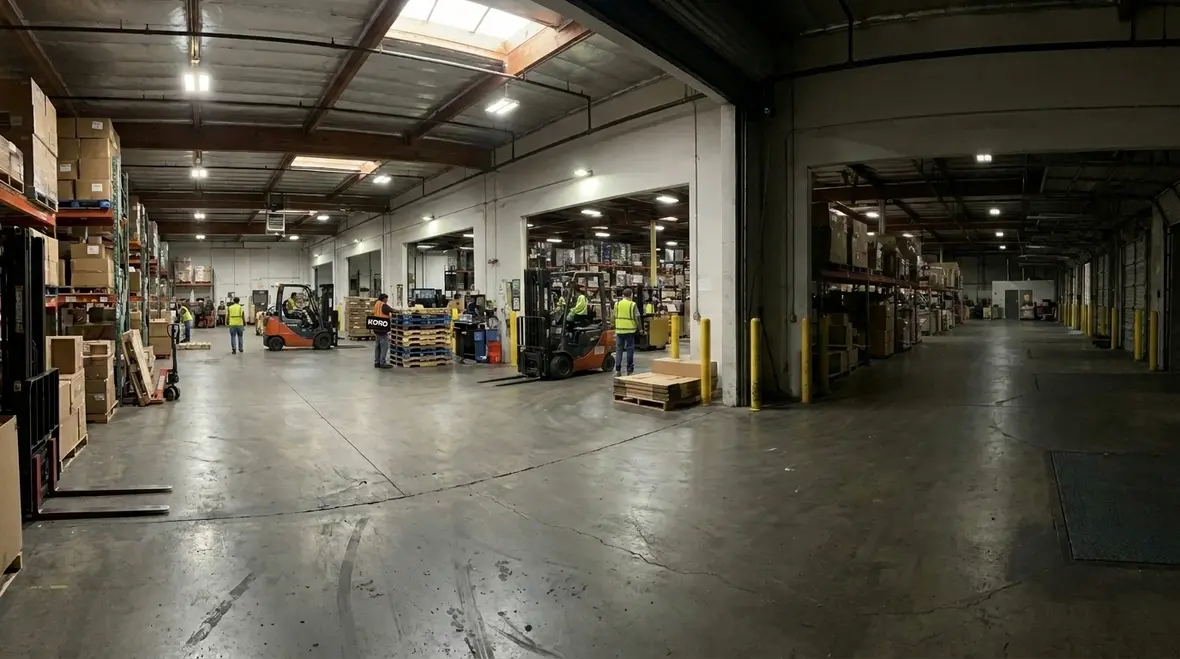
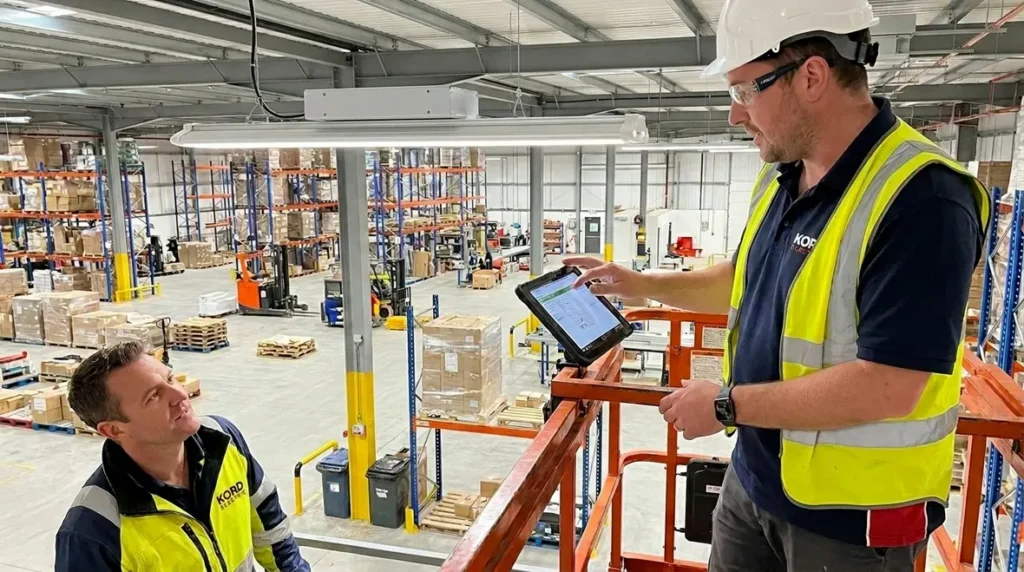
We guide facilities through a structured retrofit process. Because the electrical system in warehouses can be older, we treat planning as seriously as installation. Here is how it typically unfolds when we complete a controls upgrade with our technicians and expert service staff supporting every phase.
- Site discovery and usage mapping: We review occupancy patterns, shift timing, and task areas. Then we identify zones where lights can dim or switch without harming productivity.
- Lighting and control inventory: We confirm fixture types, drivers, existing controls, and power distribution. Next, we determine what can be reused and what needs replacement.
- Control design for the building: We set up strategies like occupancy sensing, scheduled dimming, and daylight harvesting where it fits. As a result, lights respond to real conditions.
- Commissioning and testing: We verify sensor coverage, response times, and minimum light levels. Then we adjust settings so the experience feels steady, not unpredictable.
- Documentation and handoff: We provide clear settings guidance for facility teams. Therefore, your staff can operate the system with confidence.
Throughout the process, we focus on what reduces runtime and improves control granularity. After all, a system that turns lights off in the wrong places is just expensive frustration in a new outfit.
For properties planning a broader modernization that includes both fixture upgrades and controls, it can be helpful to compare control strategies with overall project cost guidance like the insights in Kord Electric’s Commercial Lighting Upgrade Cost Guide, which explains how controls, fixture types, and ceiling heights work together to shape total investment and long term savings.
How occupancy sensing, dimming, and scheduling work together
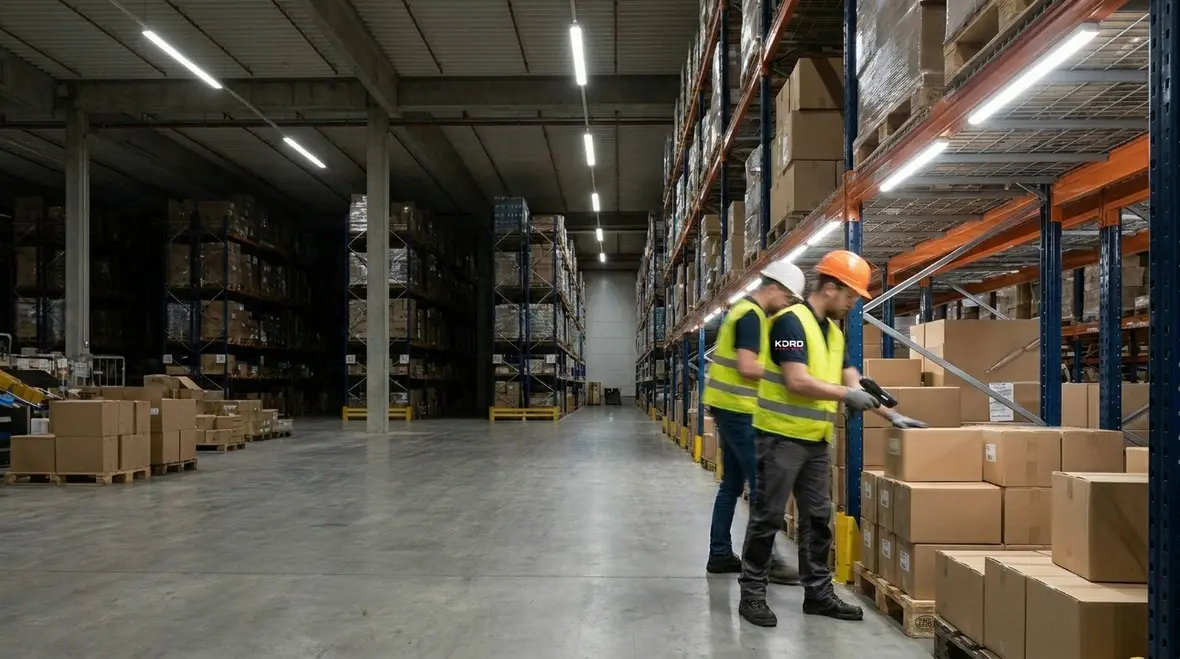
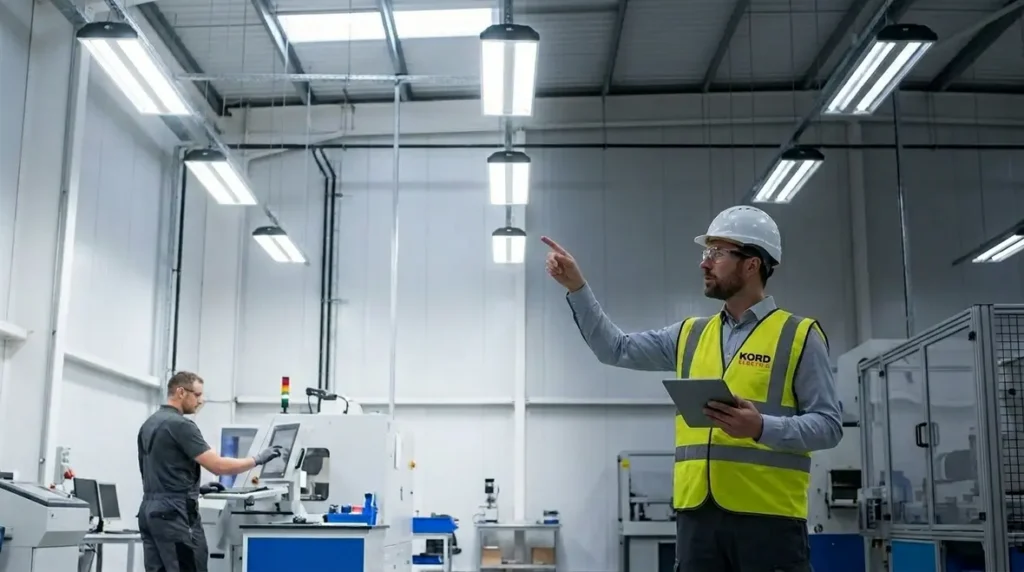
Modern controls perform best when they combine multiple signals. For that reason, we design systems that do not rely on only one trigger. Occupancy sensors detect movement in specific zones, while scheduling follows your shift patterns. Additionally, daylight sensors can dim lighting near windows when natural light is strong.
Here is the practical picture. During active work, occupancy sensors keep lights at a level that supports tasks. When activity drops, lights gradually dim instead of snapping off. That matters for safety and comfort, especially in aisles and near loading doors where people pause and then move again.
We also tailor time delays. If sensors react too quickly, teams feel like they are working under a strobe show. If they react too slowly, energy savings shrink. Therefore, our commissioning process balances responsiveness and efficiency based on how people actually walk, pick, and stage.
And if your facility runs nights or variable schedules, scheduling still matters. Even when occupancy detection covers many areas, schedules help maintain predictable lighting during planned events, audits, or maintenance windows. In short, the system becomes a reliable partner, not a mood ring for your warehouse lights.
For teams working in California, these same strategies also connect directly to code expectations. Guides like Kord Electric’s California Title 24 Lighting Retrofit ROI Guide break down how occupancy sensing, daylight harvesting, and scheduling can be tuned to both meet Title 24 requirements and support realistic warehouse workflows.
Where we see the biggest savings in commercial and industrial facilities
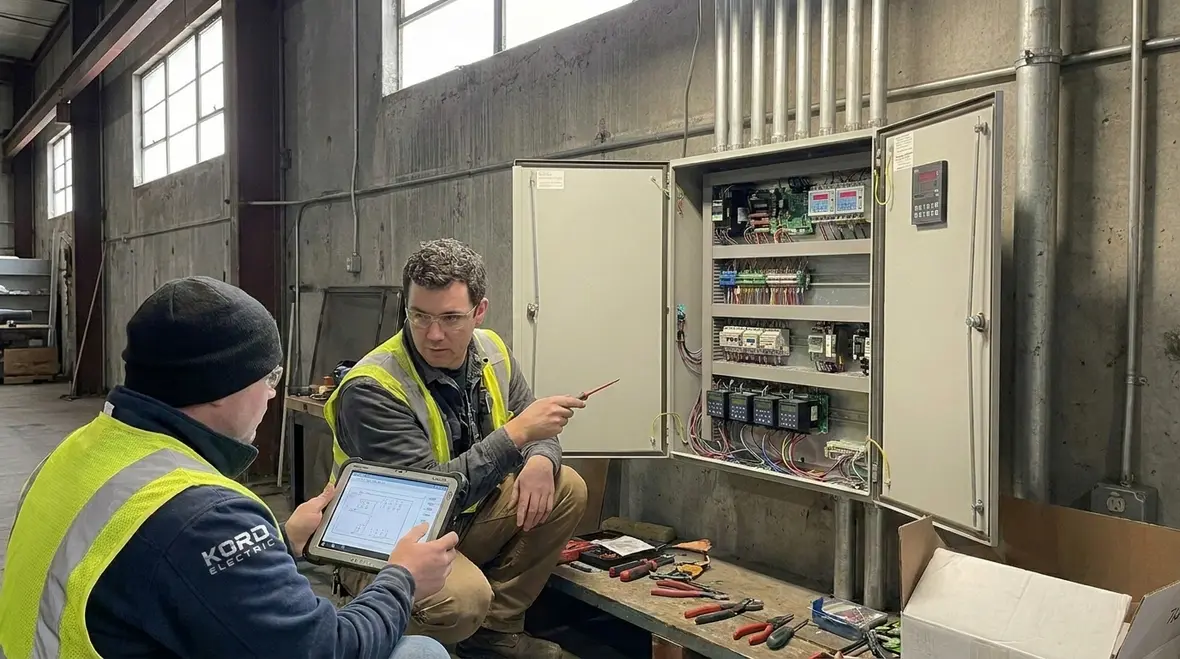
Not every warehouse space saves the same way. However, we consistently see strong results in zones where lighting runs longer than it needs to. Common targets include:
- Low occupancy areas: Break rooms, storage alcoves, and back corridors often operate at full output too long.
- Wide aisle coverage: Large open bays can waste power if controls do not match the activity pattern.
- Dock and staging transitions: Loading areas may see bursts of movement. With proper zoning, lights can dim during downtime.
- Sections affected by daylight: Skylights and high window exposure can support daylight harvesting to reduce runtime.
- Evenings and off shifts: Scheduled dimming during predictable low-activity times adds savings without sacrificing visibility.
Next, we examine how your current equipment behaves. If you have lighting controlled only by timers or by switches that never get used, a controls retrofit can reduce waste immediately. Meanwhile, if you already have partial control, we still find opportunities by improving zoning and calibration. In other words, even a “pretty good” system often has room to get better.
Our technicians explain options clearly, so the facility team can choose a plan that fits budget, operational needs, and retrofit constraints.
If your facility is also working through broader code questions, pairing a controls conversation with resources like the Commercial Lighting Compliance in California guide can help align warehouse controls upgrades with inspection expectations from day one.
Technical planning considerations before the retrofit begins
Before we install, we make sure the building can support the upgrade safely and reliably. Electrical infrastructure matters. Controls rely on power availability, proper wiring practices, and compatible devices.
We also review safety requirements. Warehouses typically include industrial hazards, high mounting heights, and varied surfaces that affect sensor performance. Therefore, we choose sensor placement and settings that maintain coverage without false triggers.
Commissioning deserves real attention too. We test response timing, light level thresholds, and coverage paths. Then we adjust so the system supports operations, not interrupt it. After all, nobody wants a retrofit that behaves like a prank. Unless you are trying to win a “Best Show, Worst Timing” award.
In addition, we plan for ongoing performance. We document settings and recommend maintenance checks so controls stay accurate. Also, if a facility expands or changes layout, we can help update zoning rather than restart from scratch.
Our expert service staff stays involved after installation, because good systems do not end at turn on day. They improve day after day when they are tuned to the real workflow.
What facilities should expect during installation and aftercare
Commercial and industrial buildings need clear communication, minimal downtime, and predictable staging. We schedule work to align with operations, and we coordinate with facility managers on access and safety. Then we keep technicians focused on completing the upgrade without unnecessary disruption.
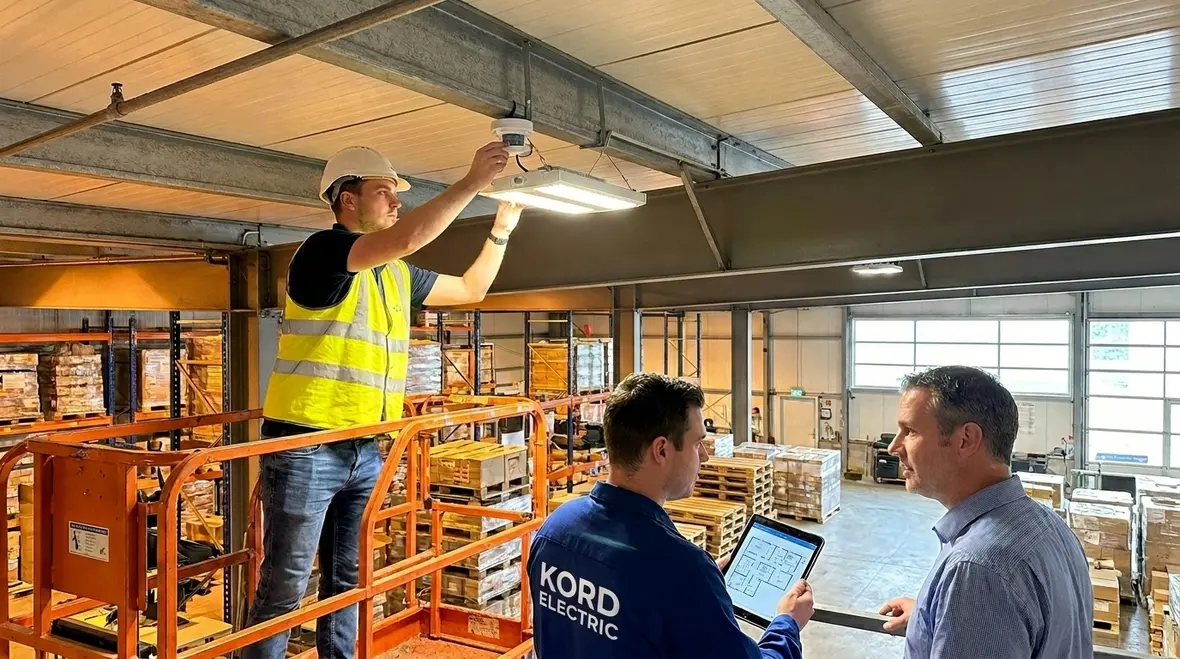
During installation, our team verifies wiring and device compatibility. After that, we test each zone. If a sensor needs better alignment or a delay needs adjustment, we fix it before handoff. Consequently, the system starts in a stable state instead of becoming a “we will tweak later” project that never ends.
Aftercare matters as well. We help teams understand how to adjust schedules and how to interpret alerts, if your system includes monitoring features. We also support troubleshooting if something changes in the building environment, like new racking, altered traffic patterns, or an equipment layout update.
So, the retrofit becomes an operational improvement, not a one time event that you forget the moment the lights come back on. And yes, we still respect that your warehouse runs on deadlines, not wishes.
FAQ
Ready to reduce waste with a controls upgrade
If your warehouse lights run too long, too bright, or in the wrong zones, a warehouse lighting controls upgrade can help you regain control and cut energy use without harming safety or productivity. Kord Electric builds retrofit plans for commercial and industrial facilities, and our technicians and expert service staff explain every decision along the way.
Many facility leaders also combine controls work with fixture upgrades through services like Kord Electric’s dedicated Lighting Installation Services, creating a single project that modernizes high bay fixtures, sharpens control response, and aligns the entire system with current commercial and industrial standards.
Contact us to schedule a site assessment and get a controls strategy tailored to your layout, schedule, and workflow. Let us turn wasted runtime into real savings and make your next warehouse lighting controls upgrade a lasting asset for both energy performance and day to day operations.