Commercial Subpanel Electrical Services Guide
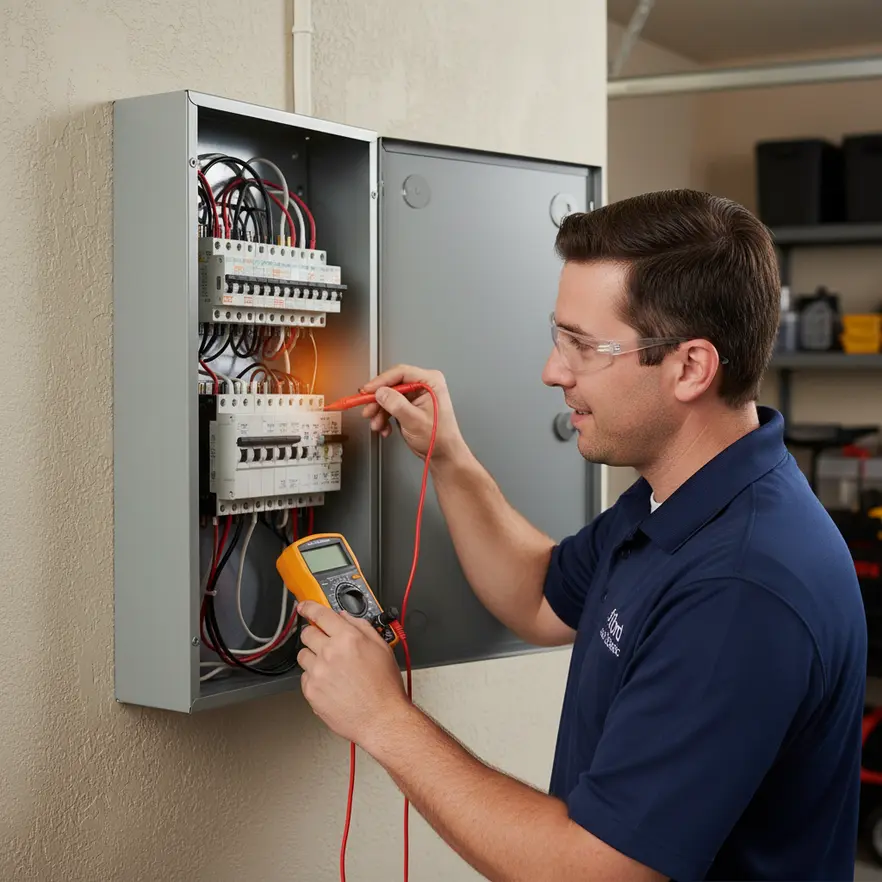
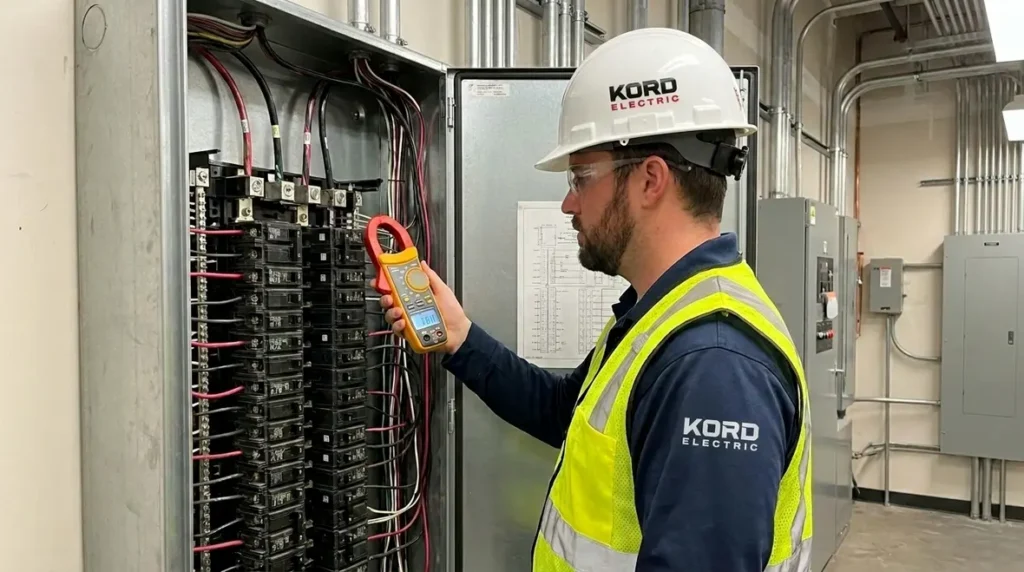
Kord Electric supports commercial and industrial facilities with commercial subpanel electrical services that keep power distribution steady as buildings grow. When a business expands, the electrical load rarely stays quiet. It grows. It adds refrigeration, lighting, HVAC upgrades, new production lines, point of sale systems, EV charging, and the kind of “small” renovations that somehow multiply overnight. At Kord Electric, we coordinate expansion planning, inspections, and clean panel upgrades so others do not inherit problems later. And if you are picturing sparks and chaos, relax. We handle it with calm process, good documentation, and expert service staff who explain each step so building owners can make clear decisions.
How to recognize you need commercial subpanel expansion
Many facilities wait too long. However, smart leaders watch the signs early and then plan with care. Kord Electric technicians look for both electrical and operational clues because power issues rarely show up alone.
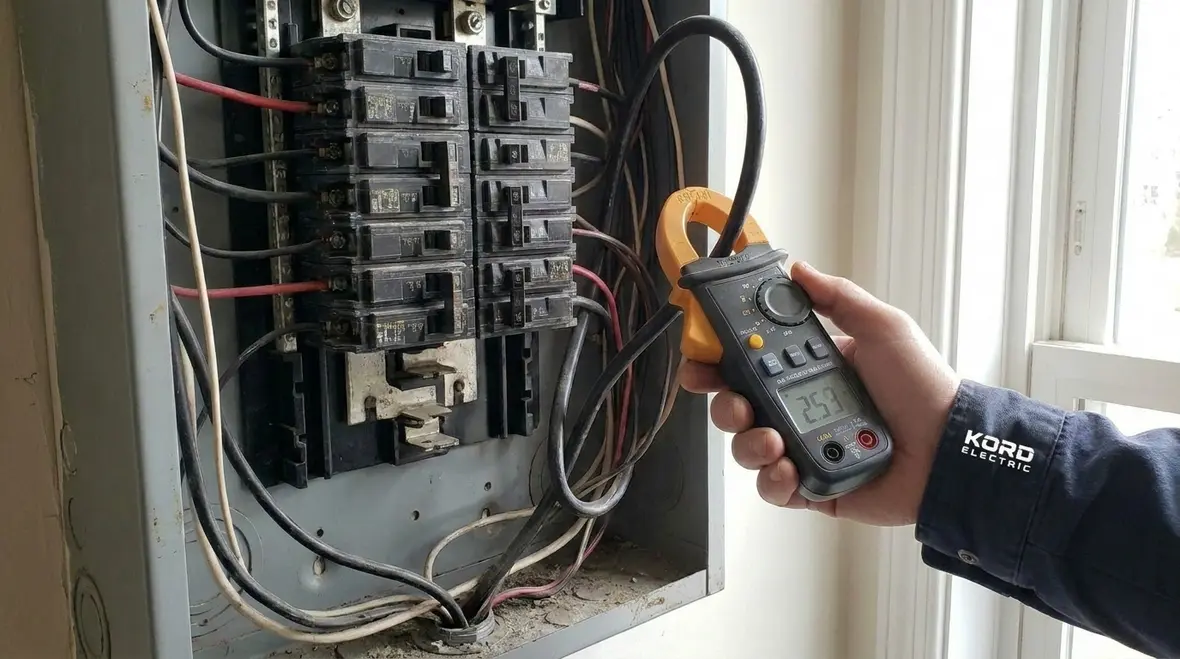
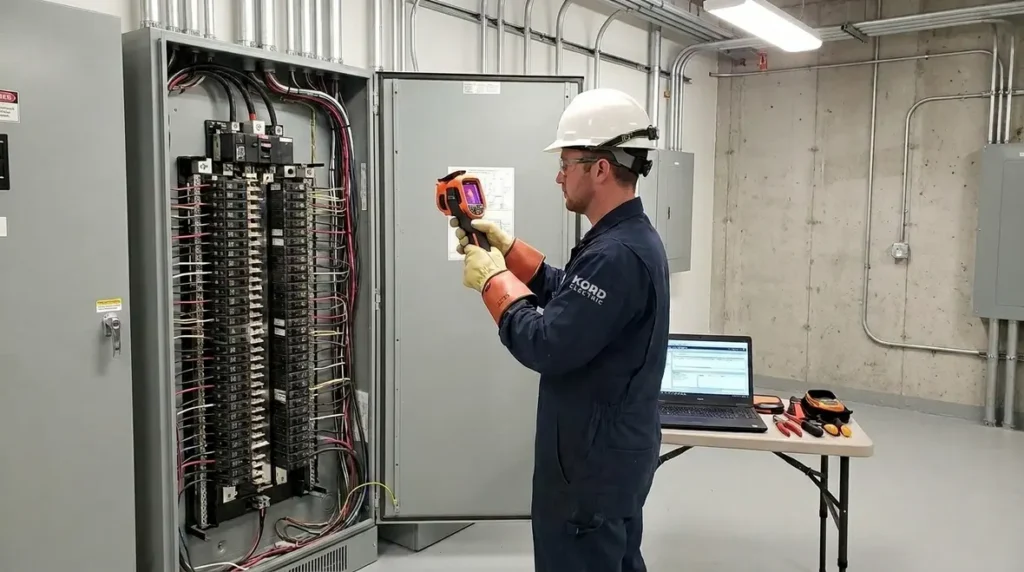
First, the most obvious signal is frequent breaker trips. Then there are also dimming lights during high load times, buzzing from panel components, or a faint burning smell that no one “wants to report.” Even when nothing fails, heat is still information. If thermal imaging shows hot spots, the system is working harder than it should. In addition, facilities often notice that electricians are called for “one more circuit” so often that the panel turns into a crowded parking lot with no spaces left.
To keep growth on schedule, others should track load changes such as:
- New equipment installations and process line changes
- Upgrades to HVAC, compressors, boilers, or ventilation controls
- More lighting circuits or new exterior lighting zones
- Tenant buildouts in retail or office environments within one building
- Kitchen, laundry, or specialty loads in a major property building
Meanwhile, the facility manager should not rely on “it seems fine.” Data beats guessing. We recommend reviewing load calculations and panel capacity before the next project begins, not after the bill arrives and everyone starts acting like electricity is a prank you cannot win.
Growth triggers: when business expansion stresses the electrical system
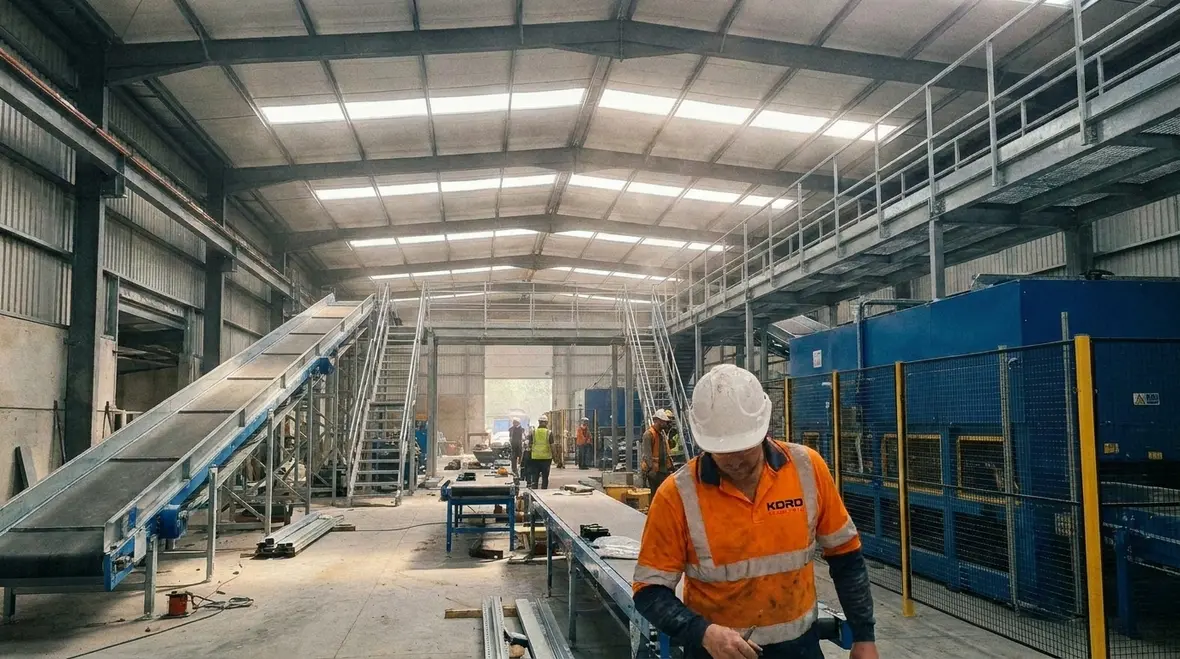
Commercial growth creates electrical ripple effects. Even when the business adds only one new machine, that machine pulls power, often repeatedly. Therefore expansion should include power planning, not just construction planning. At Kord Electric, our expert service staff explains the cause and effect in plain terms. So the team can connect the dots without needing an engineering degree and a secret decoder ring.
Here are common triggers that signal it is time to expand the distribution strategy, which often includes adding capacity at the panel level or creating a new downstream layout:
- Expansion of production or warehousing, including new motors, conveyors, or racking systems
- Longer operating hours due to staffing or contract work
- Seasonal load spikes that get worse each year, especially with climate control
- Technology upgrades such as data closets, server rooms, wireless upgrades, or access control systems
- Site electrical additions like new parking lot lighting, signage, or building entrances
In many cases, others attempt to solve the issue by moving circuits around. That can work for small changes, yet it often leaves a mess that looks organized today and costs more tomorrow. Instead, we plan for orderly distribution so new loads land where they should, with safe protection and clear labeling. After all, a good panel should behave like a good manager: it keeps work flowing and avoids chaos.
Panel capacity planning: load calculations and spare space
When building owners plan early, they reduce risk and cost. Load calculations and available space in the enclosure drive the decisions. Kord Electric focuses on realistic connected loads, demand factors, and the operating reality of the facility. Because commercial and industrial loads vary, a simple rule of thumb rarely fits.
Additionally, spare breaker space matters. If the panel is already full, future additions force risky shortcuts. We often find that spare capacity is not just about empty slots. It also includes bussing capacity, conductor sizing, and the condition of existing components. So even if the panel looks “roomy,” it may not support the next upgrade safely.
To support proper planning, we typically review:
- Existing circuit inventory and breaker ratings
- Major loads that run at the same time
- Load priority needs, especially for critical operations
- Future phases of construction or tenant work
- Panel labeling and routing practices
We then translate the results into a practical roadmap. Others may want to jump straight to the install. However, the best outcomes come from getting the plan right first. That is how you avoid repeated “minor fixes” that add up like a thousand small paper cuts you did not ask for.
Electrical code compliance and inspection readiness

Business growth does not pause for paperwork, yet compliance cannot be skipped. Kord Electric stays focused on safe installation and code-aligned practices so the facility passes inspection with less friction. In our work, we often reference the same kind of guidance you can find in our Lighting Installation Code Compliance Guide because it reflects how thorough documentation and correct methods protect both people and property.
When others add or expand circuits, they must treat the details like they matter, because they do. Grounding and bonding connections must meet expectations. Conductors need proper sizing and routing. Components must match the equipment and environment. And lighting and branch circuits must follow the rules that apply to those systems.
Our expert service staff explains compliance in a way that is not stressful. You do not need to memorize code sections. You do need to understand what gets checked, why it gets checked, and how we prepare the paperwork. Then inspections go smoother. And yes, inspections can still feel like pop quizzes, but with proper planning you at least know what subject you are studying.
Choose the right approach: new feeders, subpanel zoning, and safer routing
Expansion is not one size fits all. Sometimes the best answer is adding a new subpanel to better distribute loads. Other times, the solution involves new feeders, updated routing, or reworking the way circuits get grouped. Kord Electric evaluates what the facility truly needs so the solution supports current and future operations.
We often recommend subpanel zoning for facilities with different areas that use power at different times. That zoning reduces the burden on one section and improves serviceability. Moreover, it makes troubleshooting easier because the building team can trace issues faster.
As we design the layout, we also think about:
- Whether circuits should share the same usage pattern or be separated for stability
- How existing wiring routes will affect conductor fill and heat management
- Where future tenant improvements or expansions may happen
- How labeling supports fast maintenance and safety
In real life, others often underestimate how messy routing gets when people squeeze new cables into old paths. So we plan pathways, strap points, and access needs. We keep it neat because neat reduces risk. And it also makes future work faster, which is one of the rare times “organized” feels like a win for everyone.
How technicians keep downtime low during commercial electrical work

Power upgrades can be scheduled. Kord Electric builds work plans around business needs so facilities stay running. While some projects require a brief outage, we coordinate timing, verify loads, and set expectations clearly. Our technicians communicate like professionals, not fortune tellers. You get a timeline, an on site plan, and updates during the work.
To reduce downtime, we often handle these steps with careful sequencing:
- Pre job assessment and circuit mapping
- Staged installation so areas return to service in phases
- Testing and verification before final energization
- Clear labeling updates for immediate usability
- Post install walkthrough with the facility team
Meanwhile, we also explain what happens to the building system during the transition. Others worry about the “mystery black box” of electrical work. We remove mystery. Our expert service staff talks through what we do and why, and they answer questions as we go. It is calmer, and frankly it feels better than guessing while a deadline taps its foot like a villain in a sitcom.
FAQ
When expansion is next, call Kord Electric for a clean power plan
Business growth moves fast, but electrical planning should move smarter. Kord Electric helps commercial and industrial facilities expand with commercial subpanel electrical services that support future loads, improve safety, and keep downtime low. If your panel is nearing capacity or your loads are changing, we suggest an assessment before the next project starts. Call us today, and our expert service staff will explain your options clearly, schedule work with care, and help others avoid the “we should have done this earlier” regret.
For decision makers comparing options across their facilities, this guide also pairs well with broader planning resources such as Kord Electric’s Rewiring Cost Guide for Commercial Electrical Systems and the Hidden Electrical Risks in Commercial Buildings, which highlight how panel capacity, distribution planning, and maintenance work together over time.
If your facility wants to keep those upgraded panels and subpanels running reliably after the project finishes, consider pairing this work with Kord Electric’s dedicated Electrical Preventive Maintenance services. Coordinated inspections, thermal imaging, and structured documentation help protect the investment you make in cleaner, safer power distribution.