Manufacturing Facility Lighting Upgrade Boosts Productivity
How a Manufacturing Facility Lighting Upgrade Changes Productivity
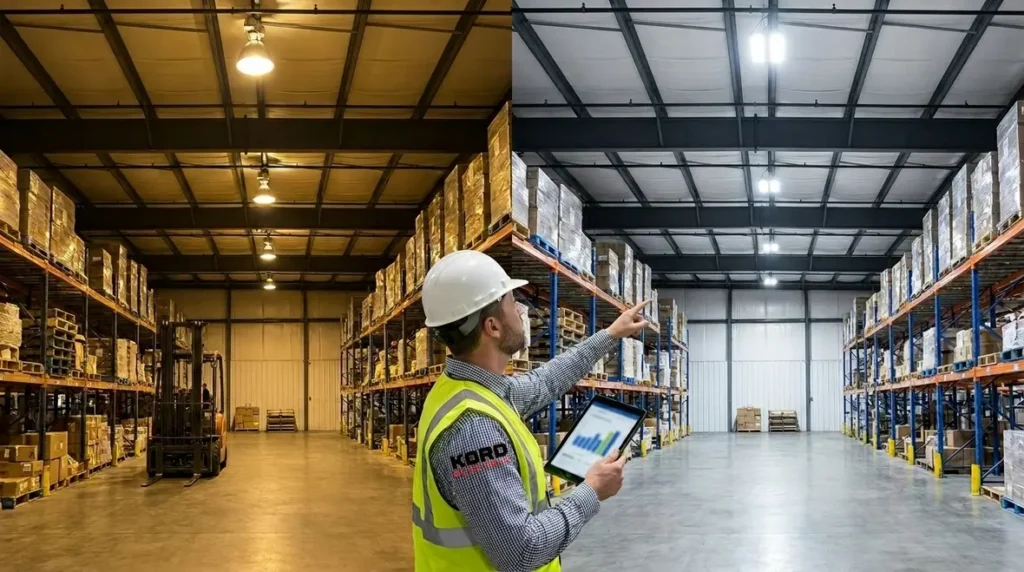
When a manufacturing team tackles a manufacturing facility lighting upgrade, the goal is not just brighter rooms. At Kord Electric, we see it as a practical, day to day boost for output, safety, and focus. First, better light levels make it easier to spot defects, read labels, and move with confidence. Then, once we install the right fixtures and controls, workers spend less time pausing, squinting, or stepping around avoidable glare. In short, the upgrade helps people work cleaner and steadier, not harder like a character in an old sitcom forced to use a flashlight from 1997.
And yes, our expert service staff explains the plan in plain language, so the floor stays calm while the work gets done.
Why Lighting Affects Focus on the Production Line
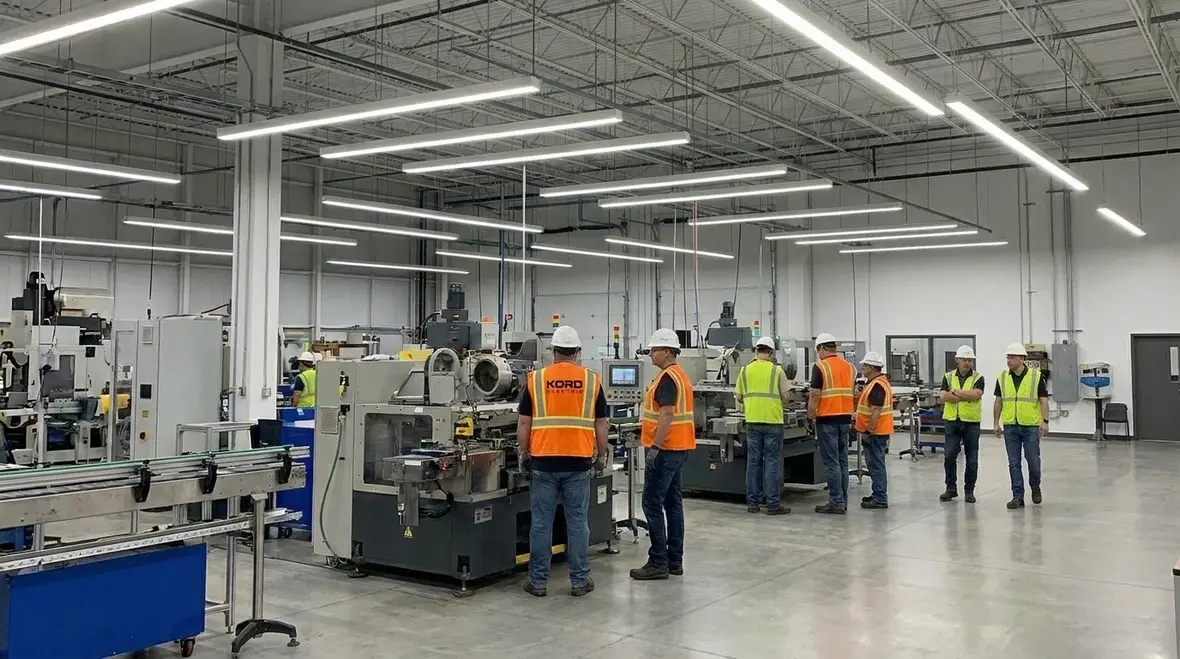
In commercial and industrial plants, tiny visual delays add up. When light is inconsistent, people compensate without realizing it. They lean closer, slow their steps, or double check their work more often. As a result, quality suffers first, and then productivity follows.
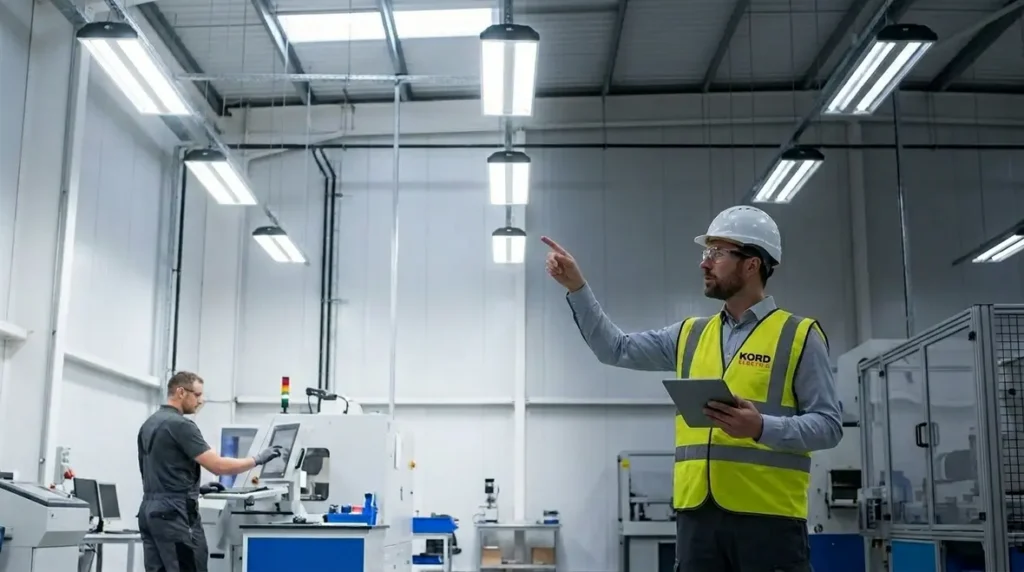
We design upgrades around what workers actually do at each station. For example, inspectors need steady color and good contrast, while operators often need glare control so displays and moving parts stay clear. Furthermore, we account for reflections from floors, shiny metal, and packaging materials. That is important because bright light that bounces back into the eyes can feel worse than dim light.
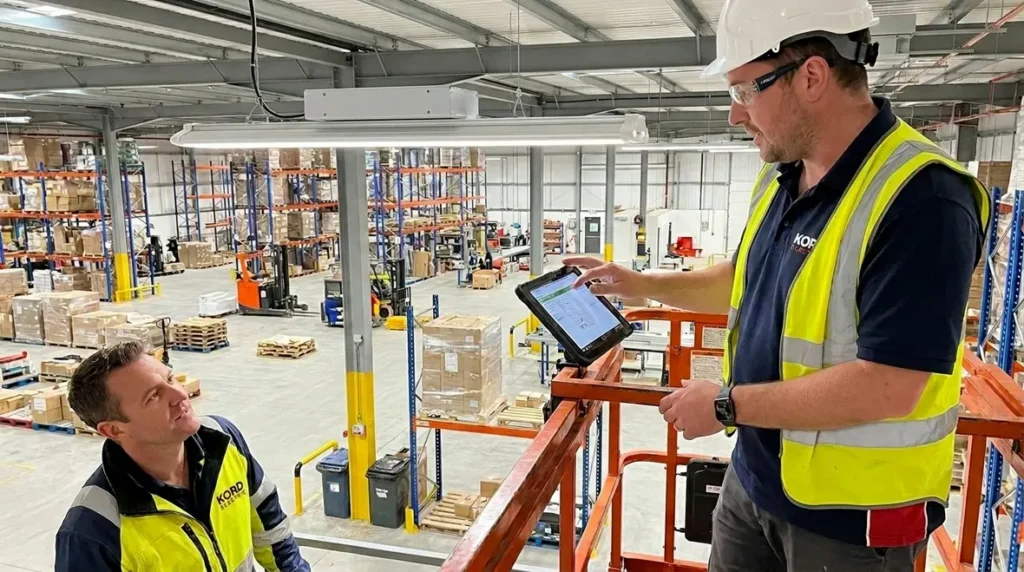
Our technicians walk the area, then explain the findings in a simple way. They tell the team what changes the eye most. After that, we help others understand how the updated lighting supports safer decisions during fast tasks.
Lower Glare and Better Visibility Reduce Mistakes
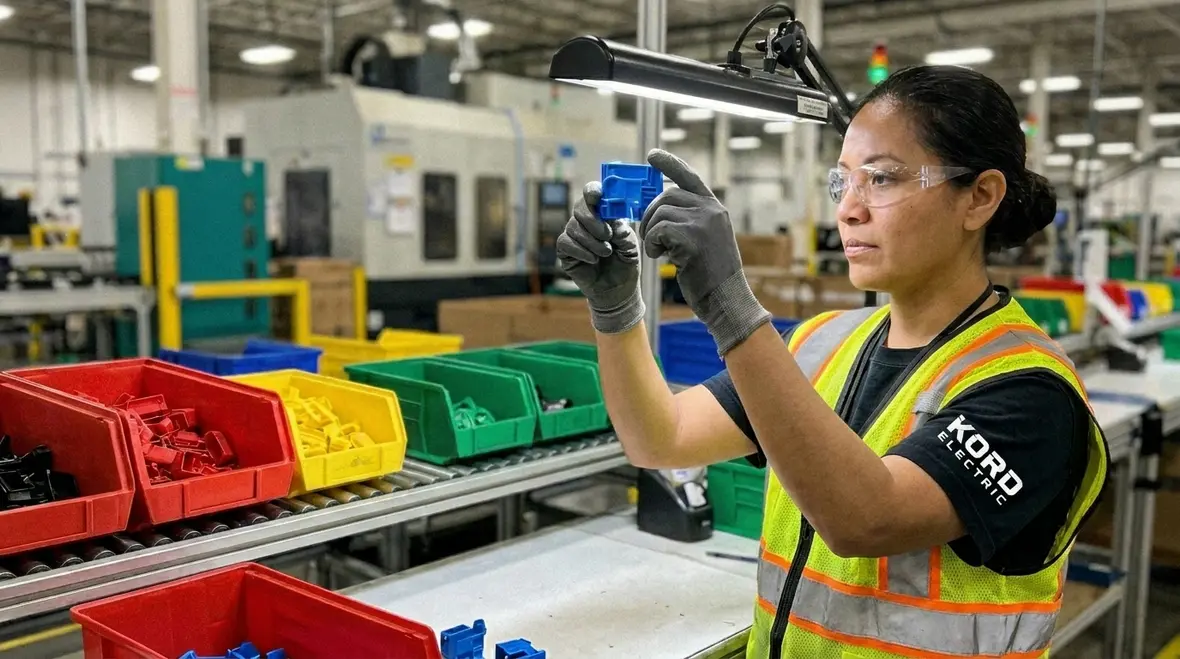
Glare is sneaky. It can flatten contrast, hide small flaws, and turn a routine check into a guessing game. Even if the average brightness looks fine, a few hot spots can still create visual fatigue. Therefore, a true manufacturing facility lighting upgrade focuses on distribution, not just lumen count.
At Kord Electric, we often recommend approaches like proper fixture placement, diffusers, and thoughtful aiming so light lands where the work lives. In addition, we balance the lighting across aisles and workstation edges. That way, a worker does not enter a dark boundary zone between fixtures and suddenly lose detail.
Others in the industry sometimes chase the “brightest possible” goal. We take a more grounded route. We install to support accuracy, because accuracy is what prevents rework, scrap, and time spent correcting avoidable issues. Also, when people feel confident in what they see, they move with less hesitation.
If you are planning a larger retrofit, it can help to pair your lighting and layout planning with broader industrial lighting layout optimization for production efficiency, so fixture placement, mounting heights, and task coverage all work together instead of fighting the workflow.
Faster Workflow With Lighting Controls and Smart Scheduling
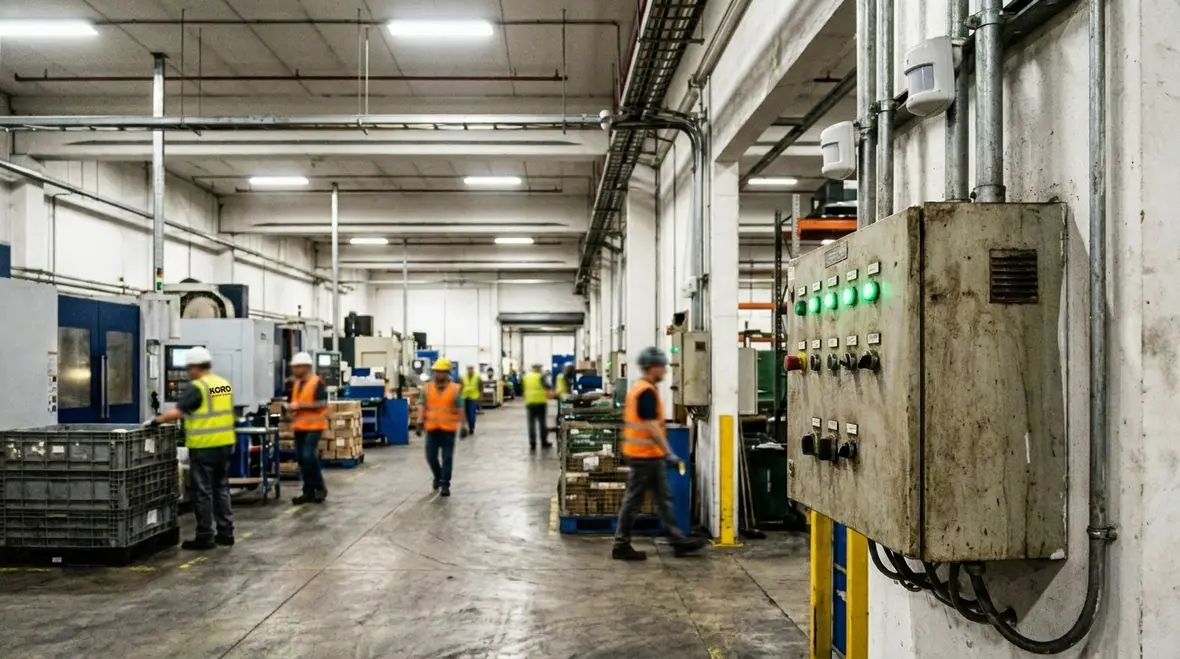
Once the right fixtures go in, controls often become the secret weapon. Through dimming, occupancy sensing, and scheduling, a plant can keep consistent light during shifts and reduce waste when areas sit idle. And yes, controls can save energy, but the productivity side matters just as much.
For instance, if an overhead area stays too dim during startup, workers compensate until the space “catches up.” Then, quality checks come late and rechecks come early. However, with planned controls, the lighting reaches the right level at the right time. Consequently, the first hour of a shift runs smoother.
Our team coordinates upgrades to match real operations. We can phase changes by zone, so production crews keep moving and other trades do not get stuck. Meanwhile, our expert service staff explains what each control does and how operators should respond. That reduces confusion and keeps the floor from turning into an accidental science fair.
For facilities working under California energy codes, it is also important to align those controls with Title 24 requirements. Our team frequently helps property managers navigate these standards through resources like our California commercial lighting code guides, so productivity, compliance, and energy savings all move in the same direction.
Safer Work Leads to Fewer Interruptions
Safety and productivity share the same root cause: fewer surprises. When lighting supports clear sightlines, workers avoid trip hazards, see markings and edges, and notice moving equipment earlier. As a result, near misses decrease. When incidents drop, the plant does not lose time to reports, stand downs, and training resets.
In industrial settings, safety relies on the small details. Floor lines must stay visible. Machine surroundings must not cast deep shadows. Stairways and dock areas need dependable coverage. Therefore, we focus on the full path workers travel, not just the main work deck.
When teams upgrade lighting correctly, supervisors spend less time chasing recurring issues. They can focus on output and maintenance planning, rather than firefighting. And when an emergency does happen, better visibility helps everyone respond faster. Kord Electric works with commercial and industrial facilities and major property buildings, because those environments demand steady, code minded solutions.
Many of these safety and uptime gains pair well with structured electrical maintenance plans. If you are planning broader electrical reliability work, refer to our detailed guide on commercial and industrial electrical maintenance plans to align your lighting and power strategies.
Support From Maintenance Plans Keeps Performance Steady
A lighting upgrade is not a one time miracle. It is a system, and systems need upkeep. Over time, dust builds, lenses haze, lamps or drivers age, and controls drift out of sync if no one checks them. That is where our approach gets practical.
In the maintenance plan we outline on our blog, we emphasize routine checks and planned service so performance stays consistent. We help facilities track what matters: fixture output, control behavior, and areas that trend dim or flicker. In other words, we prevent “quiet failures” that show up as gradual productivity loss. Nobody cheers for dim lighting, even if it feels “mature.”
Our technicians explain what to monitor and why each check protects both safety and workflow. Then, we schedule work so it does not interrupt production more than it must. This matters because the best lighting is the lighting that keeps working day after day, not the lighting that looks great during the ribbon cutting and then fades into complaints.
For organizations that want a more formalized strategy, we often pair lighting checks with broader electrical preventive maintenance programs so panels, breakers, and emergency systems support the upgraded lighting rather than holding it back.
What a Typical Upgrade Looks Like on a Working Site
For commercial and industrial clients, we keep the process clear and controlled. First, we review the facility layout, existing fixture types, and the tasks in each zone. Then, we assess current light levels and identify where glare, shadowing, or color issues harm work.
Next, we plan installation in a way that respects the production schedule. We coordinate access, staging, and safety controls so technicians can work without turning your shift into a demolition episode. After that, we install the new fixtures and controls, then verify performance so the team gets what they were promised.
Finally, our expert service staff trains the right people on what to expect. We also explain how to report changes early, so minor issues get fixed before they grow. This process keeps operations moving and helps the manufacturing facility lighting upgrade deliver results that last, not just shine for a week.
If you are curious how these upgrades intersect with cost, rebates, and long term savings, you can also explore our commercial lighting upgrade cost guide to understand what shapes the investment for large facilities.
Dual Column Checklist: Productivity Wins We Target
Issue on site
-
Workers strain to read labels and gauges
-
Glare slows inspections and increases eye fatigue
-
Dark edges and aisle transitions hide hazards
-
Lighting feels inconsistent at shift start
-
Dirty fixtures and aging components reduce output
What the lighting upgrade improves
-
Better contrast and stable light levels
-
Reduced glare and better fixture aiming
-
More uniform coverage across routes
-
Controls that match the schedule and occupancy
-
Maintenance checks that protect performance over time
FAQ
Call Kord Electric for a Facility Lighting Upgrade That Performs
If your commercial or industrial facility feels darker than it should, or if productivity issues seem to “hide” behind everyday complaints, we can help. Kord Electric designs and installs lighting solutions that support real tasks, reduce glare, and keep safety clear. Then we back it with practical service planning so the results stay steady. Contact us to review your site, identify the highest impact zones, and build a phased plan that works with your schedule. Let’s make the lighting earn its keep.
If you are ready to move from ideas to implementation, our team can also connect your project with broader electrical preventive maintenance services designed specifically for commercial and industrial properties, so your upgraded lighting has the reliable power backbone it deserves.