Commercial Subpanel Installation Considerations
When Kord Electric supports a building, we treat each job like it will be inspected, tested, and relied on for years. That means our Commercial subpanel installation considerations start early, before a single breaker gets mounted. We plan for load growth, busbar capacity, safe routing, and clean labeling. Then we expand the system with the same care, so future tenants, new equipment, and rising power demand do not turn your electrical room into a frantic guessing game. Our technicians and expert service staff explain what we are doing in plain language, because nobody should need a “decoder ring” to understand their panel schedule. In other words, we install it right the first time, and we keep it easy to maintain later.
What Kord Electric plans before we install a subpanel
Before we touch hardware, we start with the building’s actual power story. Then we connect that story to the National Electrical Code and to the practical needs of commercial and industrial facilities. In many projects, the subpanel becomes the nervous system for entire floors or zones, so we design around how the building will operate, not just how it operates today.
Our technicians review the facility layout, utility service size, existing panel capacity, and the likely path of feeders and circuits. Next, we check the panelboard requirements for ampacity and terminations. We also look at the environment, such as damp areas, dust, and heat near mechanical rooms. This matters because even a well sized system can fail if the components do not match the conditions.
We also plan for future expansion with discipline. Instead of adding circuits like sprinkles on a sundae, we reserve space where it makes sense, and we verify the bus and feeder capability. When a future remodel happens, the electrical infrastructure should adapt, not choke. And yes, we have seen buildings where the subpanel is full before the tenant even opens. That is less like progress and more like musical chairs with higher stakes.
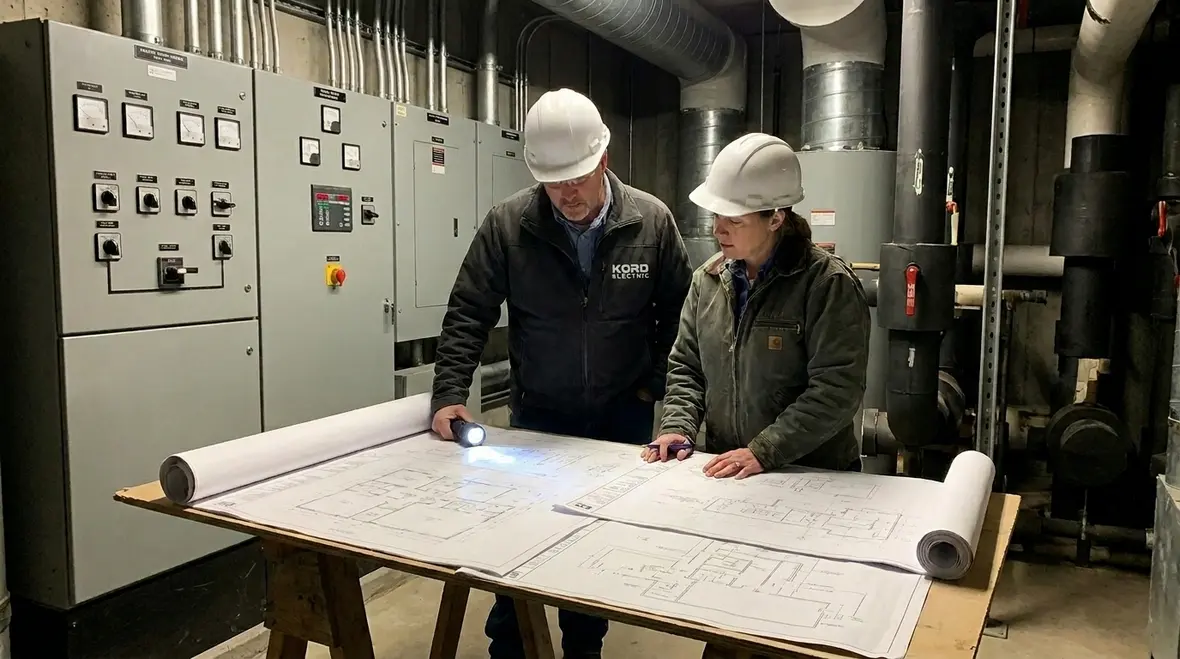
During this planning phase, we also help owners connect the dots between day-to-day operations and long-term electrical reliability. A well-designed subpanel strategy supports everything from tenant improvements to specialized equipment upgrades. When we sit down with facility teams, we talk through what is on site today, what might arrive next year, and what would break the system if it showed up without a plan. That way, the subpanel does not become a bottleneck when the business finally grows the way you want it to.
We also look carefully at coordination with existing infrastructure. If your building already has complex distribution equipment in place, we map how a new subpanel will interact with upstream devices. That includes fault current availability, short-circuit ratings, and where selective coordination makes sense. The goal is simple: if something goes wrong, the right device trips first, and the rest of your building keeps running.
How we apply code basics to subpanel sizing and protection
Most people want a quick answer, like “just add a bigger panel.” But electrical safety does not work like a fast food upgrade. It requires correct protection and correct configuration. We follow the NEC framework described in our code guidance, including the ideas that explain how the National Electrical Code supports safe design and installation for 2026 requirements. For building owners and managers who want to go deeper, we connect this work to resources like our article on understanding NFPA 70 and the National Electrical Code for 2026, so you can see how the standards show up in real decisions.
From there, we confirm how the subpanel will be fed and how branch circuits will be protected. We verify conductor sizing, overcurrent protection coordination, and grounding and bonding rules that keep metallic systems at safe reference points. Moreover, we verify that the subpanel components match the intended use and that the panel schedule aligns with labeling, inspection needs, and field reality.
Just as importantly, we do not treat code as a checkbox. We translate it into jobsite decisions, like whether a conduit route changes the allowable derating considerations or whether a termination method fits the conductor type. Our service staff explains these choices step by step, so facility managers understand why we did what we did and what it prevents.
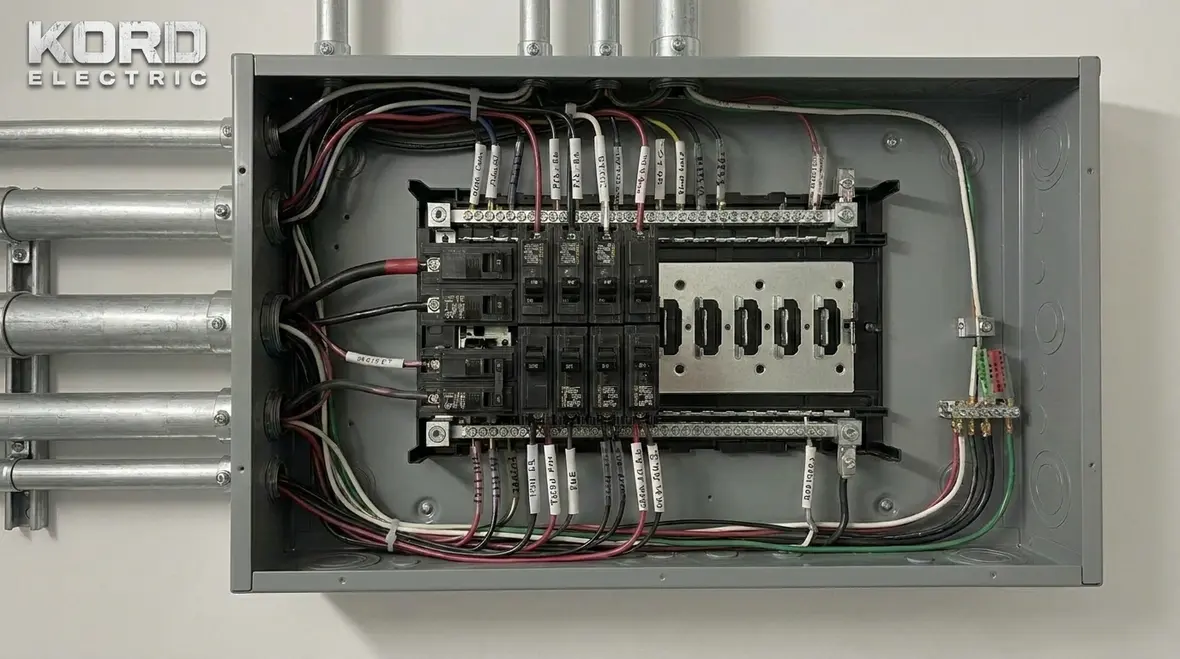
We also walk through available fault current and interrupting ratings so the commercial subpanel installation considerations are grounded in real numbers, not guesses. Matching breakers, bus structures, and upstream protective devices to the actual system conditions keeps nuisance tripping low and safety margins high. When inspections happen, the documentation already tells a clear story, which keeps projects moving instead of stalling over last-minute questions.
Load calculations that reflect real equipment, not wishful thinking
In commercial and industrial buildings, load is not just a number. It is the sum of motors, HVAC equipment, cooking loads, process equipment, plug loads, lighting, and the power surges that come with starting currents. Therefore, Kord Electric performs load calculations that match the equipment list and the usage pattern, including diversity where it applies.
Then we look at the short list of “gotchas” that blow up after installation. A new production line might draw more than expected at start up. A tenant fit out might add equipment without updating the electrical plan. Meanwhile, HVAC controls can cause steady and intermittent loads to stack. That is why we consider the expansion timeline and not only today’s nameplate ratings.
We also verify that the subpanel supports the connected load within its ratings. We confirm that bus capacity and breaker selection match the design. And we make sure the circuit layout supports maintenance. If a circuit feeds critical loads, we consider how outages affect operations. That is the difference between a subpanel that works and a subpanel that keeps downtime small.
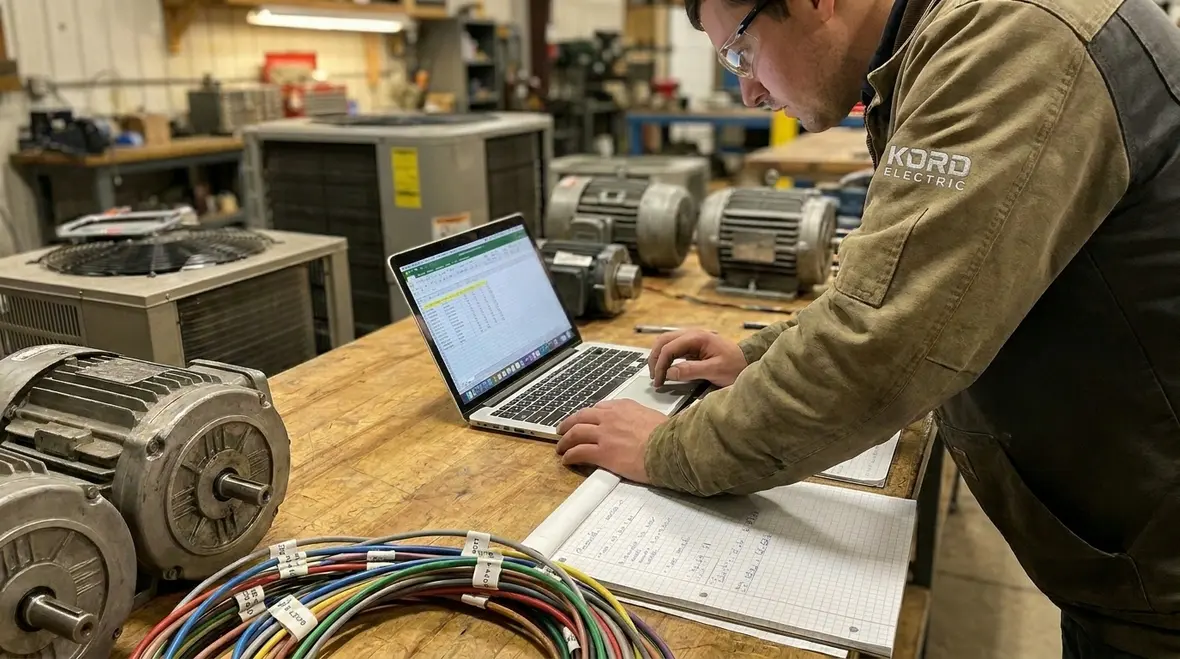
Our team also studies how loads behave during abnormal conditions. For example, if multiple large motors restart after a brief outage, inrush currents can stack in ways the original design never anticipated. We look at those scenarios up front, so that when life happens, the subpanel and upstream distribution still behave predictably.
We pay attention to how modern electronics change the picture as well. Variable frequency drives, LED lighting, and power supplies for IT equipment can all introduce non-linear loads that influence neutral currents and harmonic content. Incorporating those realities into the commercial subpanel installation considerations makes the finished system more resilient, quieter, and more compatible with sensitive gear.
Expansion strategy for when the building grows
Buildings rarely stay still. So, we design subpanel systems that can expand without turning into a wiring demolition project. First, we plan space in the panelboard and in the raceway system. Second, we plan for how circuits will be added later, which includes leaving room for future breakers and keeping the routing neat enough to trace.
We also think about the “order of operations” for expansion. For example, if a future phase adds new HVAC units, we determine whether the additional feeders should tie into the subpanel now or wait until the next phase. Sometimes it is wiser to prepare with conduit stubs and labeled pathways rather than install everything immediately. That helps the facility move quickly later, without cutting corners.
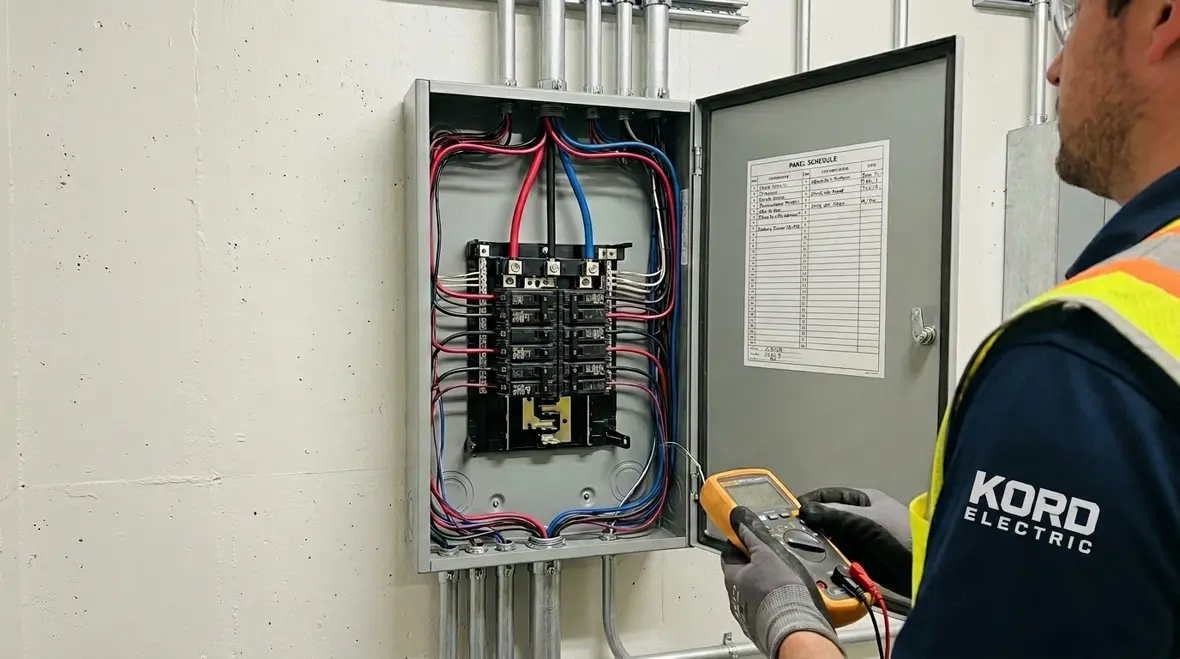
Additionally, we make sure labeling is not a last minute chore. Our technicians label breakers and circuits clearly, and we include a panel schedule that matches the installed work. This sounds simple, but it is one of those tasks that saves hours during troubleshooting. If you have ever tried to find a breaker in a panel with illegible marker scribbles, you know why we treat labeling like it is part of safety, not decoration. As the saying goes, nothing ruins a day like “mystery power.”
Our expansion planning also accounts for how tenant improvements typically unfold in your market. In some buildings, the subpanel becomes the “go to” source for pop-up office layouts, new production tools, or specialty equipment. We design the panel layout, spare capacity, and raceway strategy so those future projects can move quickly without sacrificing safety or code compliance.
When a building is part of a larger campus or portfolio, we help owners standardize on panel types, labeling conventions, and documentation. That makes it easier for in-house maintenance teams to move between sites and immediately understand what they are looking at. Consistency is one of the quiet heroes in electrical reliability.
Grounding, bonding, and safety checks that protect people and equipment
Commercial facilities rely on stable electrical systems. Therefore, we verify grounding and bonding so fault currents clear safely and protective devices operate as intended. We also confirm that equipment grounding conductors connect correctly and that the system architecture matches the intended design.
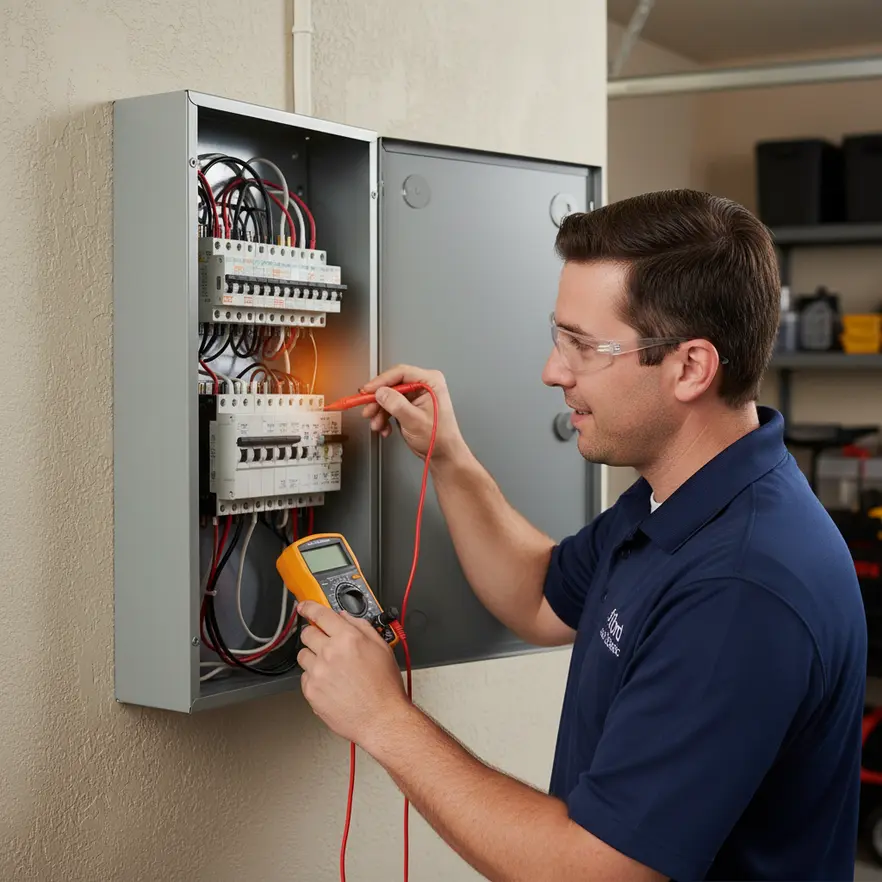
In subpanels, these steps matter because errors can lead to nuisance tripping, unsafe metal enclosure conditions, or damage to sensitive electronics. After installation, we perform testing and verification, so we can confirm continuity, correct polarity, and proper termination quality. Then we document the results in a way that helps the facility team maintain the system going forward.
Our expert service staff explains the “why” during walkthroughs. They do not hide behind jargon, and they do not rush the explanation. Instead, they help facility leaders understand how the system protects motors, computers, servers, and machinery. And in a world where businesses depend on uptime more than ever, that calm confidence matters.
We also review bonding jumpers, neutral isolation practices, and any parallel paths that might compromise fault clearing or create stray current paths. In commercial and industrial environments, those details can make the difference between a clean, predictable response to a fault and a confusing cascade of symptoms.
Installation details that prevent costly rework
Even with perfect sizing and correct code intent, poor installation details can cause failure. Kord Electric pays attention to the field items that often drive future rework. We secure conduits properly, maintain bend quality, and ensure conductor support matches the cable and raceway system. Then we focus on terminations and torque standards, because loose connections create heat, and heat is the silent enemy of electrical gear.
We also manage conductor routing so installers later can identify runs without guessing. As part of our process, we coordinate with other trades when the jobsite gets busy. That reduces cutting, patching, and accidental damage to completed work. And yes, we have watched other crews treat conduit routing like it is modern art. It looked interesting, but it did not make inspections any easier.
Finally, we verify the panel interior cleanliness and component fit. We ensure there is adequate working space, proper covers, correct labeling placement, and safe wire management. Then we confirm the subpanel is ready for normal operations, not just for the inspection photo.
We also capture photos and as-built notes so that years later, when someone is trying to understand why a certain area was wired a certain way, the answers do not depend on whoever “might remember.” That documentation habit keeps service calls shorter and helps protect the investment you have already made in the electrical system.
Commercial subpanel installation and maintenance that stays easy
After we install the subpanel, we help the facility maintain it with less stress. First, we provide a clear panel schedule and circuit directory. Next, we advise how to document changes when additional circuits get added. Then we recommend periodic inspections based on use, environment, and operational risk.
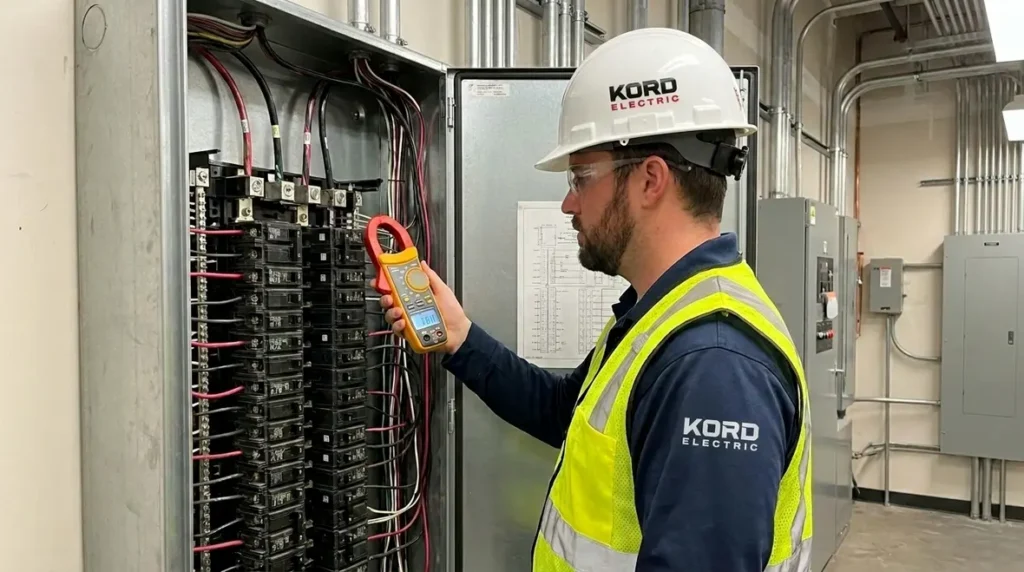
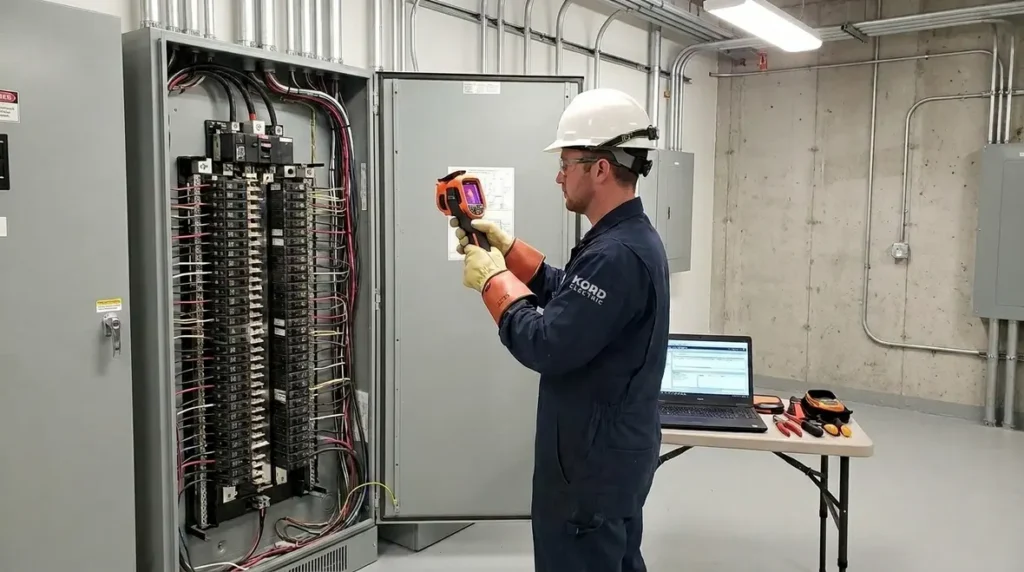
For commercial and industrial buildings, maintenance is not just replacing parts. It includes monitoring for signs of overheating, verifying torque where appropriate, and checking for changes in load patterns. We also encourage facilities to call us before they add equipment. A simple pre installation call can prevent an expensive scramble later.
If a future expansion arrives, our technicians can evaluate whether the subpanel arrangement still fits the new demand. We can also coordinate upgrades with minimal disruption. That means less downtime for production areas and fewer surprises for building operations.
Because so many systems now run 24/7, we tailor maintenance windows and sequencing to your operations. Whether you manage offices, manufacturing, healthcare, or data-heavy environments, we plan commercial subpanel installation considerations and maintenance steps around your critical processes, not the other way around.
FAQ
Call Kord Electric for expert subpanel work
If your facility needs a new subpanel or a planned expansion, Kord Electric brings expert planning, solid code alignment, and careful field execution for commercial and industrial buildings. Our technicians and expert service staff explain every step, so facility leaders understand the design and the safety reasons behind it. Reach out to us before the next phase of growth, and we will help you size the system, protect operations, and keep downtime low. Let us handle the power work, while your team focuses on running the business.
For building owners in the region, our Los Angeles County electrical services cover the full spectrum of commercial electrical needs, from new subpanel installations to panel upgrades, troubleshooting, and coordinated maintenance. When you are planning the next project or addressing issues in an existing system, partnering with a team that understands commercial subpanel installation considerations from design through lifecycle care can save time, cost, and stress across the life of the building.
Whether your next step is a tenant improvement, a capacity upgrade, or a ground-up build, Kord Electric is ready to help you turn a complex electrical plan into a subpanel and distribution system that works simply and safely. When you are ready to talk through options or schedule a walkthrough, our team is a call or click away.