
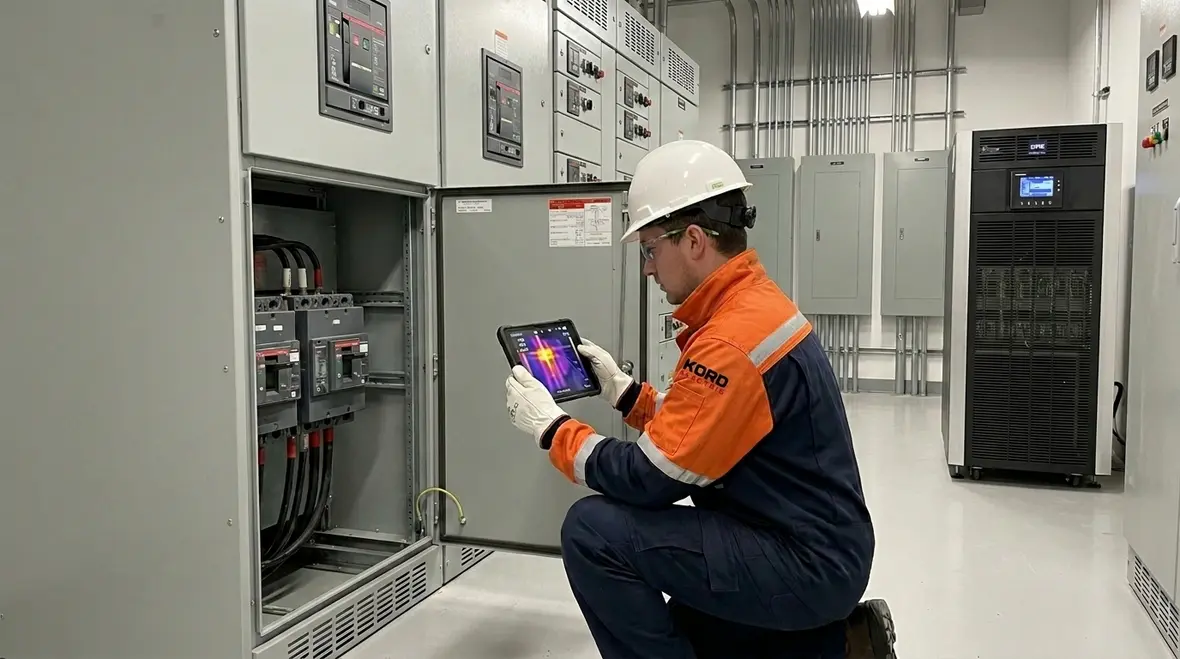
Business Continuity Electrical Solutions Guide
Business continuity electrical solutions: the steady backbone for commercial power
At Kord Electric, we build and support Business continuity electrical solutions for commercial and industrial facilities and major property buildings. We know that when the lights flicker or the power drops, operations do not simply pause, they stumble. And once a business stumbles, customers notice, staff feel it, and costs grow fast.
Now, power reliability can sound like a topic for sleepovers and safety posters. However, in real life, it comes down to infrastructure decisions made long before an outage. In the sections ahead, we explain how electrical infrastructure supports business continuity planning, how we help teams reduce hidden risks, and how our technicians explain the “why” in plain, practical terms.
What electrical infrastructure means for business continuity planning
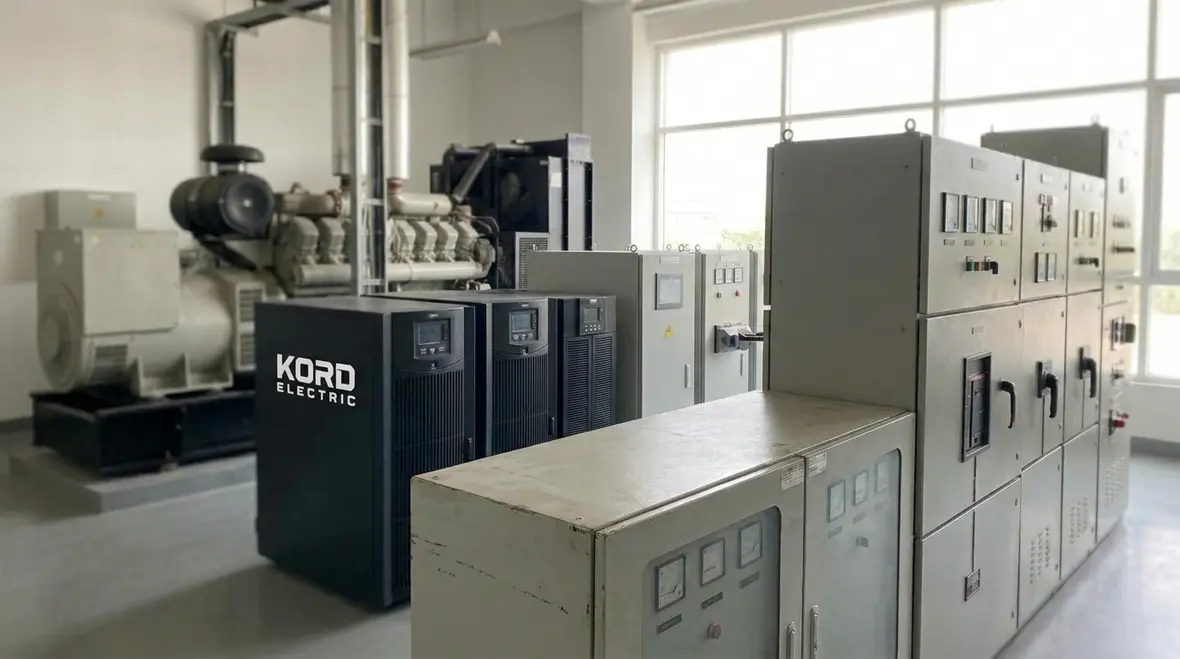
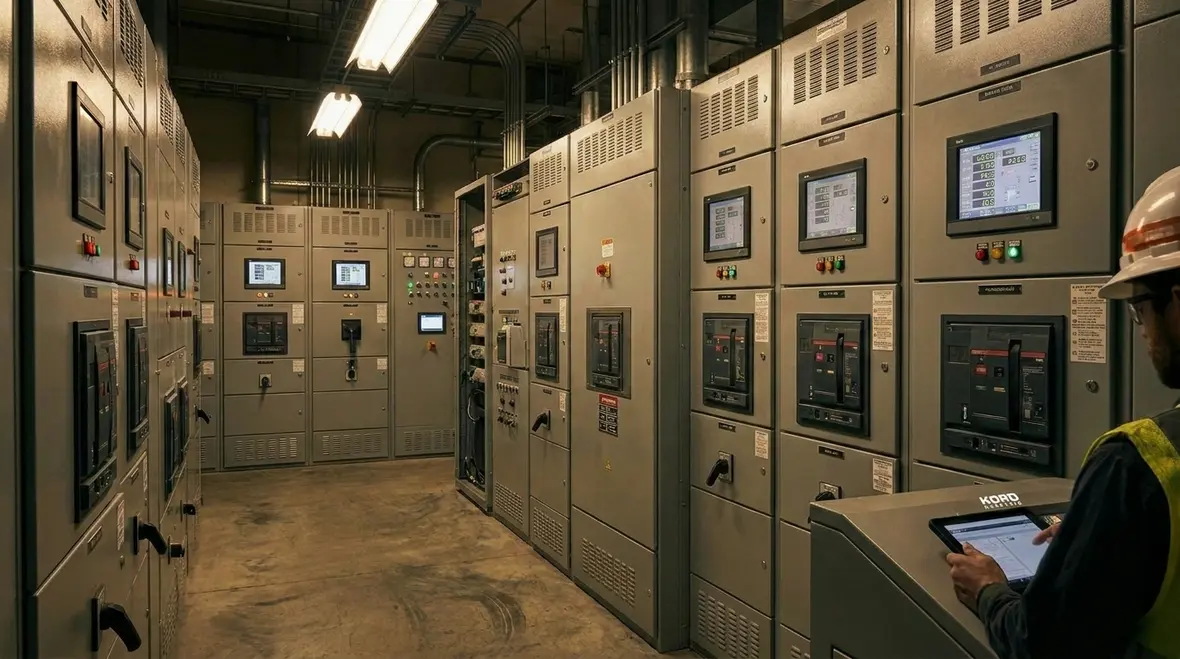
Electrical infrastructure is not just wires and boxes. It is the system that moves energy from utility service to switchgear, panels, UPS units, backup generators, lighting loads, controls, and the final outlets your business depends on. Because each link has a job, continuity planning needs to treat the entire chain like one machine.
When we help commercial and industrial clients plan for continuity, we focus on three goals. First, we aim to keep critical loads powered long enough to execute a response plan. Second, we aim to reduce unexpected failures caused by aging parts, poor connections, or wrong protective settings. Third, we aim to restore power in a clear, safe sequence so staff do not guess in the dark.
And yes, guessing in electrical systems is a bit like using a kitchen blender as a screwdriver. It can work in movies. In real buildings, it usually ends with smoke.
Because electrical reliability touches safety as well as uptime, we also encourage facility teams to connect continuity planning with broader code and compliance thinking. Resources like Kord Electric’s guide to NFPA 70A vs NEC for commercial electrical compliance help leaders understand how design, inspection, and documentation work together so critical systems stay both reliable and compliant over time.
Hidden electrical risks in commercial buildings that derail continuity
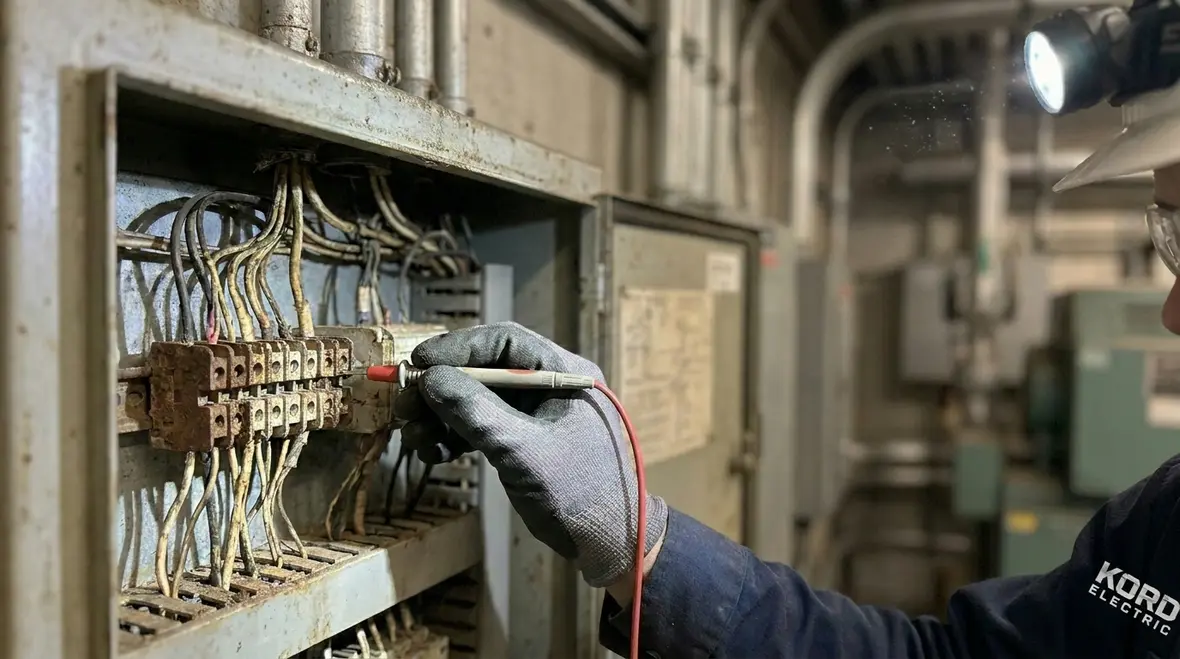
Even well designed facilities can carry risks that act quietly until they do not. In our own article on hidden electrical risks in commercial buildings, we highlight how problems like degraded insulation, overheating connections, and outdated protective devices can pass checks for a while, yet still fail during load changes, storms, or normal daily stress. That matters for continuity because an outage is not always about the grid. Sometimes the failure starts inside the building.
Our expert service staff explains these risks using a simple logic. If an electrical component runs too hot, it ages faster. If it ages faster, it fails sooner. And if it fails during a power event, your continuity plan loses time and confidence.
We commonly see issues that connect to business continuity:
- Loose or corroded terminations that heat up under load and trip breakers or fail gradually
- Improper breaker sizing or coordination that causes one fault to shut down more systems than it should
- UPS systems that are not matched to actual loads so ride through time is far shorter than expected
- Switchgear components that show wear but still “work” until the day the building needs them most
Therefore, we help teams connect the dots between maintenance results and continuity goals. We do not just check equipment. We translate findings into continuity impact.
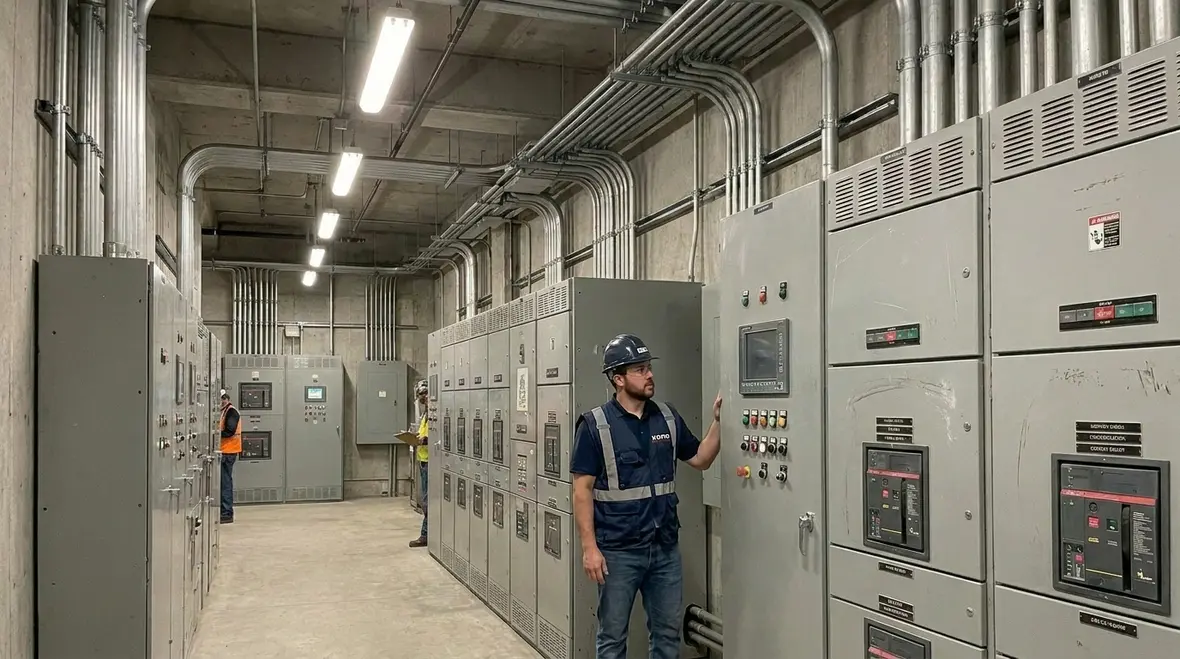
For property teams that want fewer surprises when the utility blinks, pairing this risk review with what you already know about emergency power failures in commercial buildings creates a more honest picture of how your systems behave under stress instead of how they look on a one line diagram.
How redundancy and load management keep operations running
Business continuity planning fails when redundancy exists only on paper. Real continuity requires redundancy that aligns with how the facility actually runs. That means we evaluate critical loads, starting with what must stay alive during an outage or a utility event.
Next, we match the electrical design to those needs. For example, we may separate critical circuits so a fault does not take down the entire building. We may implement staged power restoration so emergency systems come first, then life safety loads, then business critical equipment, and finally non critical loads.
And because every facility has its own “personality,” we look at load behavior too. Some systems draw steady power. Others surge at startup. So we plan for inrush currents, motor starting profiles, and HVAC control sequences. Otherwise, generators and transfer switches can get overworked and trip at the worst time.
Our technicians often say it best: the continuity plan should match reality, not a best case scenario. In other words, we build for the day the building behaves like a building, not like a spreadsheet.
In multi building portfolios or complex sites, this same thinking applies to specialty systems as well. Articles such as Kord Fire Protection’s coverage of fire pump power supply reliability and fire alarm wiring best practices underline how both fire protection and electrical infrastructure benefit when redundancy, power quality, and device coordination are treated as one continuity story instead of separate checklists.
Transfer switches, generators, UPS: the continuity chain in plain terms
When clients ask how continuity works, we explain it like a relay race with safety rules. The utility power runs the first leg. If it drops, the transfer equipment hands off power to the next leg. That next leg may be a UPS for fast ride through, then a generator for longer duration support.
Here is where details matter. Transfer switches need correct settings, reliable detection, and proper maintenance so they do not hesitate. UPS systems need correct sizing for actual critical loads. Generators need fuel strategy, maintenance schedules, and test plans that reflect real operating conditions.
Moreover, we consider how each system interacts. If a transfer switch delays longer than expected, the UPS must cover the gap. If the UPS load profile differs from the design assumptions, run time shrinks. If the generator is not coordinated with startup demands, voltage dips can trigger downstream protective devices.
Our expert service staff helps teams understand these interactions. Then we help them document a continuity path that operations, safety, and facilities teams can follow. That documentation makes training easier and response faster, which is the real win during an outage.
For teams working in markets with demanding inspection regimes, it also helps to align this continuity chain with lighting and controls. Kord Electric’s lighting installation code compliance guide shows how even “simple” circuits benefit from thoughtful design and testing, especially when those circuits connect to emergency lighting or exit path visibility during power events.
Testing, inspection, and maintenance that strengthen continuity
Most continuity plans mention response steps. Fewer plans mention verification. Yet verification is what turns a plan into something reliable. Electrical systems change over time due to wear, dust, heat, moisture, vibration, and upgrades made by contractors who did not share the original design intent.
That is why we build maintenance around continuity outcomes. We support electrical preventive maintenance and targeted inspections that focus on risk. We also help clients plan testing schedules for critical systems, including transfer operation and UPS health checks.
When we find issues, we explain them without drama, just facts. Then we offer options with priorities. Sometimes the best move is to tighten terminations or correct protective coordination. Other times it is to update controls so switchover happens predictably.
To keep things clear, we sometimes lay out a two lane view of work so decision makers can act quickly, without getting lost in technical fog.
| Continuity priority | What we verify |
| Keep life safety systems online | Protection settings, transfer timing, and emergency power pathways |
| Maintain operations during transition | UPS ride through time, load compatibility, and sequence control |
| Prevent cascading failures | Switchgear condition, coordination, and fault isolation design |
So yes, maintenance can feel like paperwork. But it is also the difference between “we think it will work” and “we know it will work.” And in commercial and industrial facilities, that difference pays for itself.
If your facility has already experienced nuisance trips or unexplained restarts, pairing structured maintenance with insights from resources like Kord Fire’s coverage of electrical hazards behind common fire code violations can reveal where everyday habits and temporary fixes might be undermining your Business continuity electrical solutions behind the scenes.
Planning for people, procedures, and safe response during power events
Electrical continuity does not live in the panelboard alone. It lives in how people respond. When continuity planning aligns with electrical design, staff act with confidence instead of confusion.
We support that alignment by helping teams understand what each system will do during an event. For instance, our technicians explain whether a UPS covers only certain control circuits or whether it supports broader loads. We also help clarify what staff should expect during transfer, such as short interruptions, alarms, or staged energization.
Additionally, we emphasize safe response. Electrical faults can create hazards, including energized equipment, arc flash risk, and abnormal operating states. Our team focuses on lockout and tagout awareness, safe inspection steps, and clear guidance on what not to touch. Because a continuity plan that ignores safety is not a plan. It is a dare.
Therefore, we encourage coordination between facilities, operations, safety officers, and building leadership. When everyone understands the electrical continuity chain, training becomes more effective, and incident response becomes more orderly.
For organizations that manage both electrical and life safety systems, it also pays to remember that continuity thinking extends into fire alarm and suppression controls. Kord Fire Protection’s articles on detecting electrical faults in fire alarm panels early and preventing false discharges in fire suppression systems both reinforce a central idea: calm, verified response beats guesswork every time.
FAQ: business continuity electrical solutions for commercial and industrial buildings
Ready to strengthen your continuity power plan?
If your commercial or industrial facility needs power reliability you can trust, Kord Electric is ready to help. We support Business continuity electrical solutions through risk reviews, maintenance planning, and continuity focused design and service. Our technicians and expert service staff explain findings in clear terms so your team can act with confidence. Reach out to us today, and let us help you turn continuity planning from hope into a dependable, tested system.
When you are mapping next steps, it can help to think in layers: emergency power behavior, day to day reliability, and long term upgrades. For some facility leaders, that starts with a focused review of emergency power failures and hidden electrical risks. For others, it may mean aligning outdoor paths of travel, signage, and landscape lighting with the same continuity mindset used for interior systems, so the property feels orderly and safe even when the grid is having a bad day.
If your properties span multiple jurisdictions or you manage a high profile portfolio in Southern California, partnering with a dedicated commercial electrical team that already understands local expectations and commercial uptime pressures can save time on every project. Kord Electric’s Los Angeles County electrical services support construction, maintenance, and emergency response for government, commercial, and industrial clients, giving you one point of contact for both everyday work and continuity critical upgrades.
For organizations that prefer to review ideas and next steps in one place, Kord Electric’s broader blog library on topics like hidden risks, voltage fluctuations, emergency power failures, and lighting installation code compliance offers practical context around the same questions your team is probably asking today: where are we vulnerable, how serious is it, and what should we fix first to keep our operations steady.
Wherever you choose to begin, the goal is the same: move from guessing about reliability to proving it through testing, documentation, and clear procedures. That is the heart of Business continuity electrical solutions, and it is work you do not have to tackle alone.


