Electrical Troubleshooting for Commercial Buildings
Electrical troubleshooting for facility managers: what we watch for in commercial buildings
At Kord Electric, we handle electrical troubleshooting for facility managers across commercial, industrial, and major property buildings. So when a breaker trips, lights flicker, or a panel feels warmer than it should, we treat it like a story with clues, not a mystery with vibes. Our expert service staff explains what we find in plain language, and then we fix what matters most. In the sections below, we walk through common electrical faults, how to spot them early, and what actions reduce downtime. And yes, we promise to keep it calm. Even electrical problems deserve a slower pace than a sitcom reboot.
Because commercial systems run hard and often, electrical troubleshooting for facility managers works best when it is part detective work, part pattern recognition, and part “let’s not panic about every blink of a light.” We step through symptoms, compare them to how the building actually operates, and then match the fix to the risk instead of guessing at whatever looks easiest to swap.
What electrical faults look like before they fail
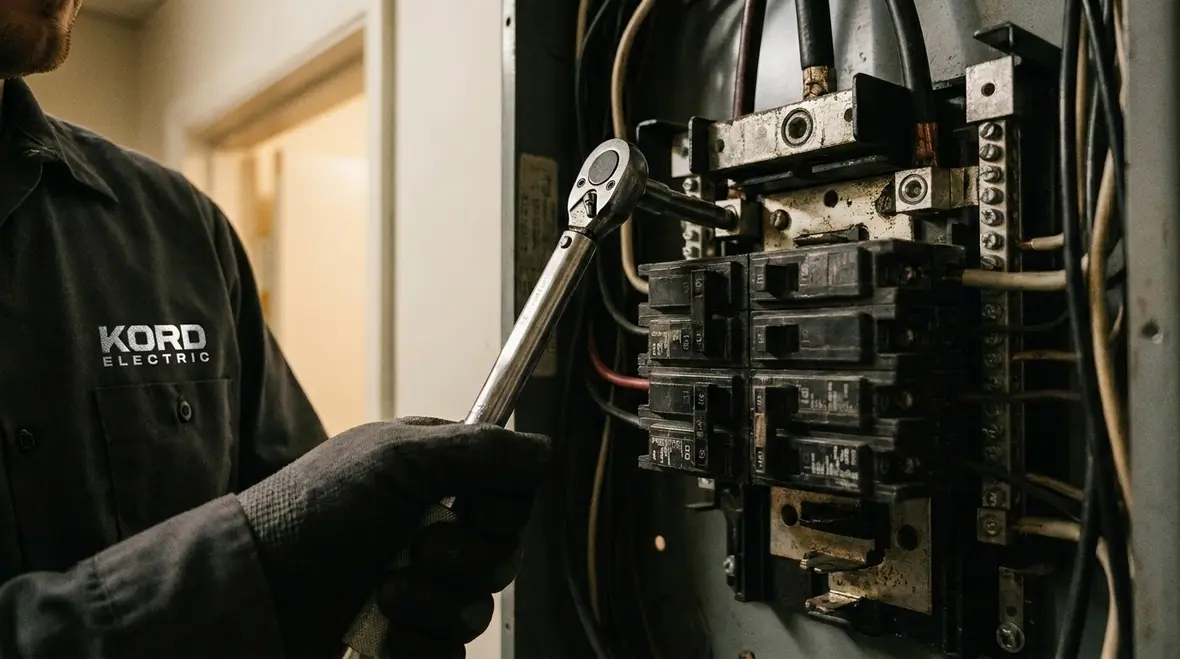
Electrical faults rarely announce themselves with a dramatic banner. Instead, they show small signs first. For example, others may notice lights dimming when a large motor starts, or outlets losing power in one corner of a floor. Meanwhile, our technicians often hear the “quiet” warnings, like a buzzing sound from a panel or a faint burning smell near a breaker. That is usually not imagination. It is how heat and loose connections communicate.
When we perform electrical troubleshooting, we start by separating normal building behavior from abnormal patterns. Then we confirm the pattern with measurements, not guesses. If a facility manager reports frequent nuisance trips, we look for causes such as overloaded circuits, aging insulation, or failing components that pull extra current. In addition, we check whether the fault follows operating schedules, like HVAC cycling, elevator runs, dock door activity, or production shifts. That timing detail helps us narrow the search faster and avoid chasing coincidences.
For many properties, this early stage is where Electrical troubleshooting for facility managers quietly pays off. By catching the “almost failures” before they turn into dark floors or frozen equipment, you protect uptime, staff confidence, and tenant satisfaction. A breaker that trips once is a note in the log. A breaker that trips every Monday when the plant starts up is a pattern that deserves a closer look.

Common commercial panel and breaker faults
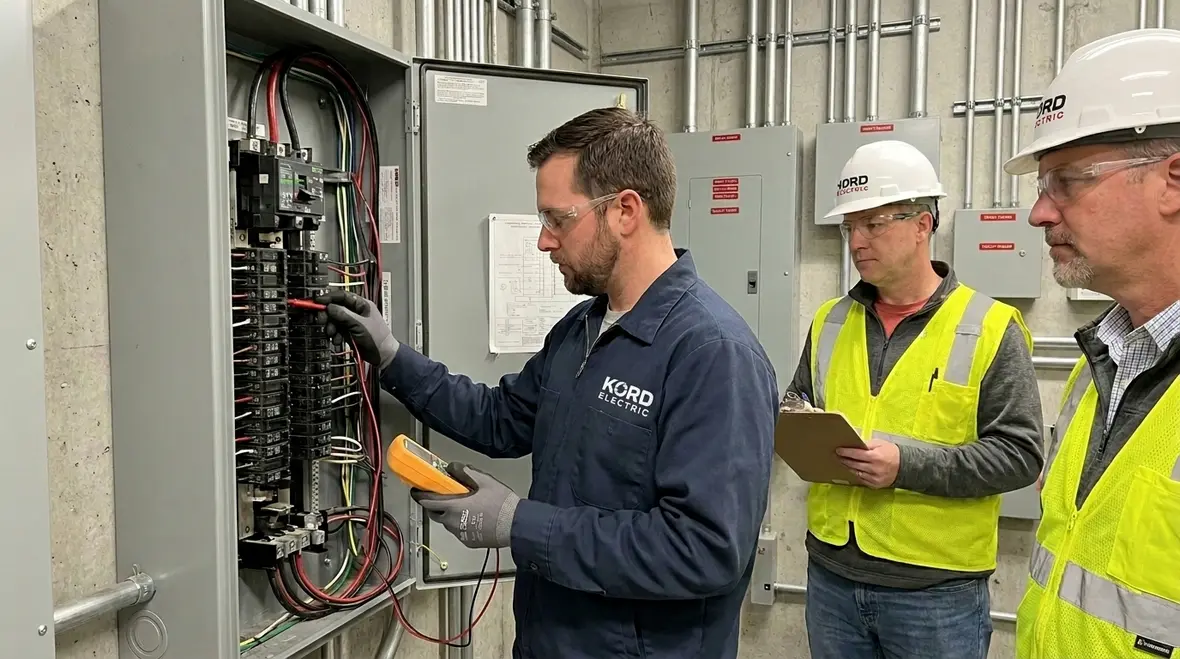
Commercial panels take a beating. They see load changes every day, from refrigeration and compressors to production equipment. Over time, breakers and bus connections can develop issues that cause heat, arcing, or inconsistent power. Therefore, we train our technicians to spot the signs that often get missed during routine walkthroughs and to tie them back to real operating conditions, not just one-off events.
Here are the faults we commonly find in panels and breakers:
- Loose connections: You may see discoloration, hear crackling, or detect a hot panel cover area.
- Worn breaker mechanisms: Breakers may trip during load surges even when the load is within expected limits.
- Moisture intrusion: Condensation or leaks can corrode terminals, which leads to rising resistance and heat.
- Bus bar damage: A deeper problem can appear as scorching around the bus or repeated failure of adjacent breakers.
Also, facility staff sometimes replace a nuisance breaker and move on. However, that can hide the real issue, like a mis-sized feeder, a degraded lug, or an installation that never met proper torque. Our expert service staff explains that difference clearly, and then we correct the root cause instead of only the symptom. After all, power systems do not forgive repeated shortcuts, and what looks like a quick win can turn into a long-term reliability headache.
For facility leaders who want a deeper dive on how unseen panel issues add up behind the scenes, Kord Electric shares additional insights in their article on hidden electrical risks in commercial buildings, which connects everyday symptoms to the hidden conditions that often cause them.
Why motors, drives, and HVAC create repeated electrical problems
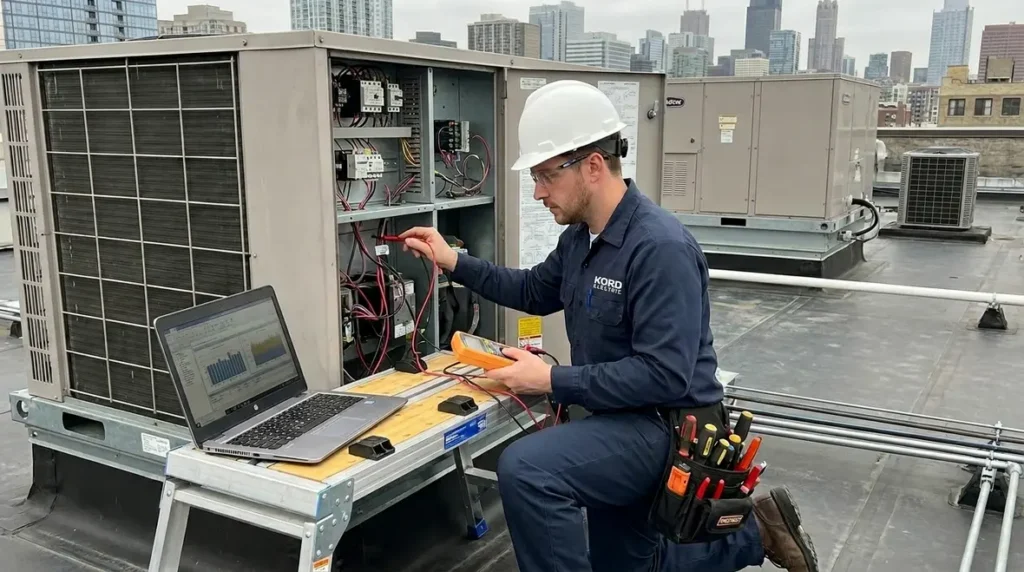
In commercial and industrial buildings, motors and HVAC systems often drive the “why now” question. When motors start, they draw high current for a short time. Yet if something else is off, that inrush becomes the trigger for trips, voltage drops, or harmonics that stress other equipment. So when electrical trouble shows up around air handlers or conveyors, we treat it like a chain reaction across the system, not a single bad actor.
We commonly see these fault types tied to motors, drives, and HVAC:
- Ground faults: Motors or variable frequency drives can develop insulation breakdown over time.
- Overheating at terminations: Loose lugs or corroded connections can heat under load.
- Misaligned mechanical load: A motor with extra mechanical resistance often pulls more current than expected.
- Drive settings issues: Incorrect acceleration or braking settings can create unusual electrical stress.
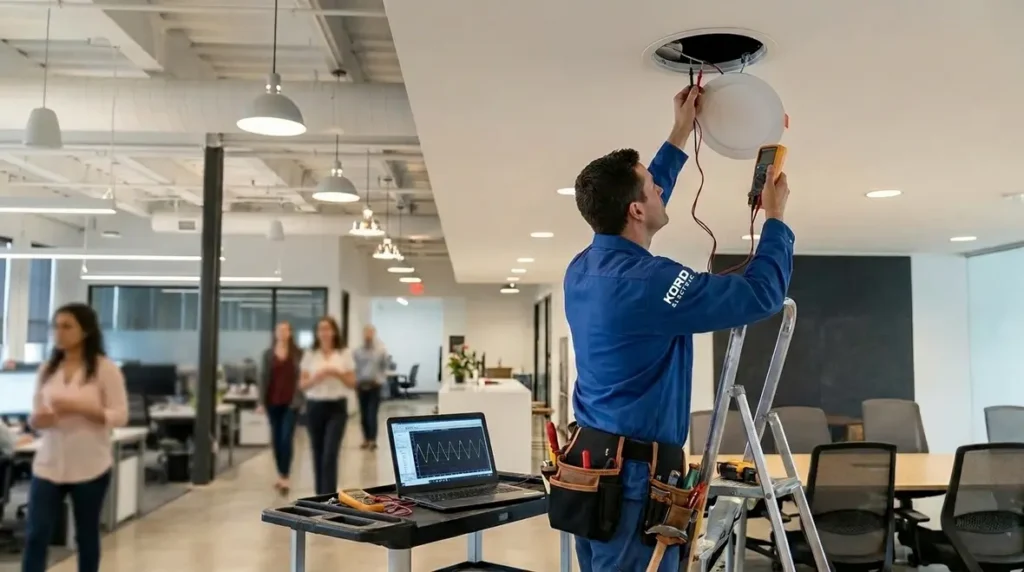
In addition, some facilities notice that lights flicker whenever a specific unit cycles. That points to voltage stability problems, such as supply impedance issues or undersized feeders. Our Electrical troubleshooting for facility managers approach includes checking motor load profiles, verifying settings, and measuring voltage at the correct points. Then we compare what the system does to what the drawings predict. If the data does not match, we go deeper. Because “it seems to work” is not a maintenance strategy, especially for equipment that keeps your building habitable and productive.
For sites that keep seeing recurring flicker, nuisance trips, or unexplained resets around heavy loads, targeted support like Kord Electric’s service for voltage fluctuations in commercial and industrial facilities can help connect the dots between what you see on the floor and what the power system is doing behind the scenes.
How to spot grounding and surge protection failures
Grounding and surge protection prevent damage that can spread across sensitive systems, especially in buildings with controls, access systems, and building automation. When grounding fails, other faults often show up next, like nuisance trips, erratic readings, and unexpected controller resets. Therefore, we help facility teams understand that grounding is not a box you check once. It is a system you maintain and verify over time.
Typical signs of problems include:
- Frequent device reboot events near storms or utility switching
- Inconsistent fault current behavior during diagnostics
- Corrosion at grounding connections
- Surge protection indicators showing end of life
Also, surge devices sometimes fail quietly. They may still “look fine” while losing protection capacity. Our technicians verify status and condition, and then we inspect connections for heat and oxidation. Meanwhile, expert service staff explains how improper bonding can create stray currents that confuse other protection devices. If that sounds like a comedy of errors, it is. But we handle the punchline by fixing it and documenting what changed so the next inspection starts from clear ground.
Because of how tightly electrical reliability and safety connect, many facility teams also review guidance such as Kord Electric’s resources on NFPA 70 and NFPA 70B maintenance, which outline how grounding, bonding, and upkeep of panels and switchgear support both code compliance and day-to-day stability.
Look for service entrance issues, not just downstream problems
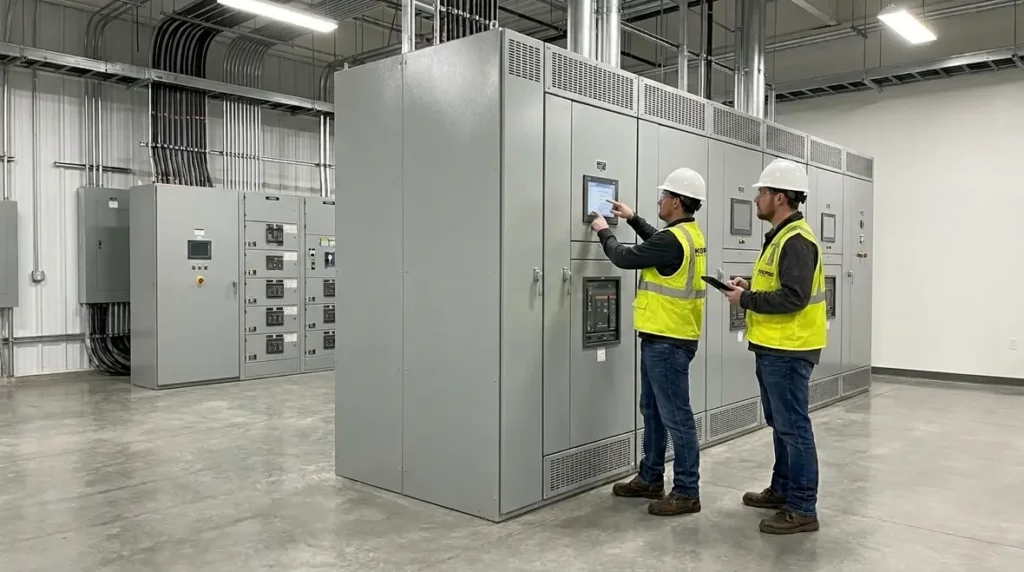
When power instability hits multiple areas of a building, many people look only at the distribution panels. However, we often find the real starting point at the service entrance, feeders, or main switchgear. That is where the building receives its first bite of electrical reality. If that part is weak, the rest of the system pays the price, no matter how carefully you tend the branch circuits.
Here are faults tied to the service entrance and upstream distribution:
- Voltage drop under load: Dimming lights, slower equipment start, or HVAC cycling issues.
- Phase imbalance: One phase carrying more load can overheat equipment and trip protections.
- Failed or deteriorated switchgear components: Arcing or hot spots can appear at unexpected locations.
- Feeder insulation issues: Heat and breakdown can progress from minor faults to major failures.
To keep this practical, our Electrical troubleshooting for facility managers plan includes coordinated checks across the service, distribution, and load points. We do not just chase the last location where the lights went out. Instead, we map the electrical path and then confirm measurements at each step. That method reduces guesswork and helps facility teams avoid repeated shutdowns, especially when multiple tenants or production lines share the same upstream equipment.
When inspection results show repeated issues in the same upstream areas, conversations sometimes evolve toward larger upgrades, like panel or feeder replacements. For those scenarios, resources such as Kord Electric’s rewiring cost guide for commercial electrical systems can help facility managers connect technical findings to long-term budgeting decisions.
Dual column checklist: what our technicians recommend during inspections
Spot it early, stop downtime. Here is a quick checklist our technicians use in commercial and industrial facilities. Many of these checks also align with structured programs like Kord Electric’s electrical preventive maintenance services, which turn one-time troubleshooting into an organized plan.
What to observe
- Warm panels or cabinets, especially around lugs
- Buzzing, crackling, or intermittent arcing sounds
- Breaker trips with no clear reason
- Light flicker during motor startups
- Burn marks or unusual discoloration
What to ask for next
- Load analysis and current profiling
- Thermal scanning at terminations
- Insulation and grounding verification
- Voltage drop and phase balance checks
- Inspection of surge protection status
We also encourage facility teams to log events in real time. When our expert service staff reviews those logs, we connect dots faster. It is like detective work, except the villain is usually a loose connection, not a mastermind with a volcano. Over time, those logs turn into a living history of your system, making each round of Electrical troubleshooting for facility managers faster, calmer, and more accurate.
FAQ: common fault spotting and next steps
Facility managers often ask the same practical questions when something trips, buzzes, or smells “off.” The answers below highlight when to call for help, what might be happening behind the scenes, and how proactive service can reduce both surprises and overtime calls.
Choose Kord Electric for calm, correct electrical troubleshooting
Electrical faults cost more than money. They cost production time, staff patience, and investor confidence. When your commercial or industrial facility shows warning signs, we step in with disciplined electrical troubleshooting, clear explanations, and fixes that address the real cause. Kord Electric serves major property buildings and operations that cannot afford guesswork. Call us for an on site assessment, and we will map the problem, share what we find, and restore reliability. Let us handle the wiring drama, so you can get back to business.
If your facility is located in Southern California, our team provides comprehensive Los Angeles County electrical services for commercial and industrial properties, including diagnostics, repairs, upgrades, and preventive maintenance tailored to your building and your operating schedule.
Whether you are facing unexplained breaker trips, repeat voltage swings, or you simply want a calmer, more organized plan for keeping your electrical systems healthy, Kord Electric can help you turn urgent calls into structured, predictable service. From Electrical troubleshooting for facility managers to long-term maintenance programs, our goal is the same: safer systems, fewer surprises, and a building that quietly does its job in the background.