
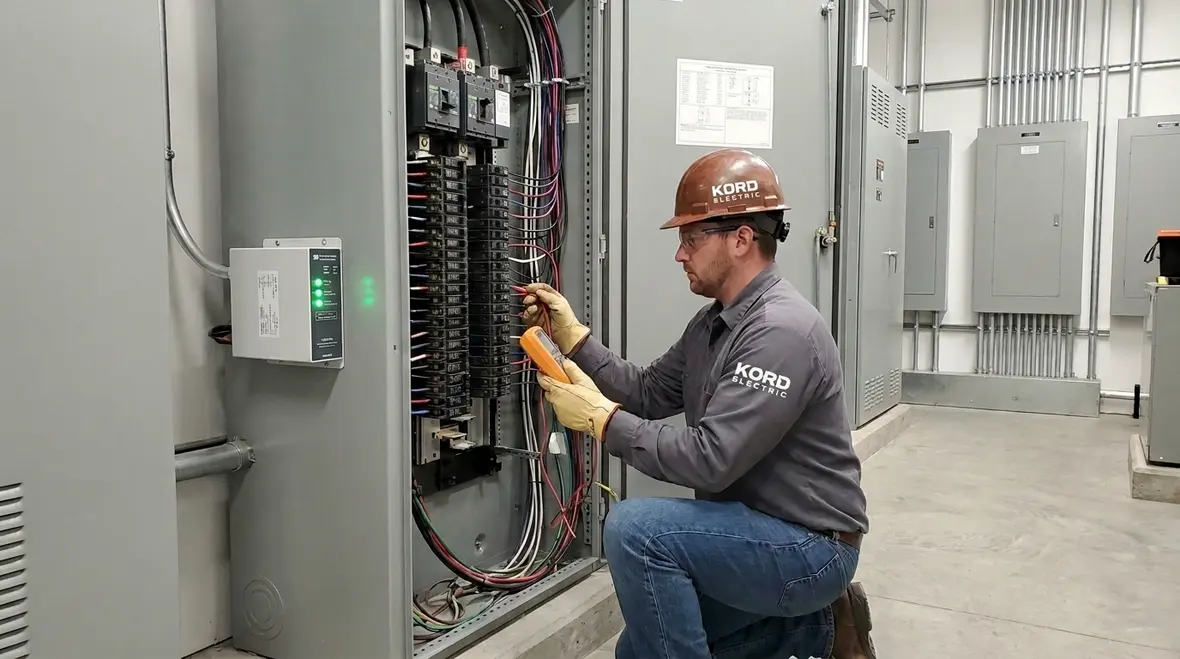
Commercial Surge Protection Solutions Guide
Commercial surge protection solutions: the calm before the lights go wild
At Kord Electric, we protect commercial and industrial facilities with Commercial surge protection solutions designed to handle power spikes before they turn into downtime, repairs, and angry phone calls. Unexpected surges can ride in from lightning, utility switching, or even the moment a big motor kicks on. And when electronics get hit, it is not just a fuse that blows, it is trust in the system that costs real money.
So, while others treat power quality like a “someday” problem, we take a steady, practical approach. Our technicians explain what they see, what they measure, and what they recommend, in plain language. Then they install, test, and document the protection so your equipment keeps doing its job, not acting like a haunted house prop. (Unless you want a ghost, in which case we still cannot help.)
How power surges damage commercial electronics
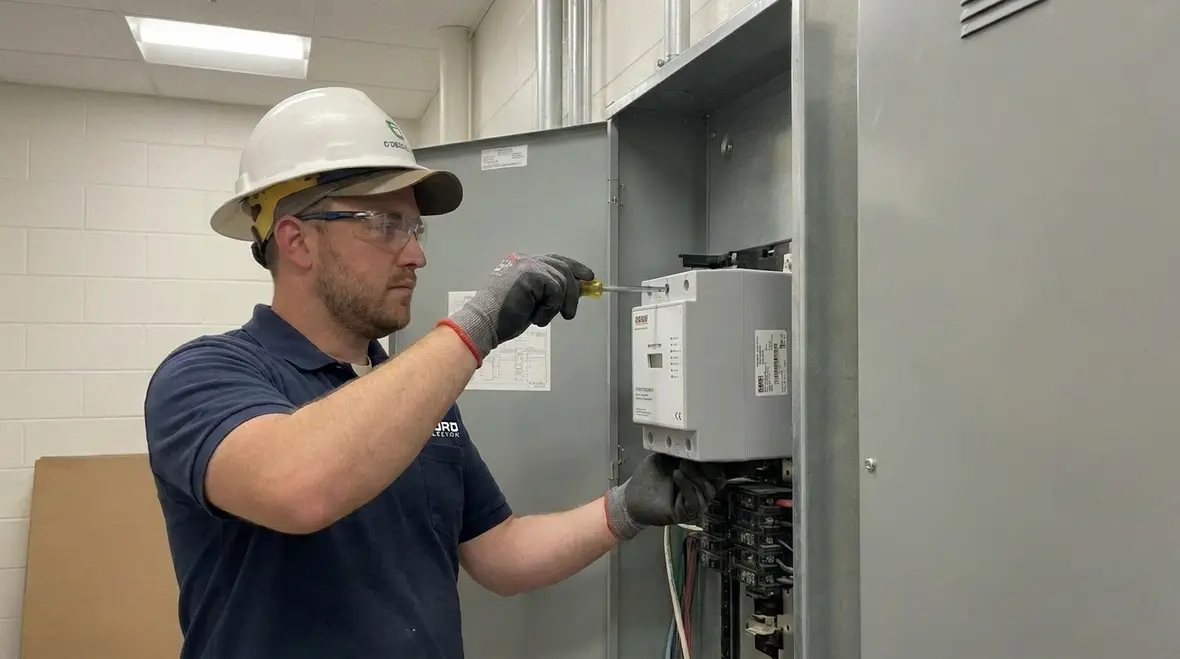
In commercial and industrial spaces, electronics live close together and work hard. Therefore, when a surge arrives, it can push voltage far above what sensitive circuits expect. Even brief events matter, because modern devices often use components that tolerate very little stress.
Here is how damage typically shows up. First, surge current can overwhelm the power supply inside servers, PLCs, VFDs, security systems, and HVAC controls. Then the device may fail immediately, or it may weaken over time. After that, you get intermittent faults that are hard to troubleshoot, because the equipment “works” until it suddenly does not. Finally, the business impact arrives in stages: service calls, replacement parts, downtime, and sometimes corrupted data.
To make matters more interesting, surges do not always come as a single dramatic spike. Instead, they can appear as fast transients, short voltage dips, or uneven waveform distortion. And while your staff may notice the lights flicker, the electronics may notice it even more.
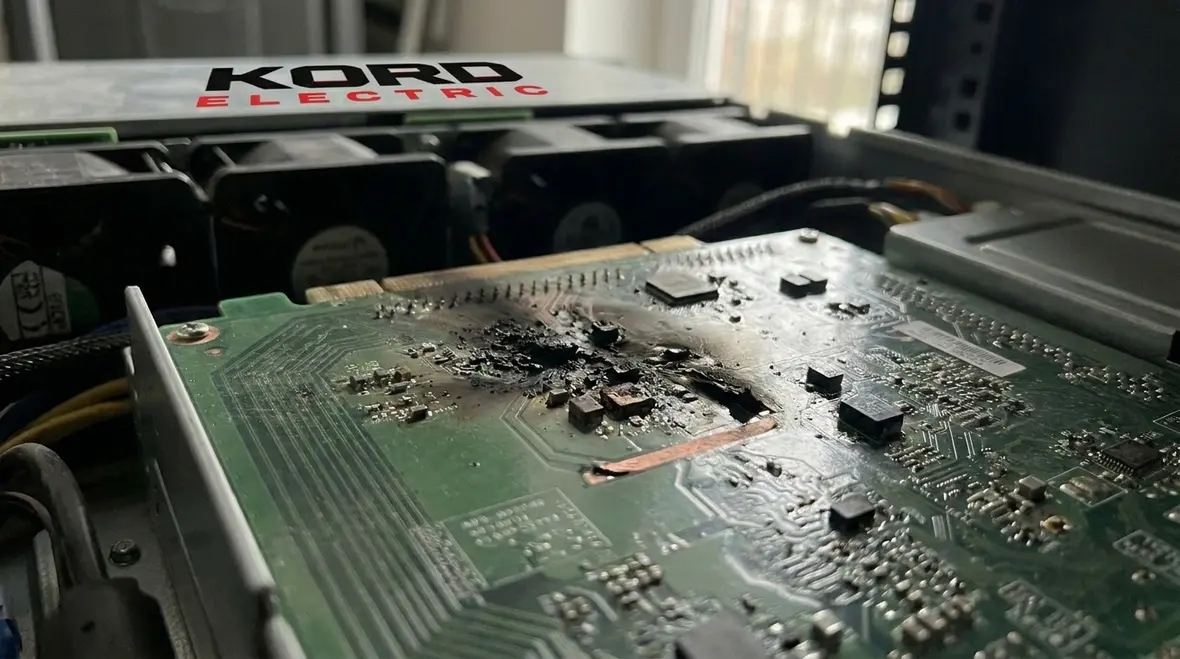
What technicians look for in voltage fluctuations
Our expert service staff starts by treating the site like a real system, not just a wall outlet. We focus on the patterns that lead to surges and voltage fluctuations, because those patterns guide the right Commercial surge protection solutions and placement.
During an on site assessment, we pay attention to the electrical distribution path, the grounding and bonding practices, and the loads that tend to cause disturbances. For example, large motors starting and stopping can create spikes. Meanwhile, switching operations in nearby equipment can introduce transients. Then there is the utility side, where lightning events or switching on the grid can send high energy pulses into your facility.
Next, our technicians evaluate the devices that sit downstream. They ask the hard questions in a calm voice: which circuits feed IT and controls, which panels serve critical machines, and where failures hurt the most. After that, we check protective coordination so one device absorbs the surge without creating a new failure point.
We also reference the kinds of voltage issues described in our voltage fluctuations in commercial and industrial facilities guide, including how brief events can still create long term damage. In other words, we do not wait for the obvious blackout to take action.
Step by step surge protection planning for facilities
Protection should not be guesswork. We build a plan that matches the risk level and the electrical layout. Moreover, our approach aims to protect people, protect equipment, and reduce downtime.
Step one is identifying critical loads. We prioritize systems like process controls, communications, security, medical related areas if present in your facility, and operational technology tied to production. Then we map where those loads receive power, including switchboards, panelboards, and distribution branches.
Step two is selecting the right protection type for each location. Instead of installing one device everywhere and hoping for the best, we apply protection where it matters most. This often includes coordination across stages so energy dissipates in an orderly way.
Step three is verifying installation details. Even the best component fails if mounting, wiring, grounding, and lead lengths do not meet requirements. So we follow best practices and test what we install. Then our team documents results so your facility has a clear record for maintenance and future planning.
Step four is planning for the real world. Facilities change. New equipment arrives. Rotating shifts run different loads at different times. Therefore, we recommend a protection review when you add major machinery, upgrade panels, or expand the building. Because if you update your production line and ignore your power protection, that is like upgrading your sound system while removing the speakers. It is impressive, but mostly confusing.

The role of grounding, bonding, and wiring quality
Surge protection is not only about adding devices. It is about how electricity travels, which is determined by grounding, bonding, and wiring quality. If the grounding system does not provide a safe path for surge energy, protection performance suffers. And when the energy has nowhere to go, it finds a way through your electronics.
Our technicians check connections and evaluate bonding paths. We make sure the system supports both normal operation and fault conditions. Then we address common issues we see in commercial and industrial installations, such as loose terminations, improper bonding, and wiring layouts that increase surge travel distance.
Short, direct conductors help surge devices do their job. Meanwhile, proper bonding reduces voltage differences between metal parts and equipment frames. As a result, you reduce the chance that surge energy will couple into signal wiring or control circuits.
Also, good wiring practices reduce noise and improve overall power quality, which supports stable operation. In short, the protection system works best when the electrical “plumbing” is correct.
Maintenance, testing, and replacement schedules that actually make sense
A surge protection plan does not stop at installation. Protection components can wear out when they absorb energy from repeated events. Therefore, we recommend a maintenance routine tied to risk, usage, and exposure. In some facilities, after storm seasons or after known events, inspections matter more.
Our expert service staff supports you with practical testing and inspection. We review protective device condition, check indicators where applicable, and confirm that the protective system still meets expectations for the installed configuration. Then we recommend replacements when the device performance shows signs of degradation.
We also remind owners and facility managers that “it was fine last time” is not a test result. That mindset works great for leftovers and bad movies, but not for critical electrical protection.
Additionally, we coordinate protection with ongoing electrical maintenance. For example, if someone changes a panel load or adds a machine, we evaluate whether the protection still fits. That way, your system stays aligned with your building, not stuck in the past.
Dual layer protection: power and control circuits together
In most commercial and industrial facilities, the surge threat does not respect boundaries between power and control. That is why we often apply a dual approach that covers both energy feeding equipment and the control pathways that guide how equipment behaves. When one side fails, the other side can still keep the problem alive, like a sitcom that never ends.
Power circuit protection is designed to handle surge energy entering through panelboards and distribution gear. Then it helps stabilize voltage reaching critical equipment.
Control and signal protection focuses on the circuits that carry commands and data, such as control relays, monitoring systems, and communication interfaces. These pathways often fail differently, so we address them with the right protective strategy.
We coordinate these elements so they support each other instead of competing. Ultimately, that reduces the chance of equipment damage and helps prevent recurring downtime caused by repeated, smaller events.
For facilities planning broader reliability upgrades that tie together surge protection, power quality, and capacity planning, it can help to connect this work with your wider Los Angeles County electrical services strategy so improvements scale smoothly as your sites grow.
FAQ: Commercial and industrial surge protection
Final word from Kord Electric
When the power gets unpredictable, your electronics should not be the experiment. Kord Electric helps commercial and industrial facilities plan, install, and maintain Commercial surge protection solutions that protect critical equipment and reduce downtime. Our technicians and expert service staff explain findings clearly, then we verify performance with a careful approach. If you run major properties, factories, data and communications spaces, or industrial controls, call us for a site assessment. Let us help your systems stay steady when the grid does not.
If your facility is already dealing with unstable voltage, frequent resets, or unexplained equipment behavior, pairing a surge protection review with targeted voltage fluctuation diagnostics and a broader reliability plan can deliver even more value. The same disciplined mindset behind Commercial surge protection solutions also supports services like voltage fluctuation repair, emergency response, and preventive maintenance, giving your electrical system a stable foundation instead of a patchwork of quick fixes.


