Industrial Electrical Repair for Common Issues
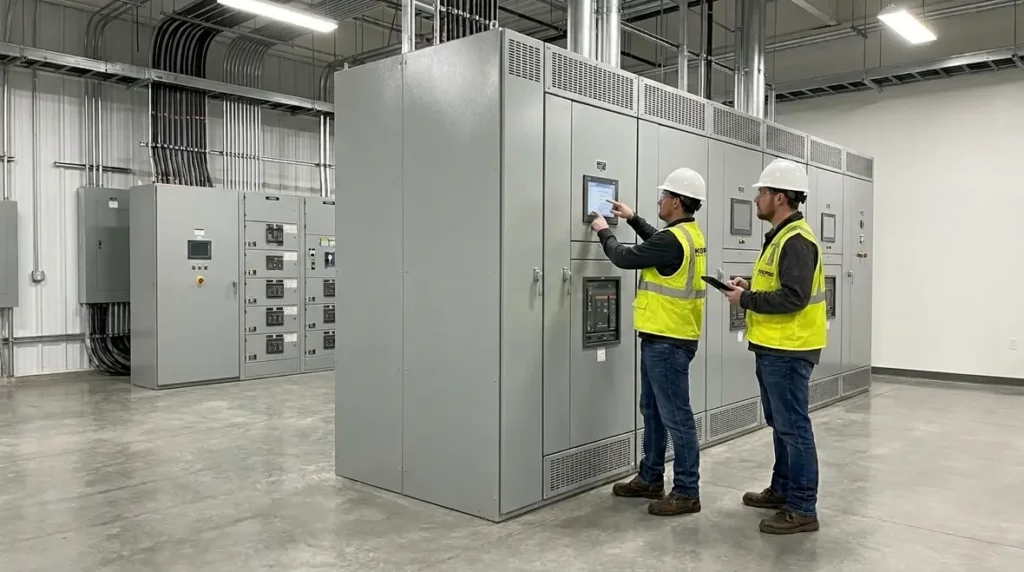
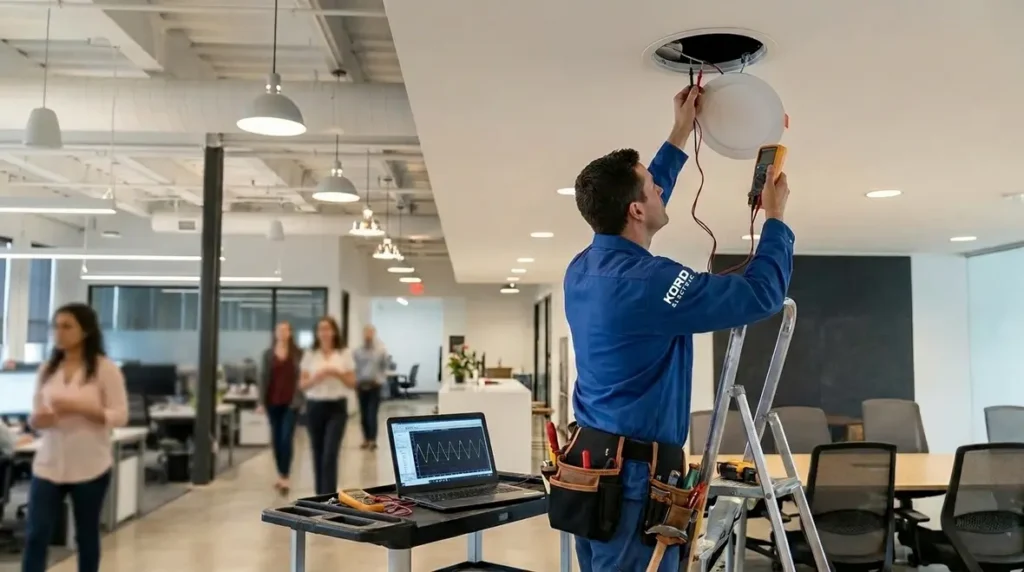
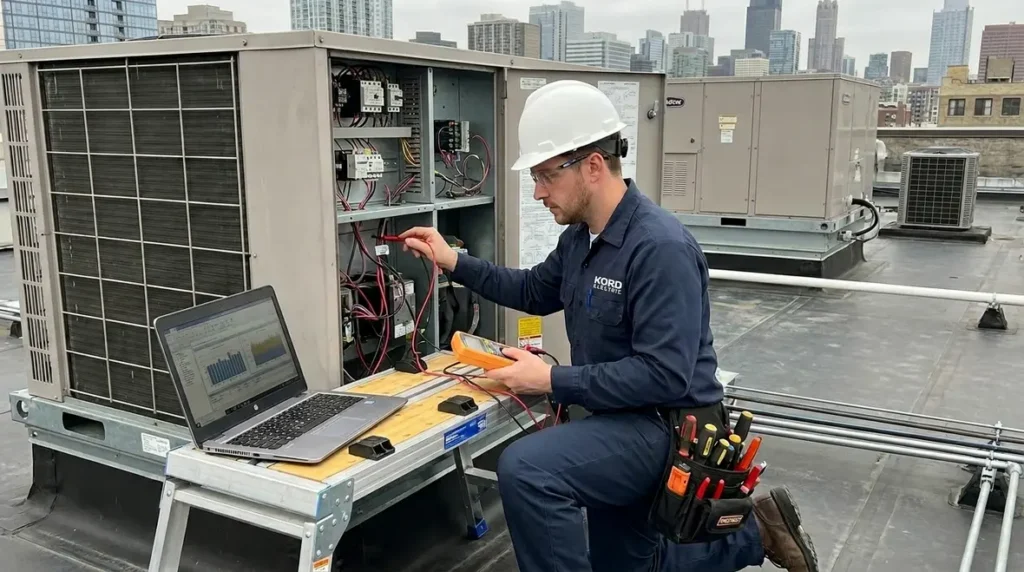
At Kord Electric, we keep industrial electrical repair simple in the real world. First, we confirm the basics fast: load, breaker settings, and any visible wear. Then we use smart diagnostic steps so our team does not guess. For common industrial electrical issues, we start with safe inspections, check connections for heat damage, and verify voltage where it actually matters, at the equipment terminals. Finally, we reset only after we find the cause, not after we treat the symptom like it is a recurring guest at a bad hotel. And yes, we also remind people that “it worked yesterday” is not a maintenance plan. In the sections below, our experienced service staff walks you through what fails most often, why it fails, and how we bring systems back without drama.
Why industrial electrical failures happen so often in busy sites
Most commercial and industrial facilities run like they are always on the clock, and electrical gear pays the price. Over time, heat cycles loosen terminations, vibration nudges components out of alignment, and moisture sneaks in where seals age. Additionally, power quality problems can show up as nuisance trips or silent damage that builds slowly. As a result, many issues start as small faults and later turn into downtime events that feel sudden, even when the warning signs were there.
We also see human factors. People change loads, add equipment, or modify wiring during renovations. Then someone flips a breaker without matching the new load profile. In that moment, the system stops “doing its best” and starts doing what physics always does. To keep sites stable, we train our technicians to trace problems through the power path in order, from source to panel to load, because the shortest story is rarely the right one.
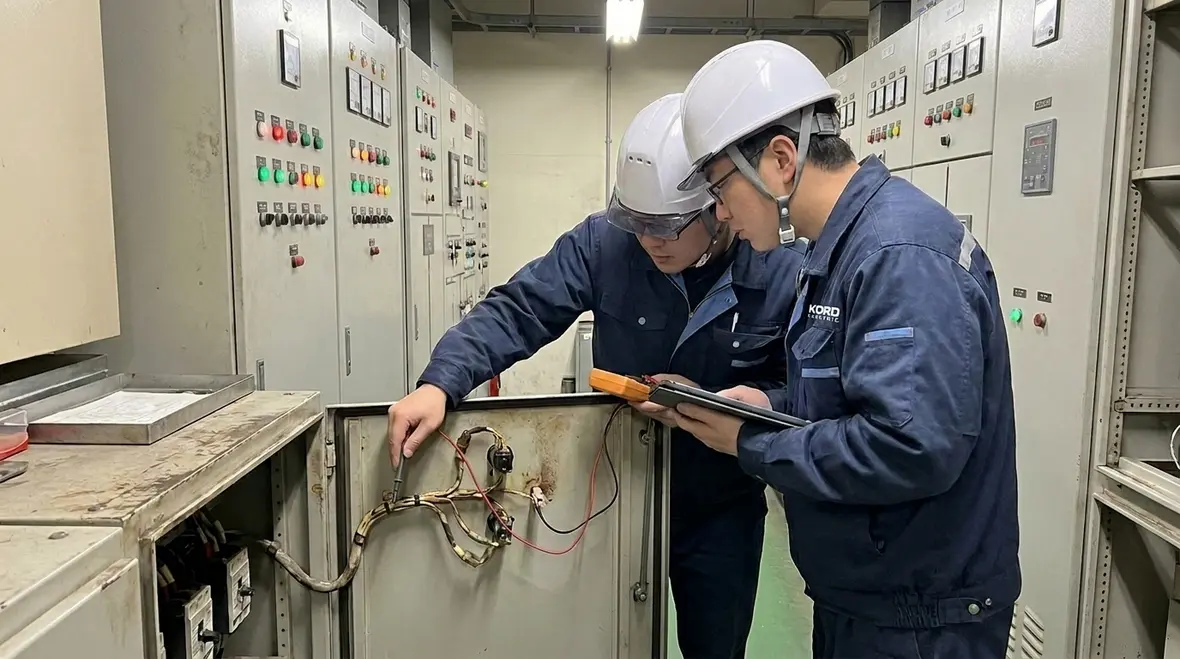
For facilities that want to go deeper into hidden issues behind the scenes, our guide on hidden electrical risks in commercial buildings walks through how loose connections, aging panels, and quiet faults build up long before a shutdown shows up in the log.
Power surges, brownouts, and “it still runs, sort of” symptoms
When power dips or spikes, industrial equipment often shows odd behavior instead of clean failure. Motors may chatter on startup. Drives might fault. Controls can reset like a bad phone rebooting at the worst time. Meanwhile, lights can flicker, which sounds minor until you remember that flicker is a clue about voltage stability.
Our expert service staff explains it this way: a surge is like a sudden push. A brownout is like a slow fade. Both can stress insulation, stress contactors, and damage sensitive electronics. Therefore, quick fixes must be supported by real checks, not just “let’s replace the part.”
We measure voltage at the right location, not just at the utility service. Then we confirm the difference between sag, dip, and dropout.
We inspect surge protective devices for end-of-life signs and verify grounding quality, because protection without a strong reference path is like wearing a seatbelt in a dream.
We evaluate panel and feeder connections for heat discoloration, since loose lugs can worsen voltage drop and intensify faults.
Once we identify the cause, we apply industrial electrical repair tips that match the site reality, such as coordinating protection for critical loads, confirming drive settings, and correcting wiring integrity. That approach helps prevent the “it’s back online” trap that only lasts a week.
If your site already sees flicker, unexplained resets, or voltage swings, our dedicated page on voltage fluctuations in commercial and industrial facilities explains how we diagnose and correct instability before it turns into major downtime.
Tripped breakers and blown fuses: how we stop the repeat loop
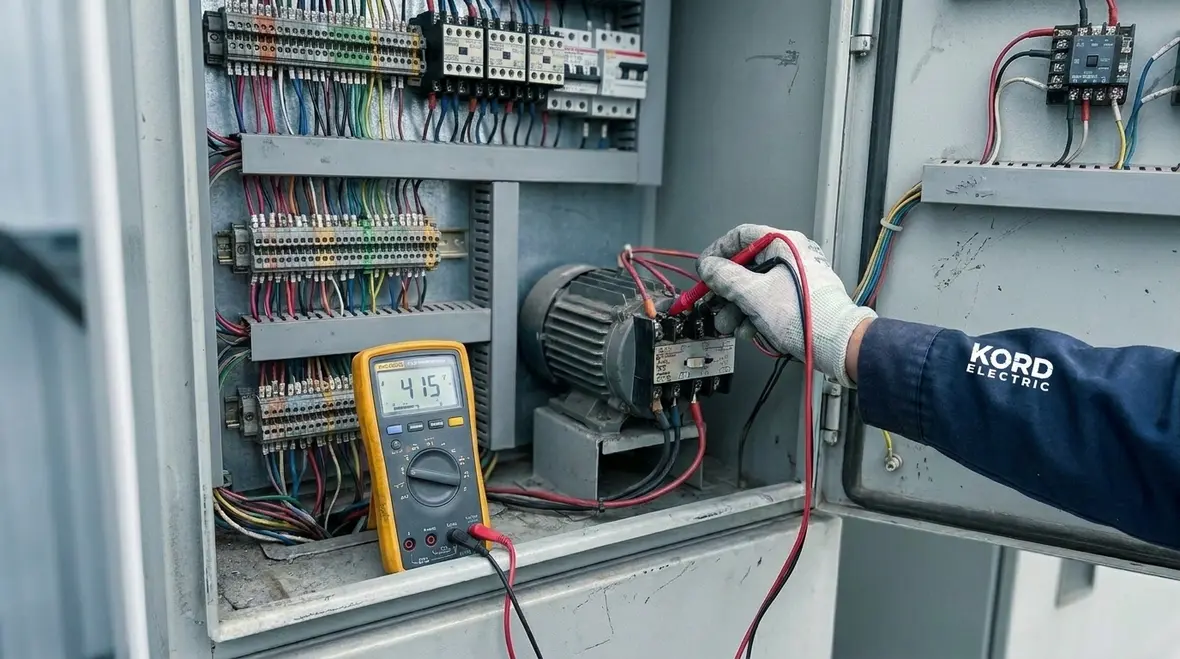
Breakers trip and fuses blow for a reason, and that reason usually points to an overload, a short, or a faulty component. Yet many facilities keep cycling them because the process feels faster than troubleshooting. Unfortunately, repeating the reset loop can worsen damage and create a bigger safety issue.
Instead, our technicians treat each trip like a clue. First, they ask what changed before the fault. Then they verify current draw, insulation resistance, and continuity where needed. After that, they inspect the load side, because the fault often lives at the equipment, not in the panel.
For overload events, we confirm motor load ratings, duty cycle, and any jam conditions. A motor pulling more than it should often gets a “diet” it did not ask for.
For short circuits, we isolate sections of the circuit to find the damaged run, especially in cable trays where vibration and abrasion can weaken insulation.
For ground faults, we check grounding conductors and equipment frames, since improper bonding can cause nuisance faults and safety gaps.
When we perform industrial electrical repair, we do not just restore power. We correct the underlying electrical imbalance. This keeps operations stable and helps maintenance teams avoid the classic comedy bit where everyone resets the same breaker and acts surprised when it trips again.
To keep those problems from coming back, many facility teams fold corrective work into broader electrical preventive maintenance programs so inspections, testing, and torque checks become routine instead of a last-minute scramble.
Motor control and starters failing in the real world
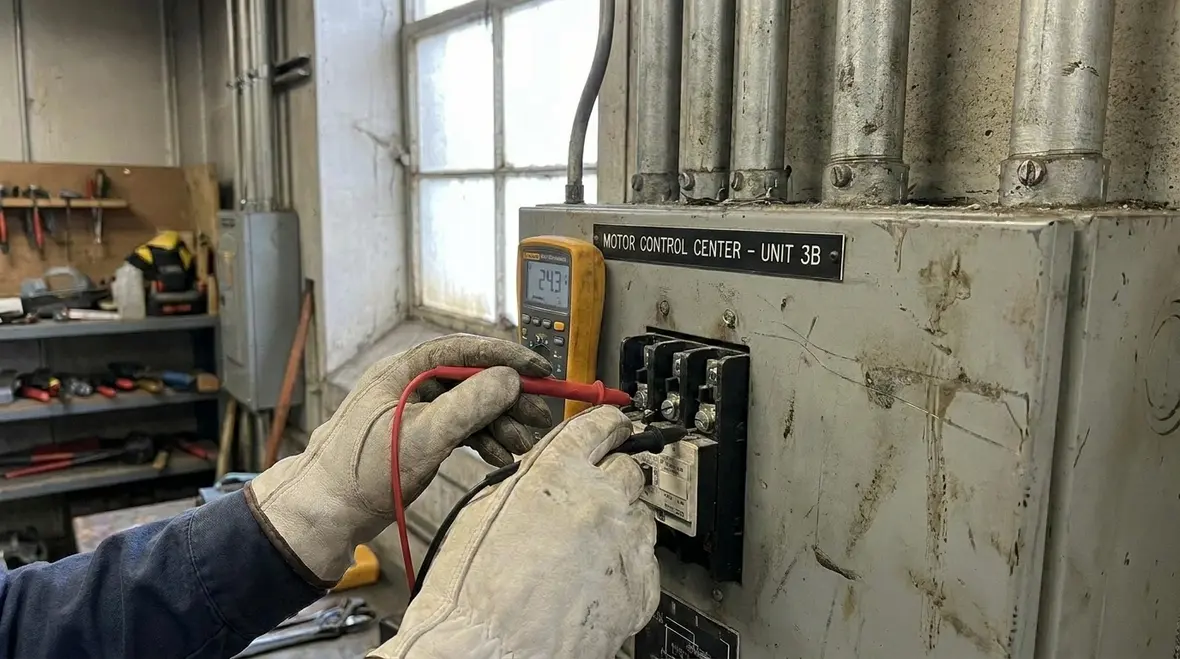
Motor starters and control circuits work hard. In many commercial and industrial facilities, they see frequent starts, harsh environments, and electrical stress. Over time, contactors pit, coils overheat, and control transformers lose performance. Then the equipment behaves inconsistently, like a machine that forgot its lines.
Our experienced service staff often finds that the control circuit hides the problem. A failing pilot device, a worn relay, or a bad terminal can cause intermittent faults that appear random. Therefore, we test in a structured way and we verify both the control and power paths. We also pay attention to protective devices, because when a safety interlock misreads a signal, operations stall and people start making jokes they should not, like “the machine is moody.”
We inspect and tighten control wiring terminals, then confirm contact resistance.
We verify coil voltage and control transformer health under load.
We test for contactor coil pull-in and dropout consistency.
That is how industrial electrical repair becomes preventative instead of reactive. Once the starter behaves properly, we document findings so the maintenance team can spot early changes during routine checks.
For large facilities building a full strategy around these components, our article on commercial and industrial electrical maintenance plans explains how structured inspections, testing, and recordkeeping keep starters, drives, and control circuits out of the emergency column.
Grounding, bonding, and the hidden safety risk
Grounding and bonding look boring until someone finds a shock hazard or a fault that will not clear. Then suddenly everyone cares, fast. Proper grounding also supports surge protection performance and stable operation of controls. If grounding is weak, the system can behave unpredictably during faults, and protection devices might trip late or not at all.
Our technicians examine grounding conductors, bonding jumpers, and connections at key points such as panels, motor frames, and metallic conduit systems. We also check for corrosion and loose connections that appear fine from a distance but fail under load or in damp conditions.
We verify continuity and inspect for corrosion at bonds and grounding points.
We check the integrity of ground paths for equipment cabinets and racks.
We confirm that surge protective devices connect to a sound grounding system.
By addressing grounding and bonding early, we reduce repeat faults and improve safety. And yes, it is still worth doing even if the site team says, “We have not had an issue.” Electrical safety has a way of waiting politely until it does not.
Proper grounding also supports compliance with evolving standards. For teams reviewing their code posture, our breakdown of NFPA 70 national electrical code updates helps connect everyday field conditions to the rules that keep people and equipment safe.
Panel and busbar problems: heat damage and loose connections
Loose terminations create resistance, and resistance creates heat. Heat then damages insulation, loosens connections further, and leads to arcing. That is how small problems become big fires. Many facilities only notice after a smell, a discoloration, or a component fails dramatically.
Our technicians use careful inspection and electrical testing to find the source. We also look for patterns, because repeat hotspots often point to the same feeder, the same equipment, or the same installation condition. Therefore, we do not just swap components. We fix the connection quality and verify performance after repair.
We check for discoloration, pitting, and signs of arcing at panel sections and busbars.
We confirm tightness and correct torque on terminations where appropriate for the gear.
We evaluate thermal stress by checking load behavior and comparing it to design expectations.
Once industrial electrical repair is complete, we help teams set up maintenance priorities. In practice, that means recommending targeted inspections for the circuits that show early warning signs, so issues do not sneak up like a villain in a late season episode.
Facilities that want a framework for this work can look at our overview of NFPA 70B electrical panels and switchgear maintenance, which explains how structured inspections and cleaning support long-term reliability.
When to call professionals instead of “DIY troubleshooting”
Some sites attempt troubleshooting with limited tools and limited time. That can be risky, and it can waste hours when the wrong tests happen in the wrong order. We always recommend professional support when safety is involved, when faults repeat, or when equipment is critical to production or occupancy.
Our team is built for commercial and industrial facilities and major property buildings. That means we understand the operating schedules, the equipment dependencies, and the need for fast, clear communication with facility managers. We also explain findings in plain language. Our technicians do not talk like a manual. They translate the results into a practical plan, so your operation knows what was wrong and what we will do next.
And if anyone tries to “fix it” with tape and hope, we kindly stop that. We have seen enough of those stories to know the ending is rarely happy.
For organizations across the region that want one trusted partner for panels, distribution, troubleshooting, and upgrades, our Los Angeles County electrical services team supports everything from emergency calls to planned projects with the same calm, methodical approach.
FAQ
Conclusion: get stable power before the next shutdown
If your facility keeps chasing electrical trouble, it is time to stop guessing and start correcting. At Kord Electric, we bring experienced technicians, practical industrial electrical repair, and clear explanations that facility teams can act on. We troubleshoot the power path, fix the root cause, and help prevent repeat problems that cost production time. Call us today for an inspection and a repair plan built for commercial and industrial facilities, so your systems run like they mean it.
For sites that want fewer surprises and more predictability, pairing this work with a tailored electrical preventive maintenance program turns one-time repairs into a long-term strategy for uptime.