

Data Center Power Redundancy Planning Guide
Building Resilient Data Center Power Systems: A Guide for Facility Managers
In data center power redundancy planning, the goal is simple to say and hard to do: keep the lights on when the unexpected shows up early, often, and with attitude. We help facility managers design, operate, and maintain power systems that can handle utility issues, equipment wear, and the kinds of failures that never send a calendar invite. Others may treat downtime like a surprise party. We treat it like a risk that can be planned for, tested, and reduced. And yes, we do it with calm explanations from our technicians and expert service staff, because the truth is that most power problems feel mysterious right up until someone walks you through the details.
Facility power reliability starts with the right redundancy approach
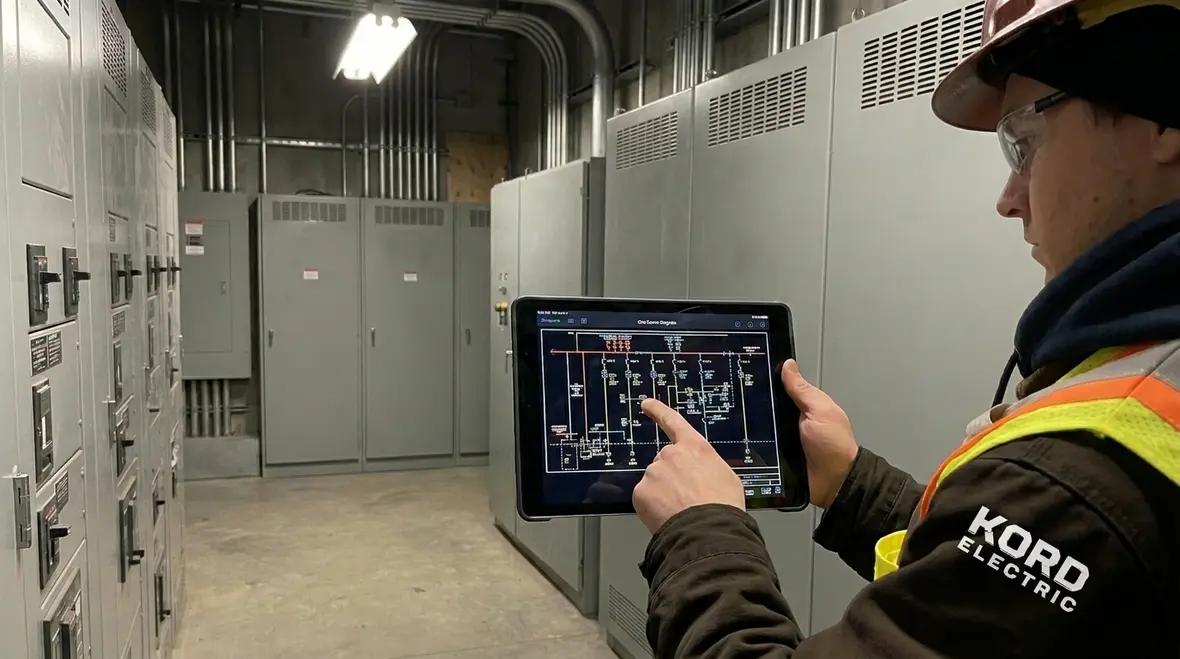
Facility managers usually start with a wish list: more uptime, fewer alarms, and less time in generator rooms that smell like hot dust and bad decisions. So we begin by mapping the power path from utility to load, then we decide what level of redundancy makes sense for the business and the critical loads. After that, we align the architecture with how the facility actually operates, including maintenance windows and staffing.
In practice, our technicians look at common weak points, such as power distribution bottlenecks, single points of failure, and maintenance tasks that accidentally create outages. Next, they help teams define switching sequences, test intervals, and acceptance criteria. Then, we document it so it is not trapped in someone’s head like an inside joke that nobody else understands.
To keep the system resilient, we also plan for how the data hall will behave when one component fails. For example, a resilient design does not just tolerate failure, it keeps the rest of the system stable so the load does not see sudden swings. As a result, servers keep running, storage keeps responding, and staff spend more time solving real problems, not chasing ghosts.
How we analyze critical loads and power paths
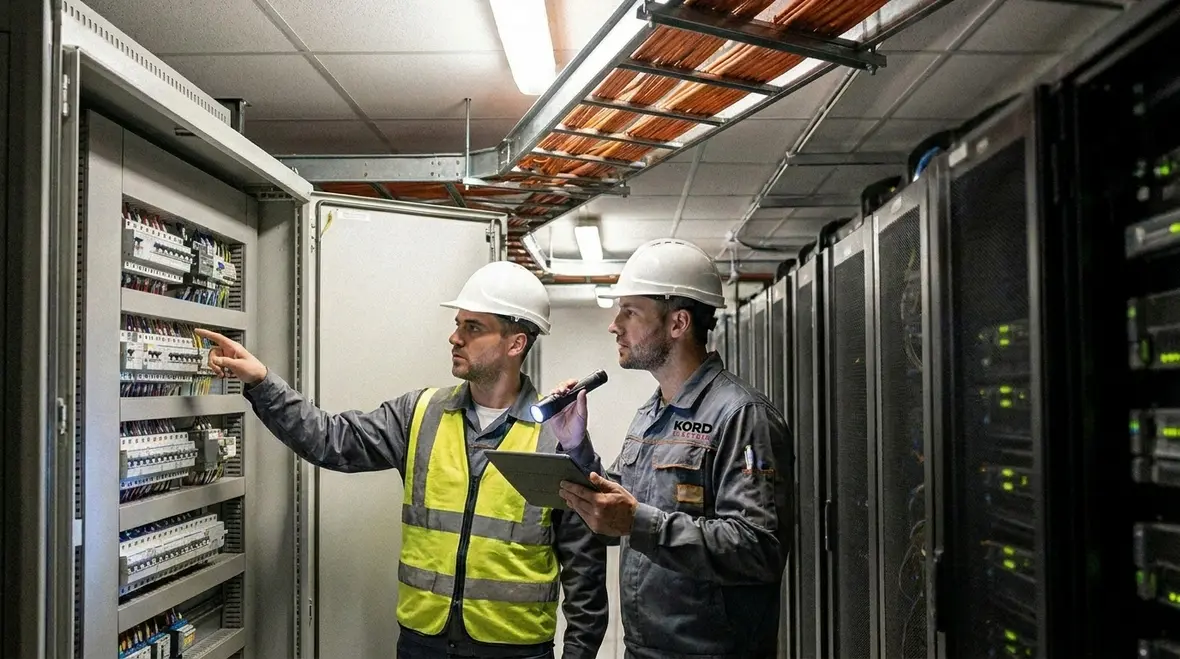
Before anyone talks about generators, UPS systems, or transfer devices, we help facility managers classify the loads. That step matters because not every circuit needs the same protection. Some loads can tolerate brief interruption. Others cannot. We also consider how new equipment changes the load profile over time, because a facility that grows without planning becomes a reliability story with a tragic ending.
Then we analyze the actual power paths. This includes the electrical one line diagram, physical cable routes, switchgear sections, panel relationships, and any interlocks that control switching. Our expert service staff also checks how protective devices coordinate. In other words, they ensure that the right protection acts at the right time, without turning a minor fault into a facility wide event.
Finally, we identify where energy storage and ride through capacity are required. UPS systems and other solutions do not exist just to look impressive during inspections. They exist to bridge time until generators stabilize and transfer completes.
If you want a simple analogy, data center power is like a seat belt. It does not prevent every accident, but it helps the system survive the moment when things go wrong.
Preventive maintenance that reduces failures before they start
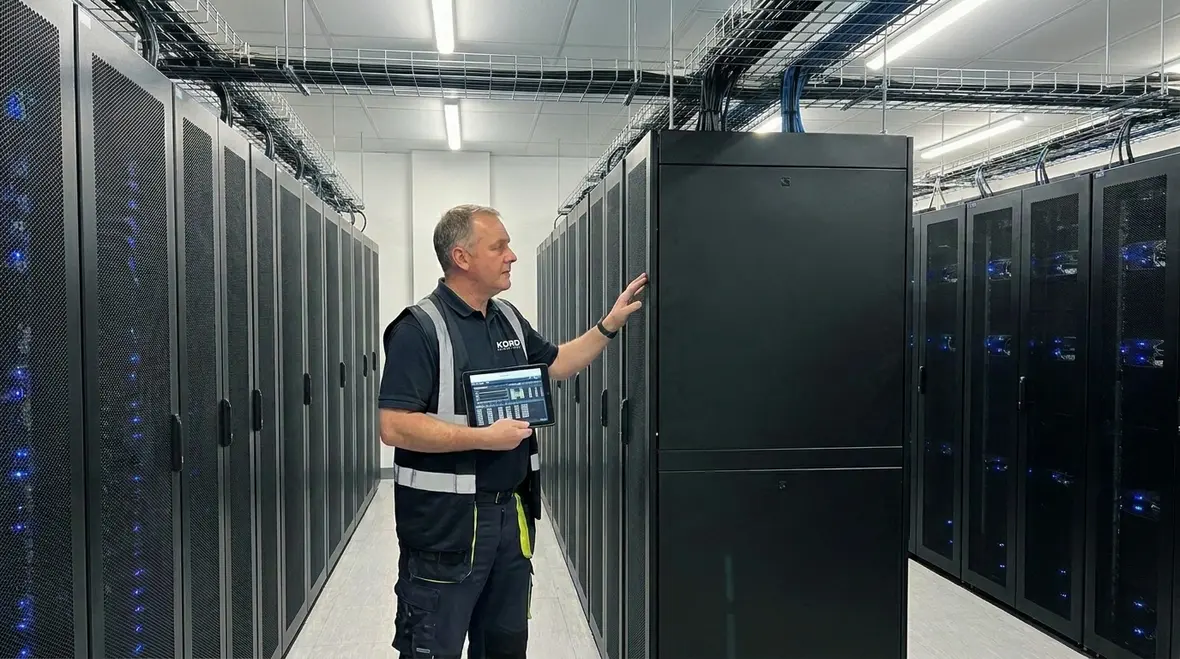
Preventive work keeps reliability from becoming a guessing game. Kord Electric focuses on structured maintenance that matches the risk level of each component, not a one size fits all checklist. We use the same mindset we share in our electrical preventive maintenance approach, because service should be planned, tracked, and measurable, especially for commercial and industrial facilities and major property buildings.
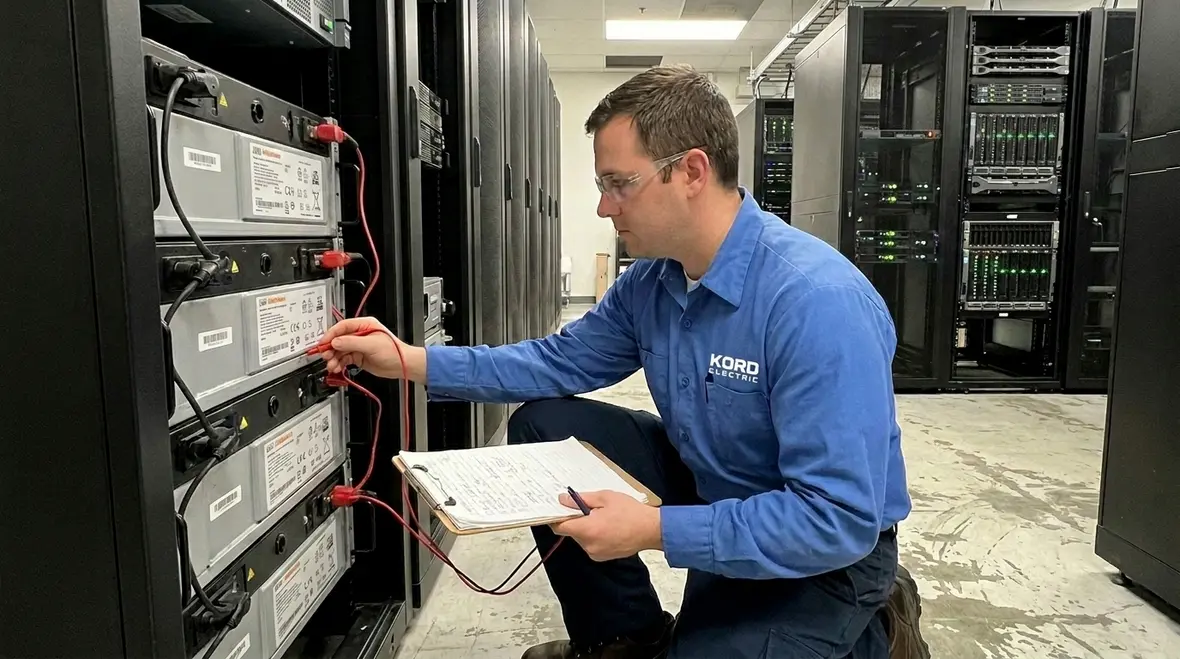
To support that, our technicians inspect and test key items on a routine cycle. They review breaker performance, check connections, monitor battery health, and verify control logic behavior. They also examine airflow and cooling paths around power equipment, because heat loves to impersonate “normal operation.”
Then we document results and recommend corrective actions based on findings. That is where many programs fail. A report that nobody reads is like a smoke alarm with the battery removed.
Our service staff also trains facility teams on what the readings mean and what to watch next. As a result, you can spot early warning signs, schedule repairs before failure, and keep downtime out of the budget like a surprise tax.
UPS, transfer switching, and generator readiness in real terms
Most facility managers know the equipment names, but readiness depends on the details. A UPS may provide ride through, yet it can still fail if batteries age, connections loosen, or control circuits behave differently than expected during a transition. Transfer switching must also work as designed, because a system that transfers late or inconsistently defeats the redundancy plan.
On the generator side, readiness means fuel quality, starting capability, load acceptance behavior, and stable voltage and frequency performance. We do not just “test and hope.” We verify that the system can pick up the load under realistic conditions and that critical branches remain protected throughout the transition.
Our technicians review sequence of operations and interlocks, then they confirm that switching logic matches the one line design. After that, they help facility teams build run books that cover typical events, such as utility loss, breaker failures, maintenance states, and synchronization behavior.
Here is the pop culture version: a data center power system should behave less like a sitcom where everyone forgets the plot, and more like a procedural drama where the team follows the script exactly.
Spare parts, testing schedules, and documentation that teams can use
Reliability collapses when the team cannot act quickly. That is why data center power redundancy planning must include practical support items: spare parts, clear testing schedules, and documentation that makes sense during an actual event, not just during calm times.
We help facility managers decide which parts to stock based on lead times, failure history, and the criticality of each component. Then we align preventive maintenance tasks with what the parts support. For instance, batteries need replacement planning long before they fail. Similarly, power components with known aging patterns benefit from scheduled checks that uncover issues before they become outages.
We also emphasize testing schedules that verify both performance and behavior. A test that runs but does not simulate real transfer and load conditions can create false confidence. So our expert service staff confirms that tests validate the reliability assumptions, such as ride through time, transfer timing, and load stability.
Finally, we keep documentation clear. Switchgear labeling, control logic notes, alarm interpretation, and maintenance history should be easy to find. When teams can follow the information, they respond faster, reduce uncertainty, and avoid “everybody panic” meetings.
Security, safety, and coordination for commercial and industrial facilities
Power resilience also depends on safe operations. Facility managers must ensure access control, lockout and tagout readiness, and safe switching procedures, especially in shared mechanical and electrical spaces. Our technicians coordinate with site rules so service work does not create new hazards while trying to reduce risk.
Coordination matters with both internal teams and contractors. We support clear handoffs for work orders, permit schedules, and maintenance windows. Additionally, we align our service actions with the facility’s operating policies to keep critical systems stable.
From there, we focus on alarm management. A facility that triggers dozens of nuisance alarms trains staff to ignore the real signals. Instead, we help teams tune how alerts map to actions, so the right alarm leads to the right response. As a result, the system stays calm, and the humans do too.
Yes, power systems can be dramatic, but they should not be theatrical.
FAQ
Make reliability a strategy, not a reaction
We help facility managers build and maintain resilient data center power systems with clear planning, preventive maintenance, and technician driven field support. In data center power redundancy planning, the objective is to turn uncertainty into predictable performance. If you want fewer surprises, faster response, and power paths that perform when it counts, reach out to Kord Electric. Our expert service staff can review your current setup, align maintenance with your risk level, and guide next steps you can act on.
For facilities that also need help beyond the data hall, our dedicated electrical preventive maintenance services support commercial, industrial, and government sites with structured inspections, testing, and reporting. And when an issue does break through your defenses, Kord Electric’s emergency electrical services provide 24/7 response to stabilize systems, protect equipment, and restore power safely.
When you treat reliability as a strategy instead of a reaction, every maintenance window, every test, and every run book update becomes part of a larger plan to keep critical operations online. Contact us today to schedule an assessment and start improving reliability the calm, professional way.


