
Commercial Electrical Load Balancing Strategies
Smart Commercial Electrical Load Balancing Strategies for Facility Efficiency
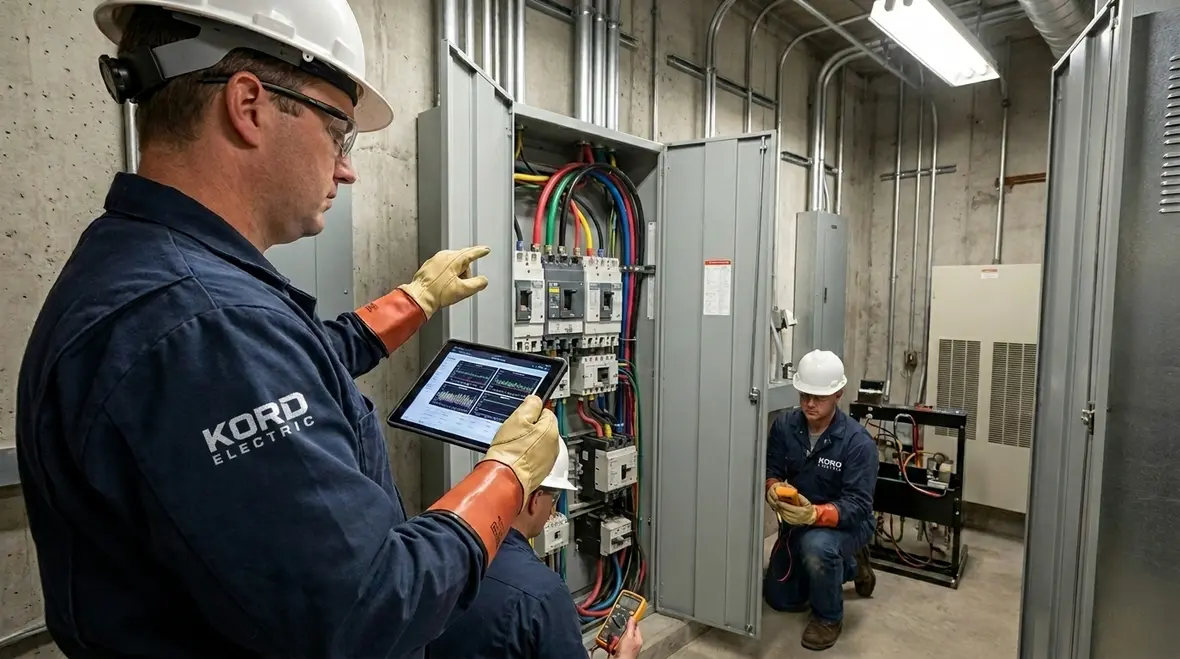
At Kord Electric, we use commercial electrical load balancing strategies to keep power steady, protect equipment, and help commercial and industrial facilities run like they mean it. Early on, our technicians look at demand patterns across panels, feeders, and major loads, then we rebalance phase usage so the system shares the work more evenly. Next, we coordinate protection settings and automation so the facility can respond as occupancy and production change. And while others treat electrical problems like surprises, we treat them like schedules. Because in a major property building, surprises are for birthdays, not breakers.
For extra context, our team also connects load balancing with real-world issues like voltage fluctuations in commercial and industrial environments, since those swings often show up when loading, harmonics, or upstream conditions push a system out of its comfort zone. Our technicians frequently pair balancing work with targeted diagnostics like voltage fluctuation assessments in commercial and industrial facilities so facilities can stabilize both current and voltage together.
Why load imbalance quietly costs money in big buildings
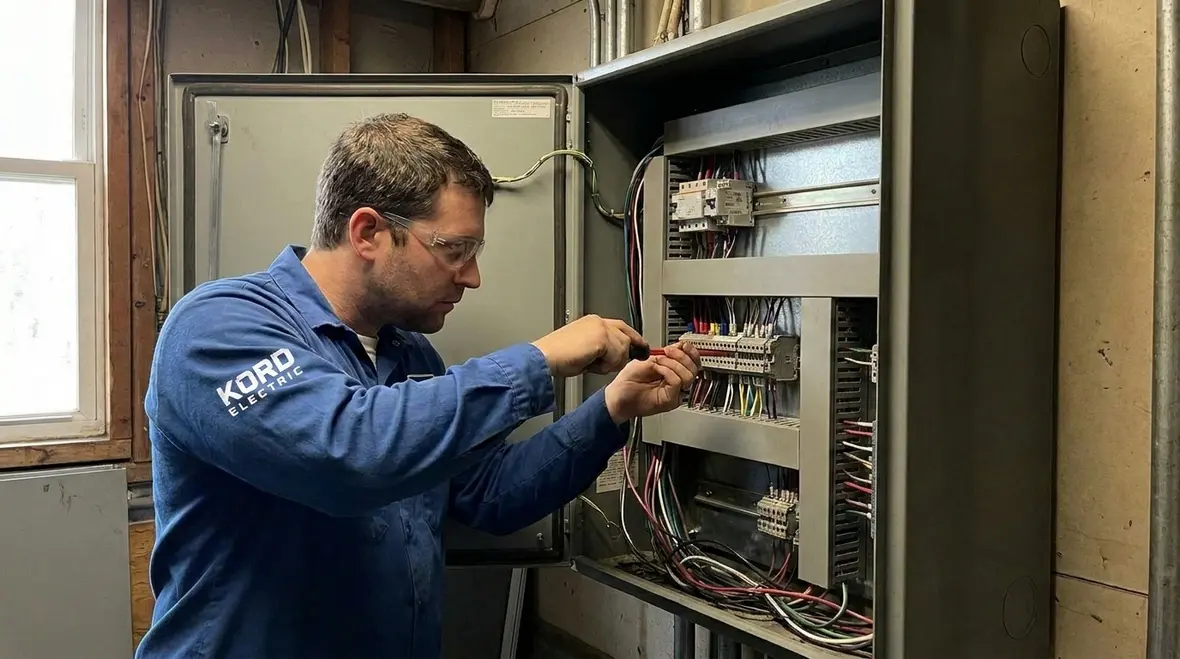
In commercial and industrial facilities, load imbalance does not announce itself with fireworks. Instead, it builds slowly, like a group project where one person does all the work. When one phase carries more current than the others, several things happen at once. Voltage drops can increase, equipment runs warmer, and some devices may draw current in ways that create extra stress. Over time, that stress can shorten motor life, raise the chance of nuisance trips, and force maintenance sooner than planned.
Moreover, the facility often pays for inefficiency through demand charges, higher losses, and degraded power quality. Even when the total kW looks “close enough,” the distribution across phases can still be uneven. Therefore, our expert service staff evaluates both magnitude and distribution, because fixing only the total load misses the real problem.
Also, when facilities share loads across tenants or floors, imbalance can shift as operations change. Then, what looked fine last quarter can look worse this month. That is why the best approach does not stop at installation. It stays active, measured, and updated through programs such as structured electrical preventive maintenance for commercial and industrial facilities that keep an eye on phase loading over time.
How our technicians diagnose phase loading and demand patterns
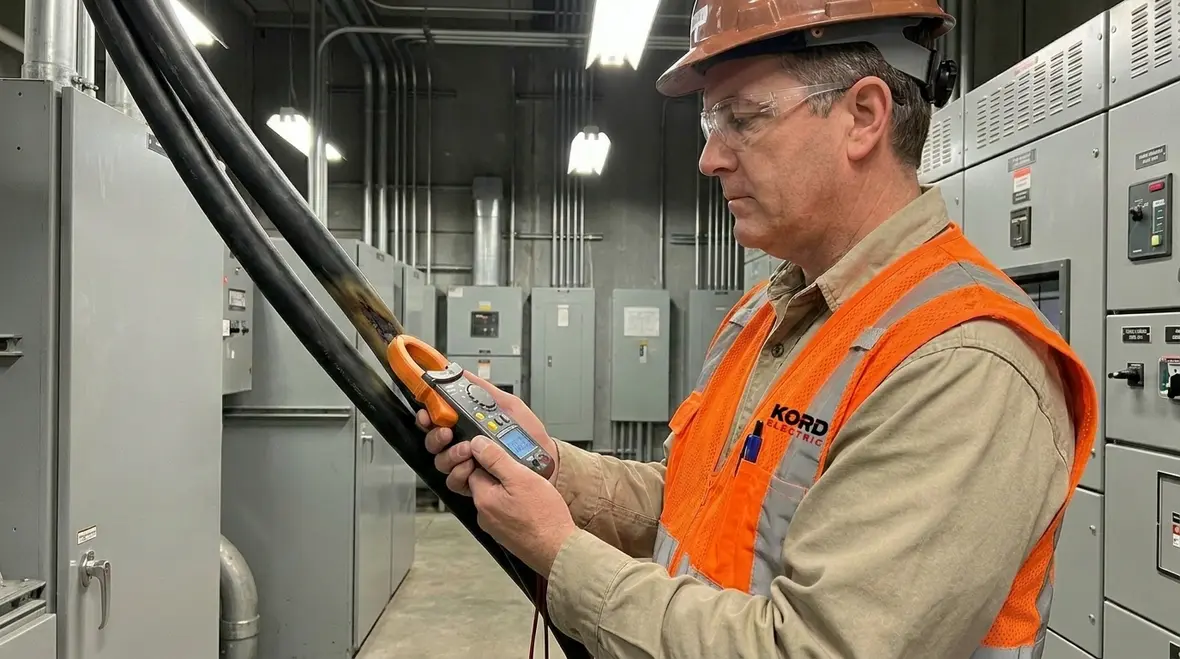
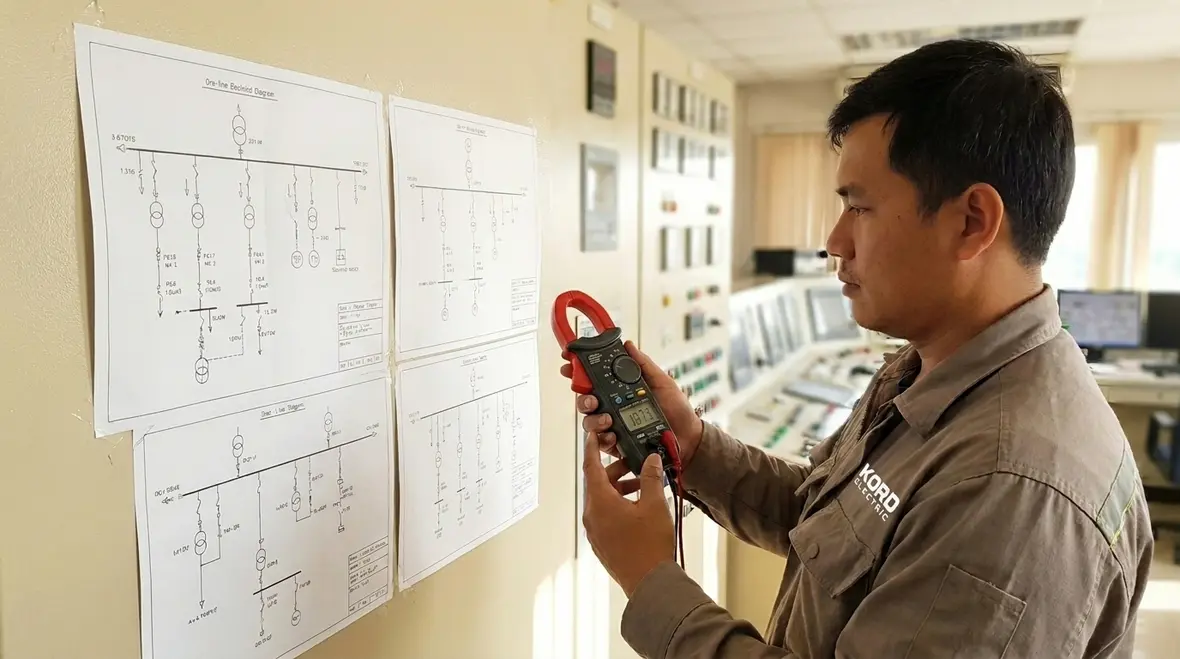
Before we touch anything, we gather facts. Our technicians use field measurements, examine as-built one line diagrams, and review operating schedules for production lines, HVAC cycles, elevators, kitchen loads, pumps, and backup systems. Then we compare what the facility reports to what the electrical system actually delivers. At this stage, we often find that the “expected” load paths do not match real behavior, especially when circuits get added over time.
Next, we break down the analysis by feeders, panels, and phase conductor usage. If one area consistently draws more, we look for common culprits: miswired phase connections, uneven equipment placement, or legacy upgrades that did not rebalance the distribution. After that, we evaluate whether the imbalance comes from steady loads, intermittent start currents, or harmonic rich devices like drives and certain lighting systems.
And yes, sometimes it is as simple as a contractor moving a circuit without updating phase balance. People swear it was “temporary.” Temporary in electrical work often lasts longer than the last building lease. We document what we find, explain it in plain language, and then build a plan that supports the facility’s uptime goals so teams can connect the findings directly to operations, maintenance, and long term system reliability.
Advanced commercial electrical load balancing strategies for real facility conditions
Once diagnostics confirm the imbalance source, we apply commercial electrical load balancing strategies that work in the real world, not just on paper. We start with a practical principle: shift load where it makes sense for safety, code alignment, and operational continuity.
- Targeted circuit reassignment: We redistribute circuits so each phase carries a similar share of current. When feasible, we balance both steady state loads and high start current loads, since motors and compressors can swing phase currents sharply.
- Panel and feeder reconfiguration: For larger buildings, we coordinate changes across panels and feeders, not just at one distribution point. This keeps the system balanced where it matters most.
- Staggered scheduling: We adjust sequencing for HVAC, pumping, and other controllable loads so large equipment does not start all at once. If the facility runs multiple stages, we spread starts across available time windows.
- Load management integration: We align balancing efforts with load shedding strategies and demand response, so the building can ride through peak conditions without letting critical systems suffer.
- Automation and monitoring: We add or tune monitoring so the facility sees phase loading and power quality trends. Then, others do not have to guess. Data helps them act early.
Then we test and verify. We remeasure after changes, confirm safe operating temperatures, and review protection and coordination. Finally, we document the results so facility leadership can track improvements over time, and we often recommend pairing this work with broader initiatives such as commercial and industrial electrical maintenance plans that keep the gains locked in.
Voltage fluctuation and power quality: the hidden neighbor of imbalance
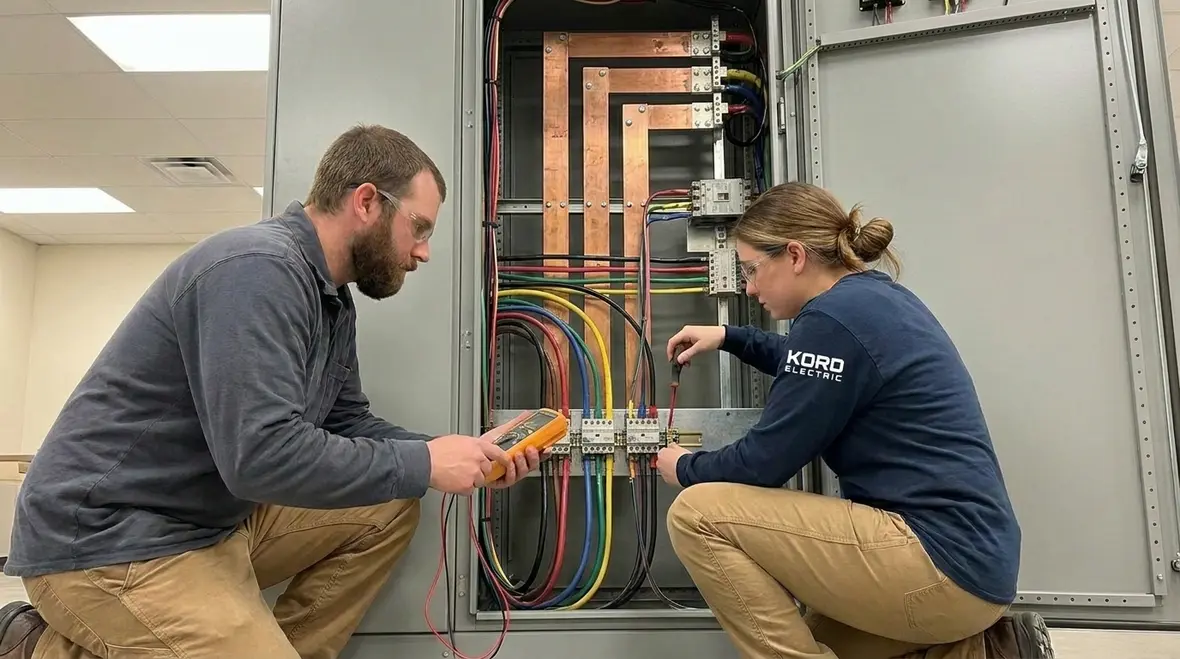
In many commercial and industrial buildings, voltage fluctuations and load imbalance move together like two characters who always show up in the same sitcom episode. When phase currents unbalance, voltage regulation can worsen and sensitive loads can experience stress. Additionally, harmonics from drives, UPS systems, and certain power supplies can distort waveforms, and that distortion can magnify heating and inefficiency.
To address this, we connect balancing with power quality controls. In some cases, we recommend load distribution changes that reduce uneven impedance effects. In other cases, we evaluate the role of nonlinear loads and whether filtering or power factor correction fits the facility’s needs. We also check upstream issues such as service transformer performance and utility voltage stability, often tying findings back to specialized services like voltage fluctuation repair for commercial and industrial facilities.
At this point, our expert service staff often explains the “why” behind what people see. For example, they help operations teams understand why a location might experience more flicker or why equipment might run hot even when total energy use seems normal. When teams understand the cause, they stop treating electrical events like mystery novels and start treating them like solvable problems.
Preventing future imbalance: maintenance, change control, and training
A balanced facility stays balanced only if changes do not quietly undo the work. Therefore, we recommend a change control routine for electrical modifications in major property buildings. Each time someone adds a circuit, swaps a motor, or upgrades lighting, the facility should consider how that action affects phase loading. If you do not, the building slowly drifts back into imbalance.
We also support ongoing measurement and targeted inspection. That means periodic monitoring of phase currents and power quality, checking terminations for heat, and verifying that breaker and protection settings still match the load profile. It also means coordinating with mechanical teams so HVAC upgrades do not create electrical surprises. Facilities often fold this work into their broader electrical preventive maintenance programs so it becomes part of regular operations instead of a one-off project.
Finally, we train in a way operators can use. Our technicians explain what to watch for and how to respond. They also set expectations for how long changes take to settle, because electrical systems do not change like instant coffee. They settle as loads and controls stabilize.
Two-column view of balancing outcomes and what to measure
Facility outcomes we target and Field measures we verify often share the same goal list. Here is how we map results to data in the field:
Outcome |
What we measure |
Reduced phase current mismatch across panels and feeders |
Phase currents before and after reconfiguration, load distribution trends over time |
Lower heat stress on conductors and equipment |
Thermal indicators, temperature checks at terminations, and stability of motor and panel loads |
Improved voltage stability for sensitive equipment |
Voltage regulation behavior, flicker observations, and correlation with load events |
Fewer nuisance trips and fewer unplanned shutdown events |
Protection event logs, breaker trip patterns, and coordination performance |
FAQ about commercial and industrial load balancing
Request a site evaluation and get the building power under control
If your facility runs production shifts, fluctuates occupancy, or relies on motors and critical systems, you deserve electrical performance that stays stable. Kord Electric sends technicians to assess phase loading, verify power quality connections, and apply proven commercial electrical load balancing strategies that fit your uptime needs. Then we explain findings clearly and document results so your team can move with confidence. Call Kord Electric today to schedule an evaluation for your commercial or industrial facility and stop power problems from growing quietly in the walls.
For organizations that want balancing work to support a larger reliability roadmap, our team can also align site evaluations with broader services like electrical preventive maintenance for commercial and industrial properties or targeted projects that resolve voltage fluctuations in commercial and industrial facilities. This way, you are not just fixing a symptom; you are building a more resilient electrical system.
Whether you are planning upgrades, dealing with nuisance trips, or simply want verification that your system is ready for future demand, Kord Electric is ready to help. From diagnostics and design to installation and long term maintenance, we bring a practical, data-driven approach to every facility we serve.
Ready to put your facility on a more stable footing? Explore our dedicated preventive maintenance services on the Electrical Preventive Maintenance page, then schedule a site visit so our team can tailor a commercial electrical load balancing strategy to your building.


