
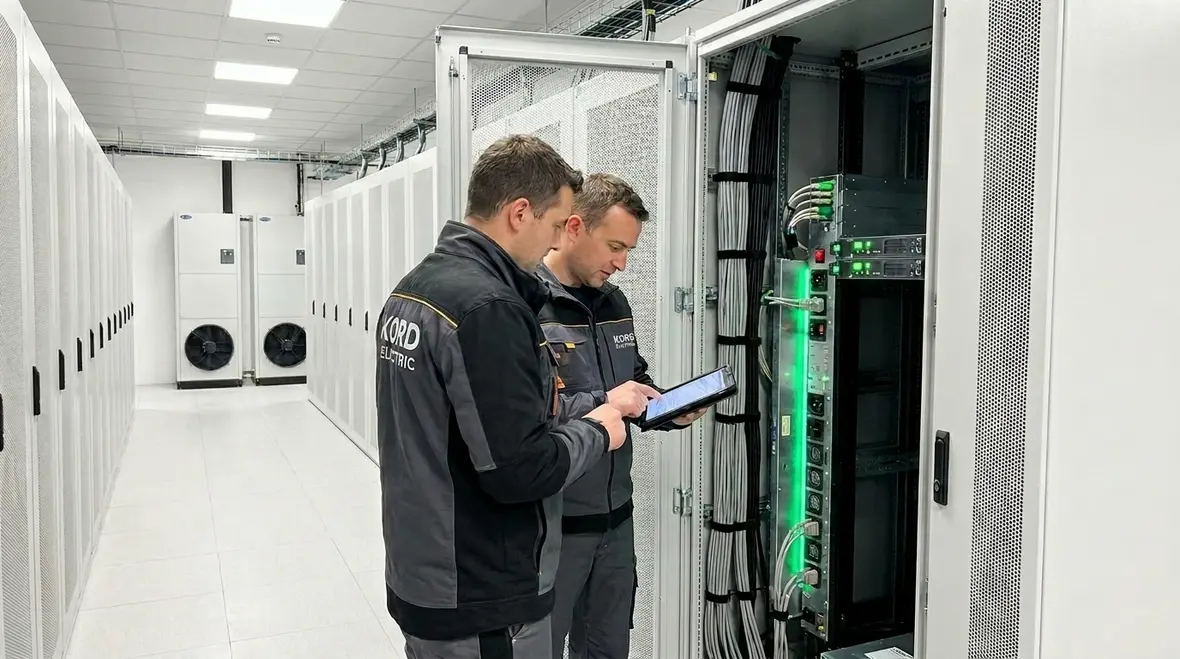
Data Center Uptime Strategy Through Electrical Optimization
At Kord Electric, we treat uptime like a promise, not a hope. Our data center uptime strategy starts with one simple rule: the electrical system must stay stable before problems even think about showing up. Therefore, we optimize power distribution, protect critical loads, and coordinate backups so everything transfers cleanly when the grid gets moody. Next, our team documents operating conditions, tests under load, and plans maintenance windows like pros. And while some people wait for an alarm to do something, others pull the alarm back from the cliff. That is the difference between “it will probably be fine” and a facility that stays online. In this article, we explain how electrical system optimization helps commercial data centers and major property buildings maximize uptime, with clear steps you can act on right away.
Why electrical reliability drives uptime for data centers
Uptime is not only a software concern, and it is not only a cooling concern. In real life, power problems show up first. A small voltage dip can cause a controller restart. A subtle harmonics issue can overheat components. A switchgear alarm can start a chain reaction long before anyone sees a full outage.
We often hear from facility teams that their infrastructure “should” last, because the parts look new. However, the electrical system is like a band: it sounds great when every instrument stays in tune. If one section drifts, the whole performance feels off. Kord Electric brings expert service staff who explain these failure paths in plain terms, so others can make better decisions instead of guessing. And yes, we do say it with a straight face: “waiting for failure” is not a maintenance plan, it is a hobby.
Therefore, we focus on how power arrives, how it gets distributed, and how it gets protected. When those three layers work together, critical loads stay fed and stable.

Design choices that reduce downtime risk
First, we look at how power is planned and routed. Many facilities build for cost first and reliability later. That approach can work until the day load growth, equipment changes, or a utility event stresses the system. Consequently, our technicians evaluate architecture decisions such as redundancy layout, transfer paths, and physical routing to reduce single points of failure.
Second, we pay attention to voltage quality and load behavior. Data center equipment does not behave like a simple motor. It draws power in ways that can create harmonics, neutral issues, and uneven loading. As a result, cables, bus systems, transformers, and breakers may run hotter than expected. Over time, heat degrades insulation and raises failure risk.
Next, we examine protection settings and coordination. If a protective device trips too early, you lose service unnecessarily. If it trips too late, you risk damage that takes longer to repair. So we coordinate relays and breaker timing to clear faults while keeping the rest of the system alive.
Finally, we verify the system can handle real growth. Then we align capacity with the actual operating profile, not only the nameplate. This is where our expert service staff earns their keep, because they help others translate electrical data into practical operations decisions.
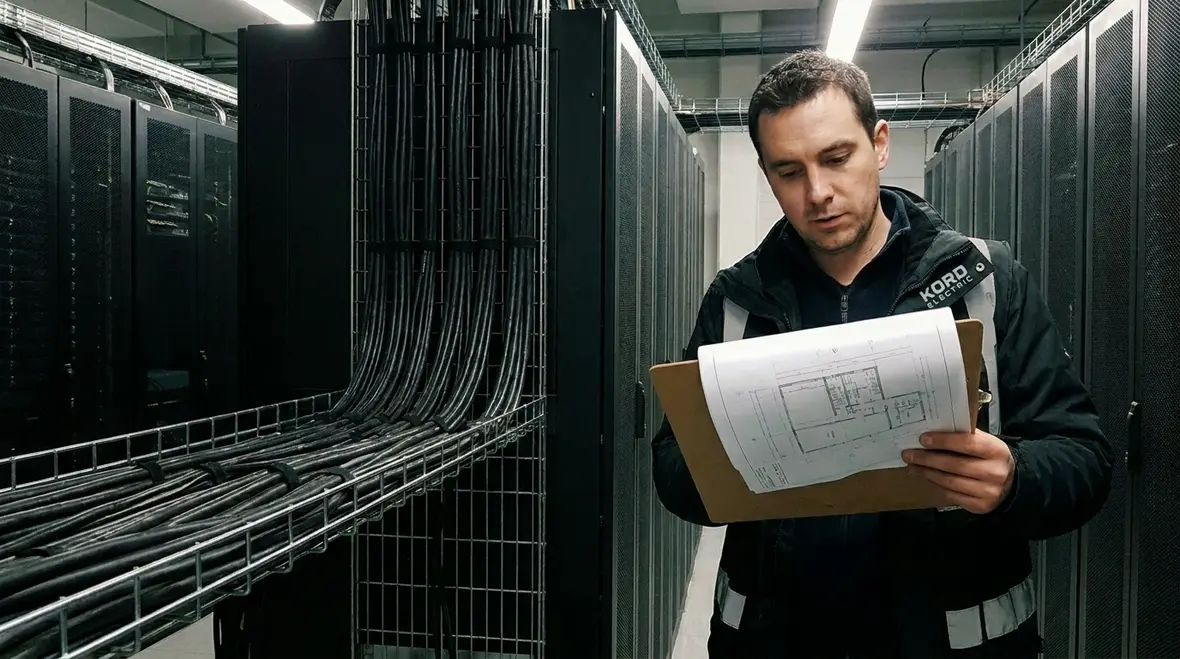
Switchgear, UPS, and transfer systems: where failures hide
When downtime happens, the real story often lives in switchgear and transfer equipment. A UPS can feel bulletproof, until maintenance reveals a weak connection or a bypass configuration issue. Meanwhile, transfer switches and automatic transfer logic can behave correctly most of the time and still fail during an edge case. Edge cases are where uptime goes to die, like a pop quiz you forgot to study for.
Therefore, Kord Electric reviews component interaction across modes. We check how the system transitions during utility dips, generator start, and maintenance bypass. We also examine interlocks, signaling, and control power supply, because failures can stem from “small” circuits that still control the big outcomes.
Next, we look at switching devices for wear and alignment. Contact health, actuator function, and lubrication practices matter, especially in systems that cycle during testing or load changes. If a contact is slightly off, the system may still run. However, it can run hotter and fail later under stress.
In addition, we evaluate monitoring coverage. If alarms exist but nobody interprets them, alarms become wallpaper. Our team helps facilities turn alarms into action by linking electrical conditions to operational priorities.
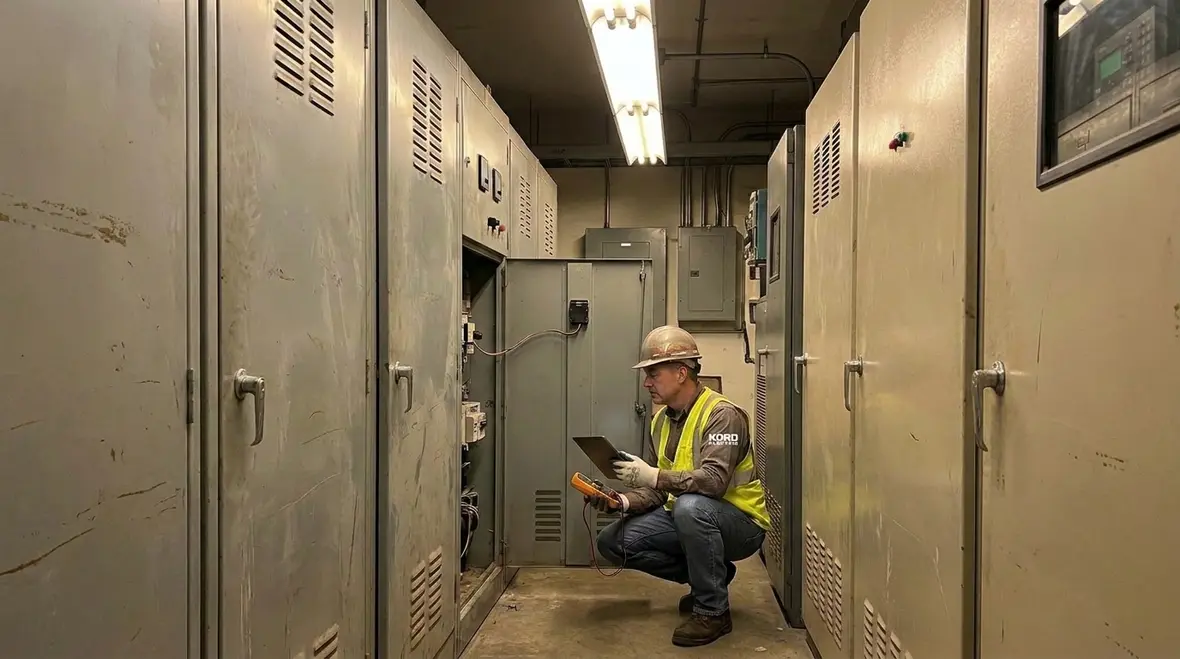
Preventive testing and tuning that actually matter
Let us be honest: some preventive maintenance feels like changing the oil in a car that never gets driven. It happens, but it does not prevent the failure you care about. Kord Electric focuses on tests that confirm the system’s ability to do its job during real events.
First, we perform electrical measurements and targeted inspections. That includes load testing, insulation checks where applicable, and thermal considerations for critical paths. Then we review power factor, voltage regulation behavior, and transient response. In plain terms, we confirm the system stays within limits when it must.
Second, we tune control and protection logic. Settings drift can happen when components age, when load changes, or when upstream and downstream devices get updated. By aligning protection curves and control behavior, we reduce nuisance trips and improve fault clearing.
Third, we validate UPS and transfer operation through procedures that match how the facility runs. Because the best test is one that mirrors real operating conditions. Our technicians explain the results clearly, so others in operations understand what the readings mean and what to watch next.
Finally, we document findings and recommendations. Then we set a maintenance cadence tied to risk, not only calendar dates. This supports a durable data center uptime strategy over time, not just a “good looking” report after the fact. For deeper planning around structured maintenance, you can also explore how commercial and industrial electrical maintenance plans keep systems stable over the long term.
Learn more about commercial and industrial electrical maintenance plans
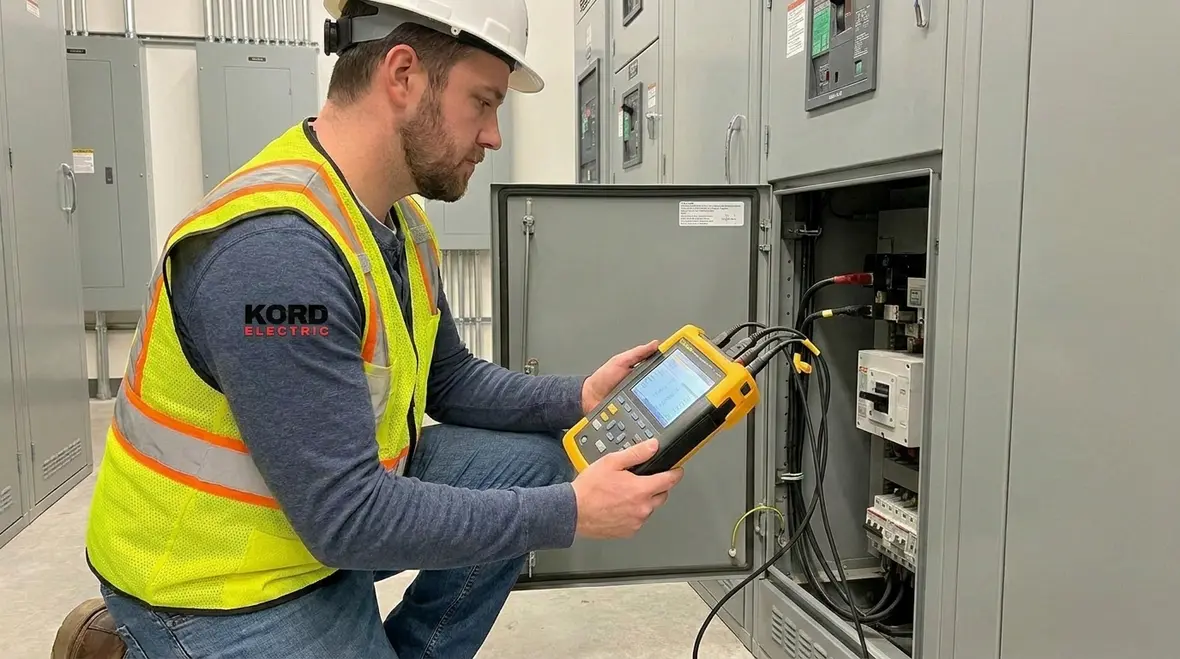
Operations, coordination, and response planning
Electrical optimization does not end at installation. It continues in how teams operate the facility, how they coordinate with contractors, and how they respond when the system signals trouble. A perfectly designed system still needs disciplined handling.
First, we help define escalation paths and roles. When an alarm fires, people need to know what to do first, second, and third. Otherwise, the team spends time arguing, and the outage spends time becoming real.
Second, we plan maintenance windows with electrical constraints in mind. If maintenance disrupts a critical transfer path or control power rail without proper sequencing, the risk rises. So we coordinate with facility leadership and maintenance teams to ensure work proceeds safely and without unnecessary exposure.
Third, we improve operational visibility. Our team supports facilities in making data useful. Monitoring dashboards and event logs matter most when they connect to a clear action plan. Therefore, we help others connect the dots between alarms, switchgear events, UPS behavior, and operational impact.
And yes, we include training and walk-throughs. Nobody wants to press a button they do not understand. That is how you end up with a downtime event and a new hobby called “explaining to leadership why it happened.” We prefer prevention.
How Kord Electric supports commercial and major property facilities
Kord Electric works with commercial and industrial facilities and major property buildings. That focus matters, because data centers and major properties demand consistency, documentation, and fast coordination. We build solutions with the electrical system’s full life cycle in mind.
Our expert service staff brings practical experience to optimization projects. They review system design, verify conditions on site, and recommend improvements that reduce risk without causing unnecessary disruption. Moreover, they explain the why behind the work. Others benefit because the team can make decisions with confidence, not fear.
When we recommend upgrades, we align them with business goals such as minimizing downtime, supporting growth, and improving reliability during utility events. And when work requires downtime planning, we coordinate sequencing to protect critical loads as much as possible.
In short, our approach aims to keep operations steady and predictable. Then uptime becomes less like luck and more like engineering. For facilities that want to harden their electrical backbone even further, our electrical preventive maintenance services help turn that data center uptime strategy into an ongoing, disciplined practice.
FAQ
Ready to protect uptime before the next power event?
If your facility depends on steady power, do not wait for a problem to prove your risk. Kord Electric can review your electrical system, validate critical transfers, and help your team build a clear maintenance and testing plan that supports reliable operations. We work with commercial and industrial facilities and major property buildings, and our technicians explain findings in a way your staff can use. Contact us today to schedule an assessment and move from reactive maintenance to confidence.
To take the next step in your data center uptime strategy, you can also explore how our dedicated electrical preventive maintenance services keep critical power infrastructure ready for whatever the grid throws at it.


