Electrical Hazard Awareness Training for Facilities
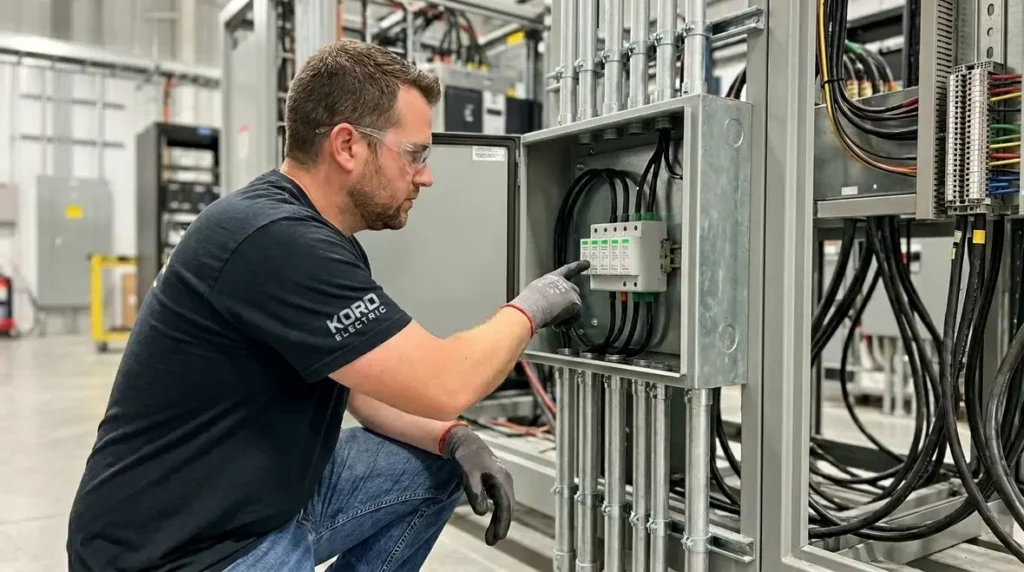
Commercial and industrial facilities run on schedules, equipment, and people who are expected to “just handle it” when something electrical acts up. Electrical Hazard Awareness Training turns those everyday expectations into safer habits, giving your maintenance team practical tools to recognize hazards, slow down at the right moments, and keep power systems working without turning every issue into an emergency call.
At Kord Electric, we see how quickly a “simple” reset, panel check, or quick adjustment can expose staff to live parts, unexpected backfeeds, and arc flash risk. That is why Electrical Hazard Awareness Training focuses on what your team actually does during the day, not on abstract theory. The goal is simple: fewer surprises, safer decisions, and a facility where electrical safety is part of the routine, not an afterthought.
Why Electrical Hazard Awareness Training matters at commercial facilities
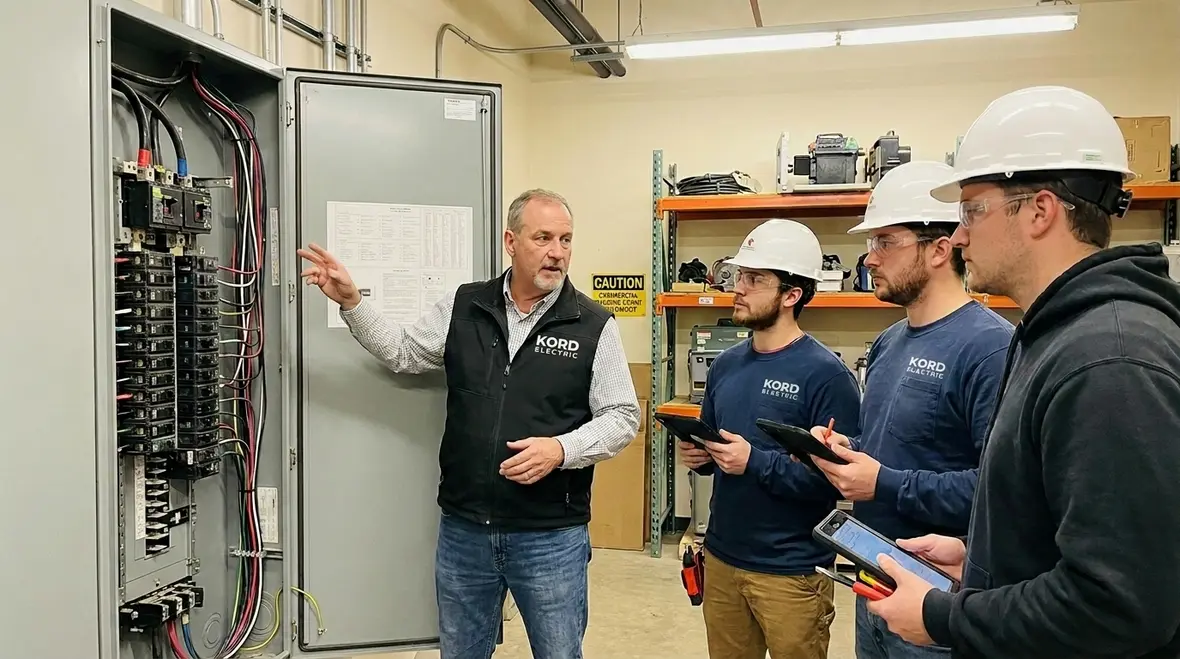
At Kord Electric, we believe strong safety habits start with Electrical Hazard Awareness Training. In the first place, facility maintenance staff often face live systems, temporary power, and aging panels that behave like they have their own opinions. That is why we build clear, hands-on training that helps people recognize risk early and respond fast. Then, when something goes wrong, they know what to do, what to avoid, and who to call. And yes, we keep it practical, not a lecture that makes everyone stare at the ceiling like it is on mute.
Others may treat electrical danger as “someone else’s problem.” We treat it as a daily routine. We also explain things in plain language through our technicians and expert service staff, because experience matters more than fancy slides.
In many buildings, electrical safety only gets attention after something goes wrong. Training changes that rhythm. When staff can recognize hazards in panels, cord sets, and distribution equipment, they prevent more issues than any single inspection can catch. That proactive mindset also supports other risk-reduction efforts, from emergency response planning to preventive maintenance and compliance with standards such as NFPA 70, the National Electrical Code, which sets the baseline for safe installations across commercial properties.
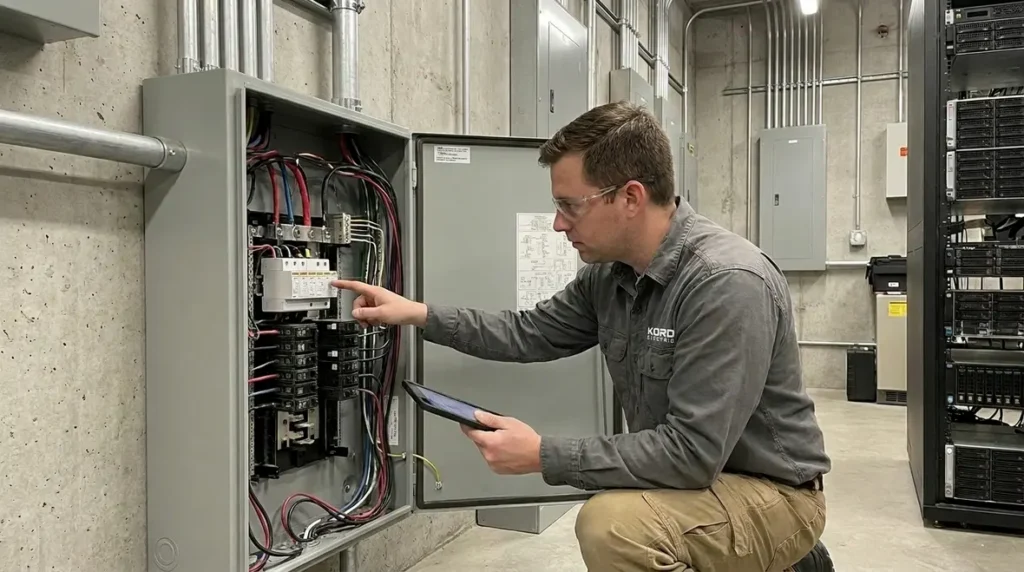
We also see that maintenance staff are often the first people on scene when lights flicker, equipment quits, or a breaker trips. Electrical Hazard Awareness Training gives them a clear mental checklist: what to check visually, what to avoid touching, when to call a licensed electrician, and how to keep others away from the area until it is safe.
Common electrical hazards that maintenance teams actually face
Commercial and industrial sites do not run on theory. They run on real equipment, real schedules, and real corners where people rush. For that reason, our technicians regularly see the same hazards show up again and again:
- Exposed energized parts inside panels, junction boxes, and disconnects where covers get removed for “just a minute.”
- Improper lockout and tagout when work overlaps with production or other trades, even briefly.
- Wet conditions and damaged insulation near loading docks, plant wash areas, and roof penetrations.
- Overloaded circuits from temporary heaters, extension cords, and power strips that never return to storage.
- Arc flash risk from incorrect assumptions about what is “off,” especially after switch changes or panel label mistakes.
And while people often worry most about shocks, we also train teams to respect arc flash. It can happen without direct contact. In other words, the danger does not need a handshake. It needs a mistake, a lack of verification, or a rushed restart.
We also highlight less obvious risks that hide in everyday tasks: moving ceiling tiles near energized lighting circuits, using metal ladders in tight mechanical rooms, or working around outdoor lighting where moisture and buried splices can create hidden faults. When staff start to see those patterns, they naturally slow down and set up safer work areas.
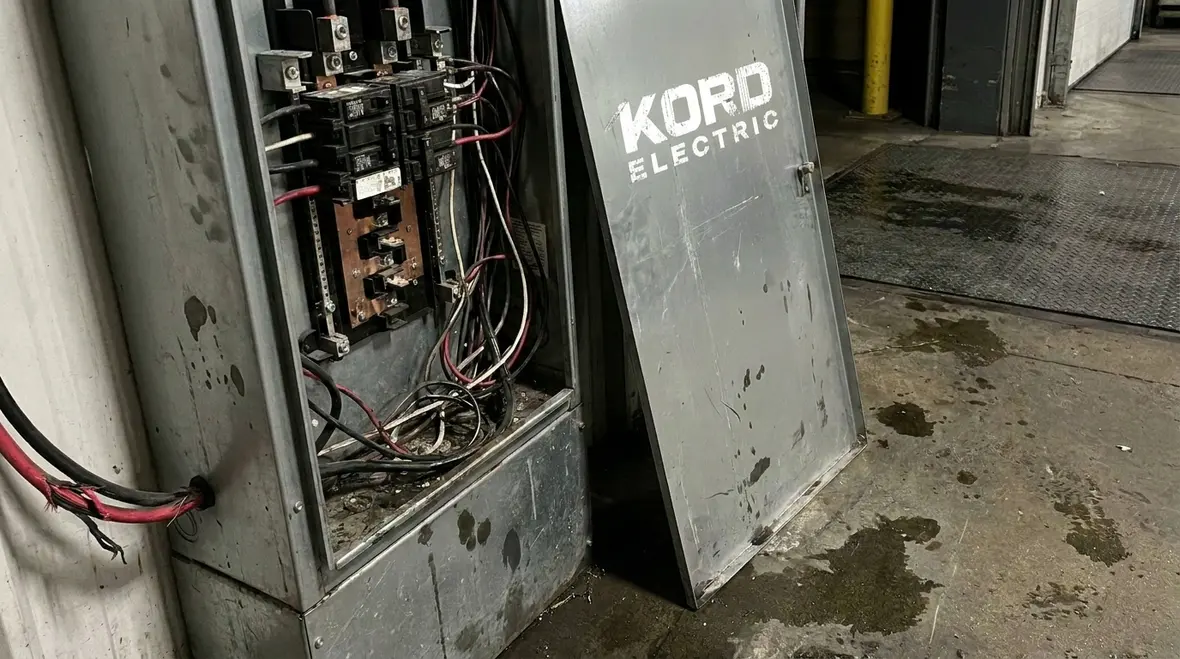
For deeper context on how hidden risks develop behind walls and in crowded panels, facility managers can also review Kord Electric’s insights on concealed issues in commercial buildings, which reinforce why proactive inspections and trained eyes matter when systems operate near capacity.
How Electrical Hazard Awareness Training supports everyday safety
By connecting these hazards to real-world tasks, training gives maintenance teams a shared language to describe what they see. Instead of saying “something looks off in that panel,” they can describe loose terminations, discoloration, or missing hardware clearly, which makes it easier for licensed electricians to respond quickly and accurately.
What a good Electrical Hazard Awareness Training program covers
We design Electrical Hazard Awareness Training for facility maintenance staff who work in commercial and industrial buildings, including major properties with complex power distribution. The goal is not just awareness in name. It must create consistent behavior. Therefore, our approach covers what staff must recognize, understand, and do, before they touch equipment.
Our expert service staff walk teams through core topics in a way that sticks:
- How electricity behaves in basic terms that staff can apply to panels, conductors, and control circuits.
- How to identify boundaries, including what counts as limited approach vs. no-go areas during electrical work.
- Why labeling and documentation matter, and how wrong labels can turn safe work into guesswork.
- How to prevent energized contact by using the right tools, maintaining covers, and keeping barriers in place.
- How to respond when something feels off, including stopping work and reporting conditions immediately.
Next, we add scenario based discussion because real facilities bring real surprises. A maintainer might deal with a tripped breaker, then later find a “repaired” circuit that was never tested properly. So we train people to treat reset buttons like they are not magic. They are just a switch, and they do not correct hidden faults.
Connecting training to codes, inspections, and long-term reliability
A strong Electrical Hazard Awareness Training program also supports code compliance and preventive maintenance. When staff understand why NEC rules exist and how panels are supposed to be labeled, they are more likely to notice missing identification, improvised modifications, or doors that never seem to close properly. That awareness feeds directly into better maintenance reports, safer inspection walk-throughs, and smarter planning for upgrades or rewiring projects.
For example, if your facility is planning major upgrades or has already outgrown its original electrical system, training can help your team spot early signs that point toward the need for larger projects, such as persistent overloads or aging equipment. When paired with professional evaluations, this kind of awareness supports safer, better-timed improvements instead of last-minute reactions.
How our technicians teach safe decision making on site
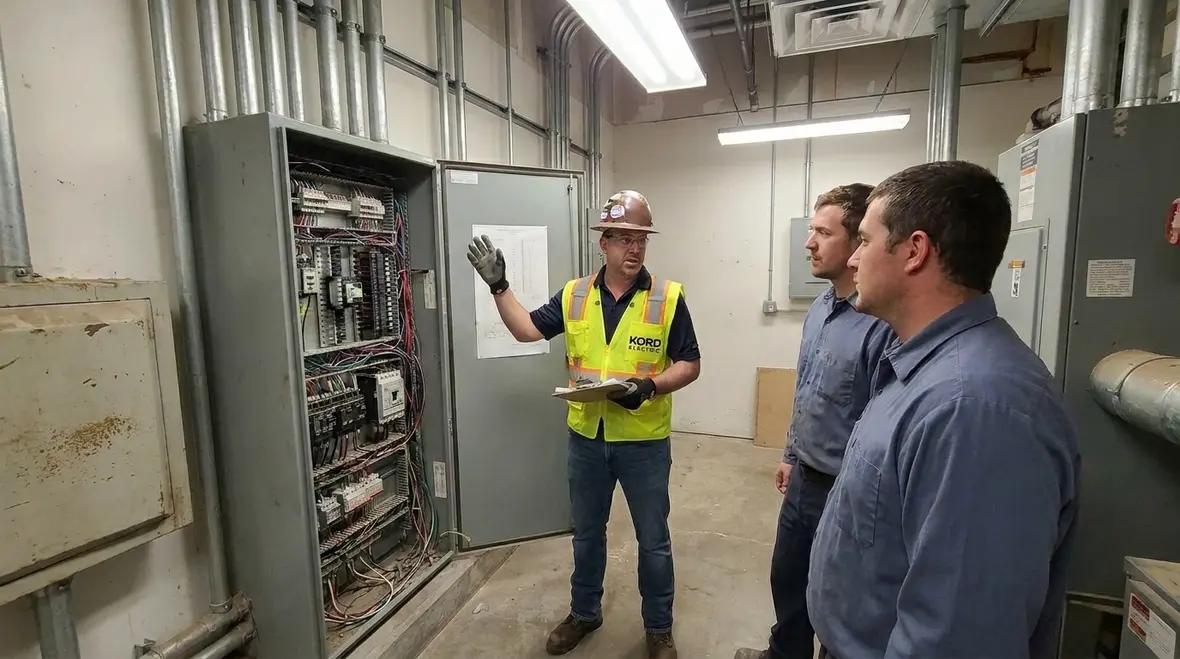
Training works best when it matches the site. That is why our technicians show maintenance staff how to make safer choices during day-to-day work. We do not just tell people what to do. We show them how to check, verify, and proceed.
Here is how our expert service staff typically guide the conversation:
Before work
- We review the equipment involved and confirm where the hazard boundary sits.
- We confirm that covers, barriers, and labeling are in place.
- We explain why “I only need to loosen one screw” can still create exposure.
During work
- We stress verification, not assumptions, especially after someone else operates a disconnect.
- We discuss safe tool choices and how to keep hands and posture controlled.
- We reinforce stopping work when conditions change, like moisture or unusual heat.
Then, after the task, we talk about what good looks like. People should leave the area cleaner than they found it, with covers returned and work areas secured. We also encourage a simple reporting habit: if they notice a problem, they document it. This builds a safety trail that helps the next person.
And look, no one becomes a superhero overnight. But if our training prevents one “quick fix” that turns into an emergency call, it has done its job. That is the business side of safety, and it is also the human side.
Because Kord Electric also provides 24/7 emergency electrical services for Los Angeles facilities, our trainers bring real-world outage experience into every session. That perspective helps teams understand how small decisions made during routine work can either prevent emergencies or quietly set them up for later.
Training that reduces risk when power systems get complicated
Large commercial and industrial facilities rarely stay simple. Equipment gets added, upgraded, re-labeled, moved, and sometimes repaired by contractors who do not share the same habits as the in-house team. As a result, the risk profile shifts over time.
So we structure training around complexity, including:
- Multiple power sources where some feeders backfeed or share controls.
- Motor control and starters where upstream “off” does not always mean downstream safe.
- Temporary power for construction zones, events, and maintenance outages.
- Panel aging where torque marks, loose screws, and worn insulation tell a story.
Now, let us be honest. Some teams treat electrical safety like a boring plot twist. It shows up late, then everyone pretends they did not see it coming. We train differently. We help staff spot early signals such as heat discoloration, intermittent operation, and repeated tripping. Then we show how to escalate issues before they become outages.
Because safety is not only about avoiding injury. It also protects operations, schedules, and budgets. And if you run a major property, you know downtime costs more than anyone wants to admit, even in a meeting where people smile too much.
In facilities with backup generators, UPS systems, or specialized equipment, our training emphasizes how Electrical Hazard Awareness Training fits into a broader reliability strategy. Staff learn why transfer switches, emergency panels, and life safety circuits must be treated with extra care, and why any sign of overheating, noise, or inconsistent performance should be escalated quickly.
Supporting long-term electrical upgrades and planning
When your maintenance team understands the patterns behind repeated problems, they can help build the case for targeted improvements instead of constant band-aid fixes. Whether that leads to strategic rewiring, panel replacements, or added capacity, the result is a safer, more predictable system that supports operations instead of disrupting them.
Common mistakes that training helps maintenance staff avoid
Even motivated teams can fall into predictable traps. Therefore, our Electrical Hazard Awareness Training program highlights mistakes so staff can recognize them fast. This reduces trial and error, which is a luxury most facilities do not have.
Some of the mistakes we address include:
- Skipping verification because someone said the circuit is off, or because a breaker looks “tripped.”
- Touching conductors with improvised tools instead of using insulated, rated equipment and following safe methods.
- Working past damaged covers and ignoring missing screws, cracked doors, or misaligned latches.
- Using cords unsafely, such as routing them through walkways without protection or replacing them late.
- Ignoring abnormal signs like buzzing, burning smell, or hot spots that suggest an active fault.
We also cover the human factor. In busy commercial settings, people feel pressure to keep systems online. However, training teaches staff to stop and report when conditions conflict with safe practice. In other words, we help them say, “Not yet,” without sounding like they are killing productivity. That is a skill, too.
By giving supervisors and technicians the same vocabulary for hazards and safe responses, Electrical Hazard Awareness Training reduces friction between “getting it done” and “doing it safely.” That shared understanding is especially valuable during emergencies or after-hours calls, when quick communication matters most.
Frequently asked questions for facility maintenance teams
Make safety your standard with Kord Electric
We help commercial and industrial facilities build a safer day-to-day routine through clear Electrical Hazard Awareness Training delivered by our technicians and expert service staff. Instead of guessing, your maintenance team learns how to recognize hazards, verify conditions, and respond quickly when risk appears. If you want a program that fits your building and your workflow, contact Kord Electric today. We will review your needs, recommend an approach, and help you reduce avoidable electrical incidents before they turn into downtime and paperwork.
For facilities across the region, partnering with an experienced commercial electrical team also means you have support beyond training itself. Whether you need help planning preventive maintenance, responding to emergencies, or coordinating upgrades throughout Los Angeles County electrical services, aligning your Electrical Hazard Awareness Training with licensed field support keeps your safety strategy grounded in what actually happens on site.
If your facility is ready to move electrical safety from “good intentions” to daily practice, start by giving your maintenance team the tools, language, and real-world context they need. Electrical Hazard Awareness Training is not just another checkbox—it is a practical investment in your people, your equipment, and the uptime your operations depend on.