
Electrical Infrastructure Upgrade Roadmap Guide
Building for the Future: Our Electrical Infrastructure Upgrade Roadmap
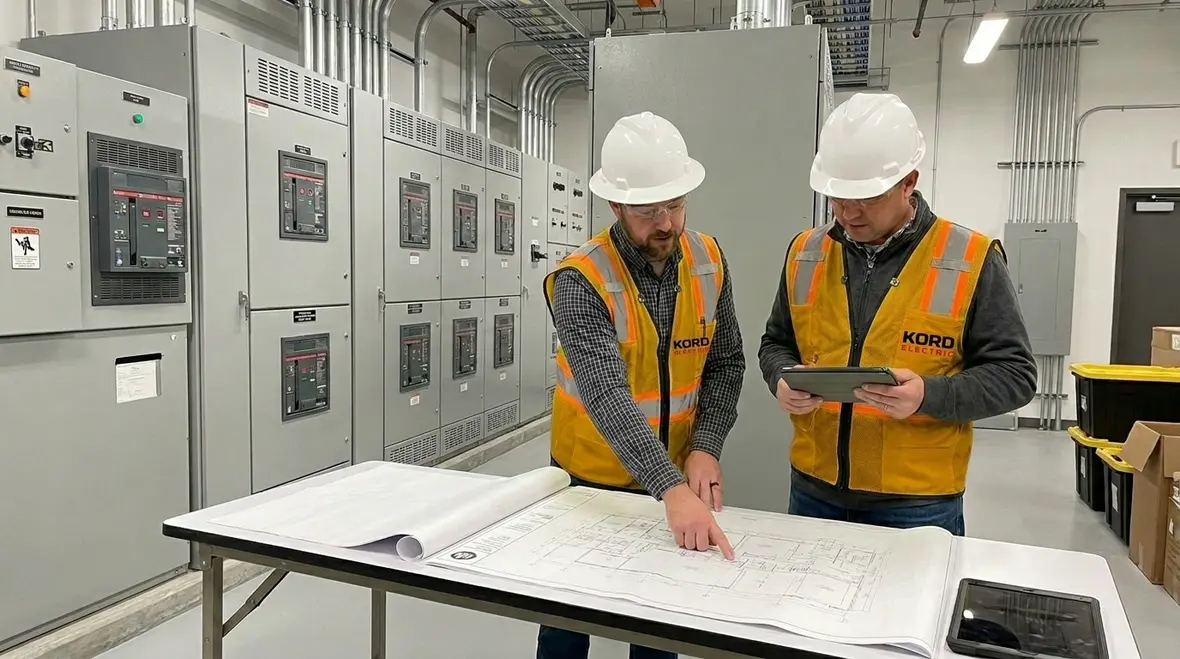
Commercial and industrial facilities do not fail politely. One day the lights flicker, later the downtime hits, and then everyone acts surprised, like the building did it for fun. At Kord Electric, we follow an Electrical Infrastructure Upgrade Roadmap built for aging commercial electrical systems. In the first phase, we measure what exists today, then we modernize it in a practical order that protects operations. After that, we validate performance, document everything, and plan the next wave before small problems become big ones. Our technicians and expert service staff walk people through what we find, why it matters, and what each upgrade does to lower risk. And yes, we explain it in plain language, because nobody wants an electrical repair that reads like a physics textbook.
Why aging electrical systems slow progress in commercial buildings

When a commercial facility grows or changes use, the existing electrical infrastructure often keeps its old habits. Over time, switchgear ages, insulation hardens, connections loosen, and protective devices drift out of spec. Consequently, the building becomes less efficient, more sensitive to surges, and more likely to trip during peak loads. In addition, older wiring and panels can create hidden heat and voltage drop, and that heat is the kind of quiet problem that gets loud later.
Because many industrial and major property buildings run around the clock, the cost of failure is not just repair. It is lost production, disrupted schedules, and added risk for staff and tenants. Transitioning from “it still works” to “it works reliably” requires more than replacing one breaker or swapping a single component. It requires a roadmap and a methodical plan that respects how the facility operates.
Electrical Infrastructure Upgrade Roadmap: the assessment that actually matters
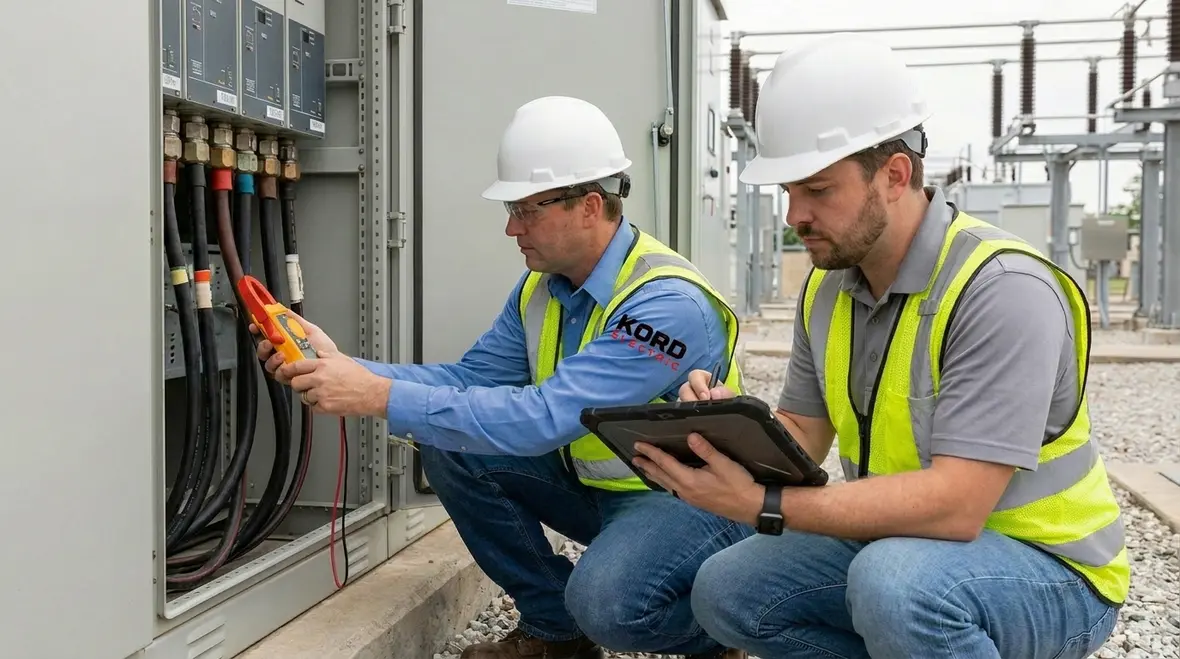
Most people think modernization starts with equipment. We start with information. Our expert service staff performs a structured assessment that looks at electrical single line diagrams, load history, equipment condition, and protection coordination. Then we verify real-world performance with field testing where it counts, not just office assumptions. In other words, we do not guess. We confirm.
In practical terms, the assessment helps us identify where the system is weak, where it is inefficient, and where it is likely to fail first. For example, we review panel and switchgear condition, evaluate grounding and bonding, and check whether protective devices still coordinate the way they should. If the building has had expansions, we also look for mismatch between older circuits and newer loads. After all, adding loads to an aged system without a plan is like adding extra toppings to a pizza box that is already bending.
If you want to see how this roadmap connects to long-term reliability, our article on commercial and industrial electrical maintenance plans shows how structured inspections and testing keep those upgrades performing year after year.
Modernization planning that protects operations and budgets
Once we understand the current state, we build a plan that fits the facility schedule. Facilities like yours rarely have the freedom to shut down without consequence. Therefore, we plan upgrades in stages, align work with production windows, and coordinate outages when they are truly necessary. We also estimate impacts so procurement and budgeting stay predictable.
Next, we prioritize based on risk and value. Safety and reliability come first, then we address capacity and efficiency, and finally we improve future flexibility. Transitioning from patchwork fixes to a phased upgrade sequence reduces repeated labor, limits duplicate downtime, and keeps the facility moving. Our electricians also consider the human side. We explain to site leaders what changes they will notice and what they should expect from the building controls during transition periods. That clarity reduces surprise, and surprise is expensive.
This is where our Electrical Infrastructure Upgrade Roadmap directly supports ongoing electrical preventive maintenance. When modernization is staged intelligently, maintenance teams have clearer priorities, better documentation, and safer access to equipment.
What we upgrade first: protection, power quality, and load capacity
In many commercial and industrial settings, the first improvements target protection and power quality. When protective devices do not work together, faults spread longer than they should, and outages last more than they have to. So we focus on coordination, settings, and device compatibility. Additionally, we evaluate power quality issues that can quietly damage sensitive equipment. Harmonics, voltage sags, and poor power factor can turn steady systems into unpredictable ones.
From there, we address load capacity and distribution. This often involves panel modernization, switchgear upgrades, conductor adjustments, and busbar or feeder improvements. However, we avoid “bigger is better” thinking. We size and configure based on actual demand patterns and forecasted growth. As a result, the facility gains headroom without overspending.
Then we improve efficiency and manage energy where it makes sense. That can include upgrading components that run hot, improving connections, and enhancing metering and monitoring. Monitoring matters because it helps others see issues early instead of waiting for a failure. Our technicians show facility teams how to interpret key readings, so maintenance becomes smarter, not more stressful.
If your building has already experienced flickering lights, nuisance trips, or unstable loads, our voltage stability work in voltage fluctuation repair for commercial and industrial facilities pairs naturally with an Electrical Infrastructure Upgrade Roadmap to tackle both the symptoms and the root causes.
How we handle future-ready design for major property buildings
For major property buildings, the modernization path must also support evolving tenant needs and changing electrical demand. That means designing for scalability, not just today’s load. We plan infrastructure routes for future feeders and consider how new systems will integrate without major rewiring. Meanwhile, we also verify compliance with current standards and help teams align documentation for smoother inspections.
In many cases, the facility will add HVAC upgrades, expand manufacturing lines, or bring in new data and automation loads. Consequently, the electrical system needs better control, clearer labeling, and easier access for maintenance. We help by cleaning up existing labeling, updating drawings, and improving identification of circuits and equipment. This work sounds small, but it saves hours during troubleshooting, and it keeps technicians from playing “guess the breaker” like it is a game show.
We also prepare for resiliency needs. That might mean considering standby power interfaces, protective strategies for critical loads, or power distribution that isolates problem areas. Importantly, we do not invent complexity. We explain options, we recommend the approach that fits your risk profile, and we implement in a way that keeps the building safe and stable.
For properties supporting advanced automation, dense computing, or heavy process loads, this future-ready design mindset is similar to what we outline in our piece on data center electrical infrastructure essentials—only adapted to your building’s unique mix of tenants and systems.
Commissioning, documentation, and training that keeps the upgrade alive
Modernization does not end at installation. If the system is not tested, verified, and understood, the upgrade becomes a rumor. Therefore, Kord Electric completes commissioning steps that confirm performance and protective behavior. We verify operation, check coordination, and validate key electrical characteristics so the facility receives what it was promised.
Then we focus on documentation. We update drawings, labeling, and system records so future maintenance stays consistent. Transition words matter here because the process flows. First, we test. Then, we document. After that, we train. Our technicians and expert service staff walk stakeholders through what changed, how to spot early warnings, and what maintenance tasks should follow.
This training also reduces friction between maintenance teams and operations staff. For instance, when a facility operator knows what a power quality reading means, they respond faster and avoid unnecessary shut downs. In short, we bring the upgrade to life, not just into the panel.
The end result is an Electrical Infrastructure Upgrade Roadmap that does not sit in a binder. It becomes a living reference point that maintenance teams, operations leaders, and outside partners can all trust when making decisions about future changes or corrective work.
FAQ
Ready to modernize without guesswork?
If your commercial or industrial electrical system feels tired, reactive, or unpredictable, Kord Electric is ready to help. We build a clear, phased path using our Electrical Infrastructure Upgrade Roadmap, then we test, document, and train your team so the upgrade performs for years. Reach out for an assessment and a practical modernization plan that protects operations and budgets. Let us turn that flicker from a warning into a solved problem, and keep your facility running with confidence.
If you are planning specialized upgrades such as major lighting improvements or EV charging infrastructure, this roadmap also supports projects like commercial and industrial lighting installation and EV charger installation, ensuring the underlying power system is ready before new loads arrive.
For facilities that cannot afford unexpected outages while upgrades are underway, our 24/7 emergency electrical services provide an added safety net, so even if something fails during a transition, you have a team that already understands your Electrical Infrastructure Upgrade Roadmap and can respond fast.


