
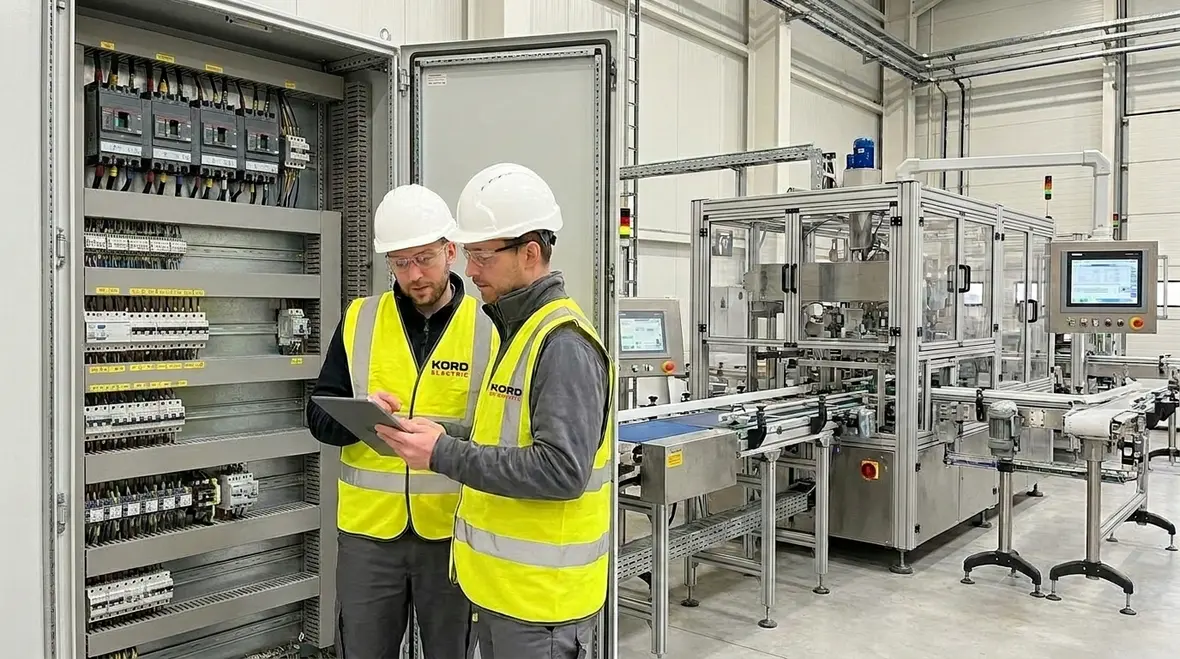
Electrical Infrastructure Upgrades for Modern Machinery
At Kord Electric, we help commercial and industrial facilities upgrade electrical systems so modern machinery can run the way it was designed to run. When production lines need more speed, more automation, or cleaner power, electrical infrastructure has to keep up. And while most people picture a “quick fix,” we know real life rarely behaves like a sitcom montage. Plants run, deadlines move, and one bad outage can turn a smooth shift into a costly scramble.
That is why we manage electrical infrastructure upgrades with a disciplined plan, clear communication, and careful testing. Others may treat downtime like a necessary sacrifice. We treat it like a risk to manage. Our technicians and expert service staff explain each step in plain language, so your team knows what is happening, why it matters, and how we reduce disruption.
Why electrical upgrades stall production, and how we prevent it
Electrical upgrades often stall production for a simple reason: the schedule is planned, but the factory reality is not. Equipment needs power in ways that are not always predictable during commissioning, and older panels or feeders can behave differently under new loads. As a result, teams sometimes discover issues late, right when the shift change hits like a closing door.
At Kord Electric, we prevent that problem by doing the hard work before anyone turns off a breaker. We begin with a detailed site review that includes load patterns, existing protection settings, available capacity, and any known nuisance trips. Then we map the work to the actual production windows. In other words, we do not just plan an outage. We plan the path from before the outage to after the line is stable.
- We validate capacity so the new equipment does not “surprise” the system.
- We study power quality to avoid unstable voltage or harmonic headaches.
- We align protection coordination so fault clearing stays reliable.
Upgrading electrical infrastructure for modern machinery: where to start

When upgrading electrical infrastructure for modern machinery, the starting point is usually the same: understand what the machinery actually needs, not what the nameplate claims. Modern equipment may include variable frequency drives, high efficiency motors, precision controllers, and systems that respond fast to electrical disturbances. Therefore, we treat the upgrade as a match between system behavior and equipment requirements.
We begin by identifying the load profile and the most sensitive circuits. Next, we confirm feeder ratings, breaker types, grounding paths, and conductor sizing. Then we design the upgrade so the new equipment receives stable power without creating new weak points.
Our technicians and expert service staff also walk your team through the “why” behind the design choices. We do not hide behind jargon. Instead, we explain what will change in the field, how we keep production moving, and what you can expect during testing. If you have ever heard “it should be fine” in a plant, you know we do not do that. Fine is not a plan.
For facilities that are starting to feel the strain of aging distribution equipment, pairing these upgrades with a broader program of electrical preventive maintenance can help keep new machinery running the way it was designed to run while protecting the existing infrastructure around it.
Smart outage planning that keeps lines running
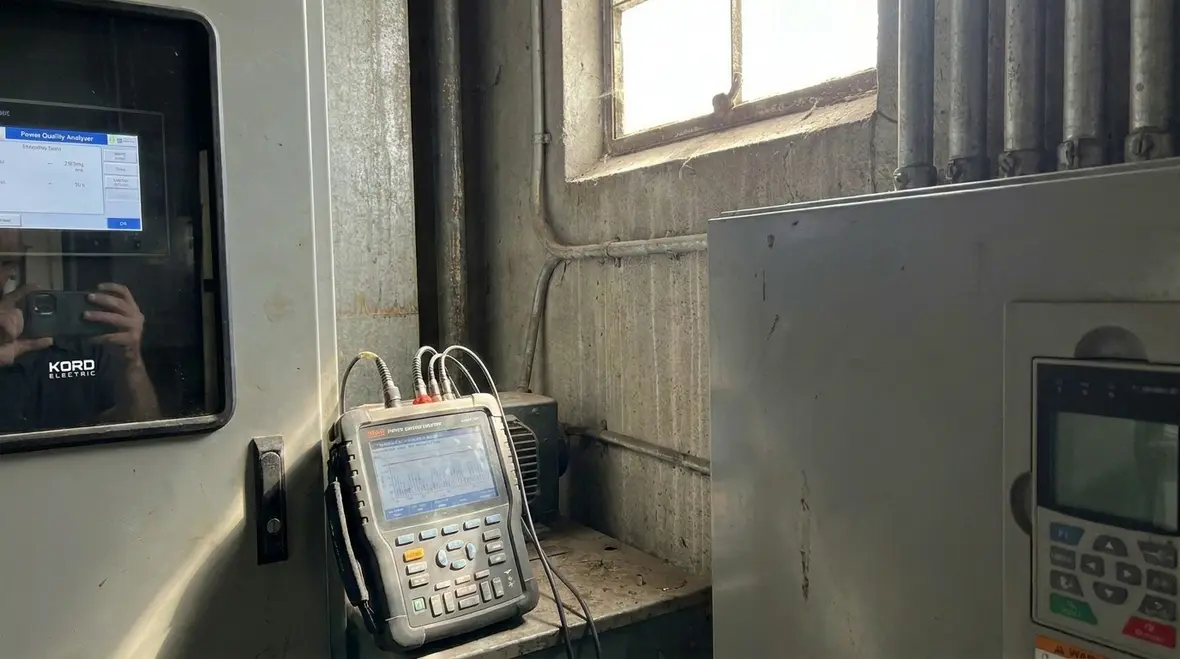
Outage planning is not just about picking a date. It is about controlling sequence, creating safe work conditions, and keeping critical processes stable. Accordingly, we build an outage plan that defines scope, boundaries, and fallback options.
First, we segment the work so we can energize sections in stages. That means one area can come online while another remains stable. Then we schedule work to match your production cycles. For example, we can do certain tasks during planned maintenance windows, shift to lower demand hours, and coordinate with operations leaders so no one is guessing.
We also prepare for the human factor. People think outages happen to equipment, but production issues happen to processes. Therefore, we assign clear roles, confirm lockout and tagout steps, and use step-by-step checklists that our teams follow on site.
- We stage commissioning so energization happens in controlled steps.
- We set clear go no go checkpoints based on test results, not feelings.
- We coordinate with maintenance and operations so responses are fast.
When outages are part of a larger modernization effort, we often integrate them with projects like lighting installation services or targeted panel upgrades, so your facility gains multiple improvements from the same carefully managed downtime window.
Testing, commissioning, and documentation that reduce repeat visits
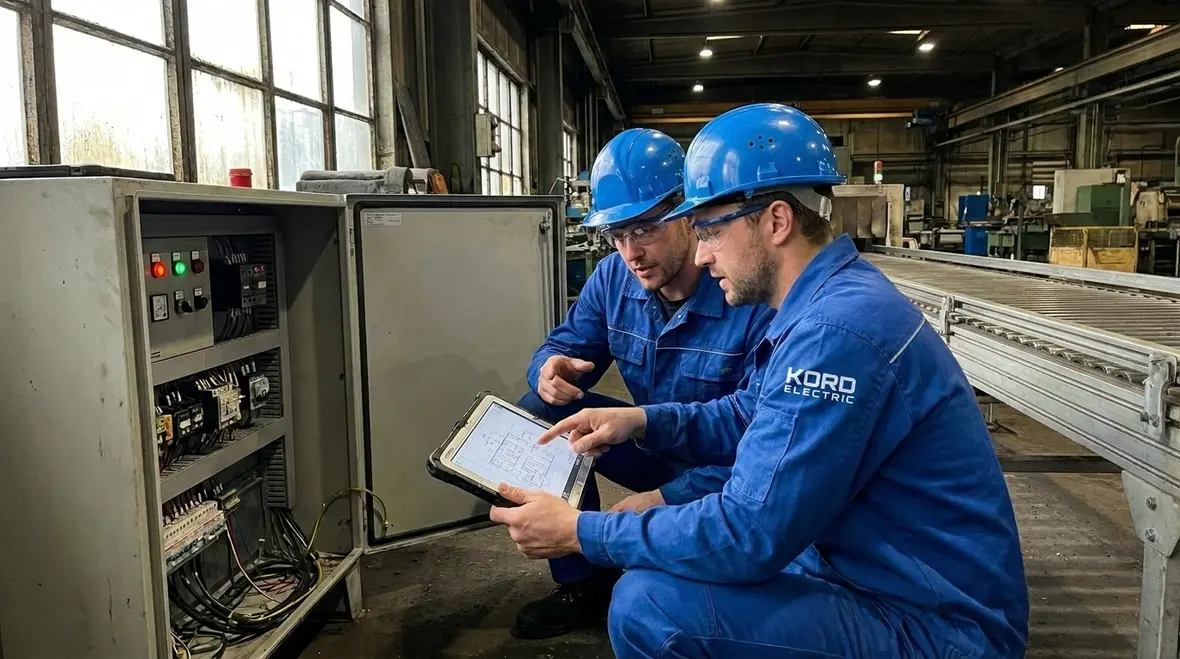
Even when the installation looks correct, upgrades can still fail under load, because electrical systems reveal truth after commissioning. That is why we focus heavily on testing and documentation, and we keep the process transparent.
Our approach typically includes verification of terminations, insulation checks, continuity testing, protection verification, and load tests. Then we perform functional checks with the equipment in normal operating conditions. If a system behaves differently than expected, we treat it as data, not as a mystery.
Meanwhile, we document everything in a way your team can use. That includes one-line updates, test summaries, and commissioning notes. As a result, future troubleshooting becomes faster and safer. It also keeps your operation from relying on memory, which is a fragile system that tends to fail at 3 a.m.
For many facilities, this level of testing and documentation pairs well with long term commercial and industrial maintenance plans, so once the new machinery is online, a structured program keeps everything operating within design limits.
How Kord Electric coordinates with your team on busy sites

On commercial and industrial projects, coordination determines whether the upgrade feels smooth or stressful. We integrate with your schedules, your safety procedures, and your communication style. Moreover, our technicians and expert service staff keep your stakeholders informed in real time, so decisions do not depend on rumor.
We start with a kickoff that clarifies scope, responsibilities, and the order of work. Then we maintain a simple communication rhythm: updates before work starts, status checks during critical steps, and a clear wrap-up after energization. This matters because busy sites move quickly, and people need concise information that answers what they can do next.
And yes, sometimes the site manager is dealing with three issues at once. So we keep our explanations calm and direct. Think of us as the dependable narrator in your operations documentary, backed by a field team that focuses on facts, test results, and next steps.
Common risks during electrical upgrades, and how we handle them
Upgrading electrical infrastructure for modern machinery brings real risks, but they are manageable when the plan is solid. The biggest challenges we see typically fall into a few categories.
Unexpected load growth can cause breakers to run hot or protection to behave differently. To reduce this, we confirm demand, validate conductor capacity, and check thermal limits before energization.
Grounding issues can create nuisance trips or unstable measurements. Therefore, we verify grounding continuity and ensure bonding practices match design intent.
Power quality problems like harmonics can stress equipment and cause controls to act oddly. We address this through proper design and testing, and we confirm performance after the system is under load.
Coordination gaps between existing and new protective devices can cause faults to clear too slowly or in the wrong order. As a result, we verify settings and coordination during commissioning, not after something trips.
In every case, our expert service staff explains what we are checking and what success looks like. That clarity helps your team trust the process and respond quickly if an issue appears.
If your facility has already experienced issues like nuisance trips, flickering lights, or sensitive controls behaving unpredictably, it may be time to pair your upgrade plan with targeted services for voltage fluctuation diagnosis and repair so modern machinery is not fighting unstable power every time it starts.
FAQ
Call Kord Electric for an upgrade plan your plant can live with
If your team needs upgrading electrical infrastructure for modern machinery, do not leave it to luck or last minute heroics. Kord Electric builds a clear sequence, coordinates with your operations, and tests so you can run with confidence. Our technicians and expert service staff explain the work in business like terms, not confusing jargon. Contact us for a site focused assessment and an outage strategy designed to protect production, power quality, and reliability. Let us handle the electrical part, while you handle the output.
When you are ready to connect your upgrade plan with a broader strategy for safer, more reliable power across your facility, explore how our electrical preventive maintenance services and related commercial lighting upgrades can support long term performance for your machinery, your people, and your production goals.


