Electrical Load Balancing for Commercial Power Reliability
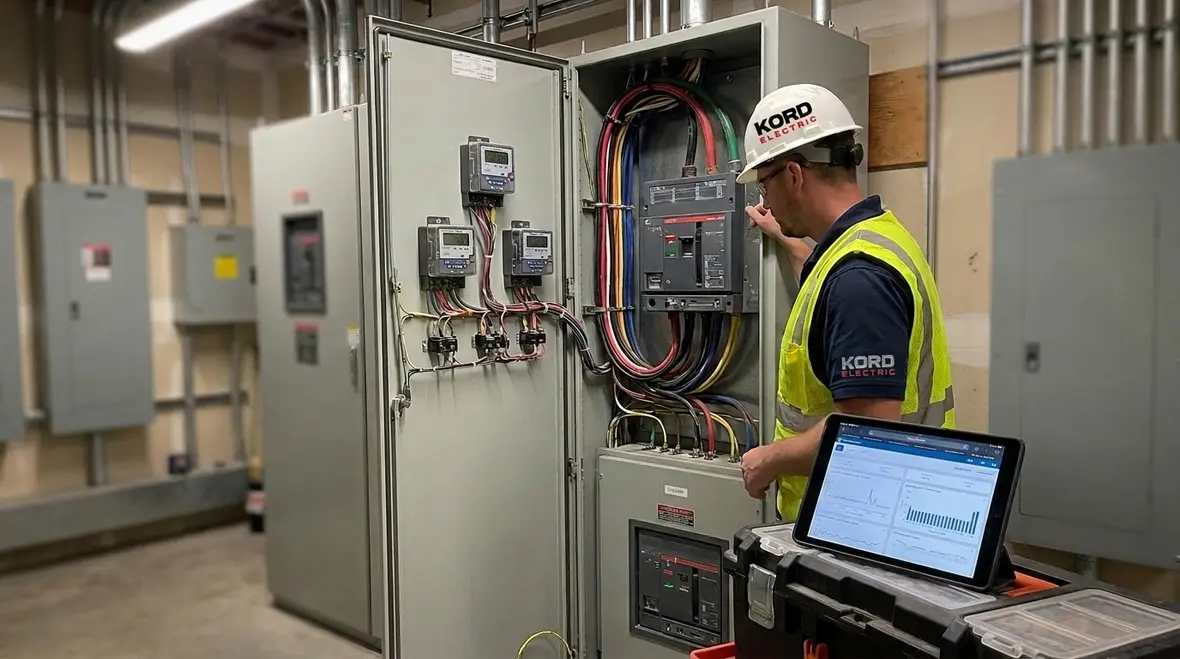
Electrical Load Balancing: How Commercial Buildings Can Improve Power Reliability starts with one simple truth that property teams learn the hard way: power problems rarely stay small. At Kord Electric, we see it in commercial and industrial sites where one busy circuit loads up while another sits idle, and suddenly operations feel like they are running on vibes instead of wiring. However, with proper electrical load balancer strategies, buildings can spread demand more evenly, reduce nuisance trips, and keep critical equipment steady during peak use. And yes, that means fewer “who touched the panel” meetings.
What an electrical load balancer does inside a commercial building
An electrical load balancer is not magic, and it is not a tech from a sci fi movie. It is a system approach that helps manage how electrical demand moves across available capacity. Instead of allowing one section of the building to carry too much load, others can share the burden more evenly.
As our technicians explain on site, the goal is to reduce stress on parts of the electrical system that are most likely to overheat, trip, or age faster. In commercial and industrial facilities, this matters because even a small disruption can affect production, tenant comfort, security systems, elevators, and life safety devices. Additionally, a smart load management approach can prevent wasted capacity that looks fine on paper but fails under real demand.
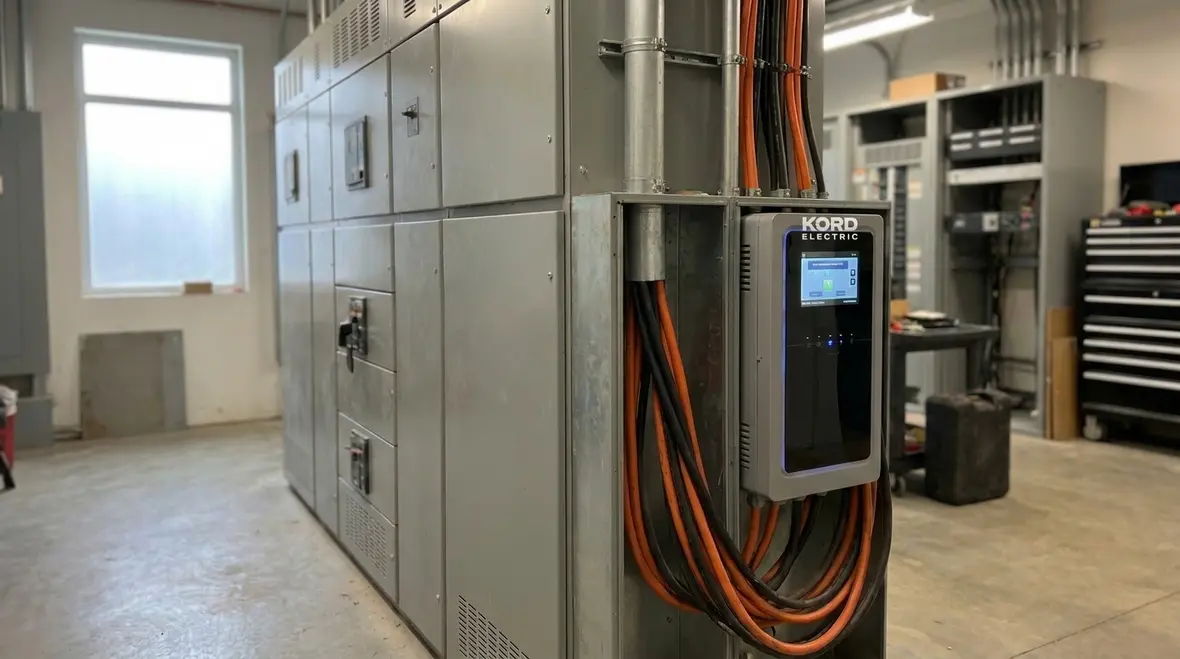
In many commercial facilities, load balancing also sets the stage for better long term planning. When you see where demand truly lives on a weekday afternoon versus a weekend night, it becomes easier to schedule upgrades, coordinate with utility capacity, and align your planning with earlier work such as an electrical load capacity assessment. In other words, the “balancer” is not a single component; it is the disciplined way your team matches real demand to safe, dependable capacity.
Why uneven demand causes real headaches for industrial sites
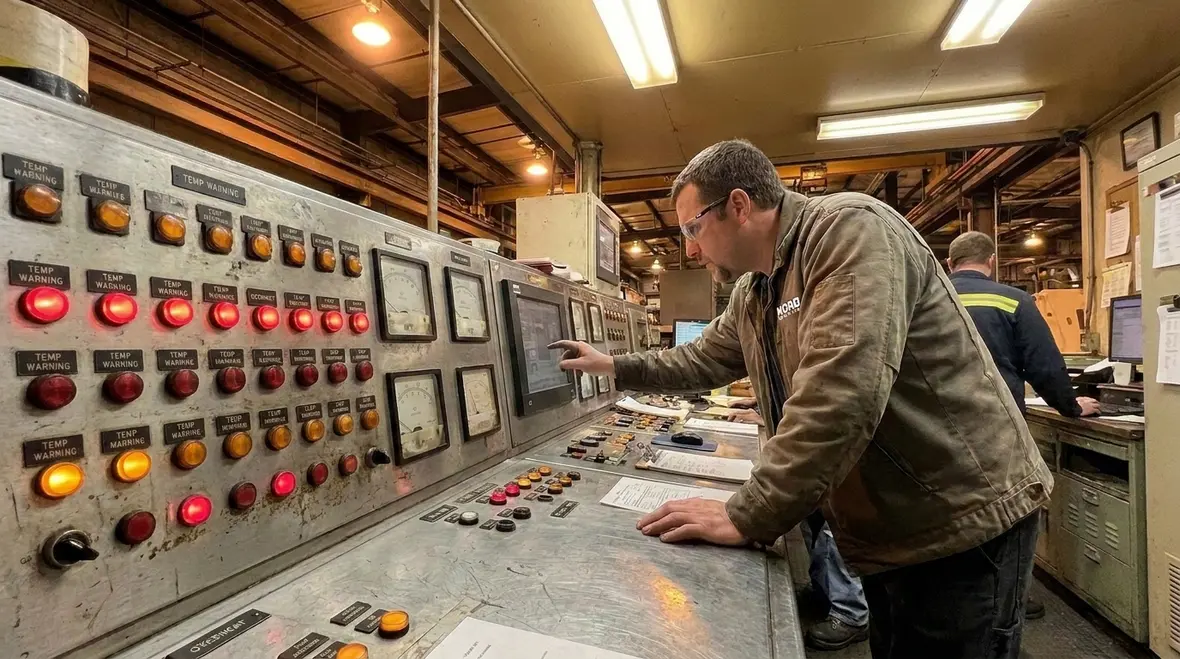
Many facilities do not suffer from “no power.” They suffer from uneven power distribution. For example, HVAC schedules, process loads, lighting control upgrades, EV charging, and after hours equipment use can shift demand patterns in ways building models often miss.
When one area takes most of the load, several issues tend to appear over time. First, you can see higher temperatures in panels and feeders that carry more current. Next, protective devices may trip more often, which creates downtime. Then, sensitive equipment can experience voltage dips, which may cause faults, resets, or performance drops.
Our expert service staff at Kord Electric often hear the same story: operations staff notice the problem during busy periods, then electrical teams chase it later, because the evidence hides until the building is under stress. Therefore, Electrical Load Balancing: How Commercial Buildings Can Improve Power Reliability becomes less about reacting and more about controlling how the load behaves.
In industrial sites and major property buildings, uneven demand can also complicate other electrical projects. Adding EV charging, new process lines, or distribution upgrades without understanding current imbalances can lead to uncomfortable choices later. That is why Kord Electric ties load balancing work into broader planning conversations like EV charging infrastructure planning and commercial electrical service capacity upgrades, instead of treating it as a one off adjustment.
How Kord Electric designs load management that matches your building
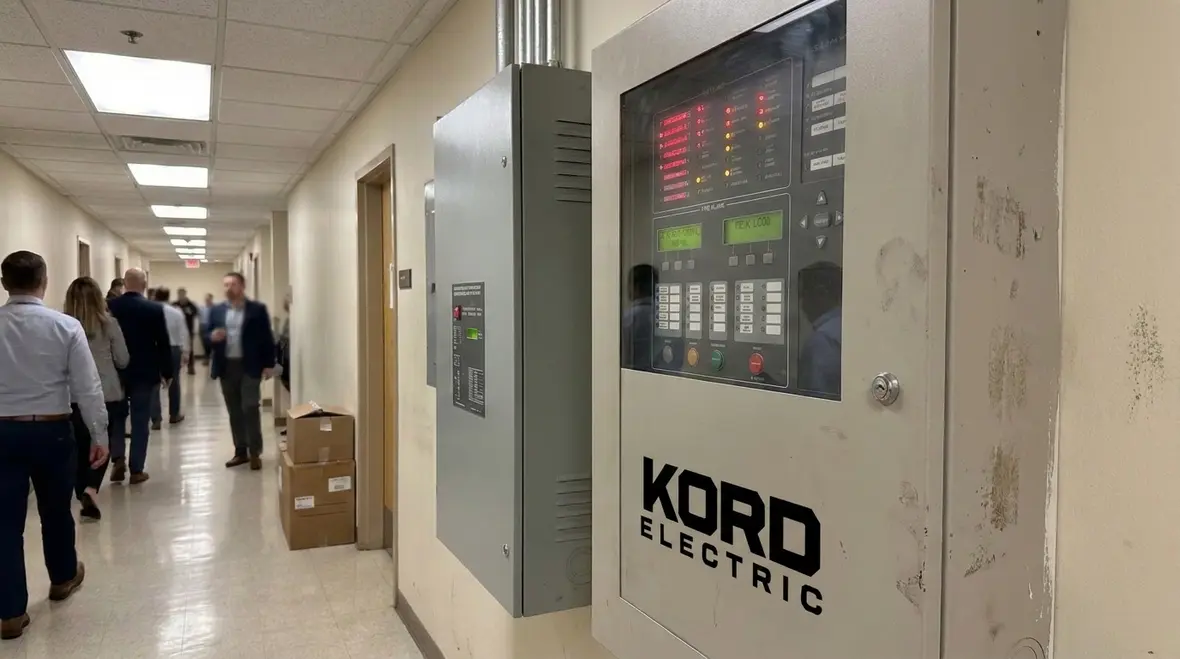
Every commercial and industrial site has a different electrical footprint. One building might have multiple tenancies with uneven operating hours, while another runs a steady process with sharp seasonal peaks. Because of that, we do not treat load balancing like a one size fits all patch.
Instead, Kord Electric starts by reviewing the real electrical setup: switchboards, distribution boards, incomers, submains, and any existing monitoring or automation. We then align load balancing with your operational needs, which may include demand limit strategies, generator or UPS coordination, and power quality goals.
Our technicians also look at how loads connect and how they change across the day. For instance, if your building adds loads during shift changes, we plan around that. If you upgrade equipment, we plan around that too. In addition, we verify that any controls, metering, and protection settings support the system rather than fighting it.
For property teams exploring projects beyond the panel room, this approach connects directly with related work such as upgrading commercial electrical service capacity and detailed electrical service panel capacity evaluations. In practice, that means your Electrical Load Balancing: How Commercial Buildings Can Improve Power Reliability initiative becomes part of a larger, calmer upgrade path instead of yet another isolated task on the whiteboard.
Load balancing and power reliability: protecting the whole system
Power reliability means more than keeping lights on. It means keeping the electrical system stable for everything your facility depends on. When load balancing is done well, it can improve system headroom and reduce the likelihood of overload conditions.
Here is what we typically consider to strengthen reliability.
Current distribution: we aim to prevent chronic overload on specific feeders and busbars.
Voltage stability: we manage how current draw affects voltage under peak conditions.
Protection coordination: we ensure protective devices respond correctly, not unpredictably.
Monitoring: we support visibility so teams can spot trends before equipment complains.
To keep things practical, our expert staff also explain what “good” looks like after the work. You should not only see fewer events; you should also see steadier performance from the equipment that keeps your operations running. And if you are thinking, “This sounds like adult supervision for electricity,” you are right. Electricity needs boundaries too.
Load balancing also supports other reliability focused efforts around your site. When current and voltage stay within healthy ranges, commercial electrical load testing for safety, emergency power systems testing for real load, and even data center power reliability initiatives all run on a calmer, more predictable foundation. In other words, balanced power gives every other reliability strategy a better chance to succeed.
Keeping fire and life safety systems reliable during peak electrical use
Commercial reliability has a second layer: life safety systems must stay dependable, especially when the building runs hard. Load management can help by reducing stress that can influence power quality and system stability. However, the building still must meet fire safety requirements.
Kord Electric aligns our electrical approach with fire safety best practices, and we coordinate with fire protection teams where needed. For example, our friends at Kord Fire highlight the value of structured fire alarm testing under Australian compliance needs, including a checklist mindset that keeps testing consistent and documented. When the electrical environment is stable, life safety systems can perform as expected.
Therefore, our process includes thinking beyond “average load.” We consider how peak demand periods interact with emergency power arrangements, annunciation systems, and other safety devices. And if someone tells you testing does not matter, tell them we said hi, and then send them the checklist. Calmly. Like a professional. Like a baritone version of compliance.
For property teams juggling both electrical projects and safety obligations, this is also where interdepartmental coordination pays off. Electrical Load Balancing: How Commercial Buildings Can Improve Power Reliability becomes one of the quiet enablers behind consistent fire alarm testing, emergency lighting checks, and other compliance tasks that no one wants to redo because the power system misbehaved at the wrong moment.
Implementation steps: from site data to commissioning and ongoing support
Great Electrical Load Balancing work does not stop at design. It succeeds through installation, testing, commissioning, and follow up. Here is the flow we typically follow for commercial and industrial facilities.
Site assessment: we collect load information, circuit summaries, and operating patterns.
Capacity review: we check switchgear and distribution readiness for current and future demand.
Load strategy: we plan how loads should share capacity and when demand should be limited.
Controls and metering: we set up monitoring and control logic to support the plan.
Testing: we verify protection behaviour, performance, and power stability.
Commissioning and training: our technicians walk your team through what changed and how to interpret readings.
Moreover, we support ongoing service so your system stays reliable as you add equipment, expand operations, or shift schedules. Commercial and industrial facilities evolve, and load balancing must evolve with them.
These implementation steps also dovetail with other Kord Electric services. For example, when we evaluate how loads are grouped and scheduled, we can flag whether a future commercial EV charging station project, data center expansion, or electrical service panel capacity evaluation should be built into the same roadmap. That way, your team does not have to reopen the same panels every six months just because new equipment arrived with a shrug and a purchase order.
FAQ for commercial electrical load management
Choose Kord Electric for dependable load management in your facility
If your commercial or industrial building struggles during peak demand, it is time to stop guessing and start managing the load. Kord Electric brings structured assessment, careful design, and reliable commissioning through our technicians and expert service staff. Then we stay involved so your electrical load management continues to perform as your site grows. Book an inspection with us, and let’s build a system that behaves like it should. Calm power. Steady operations. Fewer surprises.
For teams planning broader upgrades, this is also an ideal moment to explore how Electrical Load Balancing: How Commercial Buildings Can Improve Power Reliability fits alongside other improvements such as data center electrical distribution design, EV charging scalability, and commercial electrical troubleshooting. Kord Electric already supports property owners across Los Angeles County with a full range of commercial and industrial electrical services, so your load balancing work never exists in isolation. It becomes part of a long term reliability plan you can explain, defend, and keep improving.
If you would like to keep learning while you plan your next project, the Kord Electric blog is packed with related resources, including our commercial electrical load capacity assessment guide, commercial electrical load testing for safety, and data center power reliability design articles. Together, they give property teams a practical playbook for turning scattered upgrades into a coherent reliability strategy.
When you are ready to move from theory to action, our team is ready to help you measure real loads, rebalance distribution, and set up monitoring that makes your next “what happened to the power” moment a lot less dramatic—and a lot less frequent.