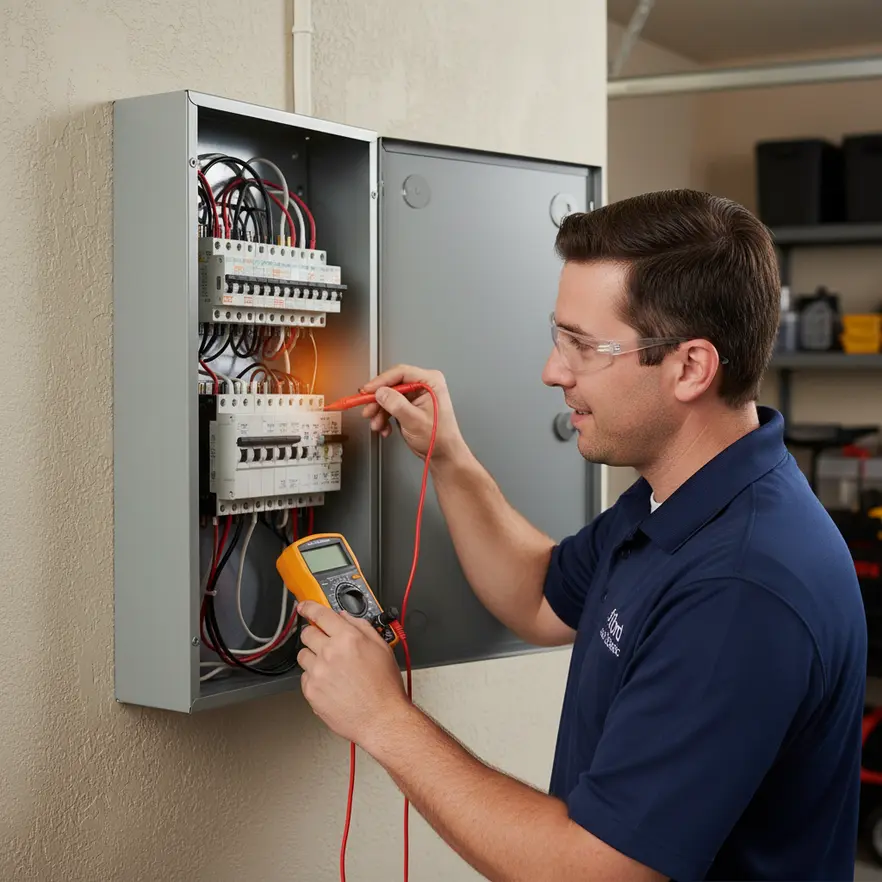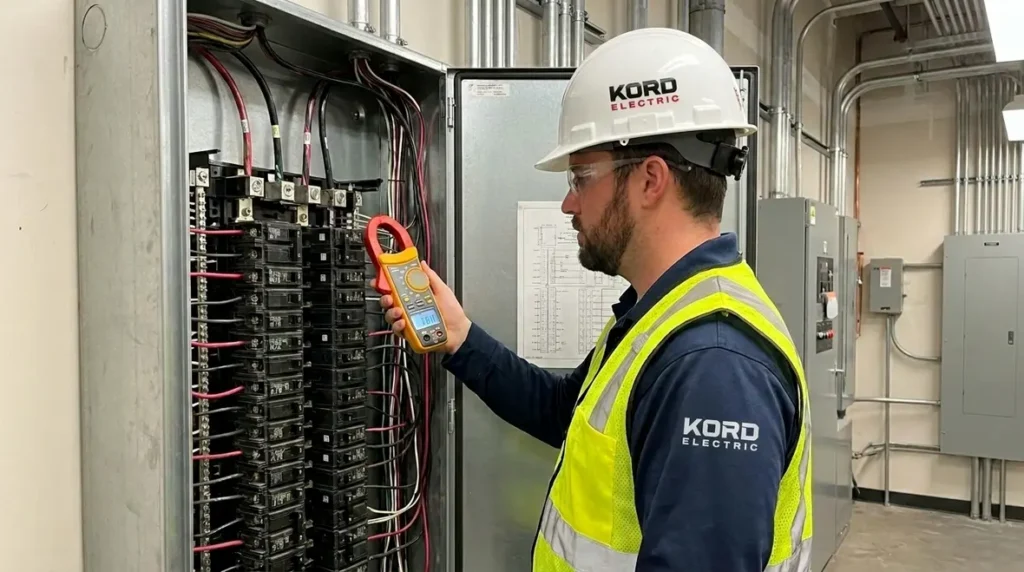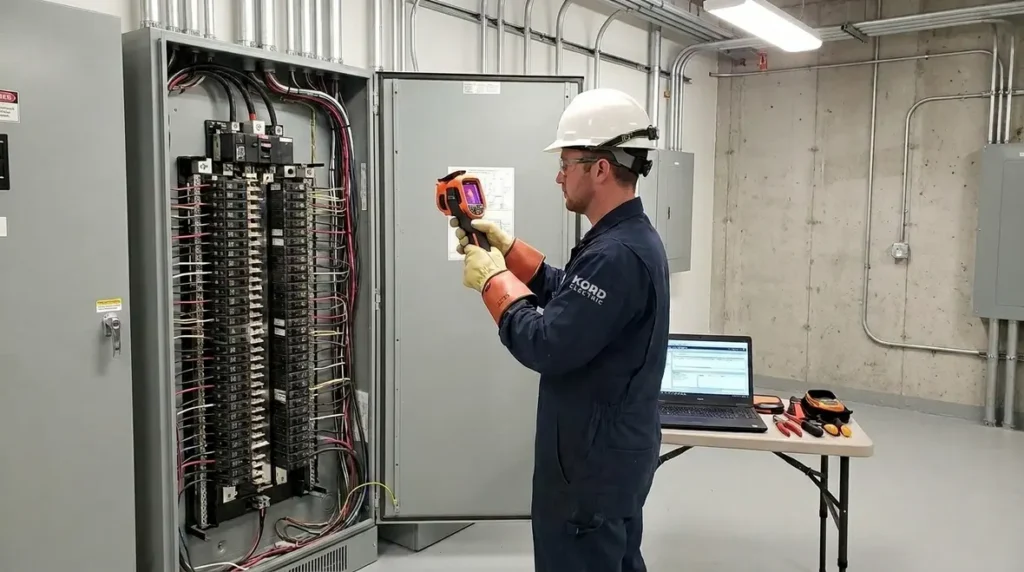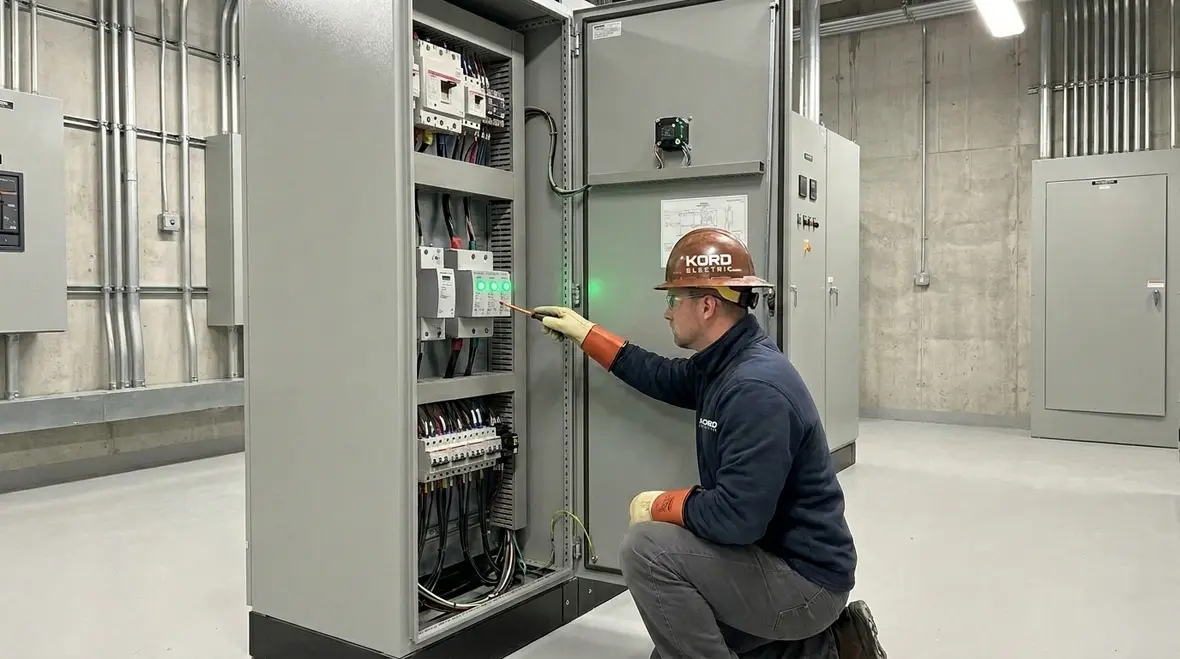
Electrical Panel Surge Protection for Commercial Buildings
Kord Electric steps in with advanced surge protection for commercial switchgear and electrical panel systems, because your business deserves power that does not flinch at every storm, starting motor, or grid fluctuation. In the opening, we focus on one simple truth: the electrical panel surge protection you install today can quietly prevent expensive downtime tomorrow. That matters for commercial and industrial facilities, and for major property buildings where one failure does not stay small for long. In this guide, our technicians explain what truly damages panels, why protection must be planned like a system, and how we help you protect both equipment and operations.
Why advanced protection keeps commercial power stable
Commercial electrical systems live in the real world. They run compressors, elevators, HVAC units, production lines, and charging stations. Then, they face lightning nearby, utility switching, and even the “normal” spikes that happen when heavy loads start and stop. As a result, surges travel through wiring and reach sensitive components, including drives, controls, and monitoring devices. Most people only notice when the lights flicker. However, damage often happens earlier and more quietly.
Surge events behave like an uninvited guest at a board meeting. You might not see them right away, yet they still create problems. Over time, repeated surges stress insulation, weaken electronics, and create hidden faults. Then, one day, the equipment finally fails, and the repair bill shows up like a late invoice. We do not accept that pattern. Our team evaluates your facility, installs protection that matches your risk, and supports you with expert service staff who explain the plan in plain language.
And yes, “advanced” means something specific. It means protection that coordinates with your panel design, your grounding, your wiring layout, and your downstream loads. It means we do not just drop a device into place and hope. We engineer for how energy actually moves in your building.
How surges damage panels and control systems
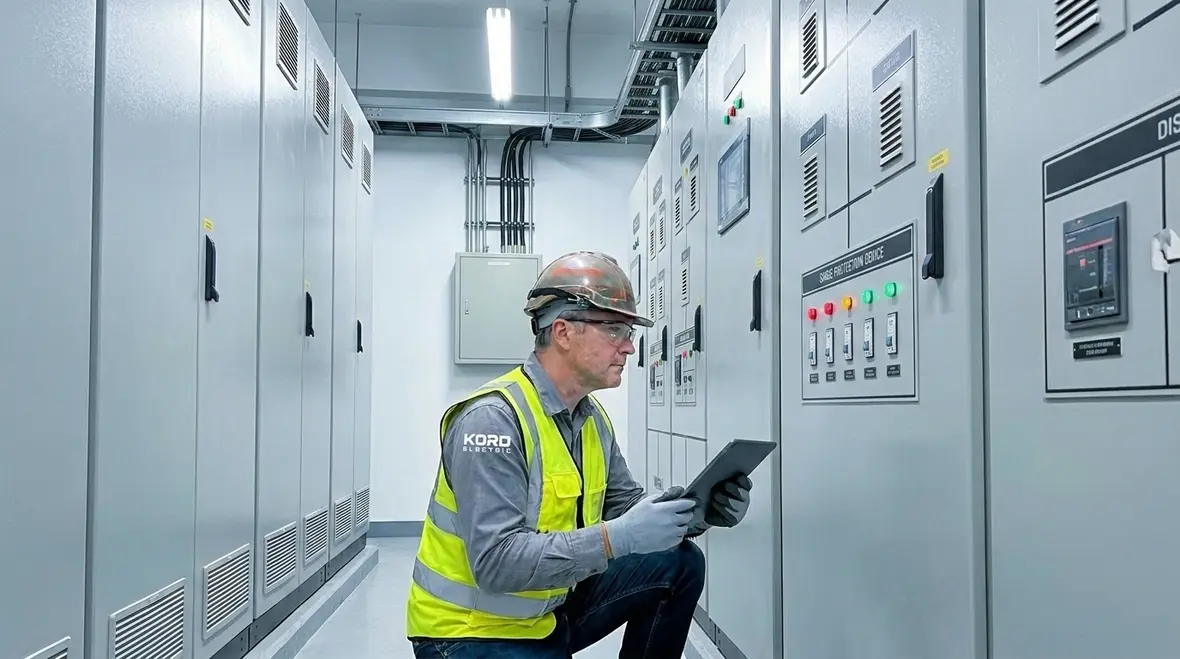
To protect what matters, others must understand what fails. In commercial and industrial facilities, damage often begins at the interface where power meets control. When a surge enters, it can create high voltage stress that overwhelms insulation paths and reaches circuit boards. Even if the panel keeps running, the connected components may degrade.
There are different types of surges, and that matters. A transient surge may last a short time, yet its peak can be high enough to punch through insulation. Meanwhile, switching events from the utility grid can send rapid changes along conductors. Then, inside your facility, starting large motors or switching capacitor banks can produce voltage disturbances that act like smaller, repeated jolts.
Our technicians look for the places where those jolts concentrate. For example, surge energy tends to move along the path of least resistance, which can include bonding points, grounding connections, and panel bus interfaces. If the grounding and bonding do not keep the surge under control, the result can be nuisance alarms, intermittent faults, and premature failure of surge sensitive devices.
We also consider how your system changes over time. Many facilities add equipment, renovate areas, or upgrade controls. Therefore, what was “good enough” five years ago can become outdated as loads shift and new electronics get added.
Where surge protection belongs in a commercial panel
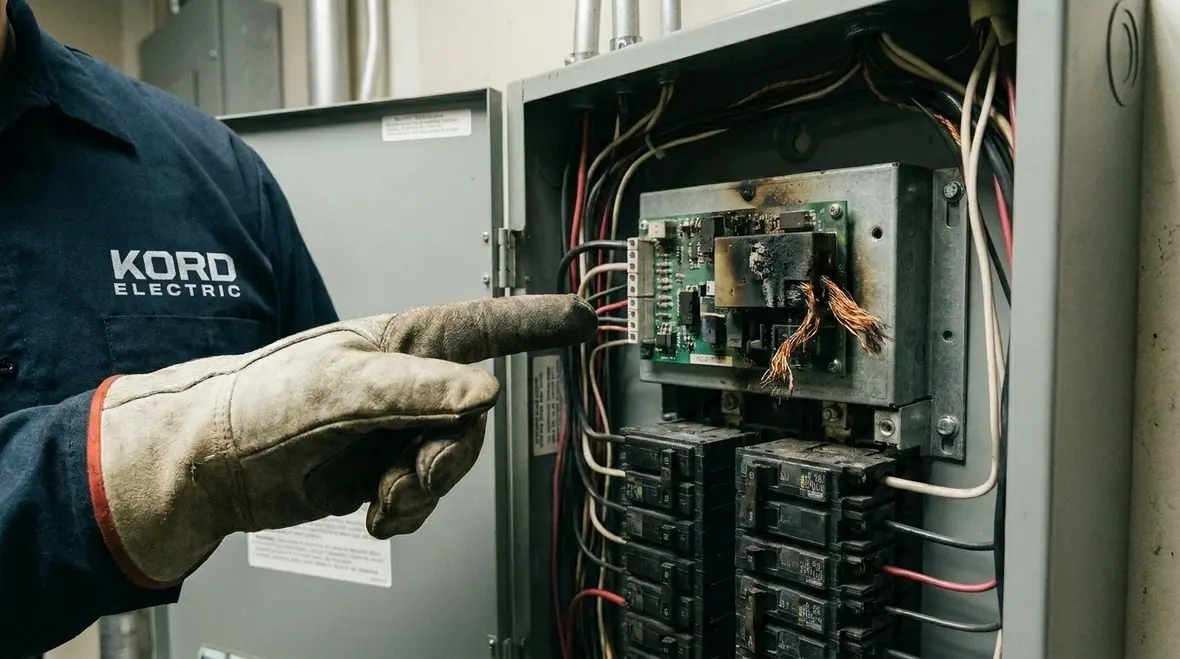
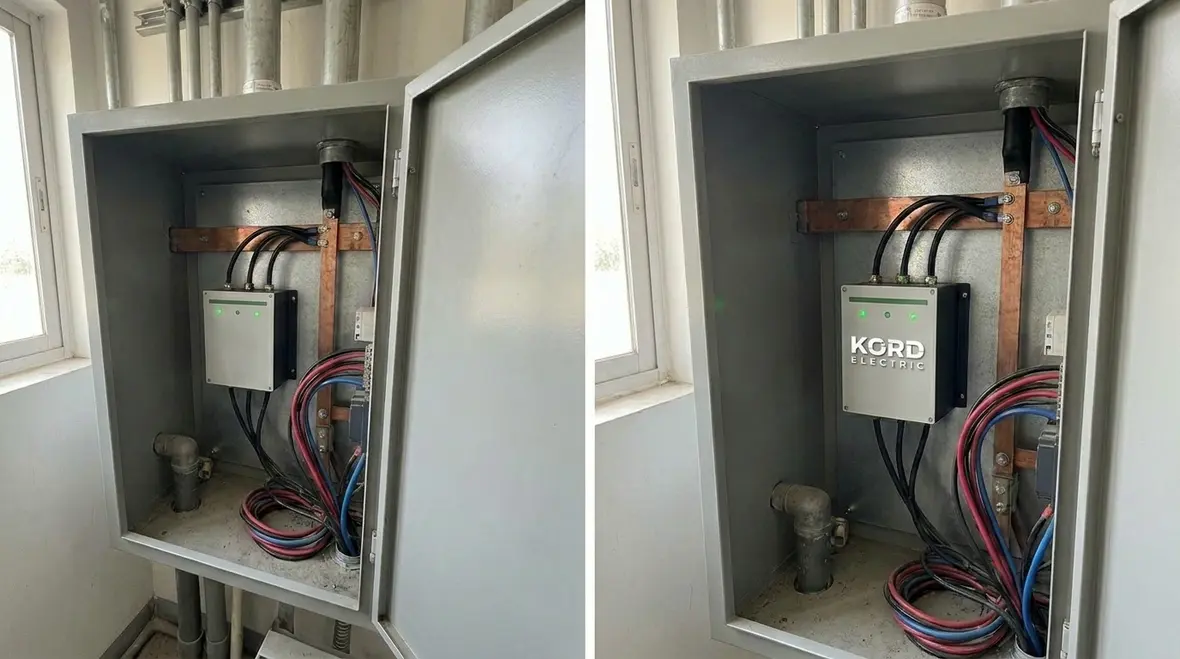
This is where the conversation gets real. In commercial systems, we treat electrical panel surge protection as a coordinated layer, not a single add on. We place protection where it can actually intercept energy before it reaches delicate equipment. Typically, that includes protection strategies at service entrance or main distribution, plus coordinated devices for critical branches and downstream boards.
However, location alone does not solve the problem. Proper surge protection depends on installation quality. If conductors run long distances, if bonding is loose, or if the layout forces the surge to travel through unnecessary loops, the protective device cannot perform the way it should. In other words, even the best protector can act like a security guard standing three blocks away.
Our service staff explains this clearly during site visits. We map panel sections, review the equipment connected to each circuit, and align surge protection with your panel’s design. Then, we confirm that the grounding system supports the plan. Grounding and bonding quality can make the difference between “survived the storm” and “surprise, the plant controller is fried.”
For major property buildings, we also coordinate with how tenants operate. One unit’s heavy cycling loads can influence others through shared distribution. So we help property managers and facility teams keep protection consistent across the building’s electrical architecture.
Because surges rarely travel alone, we often connect these strategies to broader power quality work, including support for voltage fluctuations in commercial and industrial facilities. When surge protection and voltage stability align, panels, controls, and production lines all benefit.
Hidden electrical risks in commercial buildings we see in the field
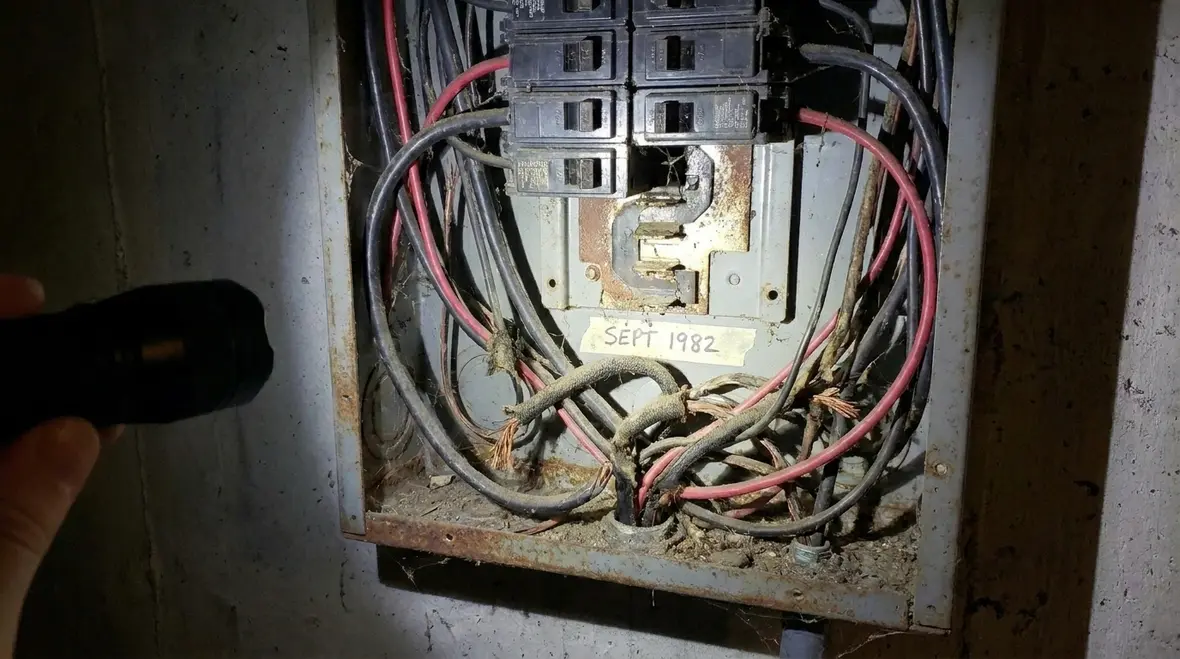
In our experience, most surge failures come from risks that are easy to overlook. In fact, our blog on hidden electrical risks in commercial buildings highlights the kinds of issues that set up surges and other power disturbances to cause damage. Here is what those risks usually look like in a real facility.
Weak points that turn surges into failures
First, aging insulation and worn connections create higher resistance points. Then, when surges or transient events hit, heat and arcing can start at those weak spots. Next, poor bonding practices can leave parts of the system floating during disturbances, which allows voltage differences to build where they should not.
Grounding, loading, and renovation surprises
Second, inadequate or inconsistent grounding can limit how well protective devices drain surge energy safely. If the grounding path does not remain stable during a surge, then the protection system loses its control. Third, overloaded panels and outdated distribution setups can increase stress on components and shorten service life.
Finally, renovation changes sometimes happen without a full power review. People replace fixtures, add equipment, or install new systems while using older distribution layouts. As a result, the facility’s electrical behavior shifts, and the original surge strategy may no longer match the actual risk.
Why proactive reviews matter
Our team helps you address these issues before they cause a real disruption. We focus on commercial and industrial facilities and major property buildings, because those sites carry the weight of continuity. Our technicians document the condition, explain what creates risk, and recommend upgrades that fit your operations.
For sites that want a structured path forward, we often connect surge work to broader commercial and industrial electrical maintenance plans. When surge protection, inspections, and preventive maintenance work in sync, hidden problems have far fewer places to hide.
Benefits you can measure: uptime, fewer repairs, safer operations
Protecting uptime and reducing emergency calls
Let’s talk outcomes. When we install advanced surge protection with proper coordination, you reduce the chance of equipment damage and reduce unexpected downtime. That protects your uptime, supports predictable maintenance, and lowers the risk of cascading failures across connected systems.
In practical terms, fewer failures mean fewer service calls, fewer emergency trips, and less downtime that interrupts production schedules or tenant operations. Instead of managing surprises, you manage maintenance. And for major property buildings, that often means fewer complaints that start with, “Why did the elevators stop at the worst possible time?”
Less troubleshooting, more planned work
Surge protection also protects the time your facility staff spends troubleshooting. When power disturbances create intermittent faults, your team can lose hours chasing issues that look like software problems, sensor problems, or “mystery” wiring faults. However, many of those mysteries trace back to power quality stress.
Safety, fire risk, and long term reliability
We also help reduce safety risks that come with electrical events. Proper protection, coordinated grounding, and clean installation reduce the chances of overheating and arcing conditions. While we keep the tone calm and business casual, the goal stays serious: we want your facility to run safely, not just temporarily.
How our technicians plan a surge protection upgrade for your building
Listening first, then evaluating your electrical backbone
We start by listening to what you operate and what you fear most. Then, we examine your electrical panel arrangement, your connected loads, and the equipment that could suffer from transient events. Because this is commercial and industrial work, we plan with your uptime requirements in mind.
Coordinated design around panels, grounding, and growth
Our technicians and expert service staff then build a protection approach that matches your system. We consider service entrance characteristics, distribution pathways, grounding and bonding, and the presence of sensitive electronics. We also account for future growth, so your upgrade does not become obsolete after the next round of equipment additions.
Installation, testing, and clear documentation
Next, we install and test. We keep the work focused, we document what we do, and we explain why each component belongs where it does. If you have ever watched a contractor bolt on a solution and vanish before the coffee cools, you already know how that story ends. We do things differently. We stay engaged and provide clear guidance so your team understands what the system protects and how it performs.
Maintenance, reviews, and preventive programs
Finally, we recommend maintenance and periodic reviews. Surge protection systems work best when they stay matched to your electrical setup. Therefore, we offer ongoing support for commercial and industrial facilities and major property buildings that need consistent performance. For many clients, that includes integrating surge planning into wider electrical preventive maintenance programs so inspections, testing, and upgrades stay on a single roadmap.
FAQ about electrical panel surge protection
Choosing Kord Electric for surge protection you can trust
When your facility cannot afford downtime, you need surge protection planned like a system, installed with care, and supported by technicians who understand commercial electrical realities. At Kord Electric, we serve commercial and industrial facilities and major property buildings, and we help protect panels, controls, and connected equipment with advanced strategies. If you want fewer surprises, more reliable power, and a calmer maintenance schedule, contact us today. We will review your setup, explain your options, and build a protection plan that fits your building.
For properties that rely on continuous operations, it often makes sense to connect surge upgrades with broader electrical support, from emergency electrical services to long term maintenance. That way, the same team that helps you during an outage also understands how your electrical panel surge protection, grounding, and distribution systems fit together on a normal day.
If your facility is ready to take the next step, Kord Electric is ready to help you turn “we hope the power holds” into “we know the system is protected.”