Professional Industrial Circuit Troubleshooting Guide
At Kord Electric, we follow a professional troubleshooting guide for industrial circuits that helps teams find the real fault, not just the loud symptom. In the field, we keep the process steady: we verify power and grounding first, we isolate sections step by step, and we document results so the next visit takes minutes instead of hours. Because yes, we have seen situations where someone “fixed” a breaker by giving it a heroic glare. We try to be more scientific than that. This article explains our approach in plain language, and it does not waste your time. Even more importantly, our expert service staff explains what they see, what it means, and what comes next, so your site teams stay in control.
How we approach the industrial circuit troubleshooting guide from the first call
When a commercial or industrial facility reports trouble, we start by treating the problem like a timeline, not a mystery. First, our technicians confirm what equipment is affected, when it started, and whether the issue repeats under specific loads. Then they check the event logs if the site uses them. After that, they ask targeted questions that cut through guesswork. For example, they verify whether alarms appear during start up, during steady operation, or during switching events.
Next, we map the circuit path. We follow power flow from source to load and we identify protection devices in between. This step matters because industrial circuits rarely fail in isolation. A failing contactor can mimic a bad breaker. A loose neutral can look like “mysterious” motor behavior. Therefore, our industrial circuit troubleshooting process stays structured and calm, even when the customer is not calm. (Industrial sites are like airports: everyone is in a hurry, but physics still charges full fare.)
Core checks that prevent false diagnoses and wasted downtime
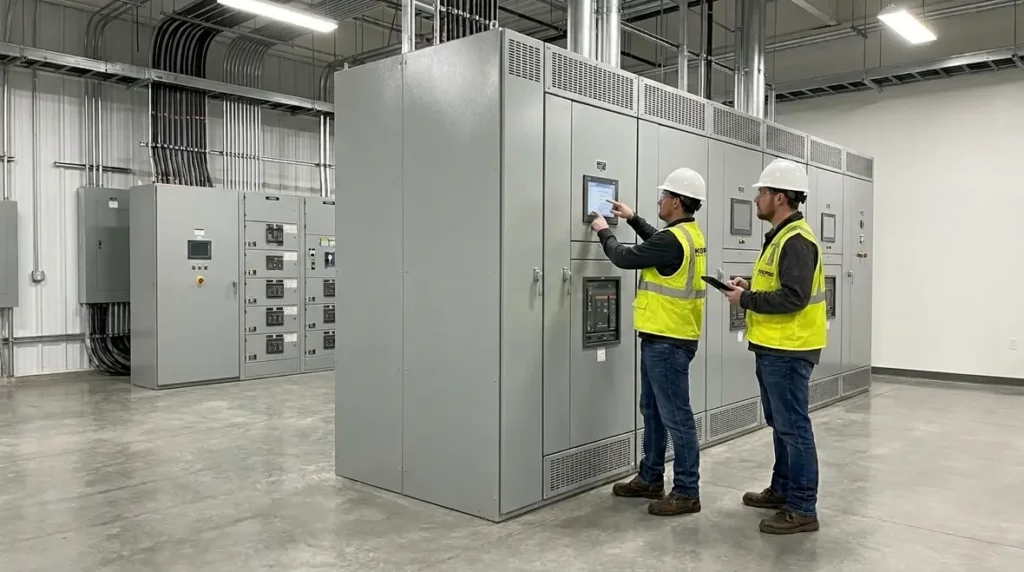
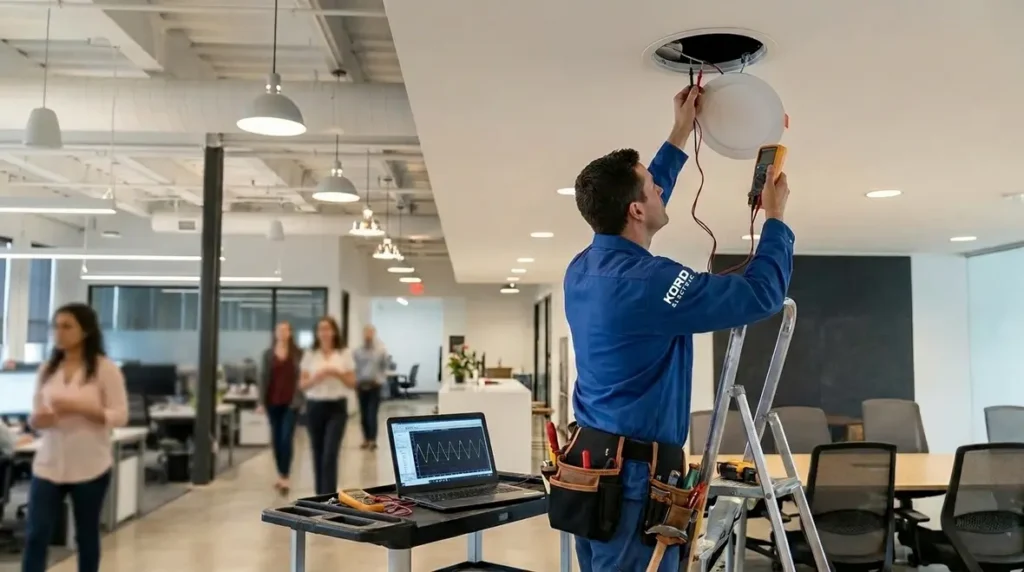
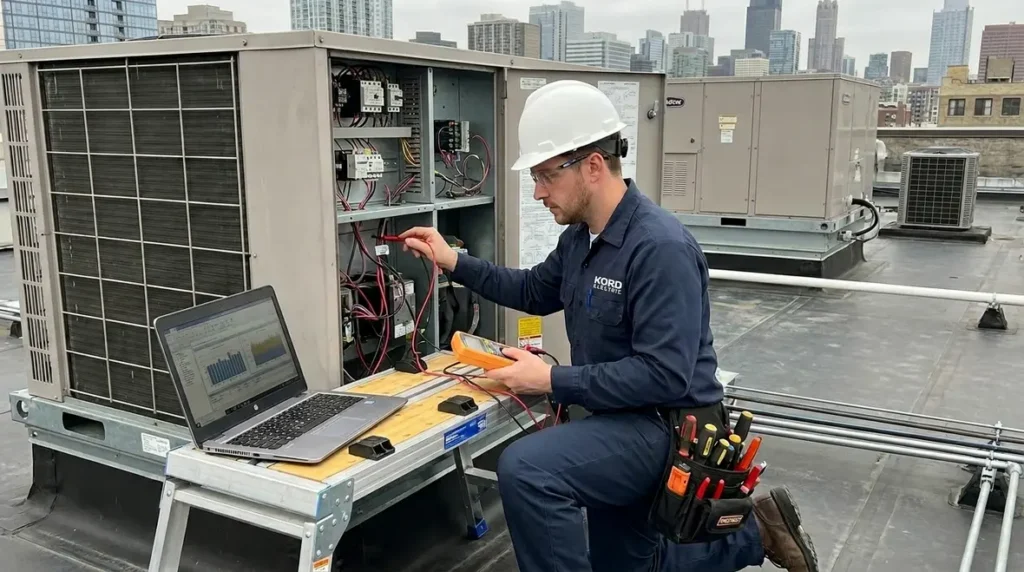
Once the team understands the symptoms, we move to checks that reduce uncertainty fast. We begin with the basics, but we do not treat them lightly. Our technicians verify supply voltage at the correct terminals, measure phase balance, and confirm that grounding and bonding points show stable continuity. If the site uses arc flash labeling and safe work practices, we align our checks with those rules so the troubleshooting stays safe.
Then we check for signs that the circuit is lying. We look for overheating marks, loose fasteners, damaged cable jackets, and residue on terminations. We also examine vibration and mechanical alignment if motors or rotating equipment cause the fault. After that, we test controls in context. A contactor coil might pull in, but if the auxiliary feedback does not match command status, the system may still stop the process.
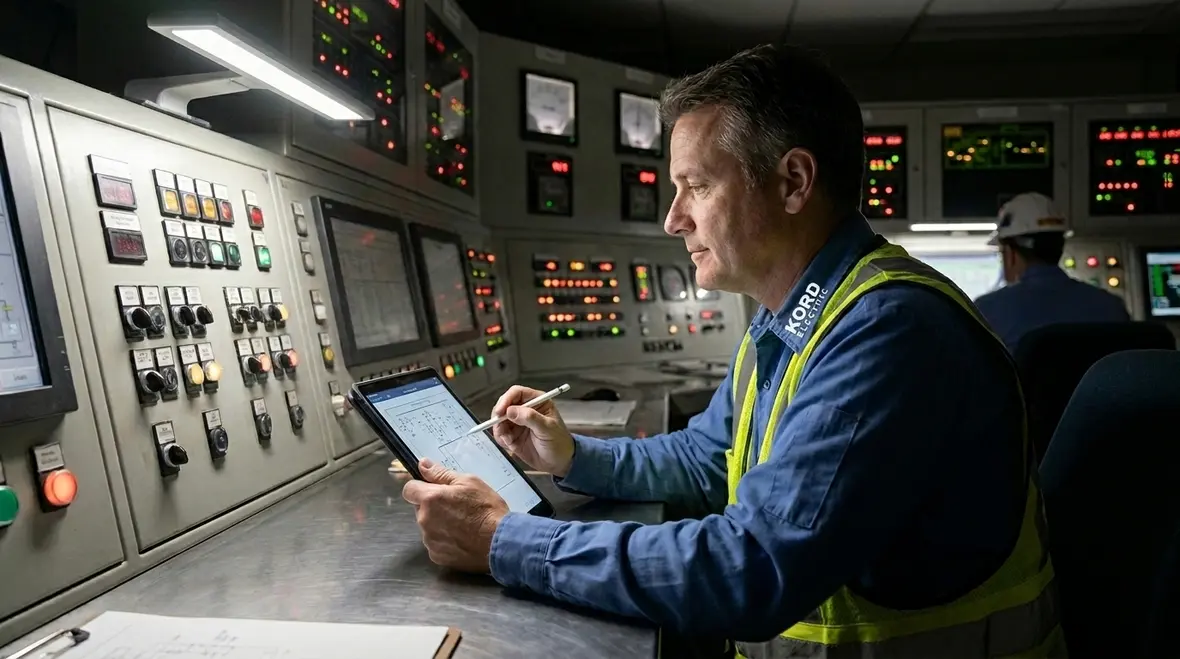
Because industrial systems involve both power and control, we treat them as a pair. If a control relay drops out under load, we measure coil voltage while the circuit operates. If a drive faults, we note the fault code and the operating conditions. This keeps the troubleshooting guide from becoming a guess-and-replace routine.
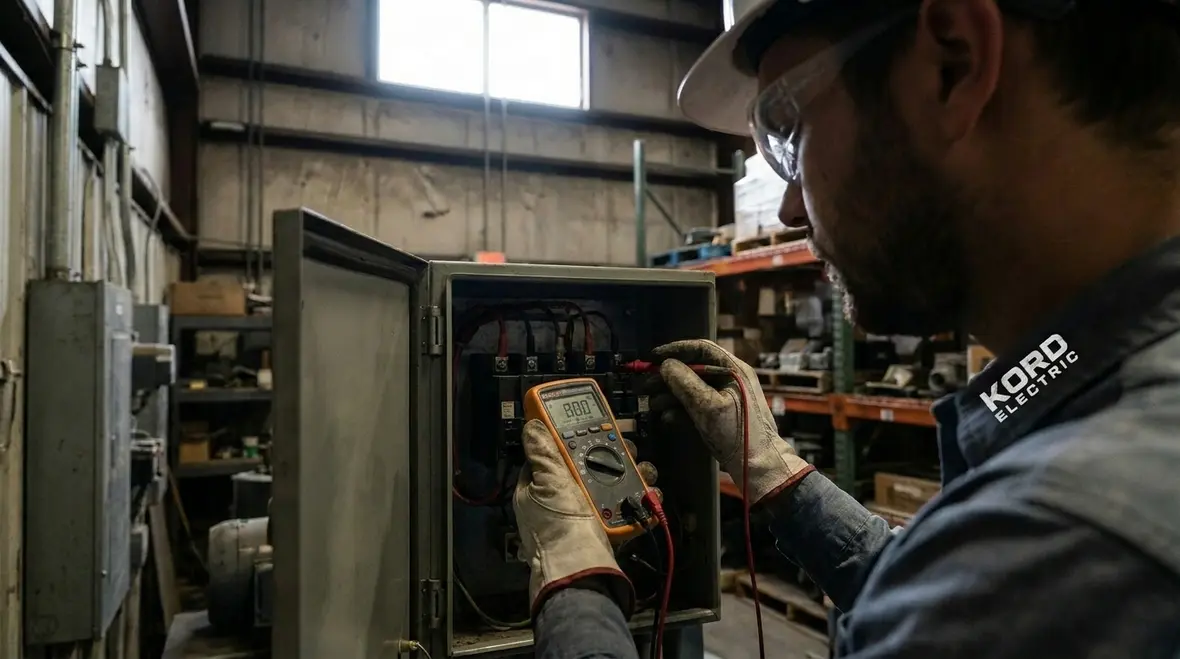
Professional troubleshooting steps for power, controls, and protective devices
At this stage, we separate the work into three lanes so the site team can follow along. First lane: power distribution. Second lane: control logic. Third lane: protective devices.
Power distribution: keeping the backbone honest
For power distribution, our industrial circuit troubleshooting guide emphasizes isolation. We confirm whether the issue stays inside a panel or whether it propagates to downstream loads. We verify breaker condition by checking trip history and comparing measured values against expected operating ranges. If a fuse blows, we check for overcurrent causes rather than just replacing the fuse and hoping the story ends.
Controls: inputs, outputs, and feedback that actually agree
For controls, we look at inputs, outputs, and feedback signals. We check terminals for correct wiring, inspect selector switches, and verify that sensors respond as expected. If a programmable logic controller or a motor starter reports a communication alarm, we confirm wiring integrity and settings before we condemn hardware.
Protective devices: understanding why protection operates
For protective devices, we analyze why protection operates. Sometimes it detects a real overload. Other times it trips because of poor connections or harmonics from other equipment. Therefore, we combine measurements with visual inspections. Our expert service staff explains what the data suggests, in the same calm way you would expect from a seasoned operator walking you through a shutdown that needs to go right.
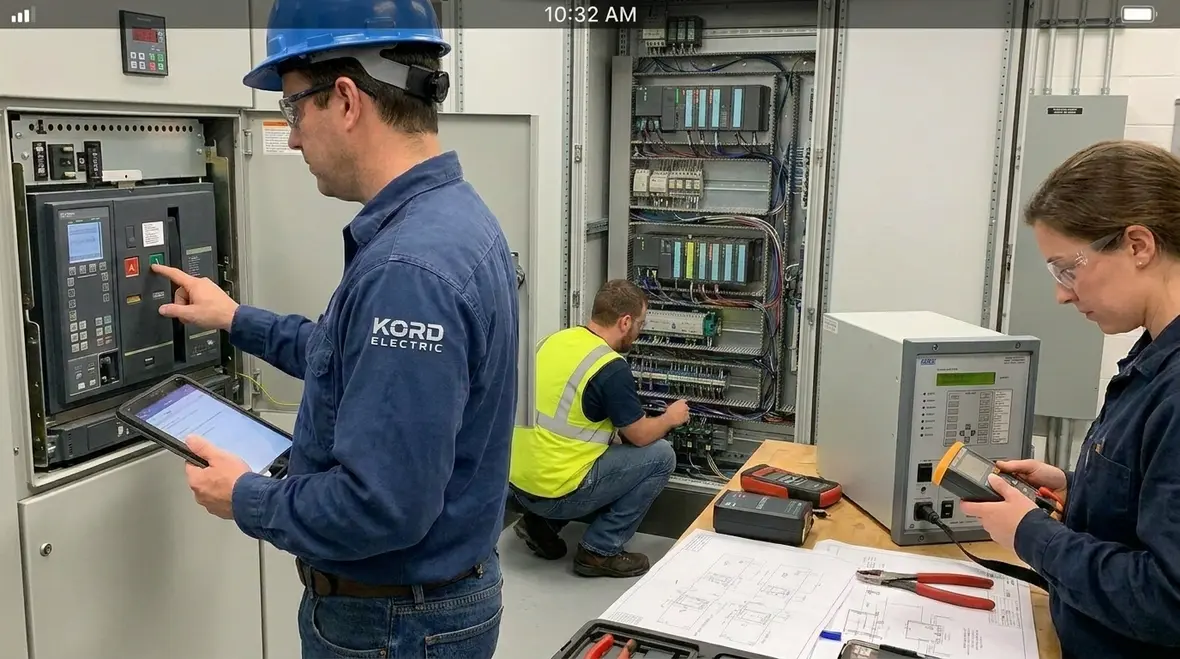
How we isolate faults with safe measurements and clear documentation
Fault isolation does not require drama. It requires order, safe test methods, and good records. Our technicians use step-by-step isolation to reduce the affected zone. For example, they can test a branch circuit while keeping upstream equipment in a stable state, assuming the site process allows it. Then they confirm results with follow-up measurements, because a single reading can be wrong if a connection is intermittent.
We also document everything. We record test points, values, wiring checks, and any changes made. If we find a damaged terminal, we describe the location and the likely failure mode. If we replace a component, we note the part rating and where it fit in the circuit. This documentation helps the facility during audits and it supports faster repairs next time.
And yes, we keep the humor light but respectful. When someone asks for “one quick test” that will magically reveal the problem instantly, our staff smiles and says, “If only physics worked like that.” Then we proceed with the correct checks, because the goal is uptime, not fortune telling.
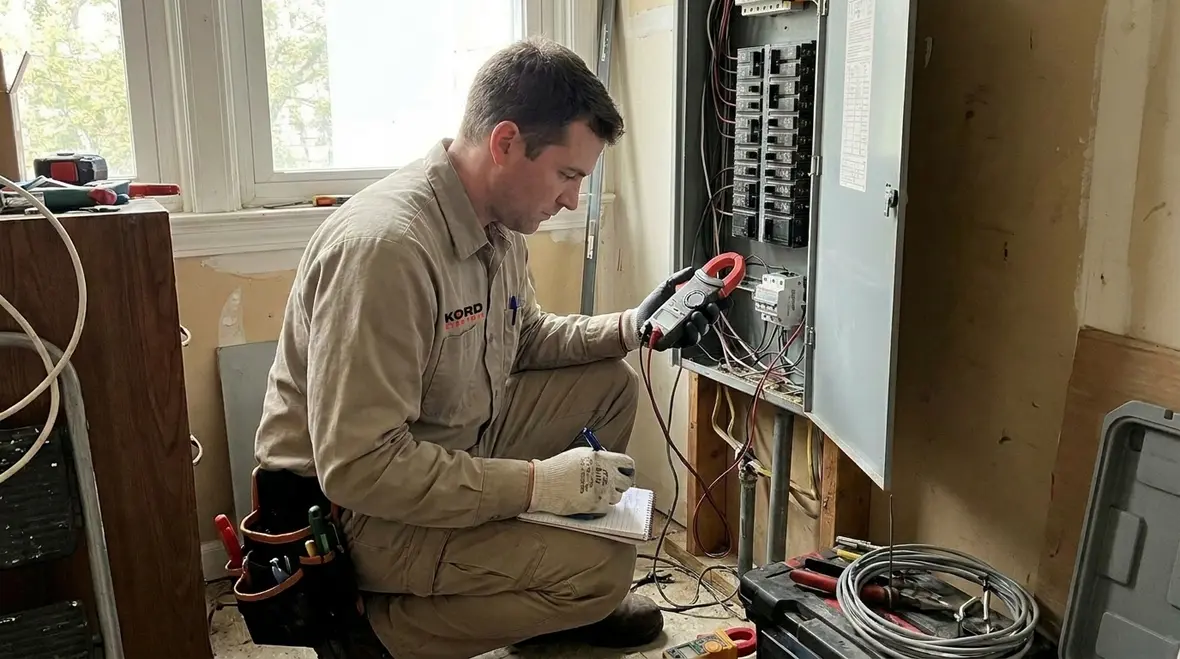
Common causes we see in commercial and industrial buildings
Across warehouses, hospitals, manufacturing plants, and major property buildings, we see recurring patterns. Loose terminations top the list, especially where vibration, thermal cycling, or frequent switching affects connections. Dirt and moisture can also cause control circuit problems, leading to unstable relay behavior or sensor misreads.
Another frequent cause involves aging protective devices. Breakers and fuses can fail to operate correctly, and sometimes they operate too early due to internal degradation. Meanwhile, contactors and starters can develop pitted contacts or weak coils, creating intermittent faults that look like “random” downtime. Because these issues can mimic other failures, we verify with both electrical measurements and inspection. For facilities that want a broader view of hidden issues, our teams also connect industrial circuit troubleshooting with structured programs such as electrical preventive maintenance for commercial and industrial facilities, so problems are caught long before they shut production down.
We also see grounding issues. Poor bonding and corrosion at grounding points can create noise, erratic control signals, and nuisance trips. Finally, harmonics from variable speed drives and other nonlinear loads can influence protective settings and cause unexpected readings. Therefore, our team treats the troubleshooting guide as a whole system approach, not a single component hunt. That whole system mindset is the same one we apply when helping clients address voltage fluctuations in commercial and industrial buildings that quietly damage motors and sensitive electronics if they are ignored.
What to expect from Kord Electric during an outage and after repairs
When trouble hits, our priority stays in the same order every time: safety, stabilization, then restoration. We coordinate with facility staff to confirm lockout and safe work boundaries. Then we work quickly to identify the failed section and return the circuit to service in the safest, most reliable way.
After repairs, our technicians perform validation checks. They verify performance under load where possible, confirm control sequence operation, and ensure protection devices respond correctly. Next, we review what happened with the facility team. Our expert service staff explains the findings clearly, including what triggered the fault and what we changed to prevent repeats.
Finally, we recommend practical next steps for ongoing reliability. This may include tightening schedule adjustments, targeted inspections, or documentation improvements. We do this for commercial and industrial facilities because those sites operate on schedules that do not care about our learning curve. For many organizations, pairing this industrial circuit troubleshooting guide with a structured electrical preventive maintenance program turns emergency calls into rare exceptions instead of a monthly routine.
FAQ: Industrial circuit troubleshooting guide and service questions
Need help applying this industrial circuit troubleshooting guide?
Need help right now? If your commercial or industrial site is experiencing repeated trips, stalled equipment, or unreliable control behavior, call Kord Electric. Our technicians follow a proven professional troubleshooting guide for industrial circuits to isolate faults safely, restore power and control, and document results your team can trust. We explain findings in plain terms, so decisions stay clear. Contact us today to schedule a site assessment and get your system back to steady operation.
If you want to push reliability even further, consider pairing this industrial circuit troubleshooting approach with a dedicated electrical preventive maintenance program for commercial and industrial facilities. For sites struggling with unstable power, combining troubleshooting with targeted support for voltage fluctuations in commercial and industrial buildings turns guesswork into clear, measurable improvements in uptime.
Whether you manage a distribution warehouse, a hospital, a production line, or a multi-tenant commercial property, our industrial circuit troubleshooting guide is more than a checklist. It is the way we work on every call: methodical, safe, transparent, and focused on getting your operations back to normal as quickly and reliably as possible.
Ready to schedule service, request an emergency response, or build a long-term maintenance plan around your most critical circuits? Our commercial and industrial electrical teams are here to help you stabilize today’s problems and prevent tomorrow’s surprises.
To get started with structured troubleshooting and long-term reliability planning, connect with our team through our industrial-focused services and request a tailored assessment for your facility.