Electrical Service Panel Capacity for Expansions
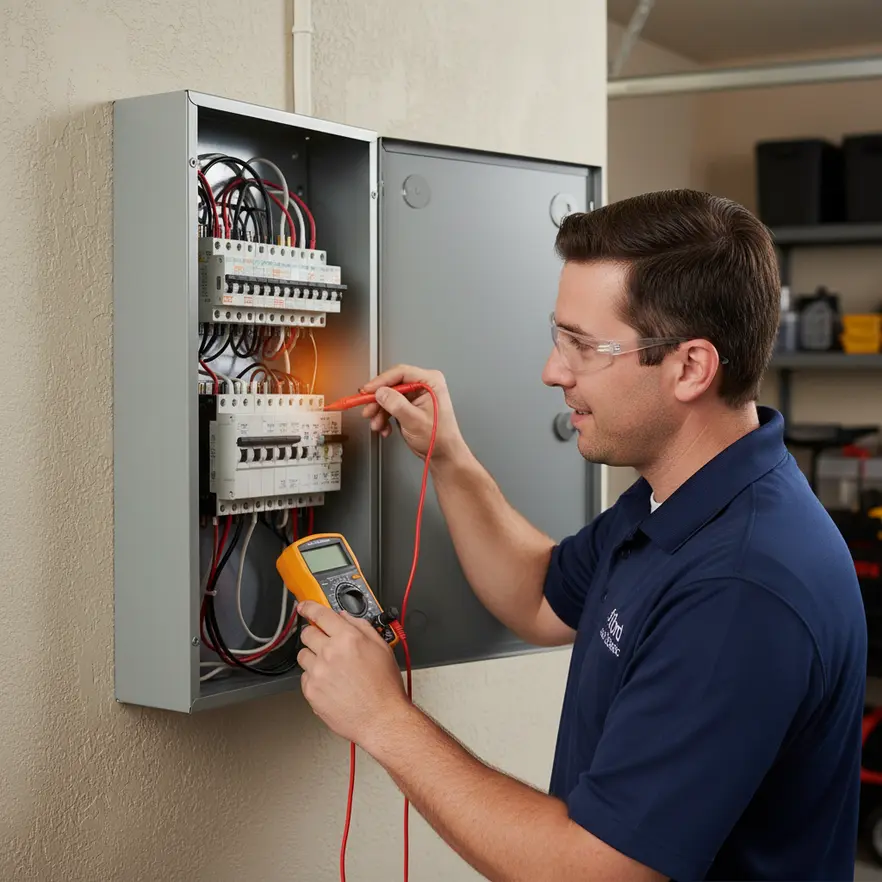
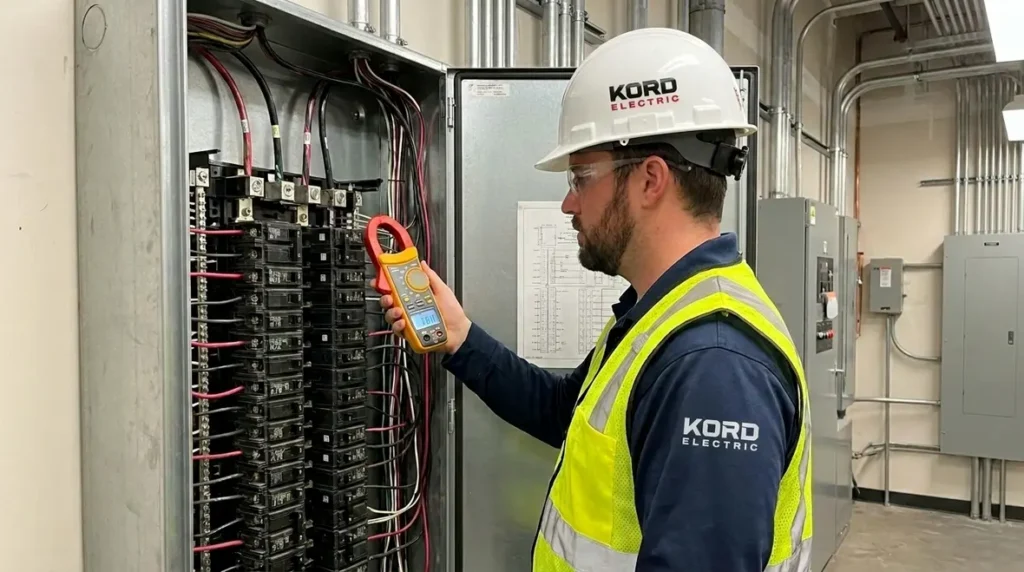
In commercial and industrial buildings, the electrical service panel capacity is not a “nice to have.” It is the quiet backbone that decides whether expansions go smoothly or turn into expensive surprises. When a facility grows, power demands grow with it. Our team at Kord Electric helps others assess the available panel space, the breaker ratings, and the real-world load patterns before construction begins. In other words, we prevent the electrical system from becoming the bottleneck that no one budgets for. And yes, we also explain it in plain language, because nobody enjoys reading a panel schedule like it is a comic book written in villain monologues.
What happens when a facility adds load without checking capacity
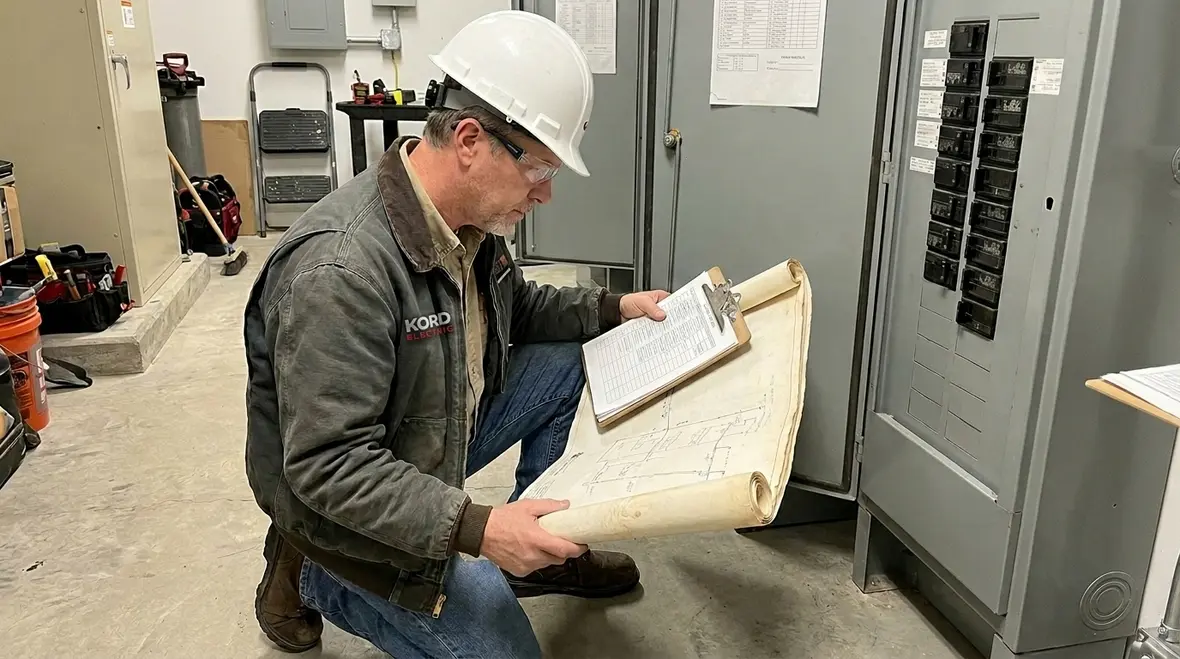
When commercial owners plan expansions, they often focus on square footage, parking, and permits. Then, power arrives with new equipment, new lighting zones, upgraded HVAC, and sometimes new production lines. As a result, electrical service panel capacity gets tested faster than people expect. A panel that seemed “big enough” during initial buildout may not handle additional circuits once the building matures.
We have seen real issues show up in the field. For instance, a facility may add refrigeration, then later add charging stations, then later add more office circuits. Each step seems small, yet the cumulative impact adds heat and reduces headroom. Moreover, load diversity assumptions can fail when operations run at similar times, such as during shift changes or seasonal peak usage.
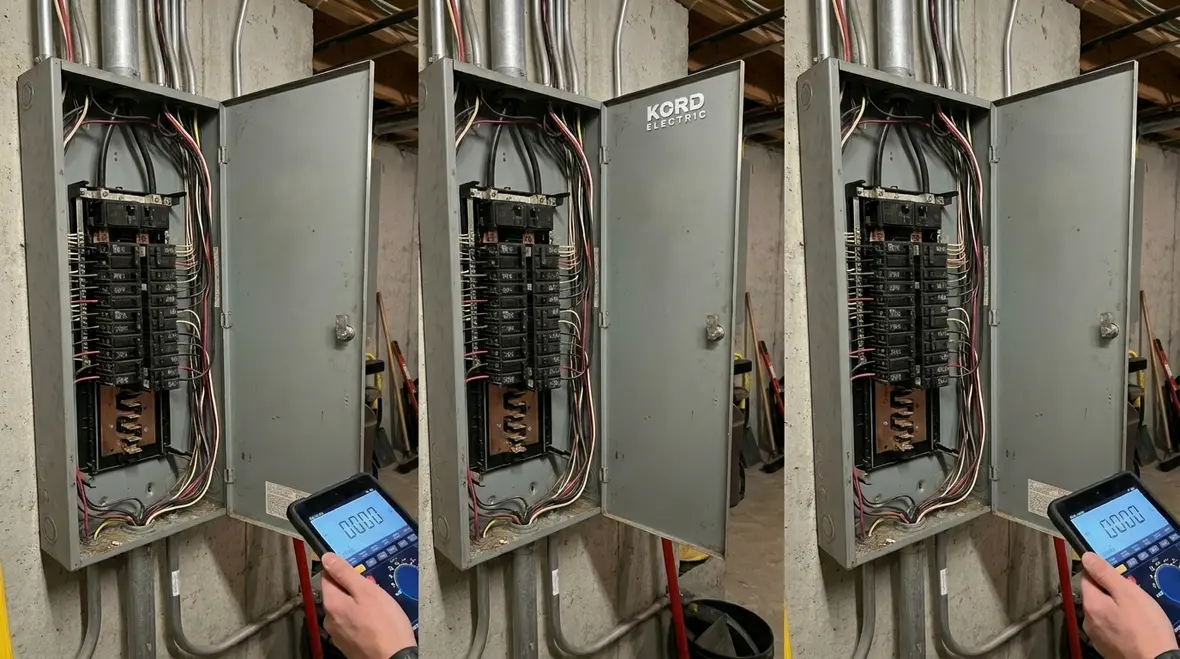
At that point, breakers can trip more often, bus bars can run hotter, and voltage stability can suffer. Also, the panel may not physically support extra breakers or may lack room for proper future expansion. In some cases, the panelboard is not the only constraint. The transformer, feeder conductors, and meter configuration all influence what the electrical system can safely deliver.
How we size panel capacity for real commercial and industrial demand
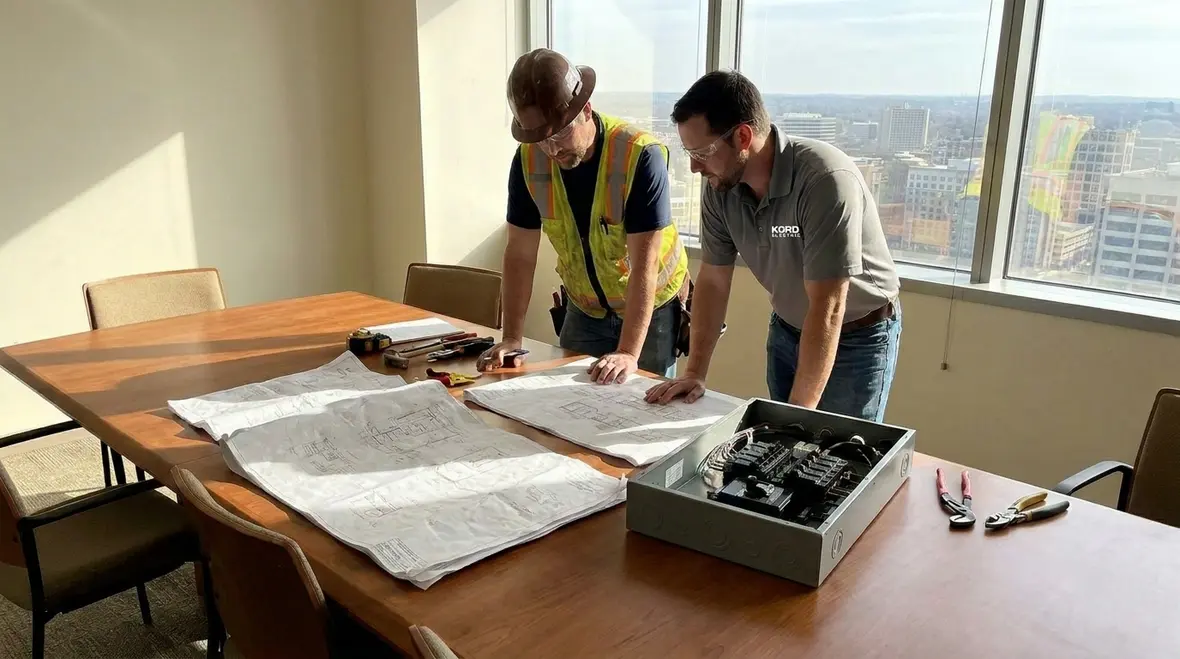
Our technicians use a method that goes beyond guesswork. First, we review existing single line diagrams, panel schedules, and as-built documents. Next, we map each circuit to its connected load type, such as motors, heaters, and electronic loads. Then we analyze demand patterns during typical operations and during peak conditions.
Because expansions do not happen in a vacuum, we also gather details about the planned additions. We ask what equipment will be installed, when it will operate, and whether any equipment will replace older units. Even something as “simple” as converting lighting to high output fixtures can increase circuit loading and affect starting current for some drivers.
Then, we evaluate spare capacity. This includes electrical space for new breakers, the amperage rating of existing main and feeder components, and the available busbar rating. However, we do not stop there. We also check grounding and bonding adequacy, panel labeling accuracy, and whether the panel architecture supports the way the facility wants to expand.
When it is time to explain findings, our expert service staff keeps it calm and clear. If a building has limited capacity, we explain it like a traffic flow problem: you can widen the road only so much before you must adjust intersections, signage, and on-ramps.
What to review before a construction plan becomes an electrical problem
Before anyone pours concrete or hangs new ductwork, we recommend a structured review. This helps commercial and industrial facilities avoid mid-project redesigns. Here is how we think about it.
Panel physical and electrical constraints
- Breaker slots and phase space needed for the future circuits
- Main breaker rating and feeder conductor limits
- Busbar rating and thermal margins based on existing loads
- Any legacy breakers, tandems, or mismatched components that limit upgrades
System limits beyond the panelboard
- Transformer capacity and loading
- Service entrance conductors and voltage drop
- Meter socket configuration and service type constraints
- Coordination with upstream devices for safe trip behavior
Operational reality
- When motors start and how often during peak shifts
- Whether equipment runs continuously or in batches
- Seasonal changes to HVAC demand and process loads
- Planned maintenance windows that can influence load timing
In short, we assess not just what the panel can do on paper, but what it does under real operating conditions. And if that sounds like extra work, well, so does calling a crew at midnight to reset breakers. Nobody likes that call, except maybe sitcom characters who always land on their feet.
Using maintenance planning to keep expansion-ready power
Capacity is not only a design-time issue. It also becomes a maintenance issue. When electrical systems age, minor problems compound. Connections loosen, labels fade, and circuit use changes over time. That is why Kord Electric supports commercial and industrial facilities with electrical maintenance plans that keep equipment in reliable shape.
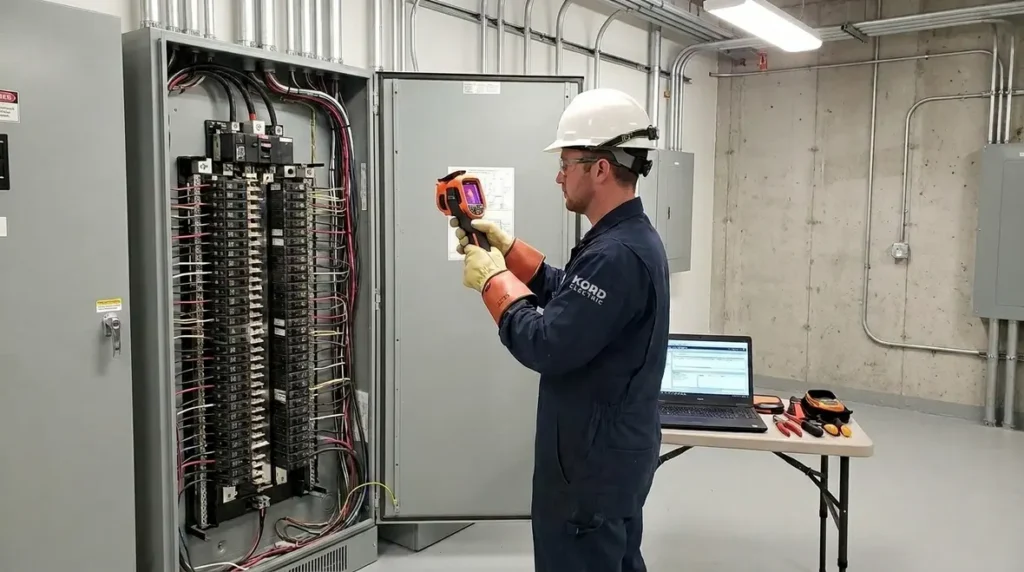
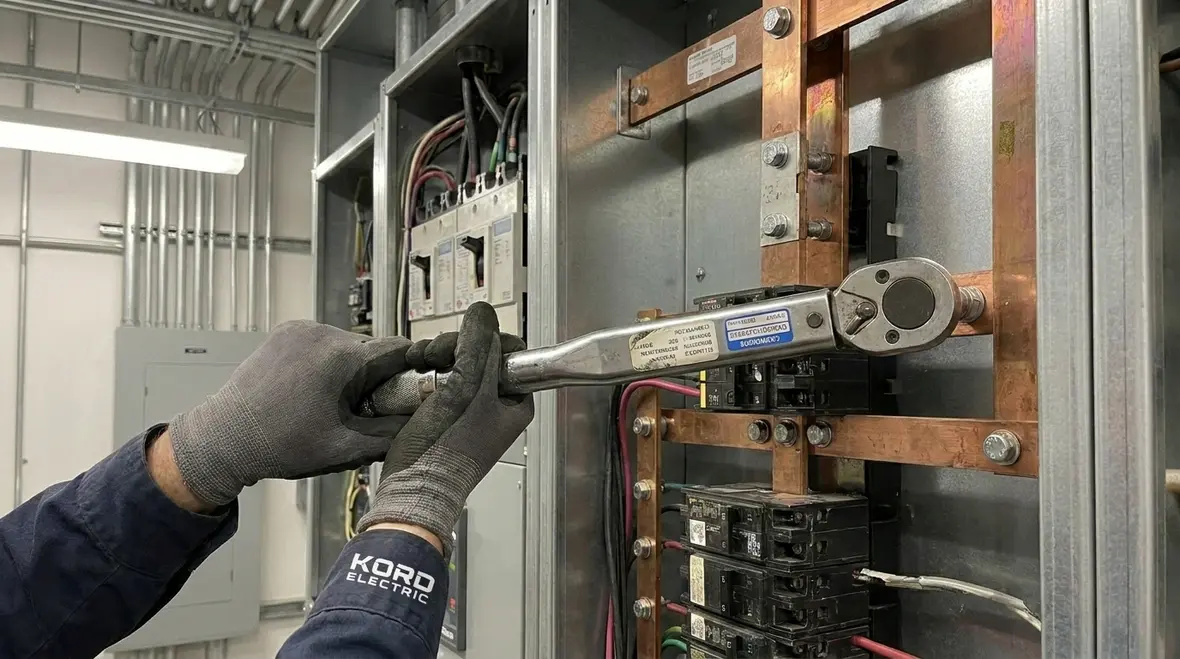
If a facility already follows a maintenance rhythm, expansions become easier because we can see trends. We can spot overloaded circuits earlier, confirm thermal performance, and correct documentation drift. Even small fixes, like tightening terminations or verifying torque specs, can protect capacity margins.
We also help others connect maintenance outcomes to future planning. That means we look at what the facility actually uses now, then we forecast what it will need during and after upgrades. For example, we can help identify panels where spare breakers exist but the bus loading is already near its comfort zone. In that case, simply adding more circuits does not solve the underlying heat and load balance.
Our approach aligns with the idea in our commercial and industrial electrical maintenance planning guidance, where proactive checks reduce reactive failures and support smoother project timelines. You can find our perspective on commercial and industrial electrical maintenance plans and how we help keep systems dependable.
Smart upgrades when panel capacity is tight
When the electrical service panel capacity assessment shows limited headroom, we recommend upgrades that match the facility’s constraints and budget. We do not push “bigger just because.” Instead, our technicians focus on safe, code compliant options that support future growth.
Here are common upgrade paths we evaluate for commercial and industrial buildings.
- Addition of a new panel with proper feeders when the existing panel cannot safely take more circuits
- Service upgrade when transformer and service entrance limits cannot support growth
- Rebalancing loads across phases to reduce imbalance and improve system stability
- Busbar or panel replacement when the panel architecture limits expansion
- Load management strategies where practical, such as sequencing non critical equipment during peak
We also ensure that new circuits do not create new trouble. For example, we verify that circuit types match equipment needs and that protective devices coordinate properly. Additionally, we confirm labeling and documentation updates so facilities do not inherit a confusing “mystery panel” that only electricians can interpret. And in our world, that is like keeping a map in a foreign language during rush hour. It feels adventurous until you get lost.
Electrical service panel capacity reporting and owner-friendly documentation
After we evaluate a building, we deliver findings in a way that owners and facility managers can use. Our team explains what capacity exists, what headroom remains, and what the next steps should be. Then we connect the electrical results to the expansion schedule.
Because projects often involve multiple parties, we also help others translate electrical scope into clear action items. That means we document key points like main ratings, available breaker positions, feeder constraints, and expected load changes. Furthermore, we note any risks we see, such as aging components, poor labeling, or load patterns that may drive peak demand faster than planned.
When our expert service staff reviews the report with a client, we also talk about timing. Some upgrades must happen before construction. Others can happen during renovation phases without disrupting operations as much. Either way, we help others plan so the facility stays operational while upgrades move forward.
FAQ
Ready to expand without electrical surprises
When a facility plans growth, we help you protect both timelines and budgets by assessing the real electrical service panel capacity and the limits around it. Our technicians and expert service staff review documentation, map loads, and recommend upgrades that fit commercial and industrial operations. If your expansion is already on the calendar, reach out to Kord Electric now. We will schedule an assessment, explain the findings clearly, and help you move forward with confidence. After all, good power should not feel like a gamble.
For facilities planning broader work alongside service panel reviews, it often makes sense to coordinate with regional support that understands your environment. Many industrial sites in and around Los Angeles pair their assessments with Los Angeles County electrical services so troubleshooting, upgrades, and future expansions stay aligned with real-world operating demands.
If your planning also includes lighting, controls, or future-ready infrastructure like EV charging, our related service lines can be scheduled in the same window. That way, your electrical service panel capacity, distribution equipment, and connected systems are evaluated together instead of in isolation.