

Electrical Service Upgrades for Tech Facilities
Planning Electrical Capacity Upgrades for Growing Tech Facilities: A Calm, Practical Playbook
At Kord Electric, we help commercial and industrial leaders keep growing tech facilities supplied, safe, and ready for change. When a company scales fast, the power system is often the last thing to “catch up.” That is exactly why we offer electrical service upgrades for tech startups in the real world, not in slides. We plan upgrades with the same seriousness others reserve for launch day, investor calls, and coffee that somehow tastes better after midnight. In the sections ahead, we explain how others should think about load growth, how we size the work, and how our technicians walk people through decisions so nothing feels like a surprise party for the electrical system.
How we start a capacity plan before the lights flicker
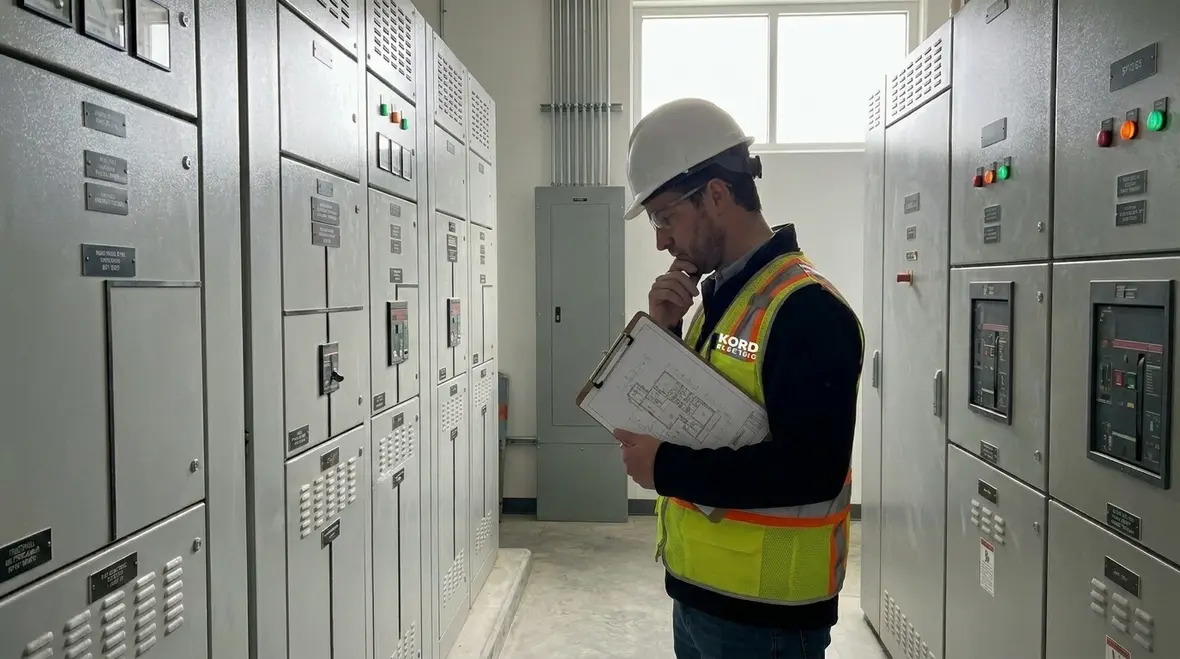
First, we do not guess. We take a careful look at what exists today, then we map what will exist next. Our process usually begins with a site walk, electrical documentation review, and interviews with the people who actually run the space. Then, our team connects the dots between equipment changes, operating hours, and future expansion plans.
Next, we identify the “soft spots” that commonly limit capacity. For example, the distribution panels may look fine, but feeder sizing, breaker ratings, or transformer headroom might be tight. Additionally, the utility interface can become the bottleneck if the building depends on a single service point. And if you are thinking, “Surely we can just add one more circuit,” well, we love confidence, but we prefer facts.
As we plan, our technicians and expert service staff explain findings in plain language. We also outline practical options, such as upgrading switchgear, adding load banks for staged commissioning, or improving power factor where it makes sense. Therefore, the upgrade path stays clear, controlled, and aligned with real building operations.
What growth changes in tech facilities and how we measure it
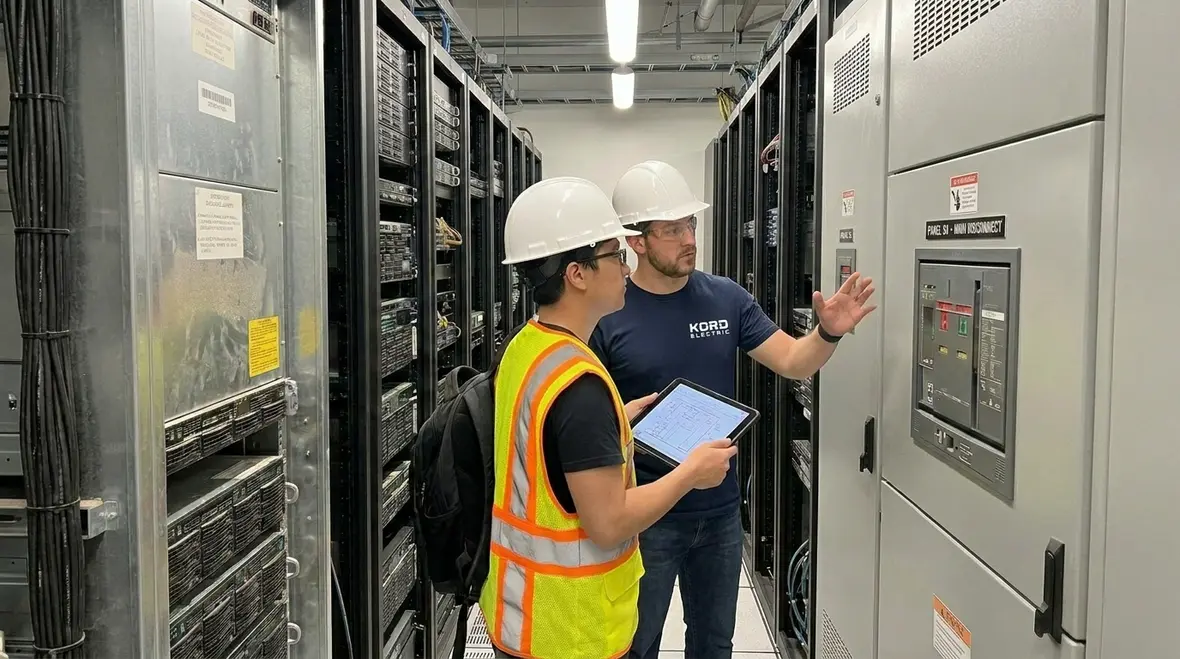
Tech facilities grow in ways that strain electrical capacity faster than teams expect. A few common examples include expanded server racks, new lab equipment, upgraded HVAC, more data hall density, and adding EV charging for staff. Even if the building staff does not run “heavy industry,” the load profile can behave like one, especially when cooling and compute scale together.
To measure this correctly, we calculate expected loads using actual nameplate data when available. We also review demand factors, diversity assumptions, and operating schedules. Then, we check how the facility behaves under peak conditions. In practice, peak load usually happens when compute ramps and cooling systems run at high capacity, sometimes at the same time. As a result, the power system can face both thermal stress and voltage stability challenges.
We then test the existing system for signs of strain, such as voltage drop, harmonic influence, nuisance trips, and overheating indicators. After that, we confirm whether the limitation comes from the utility service size, the transformer bank, the switchgear, the bus rating, or the feeders. Because each part tells a different story, we treat the electrical system like a team sport, not a single player.
Connecting capacity planning with broader commercial electrical strategy
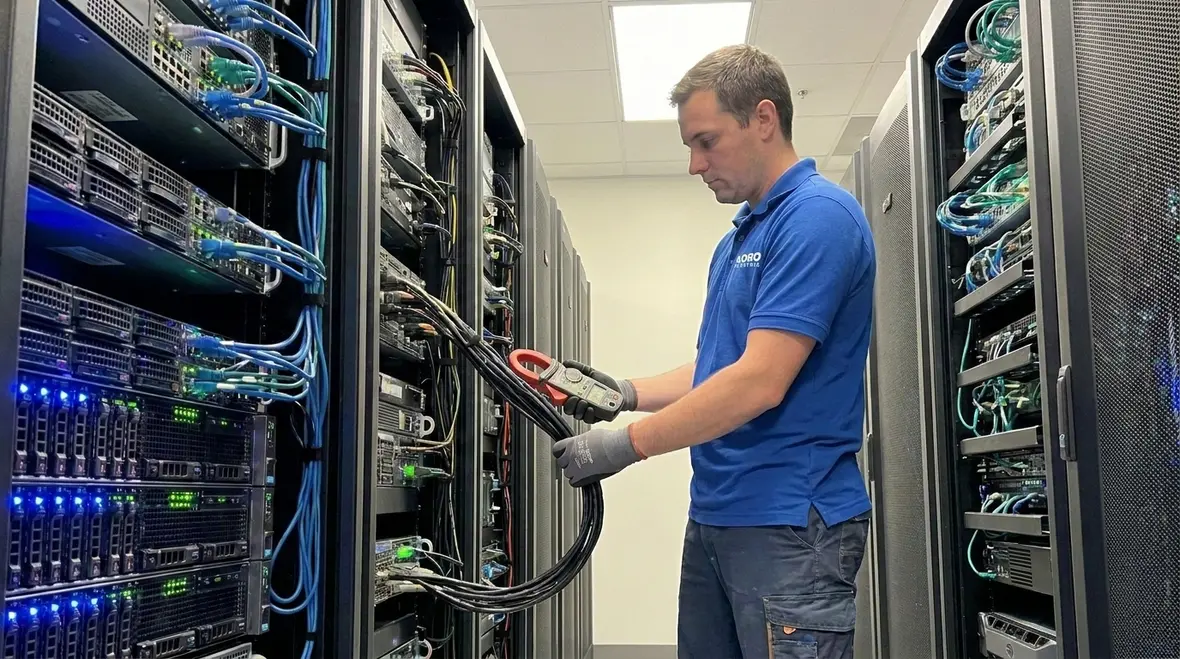
For many growing tech environments, electrical capacity planning does not live in a vacuum. It connects directly to long term reliability and risk management. That is why leaders often pair service upgrades with structured maintenance strategies, so the same panels and switchgear that receive new loads also receive disciplined care over time. Thoughtful planning keeps capacity aligned with the practical realities of commercial electrical systems in modern buildings, instead of hoping legacy infrastructure can quietly carry tomorrow’s workload forever.
When organizations take this broader view, service upgrades stop feeling like one time emergencies. Instead, they become part of a calm, repeatable playbook that supports data centers, labs, office campuses, and other tech heavy properties as they evolve.

Sizing electrical service upgrades for tech startups with real numbers
Once we understand the current and future load, we size the upgrade. We do not just replace what is there. Instead, we design for margin, reliability, and phased construction, so the facility does not shut down for weeks to get what it needs.
Our experts typically consider the service capacity, transformer requirements, distribution architecture, and redundancy goals. If the facility can tolerate an outage window, we plan accordingly. If the business needs near continuous power, we evaluate options for selective coordination, protected distribution zones, and improved failure isolation. Additionally, we look at grounding and bonding to support stable operation and safety.
Then we address power quality. Many tech facilities experience more sensitive loads, including UPS systems, variable frequency drives, and modern server hardware. Therefore, harmonics and transient behavior matter. We may recommend upstream measures, such as detuned transformers, harmonic mitigation where appropriate, or better controls at the distribution level. And yes, sometimes we tell people to stop using “vibes” as a design method, even if the vibes are excellent.
Why real load data matters more than rule-of-thumb sizing
In fast moving tech environments, guesswork is a poor design tool. Real nameplate values, measured demand, and carefully chosen demand factors give stakeholders a grounded picture of what the upgraded system must support. This is where good electrical service upgrades for tech startups quietly earn their keep: by backing every breaker, feeder, and transformer decision with numbers instead of hope.
Phased upgrades that let teams keep operating
Most commercial and industrial facilities cannot pause business for a full rewire. So we plan phased upgrades that match the project schedule and the facility’s critical operations. We start by identifying circuits that can shift, circuits that must stay energized, and areas that can be temporarily reconfigured.
Next, we coordinate with facility leadership, IT or operations teams, and any third parties already on site. We also sequence installation to reduce downtime. For instance, we may build new sections of switchgear, install new feeders, and then cut over in controlled steps with commissioning and testing after each stage. Furthermore, we include protection and labeling so maintenance staff can work confidently after the dust settles.
During this work, our technicians explain each milestone and its impact. They tell people what will change, when it will change, and how we keep safety tight. That communication matters because upgrades feel less stressful when the team understands the plan. And if someone asks, “Will this trip the building?” we answer directly, with data and a timeline. No mystical electrical doorways, no guessing.
Where phased upgrades fit into broader maintenance and code strategy
Thoughtful phasing does more than protect uptime. It creates natural checkpoints for verifying commercial electrical compliance, validating protection settings, and aligning with preventive maintenance plans. When upgrades and maintenance talk to each other, facilities avoid the pattern where new capacity gets installed, then quietly ignored until the next emergency. Instead, each stage reinforces long term reliability and documentation.
Safety, compliance, and power reliability you can audit
When we upgrade electrical systems, safety and compliance lead the conversation. We follow applicable codes and standards, verify equipment ratings, and ensure proper testing and documentation. After that, we focus on reliability. Tech facilities do not just need “power on.” They need power that behaves predictably under real loads.
To deliver that, we use commissioning practices and checks that validate performance. We verify protective device coordination, inspect terminations, confirm bus integrity, and test grounding systems. Additionally, we measure voltage drop and confirm that conductors and thermal loads remain within safe limits. We also review future expansion so the facility does not outgrow the upgrade the moment the next product launches.
Finally, we provide records that help others audit the work later. This is not paperwork for its own sake. It supports maintenance planning, future design decisions, and smoother service calls. Therefore, your electrical service upgrades for tech startups remain a foundation, not a bandage.
Linking upgrades to preventive maintenance and inspection outcomes
When upgrades are paired with structured electrical preventive maintenance programs, the same documentation that supports inspections also guides everyday decisions. Trending data, panel inspection notes, and test results all help facilities stay ahead of emerging issues instead of reacting after the fact. Over time, that combination of upgrades plus maintenance gives tech heavy buildings a quieter, more predictable electrical life.
Choosing partners for major property buildings: what we expect from you
Major property buildings and fast growing tech campuses need strong coordination. When others choose a partner, they should look for clear communication, disciplined design, and field teams who explain the why, not just the what. At Kord Electric, our technicians and expert service staff take time to walk stakeholders through the plan, the risks, and the tradeoffs.
We also expect transparency from our clients. If your team plans to add servers, expand production, change HVAC strategy, or introduce battery storage, tell us early. Then we can align the capacity forecast with the real roadmap. Moreover, if your facility has strict uptime needs, we will build a cutover approach that respects that reality.
In other words, successful upgrades come from shared clarity. We bring the electrical discipline, and you bring the operational truth. If both sides stay honest, the final install feels smooth, and the power system stays boring in the best possible way.
How growing tech facilities can prepare before calling in a partner
Before the first assessment, it helps to gather one line diagrams, panel schedules, utility bills, and a clear picture of upcoming projects that will drive load growth. Internal teams can also outline uptime priorities, acceptable outage windows, and any compliance or tenant obligations that shape the schedule. The more direct the information, the easier it becomes to design upgrades that respect both the electrical realities and the business plan.
FAQ
How Kord Electric helps you move from “someday” to a ready electrical system
Planning electrical capacity is not a guess, and it is not a panic response either. When you partner with Kord Electric, we help you forecast load growth, size the right improvements, and phase upgrades so your commercial or industrial facility stays operational. Our technicians and expert service staff explain each step in business friendly terms, then we verify results through proper testing and documentation. If your team is tired of living one equipment add away from trouble, contact us now for an assessment and a clear upgrade roadmap.
As your facility roadmap evolves, electrical service upgrades for tech startups can connect directly with broader services like structured electrical preventive maintenance and commercial electrical systems planning. Taken together, they create an environment where panels, feeders, and switchgear quietly support what the business needs next, instead of forcing tough decisions every time a project goes live.
If you are ready to move beyond “someday” conversations and toward a calm, documented path for your next phase of growth, Kord Electric is ready to help you design and deliver the electrical backbone your tech operations deserve.
To learn more about keeping upgraded systems reliable long after the construction dust settles, explore how structured electrical preventive maintenance supports large commercial and industrial facilities, then bring those ideas into the early stages of your upgrade planning.


