Commercial Electrical Safety Protocols Guide
Introduction: Commercial Electrical Safety Protocols That Protect People and Property
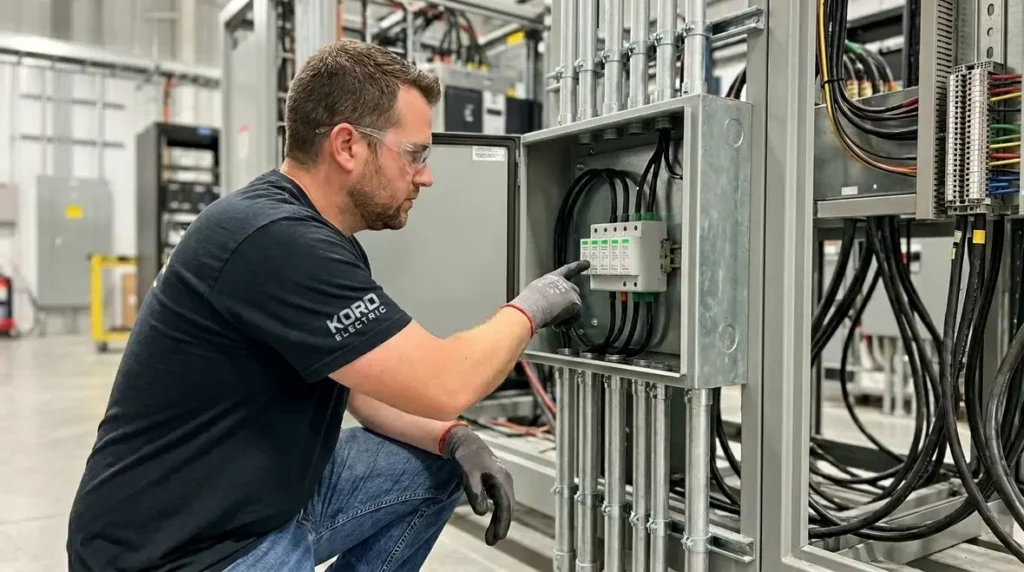
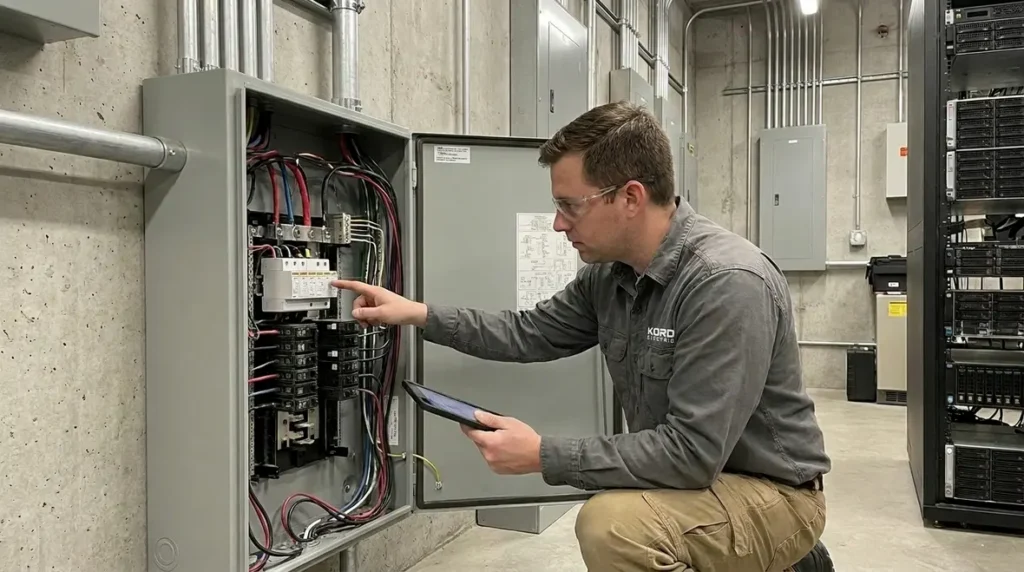
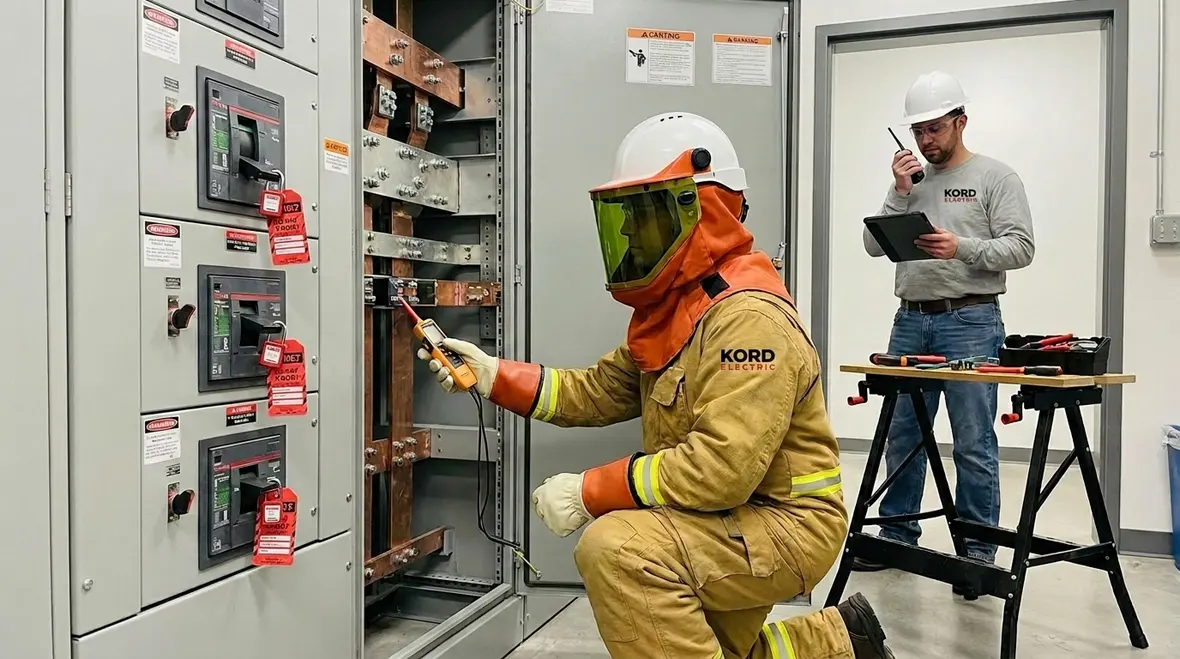
Managing high voltage in commercial spaces is not a “set it and forget it” job. At Kord Electric, we follow strict commercial electrical safety protocols before anyone touches a conductor, every time. Our teams start with lockout tagout, confirm the system status, and verify de-energization with proper test equipment. Then we control the work area, use the right protective gear, and keep clear communication from the first inspection to final energization.
Because if you think safety steps are optional, you are welcome to meet the laws of physics. They do not negotiate, and neither do we.
Why High Voltage Risk Looks Different in Commercial Buildings
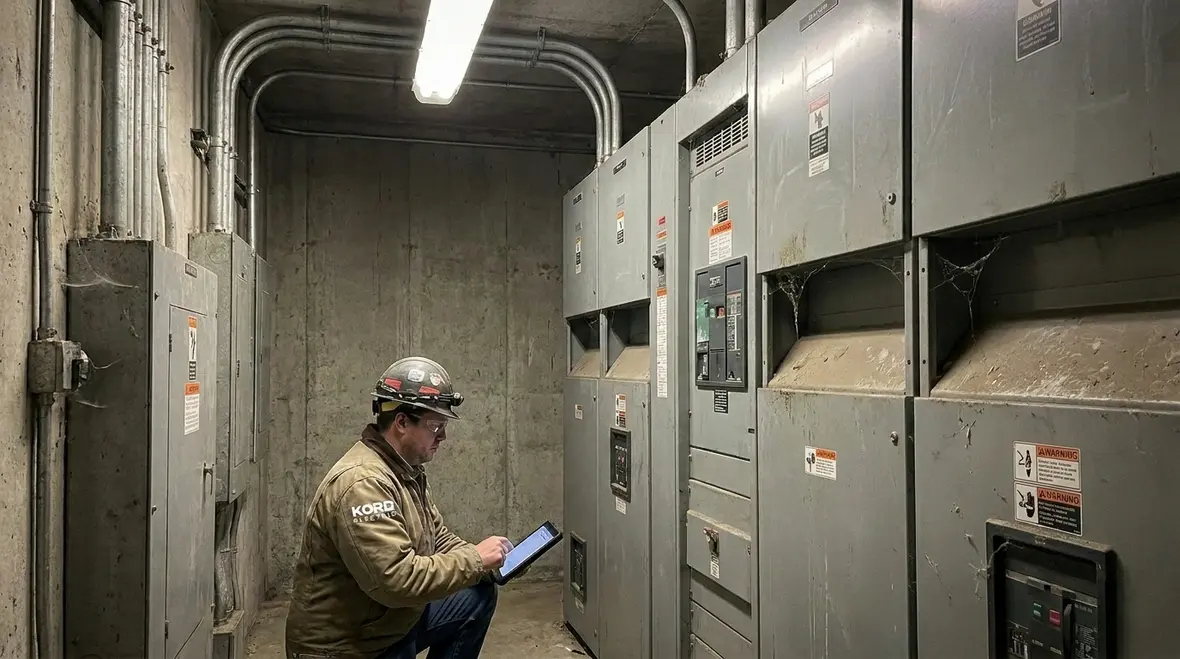
Commercial and industrial facilities face risk patterns that differ from homes. First, multiple circuits often share space, which means an action in one panel can surprise another. Next, systems may run through long cable runs, conduits, and switchgear rooms that stay warm, dusty, and time-worn. Furthermore, high voltage equipment in major properties usually serves life safety systems, HVAC, industrial loads, and large lighting banks. So when something goes wrong, the impact can travel fast.
Our technicians, along with our experienced service staff, explain these realities in plain language during site walks. They show what normal operation looks like, and they point out where confusion usually happens. And yes, confusion is the enemy. It is also the reason we document circuit labeling and operating sequences, instead of trusting memory. Memory is great for birthdays, not bus bars.
When leaders want a deeper look at how today’s buildings are wired, we often point them to resources like our commercial electrical systems for modern buildings guide, which breaks down how modern loads, code requirements, and uptime expectations all shape the way commercial electrical safety protocols must be applied in the field.
Pre-Job Planning: The Steps That Prevent Accidents Before They Start
Before we open a cabinet or enter an electrical room, we build a safety plan that fits the facility. Even when a job seems straightforward, we treat every switchgear bay and distribution section as its own story. To do that, we confirm the scope, identify the equipment, and gather existing drawings, one line diagrams, and prior maintenance notes.
Then we coordinate with the facility owner, site manager, and any other contractors. As a result, the right people know when outages occur and which areas will be affected. We also verify that the work meets facility requirements and local code expectations. Most importantly, we plan the sequence of switching so that no one has to “wing it” under time pressure.
- We review equipment ratings, conductor routes, and interrupting device behavior.
- We confirm access paths and safe egress for the electrical room.
- We set up tools, test equipment, and PPE before we start.
- We assign roles so communication stays clear and calm.
Our service staff often jokes that good planning is like a good suit. It should not draw attention, but it makes everything else fit properly. In the field, planning is not glamorous. It simply keeps the lights on and keeps people safe.
We also align this planning phase with the facility’s broader maintenance strategy. Many of our commercial clients pair project-specific work with structured electrical preventive maintenance programs, so inspections, testing, and upgrades all follow the same disciplined roadmap instead of happening in isolation.
Lockout Tagout, Arc Flash Boundaries, and How We Keep Distances Real
High voltage work demands strict control. That is why our team uses lockout tagout methods that match the system design and energy sources involved. We isolate, lock, and tag energy sources, then verify that the equipment stays de-energized. After that, we establish boundaries for arc flash risk and ensure only trained personnel enter the controlled zone.
We do not rely on “looks safe” logic. Instead, we confirm voltage presence using suitable test procedures and verify readings are consistent. Transitioning from planning to action must be deliberate, and our technicians follow step-by-step checks rather than shortcuts.
- We apply lockout tagout to all relevant disconnecting means.
- We use test instruments made for the voltage class.
- We set arc flash boundaries based on the equipment conditions.
- We require PPE selections that match the task risk level.
It is the same mindset you want at a busy intersection. You slow down, you look twice, and you give yourself room to react. High voltage deserves that level of respect, every single time.
These practices align closely with evolving standards like the National Electrical Code updates for 2026 and guidance in NFPA 70B electrical panels and switchgear maintenance, both of which emphasize systematic isolation, verification, and documented boundaries as core elements of commercial electrical safety protocols.
PPE, Tools, and Verification: The Practical Stuff That Prevents “Oops” Moments
PPE is not a box to check. It protects the person doing the work when conditions change faster than anyone can think. So we select protective equipment based on the work task, the voltage level, and the arc flash risk. Also, we inspect PPE and tools before the job, because damaged gloves and outdated gear behave like worn tires. They still move, but they do not do the job you need.
Verification remains the center of our approach. We confirm de-energization, we re-check before touch, and we document results. Then, when we energize, we follow a controlled process with clear communication and stable procedures.
One reason commercial electrical safety protocols matter so much in the real world is that systems rarely sit still. Even after maintenance starts, changes can happen due to building operations, scheduling, or other team work. Therefore, we use check-ins and confirmations during the job, so nobody accidentally returns power to a section mid-task.
We know that many facility managers are balancing safety, cost, and modernization at the same time. That is why we built our rewiring cost guide for commercial electrical systems—to show how the right tools, testing, and verification steps fit into both safety and budget planning when you are upgrading older infrastructure.
Safe Work Practices During Switching, Testing, and Rewiring in Major Properties
At Kord Electric, we focus on commercial and industrial facilities and major property buildings. That means our approach considers high uptime expectations, multiple tenants, shared equipment spaces, and complex distribution layouts. During switching, testing, and rewiring, we manage risk by controlling who can access equipment, how we route power, and when we test.
For example, rewiring in a commercial environment typically influences more than one system at a time. In our rewiring cost guide for commercial electrical systems, we explain how commercial electrical changes often depend on factors like labor time, equipment access, and scope complexity. While that guide focuses on cost drivers, the same field realities shape safety planning. If you must remove barriers, slow down to follow safe work spacing, or coordinate downtime, then the schedule changes. And when the schedule changes, safety must lead the adjustment.
Our technicians also manage “hidden” risks that show up during major electrical work: mislabeled conductors, older terminal conditions, or equipment that behaves differently than drawings suggest. However, we address these issues with careful inspection, controlled verification, and structured handoffs between roles.
- We stage materials to reduce time near energized risks.
- We maintain cable discipline and secure work so nothing pulls loose.
- We test circuits in a safe sequence to avoid backfeed surprises.
- We verify labeling and phase connections after modifications.
To put it in plain terms, we treat rewiring like a carefully directed movie scene. Everyone knows their mark, the script gets followed, and we do not improvise near live electrical gear. Hollywood does it. Safety does not.
When switching or testing affects large lighting banks, many clients also take the opportunity to plan upgrades tied to recessed lighting installation services or broader lighting retrofits, bundling safety-driven outages with energy-efficient improvements that pay dividends long after the work is complete.
Recordkeeping, Training, and Continuous Improvement That Actually Sticks
Safety does not end when the cover goes back on. It continues through documentation, post-work review, and training that reinforces the behaviors that keep people safe. Our team logs test results, switching steps, and equipment conditions, then we review what worked and what needed adjustment.
Also, we make sure our expert service staff can explain the “why” behind actions. When people understand the reasoning, they follow procedures even when work gets busy. They also spot issues earlier because they recognize patterns.
Finally, we encourage continuous improvement. That means we evaluate near misses, adjust training materials, and refine our safety checks for each facility type. As a result, the next job benefits from real lessons, not theoretical slides.
Even with strong procedures, the goal stays simple: protect people, protect equipment, and protect operations. In business, that is how you earn trust. In electrical work, it is how you prevent tragedy.
We often recommend that facilities back up their day-to-day training with written programs built around standards like NFPA 70A vs NEC for commercial electrical compliance. When your team understands how the rulebook connects to real-world tasks, those commercial electrical safety protocols stop feeling like extra steps and start feeling like the normal way you do business.
FAQ
Conclusion: Bring Safety Leadership to Your Next High Voltage Project
If your commercial or industrial facility runs high voltage equipment, you already know how quickly problems can escalate. Kord Electric builds safety into the job from the first site walk to final verification, and our expert service staff explains every step in a way your team can trust. If you need help with switching, testing, rewiring, or system updates, contact us to plan a safe, code-minded approach. Let’s keep your operations steady and your people protected. Call Kord Electric today.
If you are planning broader upgrades, our dedicated electrical preventive maintenance services and other commercial electrical solutions give you a clear path from safety planning to real-world implementation, with commercial electrical safety protocols woven into every visit, every inspection, and every project step.