
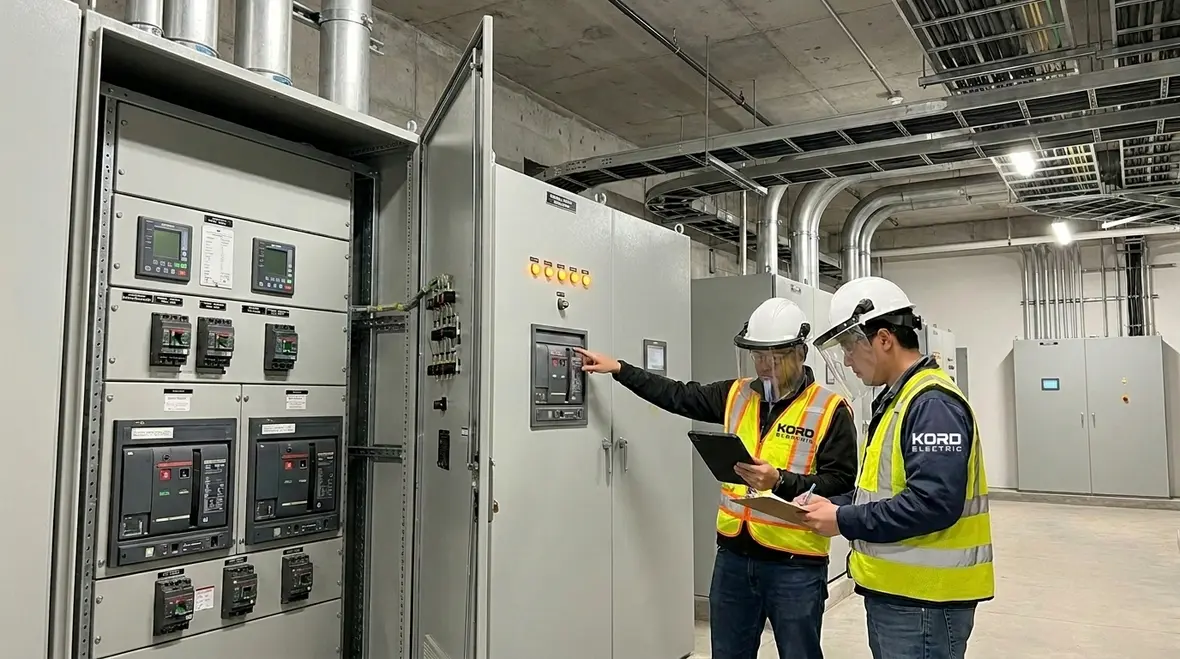
Electrical System Business Continuity Planning Guide
Why Electrical Strategy Belongs in Business Continuity Planning
In commercial and industrial facilities, the lights do not just “turn on.” They power production, controls, safety systems, and the tools that keep a building earning money. That is why our Electrical System Business Continuity Planning sits at the center of any serious plan for what happens when the unexpected arrives. And when it fails, it fails fast. So we build continuity around real electrical risks, not wishful thinking.
At Kord Electric, we take a calm, methodical approach. First, we map how power moves through your facility. Then, we decide what must stay online, what can wait, and what can safely shut down. Others may treat continuity like paperwork. We treat it like the wiring diagram of your survival plan.
Commercial power is the difference between “paused” and “down for good”
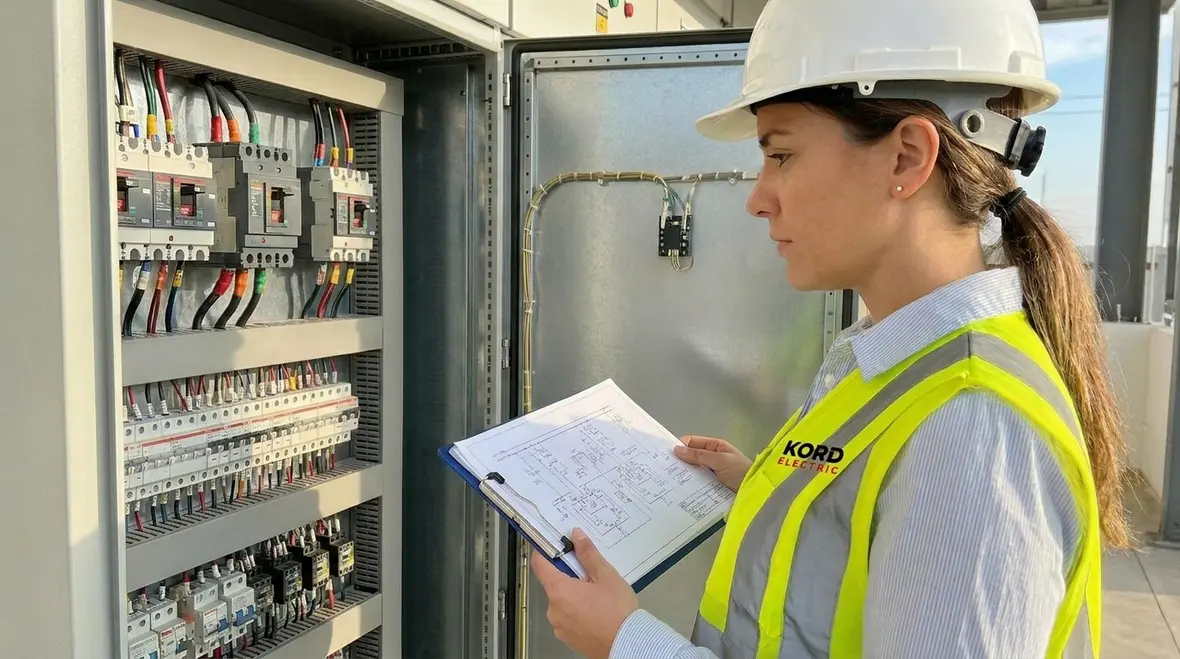
When businesses experience outages, the damage is not only in lost hours. We see cascading problems: refrigeration warms, process controls restart incorrectly, security systems go dark, and data networks lose sync. As a result, teams scramble, costs climb, and the building becomes a high speed problem generator. If you have ever watched a furnace kick on like it is auditioning for a horror movie, you already know how quickly operations spiral.
We focus on commercial and industrial facilities and major property buildings because their loads are complex and their timelines are strict. A continuity plan that ignores electrical strategy is like trying to steer a ship with the sail tied down. You can move, but you cannot control what happens in a storm.
To keep continuity steady, we help others understand the difference between a short interruption and a true electrical failure. We look at voltage dips, harmonics, transformer issues, generator transfer behavior, grounding problems, and feeder capacity. Then we translate those risks into a plan your team can actually follow during an event.
What an electrical continuity plan must include
So, what does a robust Electrical System Business Continuity Planning effort look like in practice? We keep it concrete and usable for facilities teams. We start with a full view of your power system, including:
- Critical load mapping so teams know what stays powered during outages
- Single line review to spot hidden bottlenecks and weak points
- Protection coordination to reduce nuisance trips and improve fault response
- Generator and transfer switch checks so switching works under real conditions
- Spare parts and maintenance cadence so repairs do not become “someday” repairs
Next, we connect the electrical details to business priorities. For example, a logistics warehouse may need docks, lighting, access control, and network switches to remain stable. A manufacturing facility may require controls, motors, and safety systems in a very specific sequence. By tying electrical design to operating goals, we prevent the “everything is critical” trap. That trap is like putting all the lanes on a highway into one lane and calling it efficient.
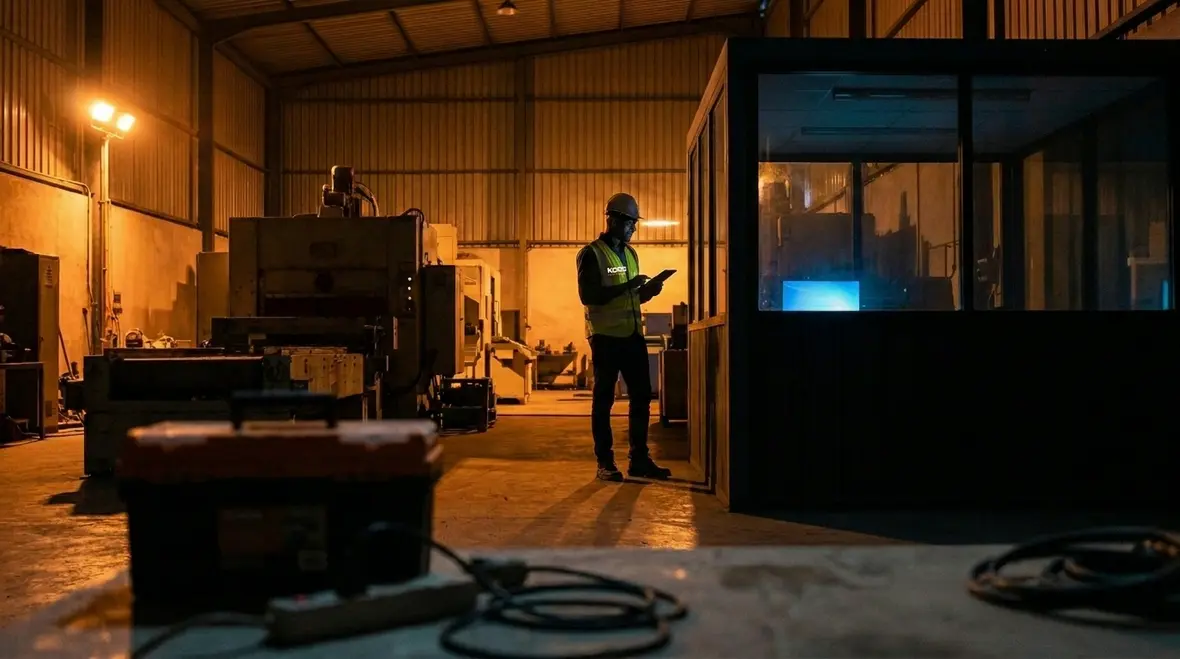
How we help teams prepare with expert service staff
Some plans sit on a shelf. Ours do not. Our technicians and expert service staff explain what they find, and they explain it like they are teaching the next person who has to act at 2 a.m. We break down the details into clear steps, and we document decisions in language that operations and maintenance teams can use.
Then we test readiness. We review alarm points, verify critical circuits, and confirm that transfer logic matches how your facility actually runs. If there is an issue, we do not hide it. Instead, we fix it or we recommend a practical upgrade path. And yes, we know it is tempting to delay electrical work until the next budget cycle. Still, waiting tends to turn a fix into a fire drill, and fire drills are expensive in ways no one puts in a forecast.
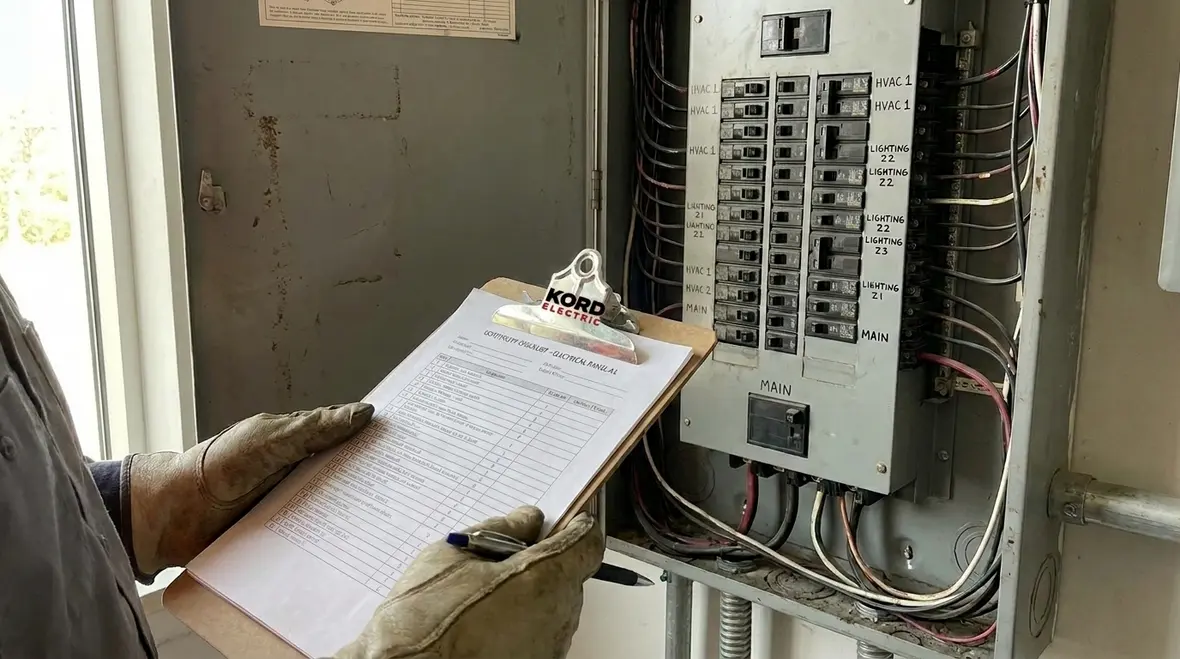
Resilience upgrades that matter most
Electrical continuity is not one magic device. It is smart resilience choices built into the system. We help commercial and industrial customers prioritize upgrades that reduce outage frequency and shorten downtime.
Depending on the site, we often recommend:
- Improved transfer and switching behavior so critical loads ride through events safely
- Selective coordination enhancements to keep faults from shutting down entire sections
- Capacity planning for future growth so new equipment does not overload existing feeders
- Quality improvements such as harmonic mitigation when sensitive electronics need stable power
- Better labeling and access so maintenance teams respond quickly and correctly
In addition, major property buildings often include multiple tenants and shared systems. In those cases, we help others align the plan across parties, because when one tenant pulls too much power, everyone feels it. We also coordinate with site operations so the upgrades fit the real schedule, not the fantasy schedule in a binder.
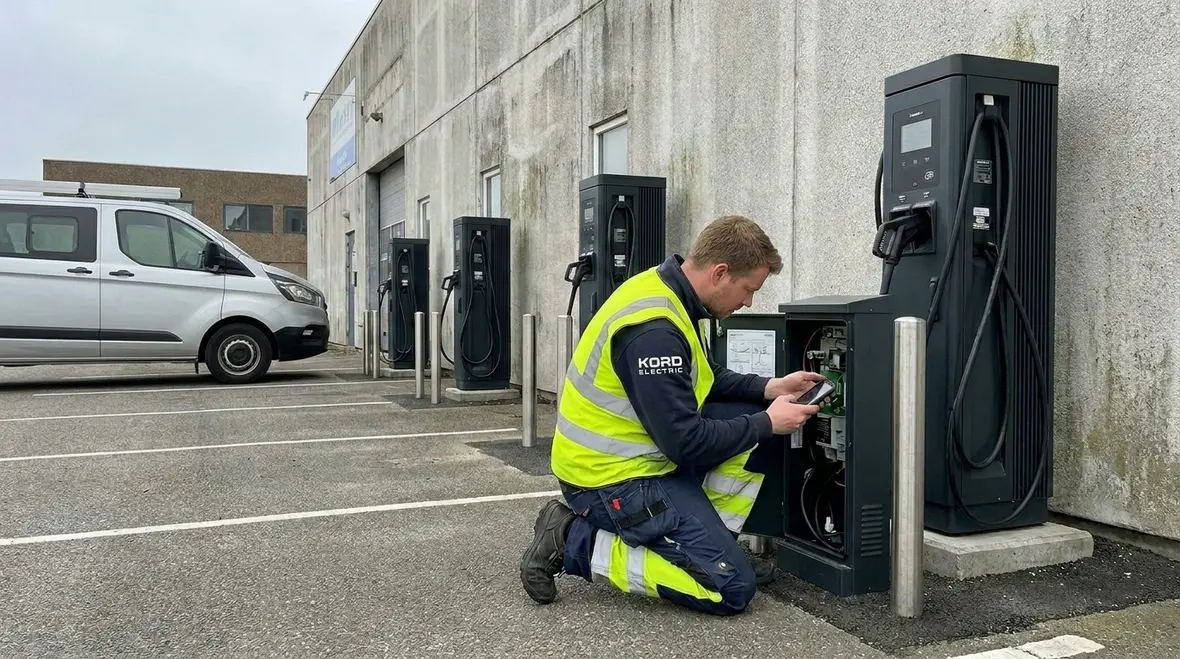
EV charging and electrical continuity in the real world
Many major property buildings now add electric vehicle charging. That is a good thing for fleets and tenants. However, it creates a new electrical load, and it can disrupt continuity if the system is not planned with care.
Kord Electric supports EV charger installation by evaluating how chargers will affect your existing service, feeders, and load management. We use the same disciplined mindset we bring to Electrical System Business Continuity Planning: power must stay predictable, controls must behave during transitions, and the electrical system must support growth without surprising your maintenance team.
To help keep the site reliable, our team explains requirements clearly during consultation and installation. We also consider how EV infrastructure interacts with other critical loads. As chargers scale, demand shifts, and electrical design needs to stay ahead of that curve. Otherwise, you get the classic scenario where everything works until it all works at once, and then the building acts like it forgot the script.
Maintenance, testing, and documentation that actually gets used
Even the best electrical plan fails if it never gets exercised. Therefore, we help facilities teams create maintenance and testing routines tied to the real electrical design. We encourage documentation that is easy to find during an event and clear enough for any shift, not only the person who knows the system best.
Our technicians and expert service staff support continuity through ongoing service work. We verify that key components operate correctly over time, and we address wear before it becomes an outage trigger. Moreover, we help customers build a process for updating the plan when equipment changes, loads expand, or tenant improvements alter the electrical landscape.
That last part matters because facilities rarely stay the same. One new production line, one upgraded HVAC controller, or one added data rack can change power behavior. So we make continuity a living system, not a one time event.
FAQ
Call Kord Electric to build continuity that holds under pressure
When an outage hits, your electrical system becomes the deciding factor. Kord Electric helps commercial and industrial facilities plan continuity with real electrical strategy, clear documentation, and expert service support. We map critical loads, review how power transitions, and prioritize upgrades that cut downtime. If you want a plan that your team can use in the moment, contact Kord Electric today. Let’s make sure your building keeps running, even when the unexpected shows up uninvited.
If you are also reviewing long term reliability, pair your continuity strategy with structured electrical preventive maintenance and targeted power quality improvements. Together, these services create an electrical backbone built for real world conditions instead of best case scenarios.


