Critical Infrastructure Emergency Electrical Response Plan
Proactive Crisis Readiness for Critical Infrastructure Operators
When a power problem hits, it does not ask for permission. It just shows up, usually at the worst time, and forces teams to make decisions fast. That is why Kord Electric builds Critical Infrastructure Emergency Electrical Response into day to day readiness for commercial and industrial facilities, as well as major property buildings. We help operators reduce downtime risk, protect people, and keep systems online through disciplined electrical actions.
In the sections ahead, our technicians explain what a proactive response looks like in real operations, not in fantasy runbooks. And yes, we include the boring parts too, because the boring parts prevent the exciting ones from becoming disasters.
What a proactive emergency protocol looks like in real plants and buildings
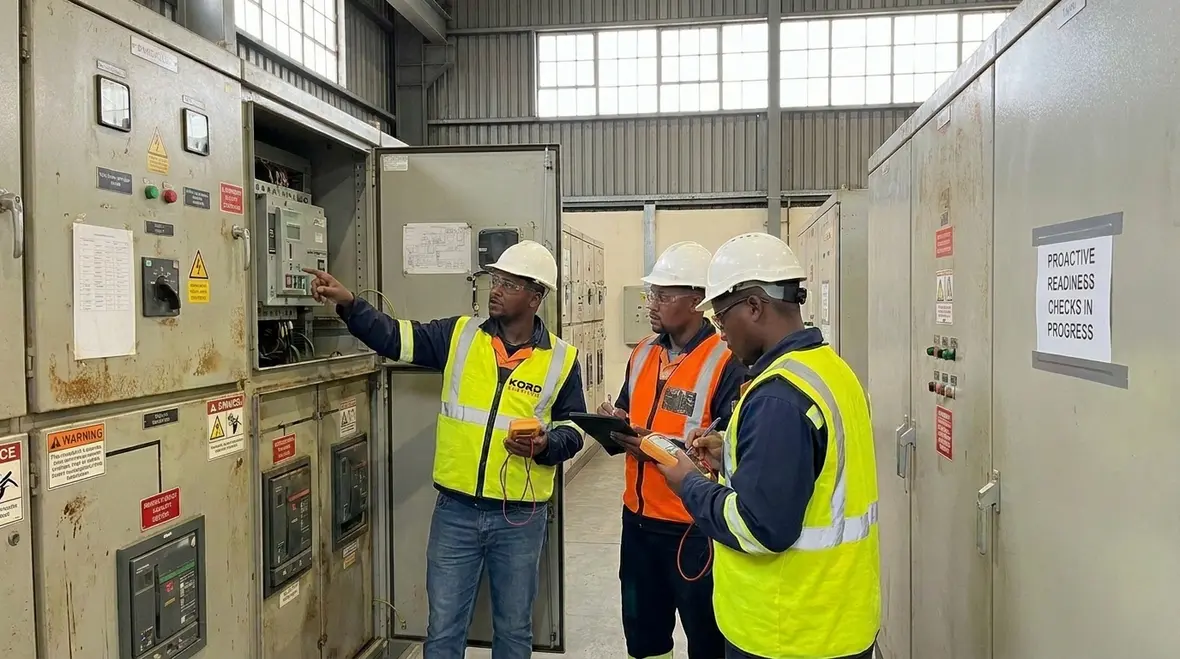
Our experts know that many incident plans sound good on paper, then fall apart when the alarms start. Therefore, we recommend an emergency electrical response protocol that functions like a checklist with authority. It gives operators a clear path from detection to restoration, with minimal guesswork.
First, critical operators must define what counts as an emergency electrical event. For example, we treat abnormal heat at switchgear, nuisance trips that keep recurring, bus bar damage signs, and repeated feeder faults as signals that escalation is needed. Next, we align roles before anything happens. Facilities staff, security, and electrical leadership should know who calls, who documents, and who issues the switch lineup instructions.
Then, we build time boxes into the plan. Operators should have a target window for initial isolation steps, a separate window for verification, and a final window for controlled re-energization. During that process, our service team walks people through safe boundaries, so they stop trying to “feel it out” with human intuition. Humans are great, but they do not replace test equipment.
NFPA 70B alignment and why switchgear maintenance changes emergency outcomes
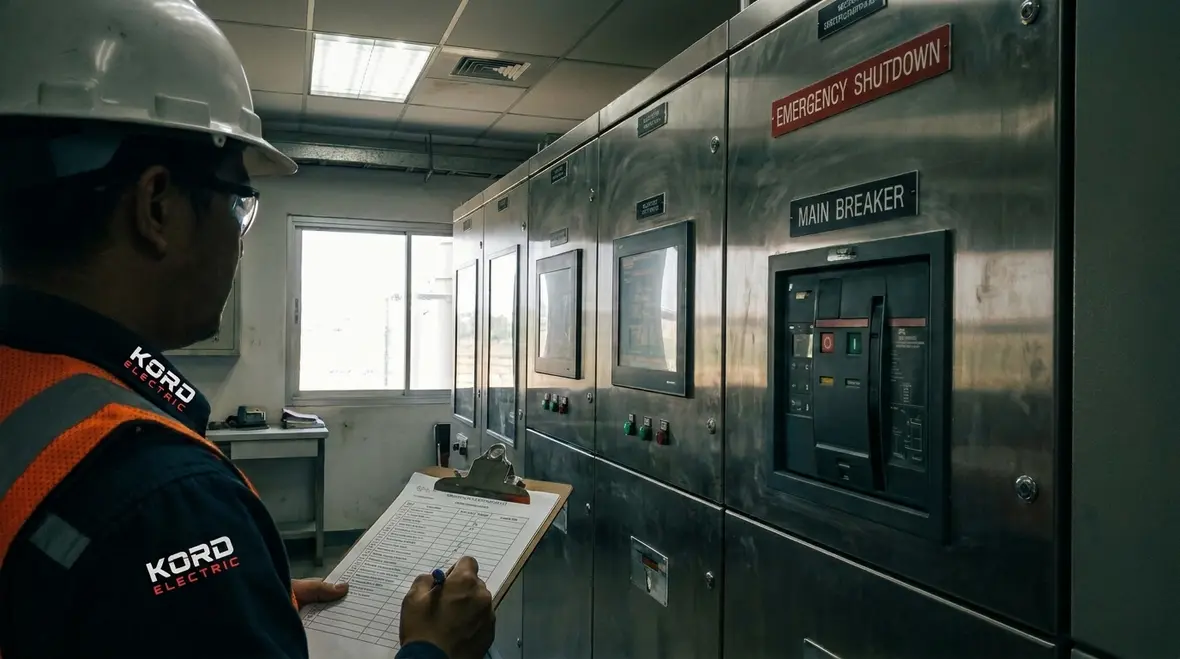
We often see emergency conditions get worse because maintenance history was inconsistent or hard to interpret during stress. That is why we point operators back to NFPA 70B principles and the practical goals behind them. When equipment receives scheduled care and documented inspections, emergency electrical response becomes faster and safer, because the “unknown” shrinks.
In our field work, our technicians connect proactive maintenance to emergency outcomes in a straightforward way. For instance, they verify that electrical panels and switchgear show the right condition indicators. Loose connections, insulation breakdown, and recurring thermal symptoms do not vanish during an outage. They announce themselves earlier through warning signs.
Accordingly, operators that follow a 70B style approach reduce surprise failures. In our own blog coverage on NFPA 70B electrical panels and switchgear maintenance, we emphasize condition based checks, careful attention to protective devices, and documentation that supports troubleshooting. In an emergency, teams need more than “it was inspected sometime.” They need clear records and consistent naming for equipment.
And if anyone tells you maintenance is optional, we politely remind them that optional work is a luxury for people who enjoy replacing equipment twice. For critical operators, we build maintenance discipline so response teams do not inherit chaos.
Detection, triage, and escalation without wasting minutes

Emergency success depends on early triage. Therefore, operators should treat detection like a system, not like a single alarm. Kord Electric supports teams in creating an electrical event intake flow that captures the right information at the right time. We encourage operators to log which alarms triggered, what protective devices opened, which loads were affected, and what changed in the seconds before the incident.
Next, we separate symptoms from likely causes. For example, a breaker trip can come from a fault, but it can also come from deteriorating components that trip under load. Meanwhile, a bus disturbance can create cascading failures if teams re-energize too quickly.
Then comes escalation. Our technicians advise that operators escalate based on thresholds, not vibes. If multiple trips occur within a short time frame, if evidence suggests overheating, or if staff cannot confirm safe isolation steps, escalation should happen immediately. We help operators define those thresholds in advance so escalation remains calm and consistent.
Finally, we coordinate the site response. Electrical repair cannot be isolated from operations. So we link the emergency electrical response workflow with production needs, safety boundaries, and communication channels. That way, teams spend less time arguing and more time restoring power.
Isolation and safe switching, explained by our expert service staff

During critical events, people often try to fix everything at once. That approach turns small issues into big ones. Instead, we teach isolation and switching as a controlled sequence. Our expert service staff explains the logic plainly, and we document the steps so other staff can follow the plan under pressure.
First, operators should establish boundaries. That means confirming the affected equipment, verifying the correct voltage levels, and using safe test practices. Then they isolate the problem segment using designed procedures. Our technicians often emphasize that proper isolation reduces backfeed risks and prevents staff from working in zones they did not intend to enter.
Second, teams must verify. Verification includes checking protective device status, confirming system conditions, and validating that the switch lineup matches the intent of the plan. We also encourage operators to stop the “re-close and hope” habit. If a protective device trips again immediately after re-energization, the system is telling you the problem still exists. Listening is cheaper than repeating.
Third, teams plan re-energization in stages. They apply restoration in a way that helps the system stabilize. That can include bringing critical loads first, then sequencing non essential circuits later based on priority. This process helps prevent voltage dips and cascading trips that extend downtime.
And for those who enjoy pop culture metaphors, think of it like a movie scene where the team does not sprint into danger. They pause, check the map, then move. The map here is testing and procedure.
Restoration planning and load management to keep systems stable
Once isolation is complete, restoration planning takes over. In a high stakes environment, restoration is not just about turning equipment back on. It is about doing it in a way that protects equipment, keeps stability, and avoids repeated faults.
We recommend that operators define restoration categories before an incident. Critical loads usually include life safety systems, process controls, and communications used for operations. Then there are priority loads, followed by non essential loads. When restoration begins, crews follow the category order to reduce stress on feeders and switchgear.
Additionally, we advise monitoring during re-energization. Operators should watch for trends like rising temperatures, abnormal currents, unusual odors, and repeated breaker operations. If signs appear, they stop the process and reassess. That decision protects the system and prevents the next failure from becoming permanent.
Our technicians also help teams handle documentation updates. They track what changed during the incident, what devices operated, and what loads came back when. Later, that record becomes the foundation for corrective actions, not just a story for after the fact.
Meanwhile, operators should plan for contingency if restoration does not stabilize. That might mean keeping certain segments isolated longer, coordinating with temporary power strategies, or adjusting the load sequence. The goal stays the same: stabilize the system and reduce risk while restoring the most important function first.
Post incident review, corrective actions, and better preparedness next time
After power returns, many teams breathe out and move on. That is understandable. However, preparedness improves only when incidents turn into learning. Therefore, Kord Electric supports post incident reviews focused on root cause, documentation accuracy, and corrective actions.
First, we validate the timeline. Operators should confirm what alarms occurred first, what switching steps took place, and how long each phase lasted. Next, we compare that timeline to the emergency plan. If the plan worked, we record what succeeded and make it repeatable. If it did not, we update procedures to close gaps.
Then we complete corrective actions. That may include component replacement, tightening practices, thermal inspection follow ups, or protective device adjustments. It may also include updating labeling, improving system monitoring, or revising restoration thresholds so teams respond faster without shortcuts.
Finally, we train using real incident material. Our technicians explain changes in plain language so operators understand not only what to do, but why it matters. This step makes the next Critical Infrastructure Emergency Electrical Response more efficient, more consistent, and less stressful for everyone involved.
FAQ for emergency electrical response in critical facilities
| Proactive step | Operational benefit |
| Condition based switchgear and panel inspections | Fewer surprises, faster troubleshooting, and safer emergency switching |
| Clear roles and escalation thresholds | Less debate during events and more consistent actions |
| Staged restoration planning for critical loads | Reduced cascading failures and improved system stability |
Ready to strengthen your emergency readiness?
If your facility serves critical operations, you deserve an electrical response plan that stays steady under pressure. Kord Electric helps commercial and industrial operators prepare with proactive protocols, disciplined switching practices, and service guidance from our technicians who explain the steps in plain terms. Contact us to review your maintenance alignment, clarify your escalation approach, and build a restoration path that protects uptime. When the lights go out, we help you keep the mission running. Reach out today and take the next calm step.
For facilities that need more than incident-by-incident help, Kord Electric also delivers structured electrical preventive maintenance programs that support your Critical Infrastructure Emergency Electrical Response plan with real-world data, inspections, and long term system care.
When an outage or electrical fault is already in motion, you can also rely on Kord Electric’s dedicated emergency electrical services to respond quickly, stabilize systems, and support safe restoration in commercial, industrial, and government facilities.