
Electrical System Lifecycle Management for Facilities
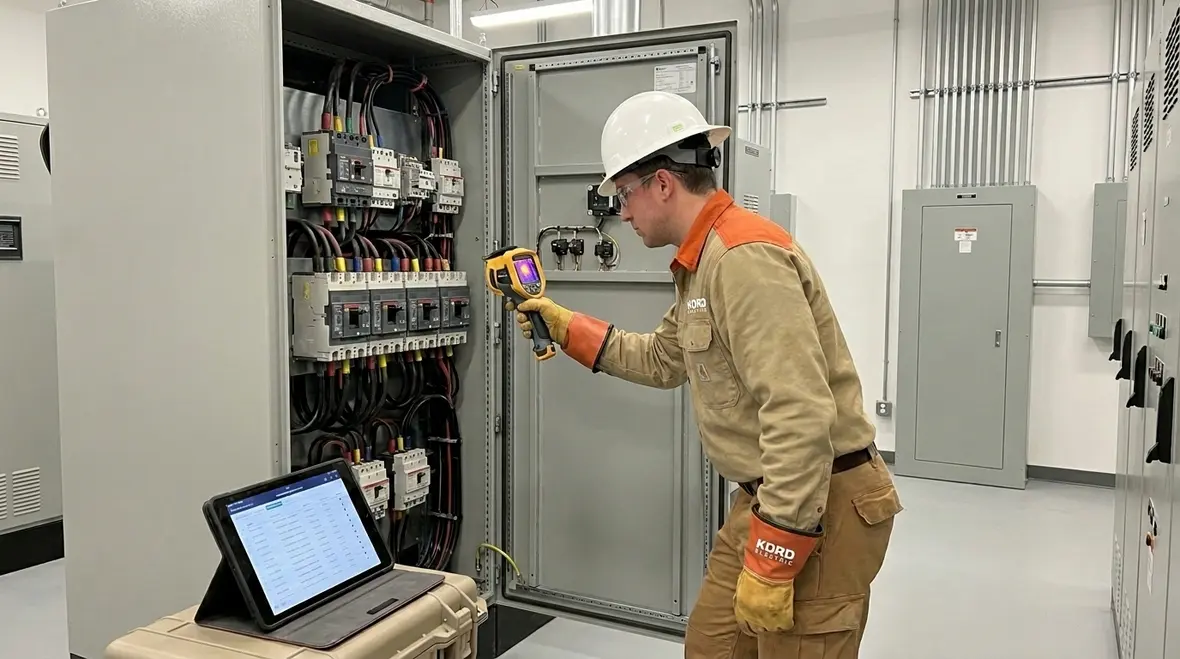
In today’s commercial world, electrical system lifecycle management is not a nice-to-have. It is how Kord Electric keeps commercial and industrial facilities running with less downtime and more predictable costs. We treat electrical systems like important assets, not mysterious boxes that “just work until they don’t.” To do that, we map each system from design and installation through inspections, testing, upgrades, and end of life planning. Then we manage the whole path with clear records, smart schedules, and service plans that match real operating conditions.
So while others may wait for the lights to flicker like a horror movie, we build steady maintenance rhythms. And yes, we also explain what we find in plain language, because nobody should need a decoder ring to understand a switchgear.
Define the full lifecycle, from design to end of life
Commercial and industrial electrical systems do not fail in one dramatic moment. Instead, they wear in stages. As a result, our team starts early by defining the lifecycle stages that matter for major property buildings and industrial facilities. That means we look at the original design intent, the load profile at commissioning, and the real-world changes that follow.
Then we build a lifecycle model that includes:
- Planned maintenance intervals based on duty cycle, not guesswork
- Testing requirements such as load, insulation resistance, thermography, and protection checks
- Documentation updates for one line diagrams, panel schedules, and equipment labels
- Upgrade triggers tied to performance and risk, not just age
Moreover, we verify what the system actually supports today. For example, if a warehouse expands operations or tenants add new equipment, the electrical service may carry a new burden. Therefore, our approach connects the electrical lifecycle management program to operational reality, not a spreadsheet fantasy.

Why lifecycle management reduces downtime for commercial facilities
When commercial sites experience failures, the issue usually shows up as secondary damage. A failing breaker heats up, insulation weakens, a busbar deforms, and suddenly a “minor” electrical problem turns into a costly outage. However, lifecycle management helps prevent that chain reaction.
At Kord Electric, our technicians and expert service staff use a proactive workflow. First, we assess equipment condition and operational risk. Next, we schedule interventions early enough to stop wear from becoming failure. Finally, we track outcomes so we can refine future plans.
To keep things practical, we also account for business constraints. Many facilities cannot shut down on a whim, so we coordinate maintenance windows, temporary power needs, and work sequencing. In other words, we plan like operators, not like spectators.
And if you ever think, “That sounds like a lot,” consider the alternative. Waiting for failure is like refusing to service a fire extinguisher because it looks fine. It may be fine, right up until it is not.
How we assess condition and risk without guessing
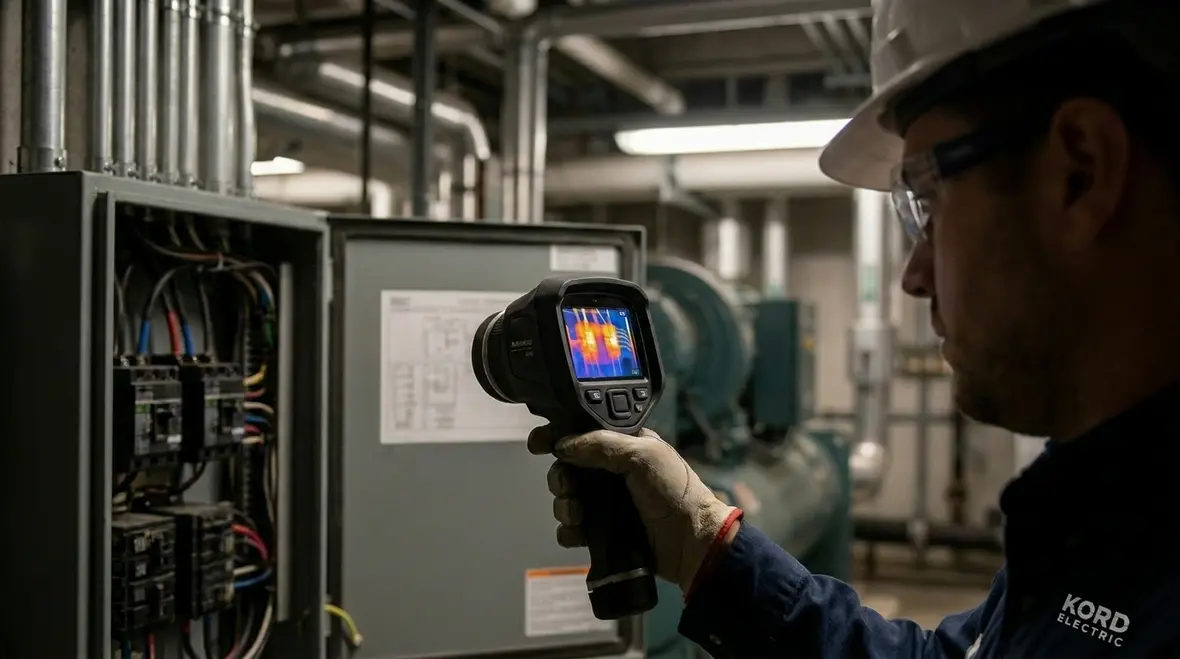
Risk is not an opinion, and condition is not a vibe. So our process uses targeted evaluation methods designed for commercial and industrial environments. We begin with a structured review of existing assets, including equipment ratings, installation history, and prior service records. Then we inspect critical components that typically drive performance and safety issues.
Our expert service staff also pays attention to the subtle signals. For instance, recurring breaker trips, hot spots from loose connections, and nuisance alarms can point to underlying degradation. Therefore, our electrical system lifecycle management program treats these signs as data, not noise.
Typical steps include:
- Thermal imaging to find abnormal heat patterns in panels, connections, and terminations
- Protection system checks to confirm trip settings and coordination behavior
- Insulation testing for cables and switchgear components where applicable
- Arc flash and safety review inputs to guide safe maintenance planning
We then translate findings into a clear risk view. That means we explain what needs attention first, what can wait, and why. Also, we make sure the recommendations align with your operational goals. After all, a perfect plan that ignores tenant schedules and production needs does not serve anyone.
Build lifecycle schedules that match how buildings actually operate
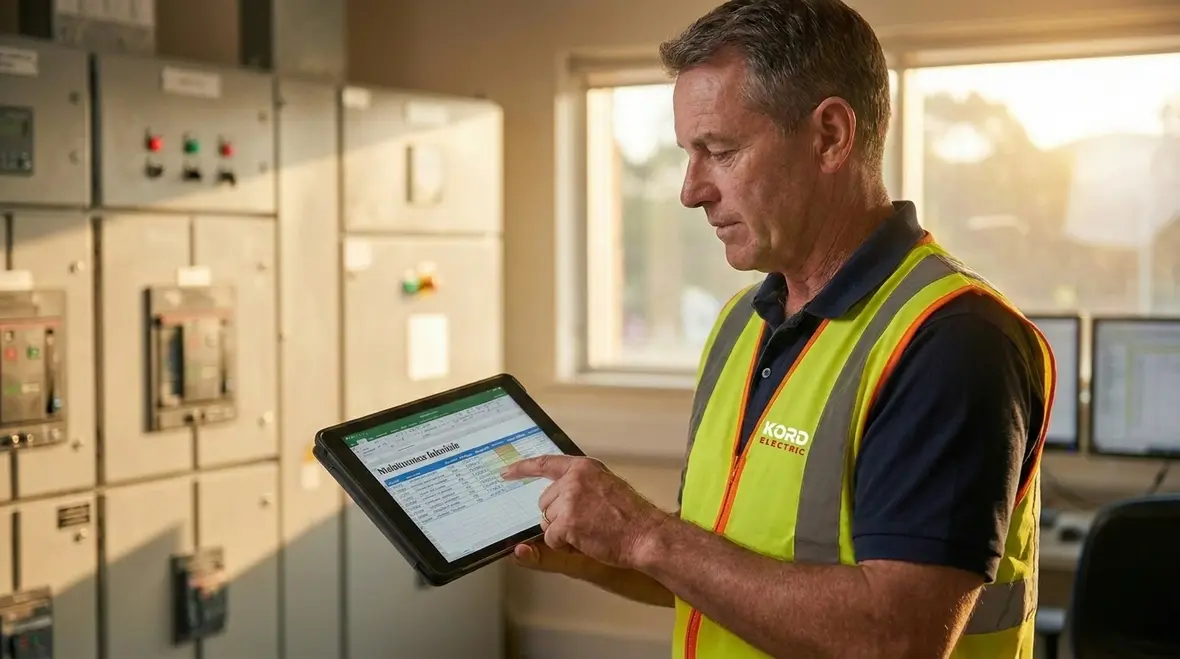
A lifecycle plan only works when it fits the real operating pattern of a major property building or industrial site. For that reason, we structure schedules around actual load, seasonal use, shift changes, and equipment duty cycles.
For example, a data room or critical process area can require more frequent verification of protective devices and cooling support. Meanwhile, a loading dock facility might show different stress patterns due to motor starts and intermittent demand. So instead of copying one generic maintenance cadence, we adjust intervals based on performance data and observed wear.
Next, we incorporate planned upgrades. Sometimes maintenance is not enough. Aging switchgear, outdated protection coordination, or busbar issues may call for modernization. When that occurs, we recommend a staged upgrade path that balances safety, reliability, and budget timing.
Importantly, we also set expectations around downtime and access. We coordinate work packages so we can complete tasks with the least disruption possible. And yes, we communicate clearly, because nothing slows a project like surprises that arrive after the fact. We prefer to surprise you only with how smooth the job goes.
Maintain documentation, labeling, and transparency across teams
In large buildings, electrical knowledge lives in many places. Some comes from facility managers. Some lives with contractors. Some sits in old drawings that no one trusts. To remove that confusion, Kord Electric manages the “paper trail” like it matters, because it does.
Good documentation supports faster troubleshooting, safer maintenance, and more accurate lifecycle forecasting. Accordingly, we help keep electrical system records updated, including:
- One line diagrams that reflect the as built condition
- Panel schedules, circuit maps, and equipment labels
- Test results history with clear pass and fail thresholds
- Maintenance logs linked to equipment and dates
Moreover, our technicians explain findings in a way that helps other teams act. Facility staff often need concise answers: what changed, what it means, and what to do next. So our expert service staff provides explanations that connect electrical observations to operational outcomes. That way, owners and operators can make decisions with confidence instead of guessing.
In short, we reduce friction between the people who own the risk and the people who manage the system. And that is where lifecycle management stops being a concept and starts becoming a stable practice.
Upgrade pathways and end of life planning that protect budgets
Every major electrical system eventually reaches a point where repairs cost more than planned replacements. Yet end of life planning should not happen at the moment of failure. It should start while options still exist.
So we design upgrade pathways that protect budgets and keep operations safe. First, we estimate remaining useful life based on condition indicators and service history. Then, we identify which components should be refurbished, which should be replaced, and which can remain in service with targeted maintenance.
We also consider system compatibility. For example, protection devices should coordinate properly with feeders, breakers, and upstream sources. If upgrades happen in random order, coordination issues can appear later. Therefore, we guide upgrades as an integrated electrical system lifecycle management effort, not as a series of unrelated purchases.
Finally, we plan for future changes. Many facilities expand, reconfigure, or add new process loads. When that happens, lifecycle management allows the electrical backbone to adapt without constant emergency fixes. And nobody enjoys an emergency fix. Not even the guy who says, “Let’s just wire it and hope.” Hope is not a testing standard.
How lifecycle management connects with preventive maintenance and reliability
A strong electrical system lifecycle management program pairs naturally with structured electrical preventive maintenance and reliability initiatives. Instead of treating every inspection or repair as a stand-alone event, we fold each finding into the broader lifecycle model. That means thermal images, breaker test results, and panel inspection notes all feed into one living picture of system health, rather than a stack of unrelated reports.
For facility managers, that linkage makes budgeting and planning much easier. When you can see which panels, feeders, or switchgear sections are consistently trending toward higher risk, you can time upgrades, shutdowns, and capital projects with intention. Over time, this approach turns reactive spending into planned investment, keeping both reliability and cost under better control.
FAQ about electrical system lifecycle management
Ready for a calmer, more predictable electrical future?
Kord Electric helps commercial and industrial facilities manage electrical system lifecycle management with clear schedules, documented results, and upgrade pathways that protect both safety and budgets. If you want fewer surprises, better planning, and service that respects your operating limits, we are ready. Contact Kord Electric today to discuss your electrical assets and build a lifecycle plan that fits your facility. Then you can stop hoping for the best and start managing the system like it deserves.
For facilities across Southern California, our lifecycle approach also connects seamlessly with broader Los Angeles County electrical services, from preventive maintenance and panel upgrades to emergency support. That way, your entire electrical strategy stays unified instead of pieced together project by project.
If you are planning long term improvements, expansions, or simply want a more predictable way to manage risk, lifecycle management gives you a framework that grows with your facility instead of falling behind it.


