Proactive Electrical Maintenance That Drives ROI
Kord Electric helps commercial and industrial facilities protect power before problems grow teeth. In our world, preventative maintenance electrical systems are not a nice-to-have; they are a business tool. We build schedules around how your equipment actually behaves, not how it wishes it behaved. When our team visits, we do more than check boxes. We inspect, test, tighten, document, and explain what we find in plain language, so facility leaders can make confident decisions. And yes, we keep it calm. Think of it like a steady thermostat for your electrical risk, not a fire drill in a trench coat.
How proactive electrical maintenance improves facility ROI
When others only respond after a failure, they treat electricity like a surprise party you never wanted. Meanwhile, proactive electrical maintenance keeps costs predictable. We help reduce downtime by catching issues during early stages, when repairs are smaller and safer. That alone improves ROI, because downtime hits production, service levels, and customer commitments.
Also, proactive care improves the efficiency of your electrical distribution. If connections loosen, cooling systems struggle, or insulation ages faster than expected, your system quietly wastes energy. Over time, the waste becomes a line item large enough to make finance teams reach for their calculators like they are summoning a wizard. With our approach, we identify the causes behind energy losses and fix them before they escalate.
Furthermore, our technicians work with your operating reality. Instead of pulling equipment out of service during peak hours, we align maintenance with your workflow. In turn, your planned outages cost less, last less, and create fewer disruptions. In most facilities we serve, the biggest ROI boost comes from preventing unplanned failures, then stacking savings from reduced energy waste, lower emergency labor costs, and fewer repeated repairs.
What costs money in electrical systems, and how we lower it
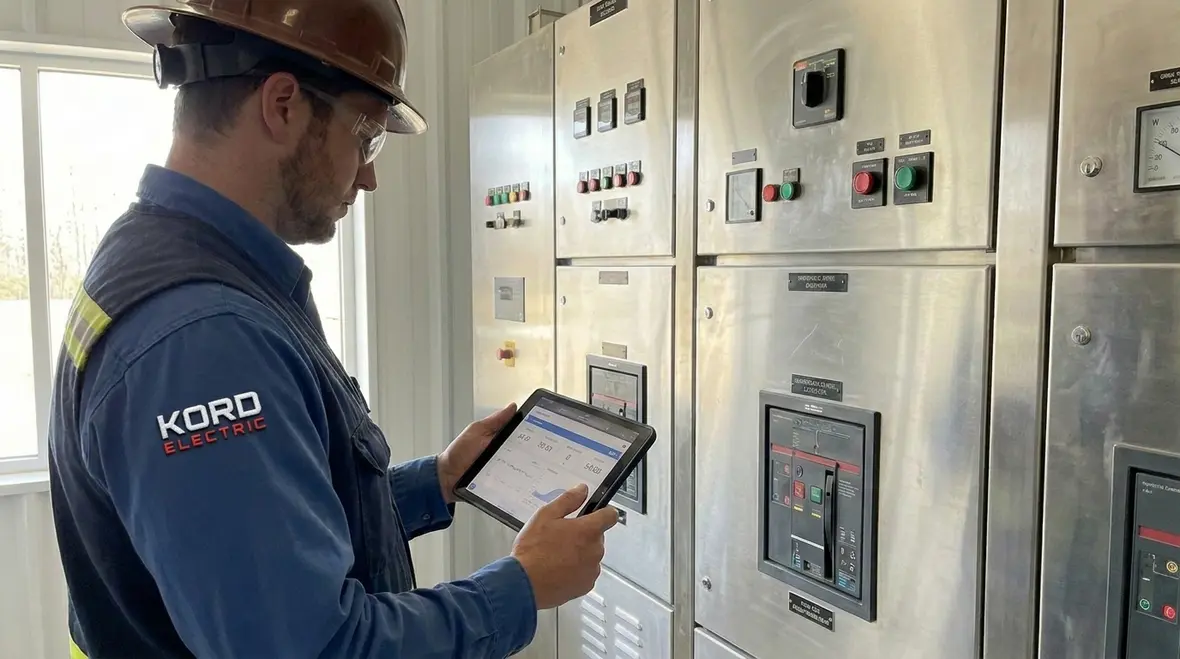
Commercial and industrial facilities often see costs multiply in ways people do not expect. A small defect in a breaker or a failing component can lead to arc flash risk, equipment damage, and cascading outages. Then you pay for more than the repair. You also pay in labor, production loss, expedited procurement, and sometimes investigations that drag on while operations slow down.
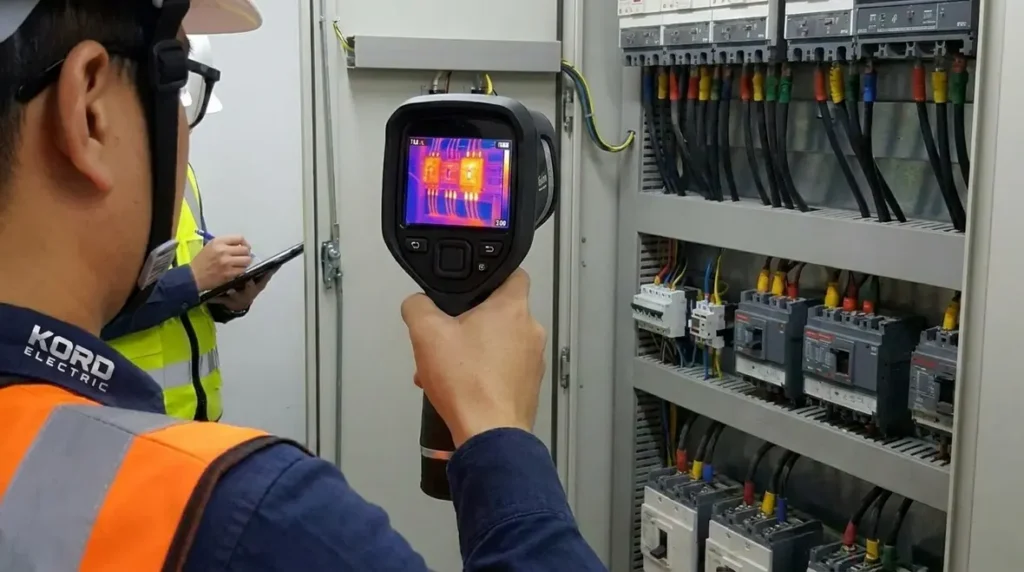
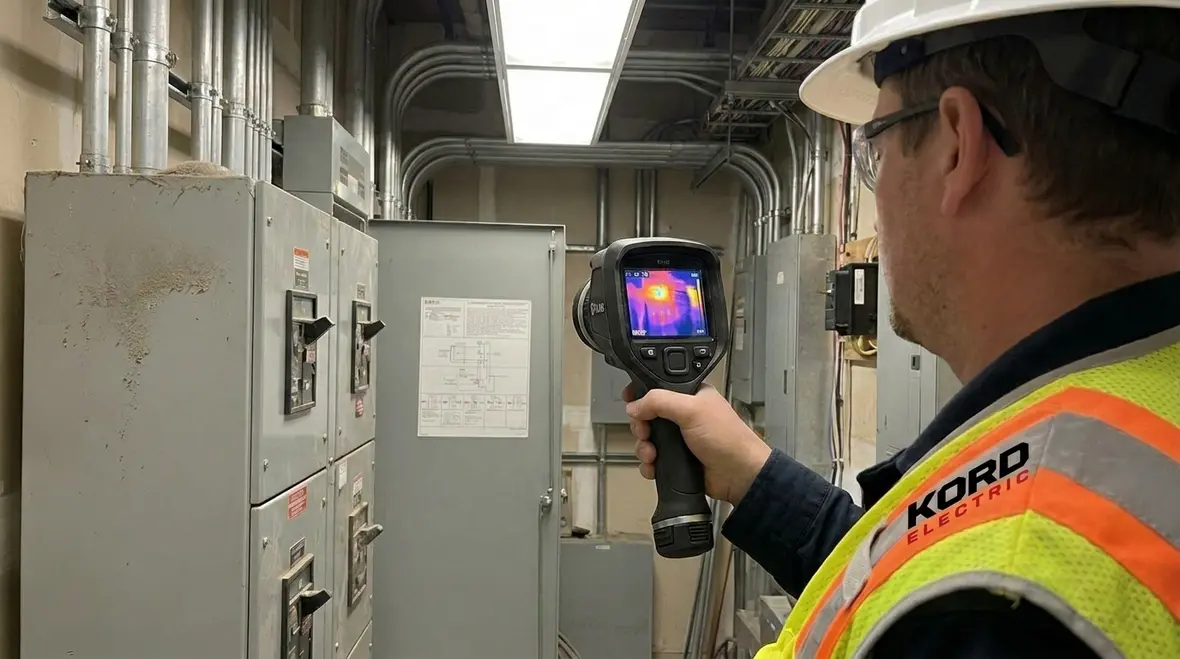
We focus on the hidden cost drivers. For example, we pay attention to heat signatures, contact integrity, moisture intrusion, and insulation condition. When we detect deterioration early, we reduce the chance of catastrophic failure. And when we document findings clearly, your team can track trends and budget with less guesswork.
Meanwhile, facilities also spend money on repeated troubleshooting when issues are not corrected at the source. So, we do not just replace parts. We explain why they failed, and what conditions allowed the failure to form. Our expert service staff communicates these insights so decision makers understand what to fund now, what to monitor later, and what can wait without turning into a future emergency.
For leaders who want to see how structured care plays out over years, our dedicated electrical preventive maintenance programs show how planned inspections, testing, and documentation keep facilities ahead of failures instead of reacting from behind.
Reliability metrics that actually move the needle
ROI improves when you measure reliability in a way that supports action. Otherwise, you end up with reports that look impressive but do not change outcomes. Kord Electric helps facilities use practical metrics such as reduction in unplanned downtime, fewer repeated component failures, improved switchgear and distribution performance, and faster restoration during the few moments something still breaks.
We also help you build a maintenance rhythm. When your preventative maintenance electrical systems are scheduled around critical assets, you reduce “surprise variability.” Then maintenance becomes consistent, and repairs become smaller. That means fewer last minute work orders and fewer nights when operations feel like they are stuck watching a slow movie nobody asked for.
And because our technicians explain test results in plain terms, teams trust the data. We turn testing and inspections into decisions. That trust matters. A facility can have great tools, but if the information does not get used, the ROI stays stuck in neutral.
If you want a deeper look at how those metrics connect to day-to-day decisions, our guide on commercial and industrial electrical maintenance plans walks through how to turn data into a roadmap instead of a static report.
Why planned downtime beats emergency response
Emergency electrical work is expensive, not only because it costs more per hour. It also increases risk. When teams scramble, they may use less than ideal staging, postpone documentation, and delay deeper root cause checks. Plus, your production schedule likely does not care that a transformer decided to retire early.
With proactive maintenance, we plan. We coordinate with facility leadership so work happens when it causes the least disruption. Then, when we need to take equipment offline, the process is controlled and predictable. Planned work improves safety, reduces the chance of secondary failures, and supports faster return to service.
We also help reduce the “replacement carousel.” When a component fails again, others sometimes blame the new part without checking the real condition that caused the original failure. By performing inspections and targeted testing, we help you address the underlying driver, not just the symptom. That is how proactive maintenance turns into ROI, not just activity.
Of course, when something does fail unexpectedly, planned work pays off again. Our structured systems make it easier for our emergency electrical services team to diagnose, stabilize, and restore power faster, because the infrastructure has already been documented and maintained.
How preventive testing extends asset life
Electrical assets age. The question is whether you discover aging before it becomes damage. Preventative maintenance electrical systems support longevity by finding insulation breakdown, deteriorating connections, and component stress before they fully fail. For many facilities, this extension matters because major gear replacements involve major downtime, major labor, and major procurement lead times.
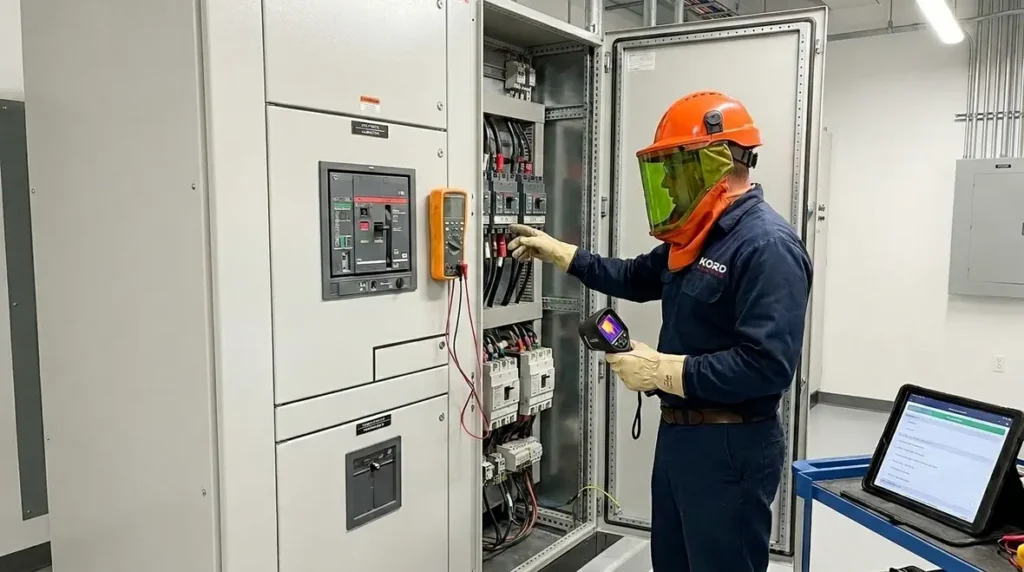
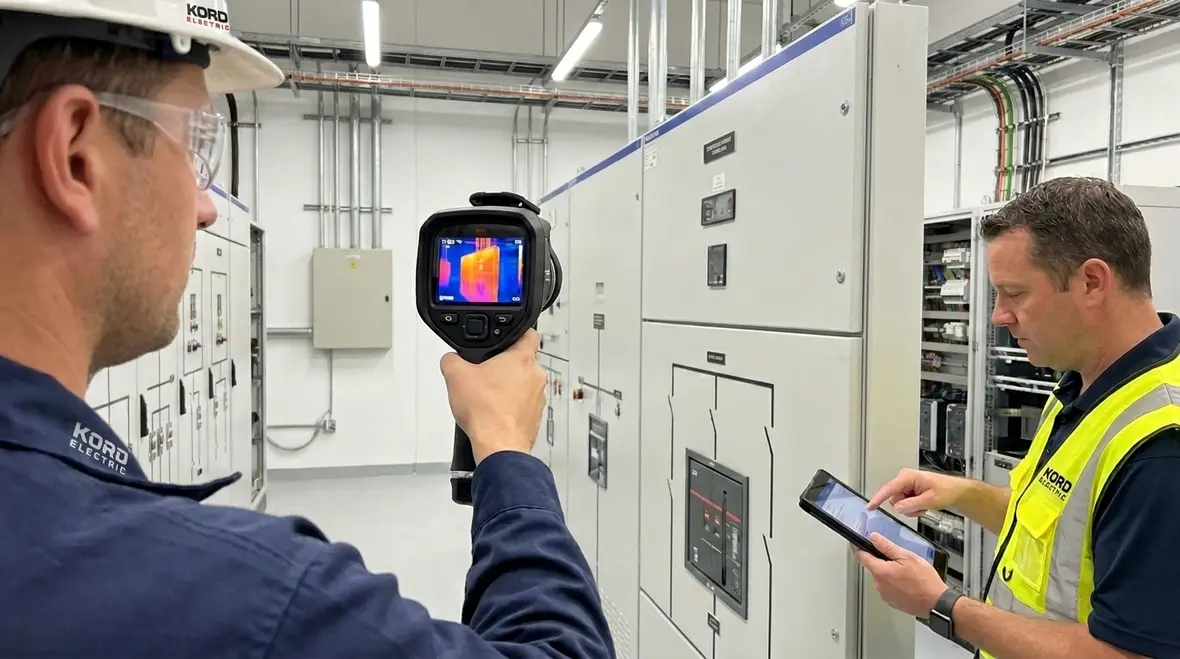
We prioritize testing and condition checks that help reveal early warning signs. That may include examining thermal behavior, inspecting terminations, verifying performance against expected standards, and documenting results for trend analysis. When you treat the system like a living thing you monitor, rather than a machine you ignore, you gain time. And in facility operations, time is money, sleep, and calm.
Additionally, when the condition of assets improves, your entire distribution chain benefits. A problem in one section can cause strain elsewhere. So, preventing failures in upstream equipment helps protect downstream loads. We focus on this interconnected reality to help reduce cascading outages, which is where ROI often gets saved in the real world.
In some facilities, this preventive testing goes hand in hand with strategic upgrades. When testing shows that existing gear has reached its limits, our teams can coordinate with services like electrical panel upgrades and maintenance so the transition to new equipment is planned, not rushed.
Our process: what Kord Electric does, and how we explain it
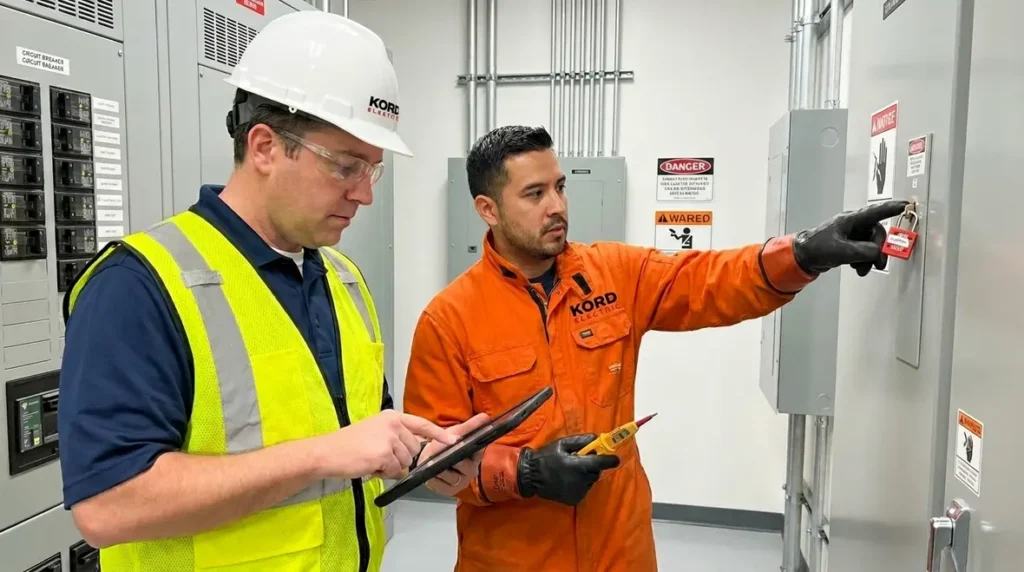
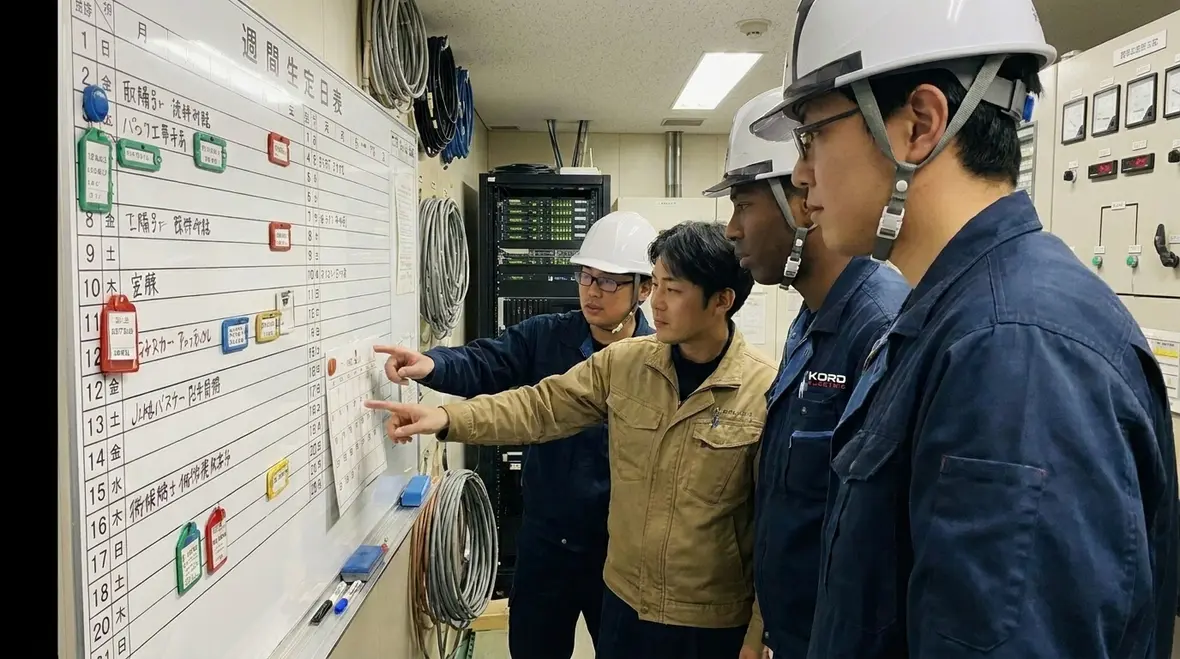
Our technicians do the work, but we also make sure the story behind the work is clear. We start by reviewing your facility needs and critical loads. Then we align our inspections and preventative maintenance electrical systems tasks with how you operate. After that, we test, inspect, and document findings in a way that helps you plan repairs with confidence.
During visits, we communicate what we see and why it matters. We do not talk like a textbook. We talk like your electrical system is on the line, because it is. If we find something that needs attention, we explain the risk, the recommended action, and the expected impact. If we find things that look healthy, we still explain what “healthy” means and what conditions we will watch over time.
Below is how our teams typically structure a preventative maintenance engagement for commercial and industrial facilities.
Step
Site coordination and equipment prioritization
Testing, inspection, and targeted adjustments
Documentation with clear next steps
Review session with facility stakeholders
Why it drives ROI
Reduces disruption and focuses on critical assets
Finds issues before they escalate into outages
Improves planning, budgeting, and trend awareness
Supports faster decisions and better follow through
For facilities that want a more formal structure, our dedicated electrical preventive maintenance service page walks through how these steps scale into multi-site, multi-year programs.
What facilities should budget for, and how ROI shows up
ROI does not appear only as avoided failure. It shows up as reduced total cost of ownership across years. When facilities fund proactive electrical maintenance, they often see improvements such as lower emergency labor spend, fewer overtime callouts, fewer repeat fixes, and less equipment damage. They also tend to experience more stable operations, which keeps production and service commitments on track.
We help you budget intelligently. Instead of pushing a one size plan, we focus on the assets that create the biggest operational risk. Then we schedule work in a way that respects equipment age, load demand, and site constraints. This approach keeps spending focused and prevents “maintenance theater,” where activity increases but outcomes do not.
And when our expert service staff explains findings, leadership can connect maintenance to business impact. That connection helps you secure the right funding level and ensures preventative maintenance electrical systems stay active instead of getting paused when the calendar fills up.
Many facilities also look beyond a single building. If you operate across the region, pairing proactive maintenance with geographically aware support such as Los Angeles County electrical services helps keep standards consistent, no matter which site is calling for help.
FAQ: proactive electrical maintenance ROI for facilities
Take action with Kord Electric
If you run a commercial or industrial facility, you already know that electrical problems rarely stay small. Kord Electric helps you protect operations with proactive preventative maintenance electrical systems that catch issues early, support safer work, and reduce unplanned downtime. Our technicians test, inspect, and then explain everything in business friendly language, so your team can act with confidence. Contact us to review your critical electrical assets and build a maintenance plan that pays back every year, not just during the next emergency.
When you are ready to formalize your approach, our regional teams can align maintenance, troubleshooting, and upgrade work with Los Angeles County electrical services coverage, so every location benefits from the same structured, ROI-focused strategy.