
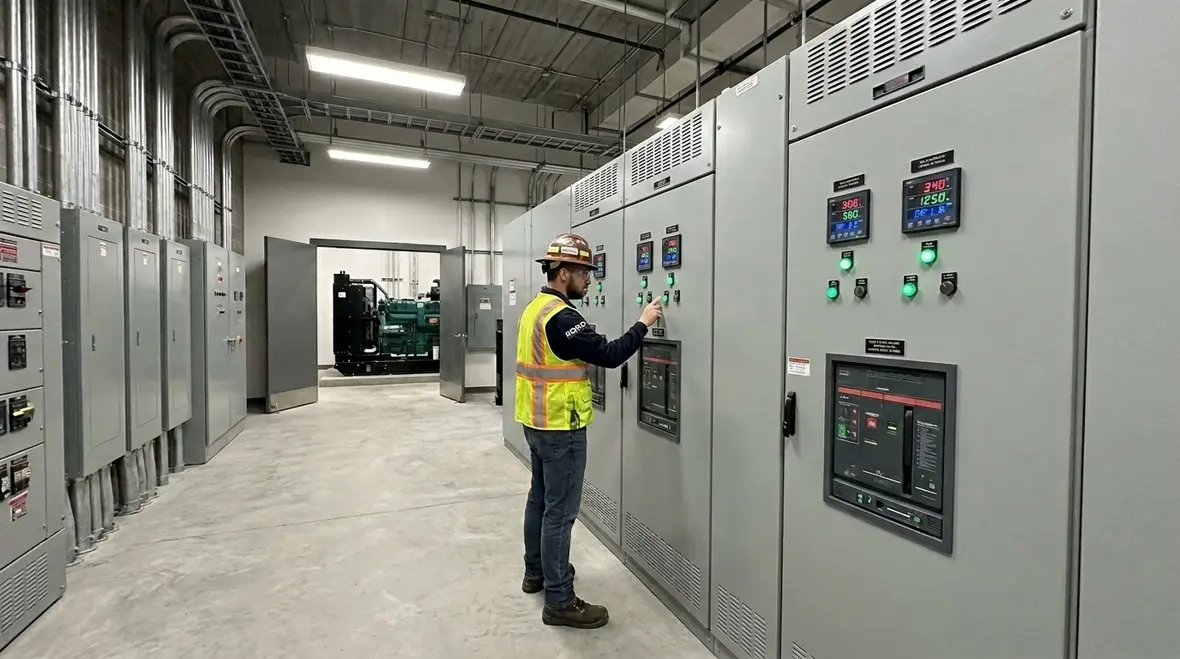
Electrical System Redundancy for Uptime
Kord Electric designs electrical system redundancy for uptime, so commercial and industrial facilities stay running even when something goes wrong. In the first place, we build backup capacity and smart protection so a single failure does not turn into a full shutdown. Then, we coordinate the plan with operations, maintenance, and safety teams so the fix happens fast, not “eventually.” And yes, we know downtime is expensive. Even a short outage can feel like a bad meme that never ends. Our technicians and expert service staff explain the approach in plain language, so stakeholders understand what is protected, what is monitored, and what will switch over when the lights try to quit.
How we plan electrical system redundancy to keep critical loads online
In most commercial and industrial buildings, people think redundancy means copying everything. We do not. Instead, we design redundancy like a well trained security team. First, we identify what must stay alive, like HVAC for process areas, life safety circuits, controls, refrigeration, and building management systems. Next, we map how the facility actually uses power across shifts. Then we decide where backup needs to exist and where it can be delayed without damage.
From there, we layer protection and alternative paths. For example, we separate feeders so a fault on one branch does not drag down an entire floor or process line. Additionally, we design transfer schemes that let loads move to an alternate source. Therefore, the critical systems keep working while repair crews handle the damaged component.
Finally, we test the concept with the reality of plant operations. We consider start up surges, motor loads, and harmonics. As a result, the “backup” does not just exist on paper. It performs when the environment gets busy and electrical demand climbs.
Power paths, transfer schemes, and why switching must be coordinated
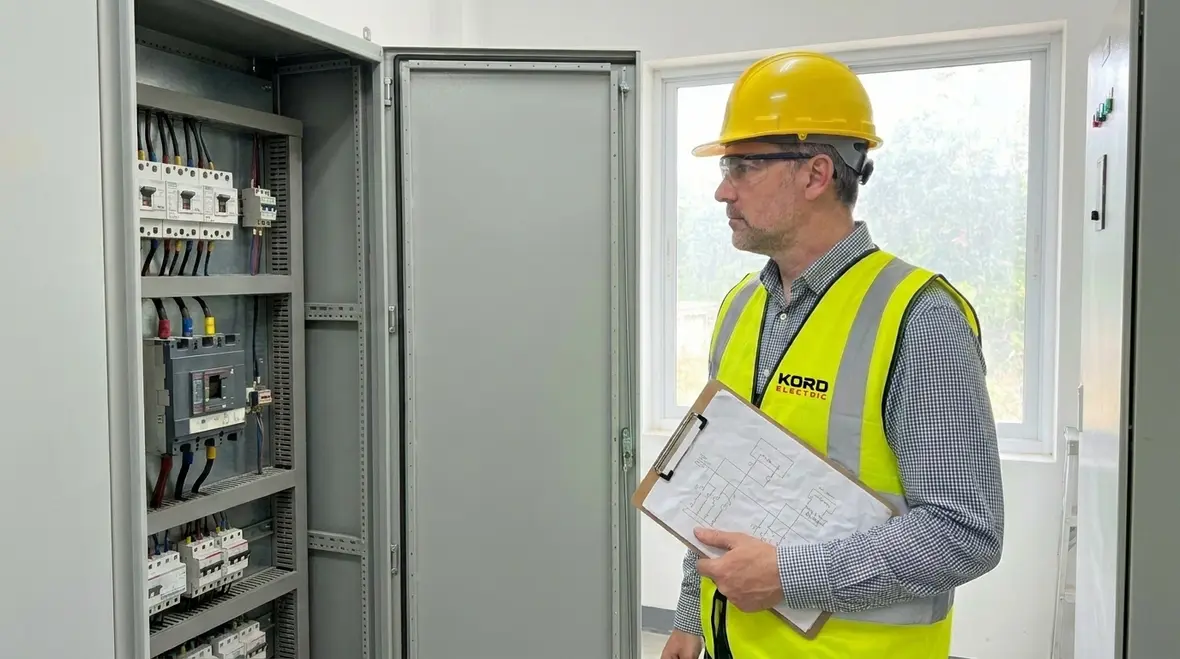
Electrical redundancy for uptime only works if the switching plan is coordinated. So we focus on the full power path, not just the main source. We look at how utility power, transformers, switchgear, and bus sections interact. Then we evaluate what happens during normal operation, planned maintenance, and faults.
Many facilities rely on multiple sources, such as utility feeds or generator support. However, sources alone do not solve downtime. The real win comes when switching happens quickly, predictably, and without causing extra trips. For that reason, we coordinate protective relays, breaker timing, and interlocks. We also ensure that transfer logic respects load priorities so sensitive systems keep power first.
In the field, we often see issues where coordination was treated like an afterthought. Then, during a transition, protective devices operate in ways that create a longer outage than the original fault. Therefore, our electrical design review emphasizes selectivity and sequence of operation.
And if you are thinking, “How bad can it be?” It can be pretty bad. It is like trying to change the channel during a sports game while the remote is stuck. The system tries to help, but it keeps delaying the finish.
Designing for maintenance, not just emergencies
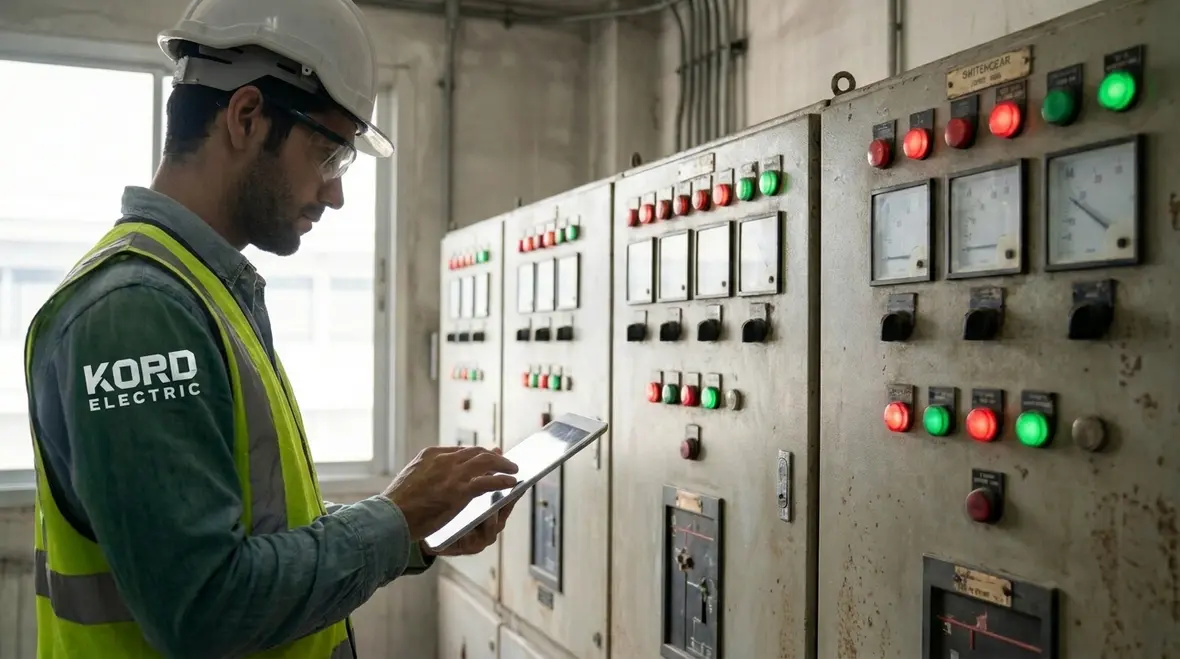
Maintenance downtime can quietly become your biggest cause of lost production. That is why redundancy design should support service work. We plan for safe isolation of components while keeping critical circuits fed. For example, we use breaker arrangements and bus configurations that allow sectionalizing. Then, when a device needs replacement, the facility does not have to go dark.
Additionally, we design for clear operational steps. Our expert service staff explains sequences in a way that maintenance teams can follow without guessing. We outline what to lock out, what to verify, and what indicators confirm stable transfer. As a result, the team spends less time troubleshooting and more time repairing.
We also plan spare strategy. If a breaker fails, the right replacement should be ready. If a controller fails, the software and settings should be recoverable. Therefore, downtime shortens because restoration follows a known path, not a scramble.
And because maintenance ties directly into reliability, many facilities also lean on structured electrical preventive maintenance programs to keep inspection, testing, and documentation on a predictable schedule instead of waiting for the next surprise.
Monitoring and controls that prevent “surprise” outages
Next, we reduce downtime by catching problems early. We use monitoring that tracks key electrical parameters such as voltage stability, current trends, breaker status, and alarm events. Then, we set up alerting so issues reach the right people before the system escalates into a shutdown.
Smart controls also support proper redundancy. For instance, we confirm that a transfer is actually ready before it occurs. We also ensure that interlocks prevent unsafe backfeed. And we validate that the logic prioritizes loads in the way the facility needs.
When our technicians work on a site, they explain what the monitoring shows and why it matters. They walk teams through common scenarios, like nuisance alarms, sensor faults, and load ramp behavior. That way, the facility does not treat every notification like a fire drill. It responds with calm accuracy.
Lessons from EV charging layouts: redundancy thinking applied to new loads
Commercial sites increasingly add new electrical demand. EV charging is one of the biggest examples. When a property installs chargers, the facility needs planning so charging does not overload feeders, trip breakers, or force shutdowns. Our approach at Kord Electric mirrors our redundancy mindset: we size conductors, design breaker protections, and plan capacity so the building stays stable.
In fact, the same discipline shows up in our EV charger installation work. When we evaluate a site, we look at existing electrical capacity, panel schedules, and how charging will scale. Then we recommend the right electrical configuration and load management approach. That way, the facility adds charging without turning power distribution into a game of chance.
Moreover, we coordinate charger placement with site access and safety requirements. We also plan for future growth so upgrades do not require full system rewiring. In other words, we treat new load as part of the redundancy plan, not an afterthought.
So while EV charging may feel like a modern problem, redundancy principles apply the same way. The building stays ready. The operations team stays confident. And the only thing that should “switch” is the power to the charger, not the whole facility. That is the goal.
Common redundancy mistakes we help facilities avoid
Even good designs fail when they skip practical details. First, some teams specify multiple sources but forget about coordination. Then protection and relays do not behave the way the system logic assumes. Next, others build redundancy but ignore how loads behave during transitions. A motor starting at the wrong time can create a voltage dip and trigger a chain reaction.
We also see mistakes in documentation. If the facility does not have accurate one line diagrams and sequence of operation records, troubleshooting slows down when problems occur. Therefore, we keep drawings clear and update them after field changes.
Another issue is inadequate testing. The redundancy scheme should be exercised under controlled conditions. During test events, teams can confirm transfer timing, verify alarm behavior, and observe stable voltage and frequency. Additionally, we confirm interlock operation so safety stays intact.
Finally, some facilities assume an installed system will “learn.” It will not. Components age. Sensors drift. Settings require review. So we set a routine maintenance and inspection plan. That way, electrical system redundancy for uptime stays real, not hopeful.
For facilities across the region, tying that planning into broader Los Angeles County electrical services support helps ensure local code compliance, utility coordination, and long term performance are all addressed in one unified strategy instead of scattered projects.
FAQ
Next steps: build redundancy with Kord Electric
If your commercial or industrial facility needs fewer unplanned shutdowns, Kord Electric can help you design electrical system redundancy for uptime the right way. First, our team reviews critical loads, power paths, and switching behavior. Then, we coordinate protections and controls so transfers stay smooth under real conditions. Finally, our technicians and expert service staff explain the plan clearly and support practical testing and maintenance. Contact Kord Electric today to start an assessment and build a system that keeps running when others would go dark.
When you are ready to put that plan into motion, you can also explore related support such as dedicated electrical preventive maintenance programs that keep inspections, testing, and reporting aligned with your redundancy goals instead of treating uptime as a one time project.
And for facilities layering in new infrastructure like EV charging, lighting upgrades, or targeted repair work, coordinating those projects with your redundancy roadmap helps ensure every change supports uptime instead of quietly undermining the protections you already invested in.


