Industrial Electrical System Surge Protection
At Kord Electric, we see what happens when power spikes hit real industrial life. Our industrial electrical system surge protection approach helps safeguard expensive motors, drives, PLCs, SCADA gear, HVAC systems, and the “please do not let this go down” machinery that keeps businesses moving. And yes, surges are sneaky. They often arrive from lightning, utility switching, bad load changes, or even internal faults that look harmless until the equipment pays the bill. That is why we build surge protection strategies the way others build raincoats. You do not buy one and hope. You plan, you install, and you keep checking. Then, when the storm tries to jump the fence, your systems hold the line.
What causes surges in commercial and industrial sites?
In industrial settings, surges come from both outside and inside the building. Outside events include lightning strikes and nearby utility faults. However, even when the sky stays calm, the electrical network can still create trouble. For example, when the utility switches feeder lines, the voltage can jump for a split second. Then, those peaks travel through conductors like gossip in a factory break room: fast, loud, and hard to stop.
Inside the facility, surges often show up when loads switch on and off. A large pump starting, a motor changing speed, welding equipment kicking in, or a transformer tap adjustment can create voltage transients. Additionally, ground faults and insulation breakdown can push abnormal energy into circuits. Over time, equipment wear increases, and the site learns a painful lesson: the “brief” event was not brief for the electronics.
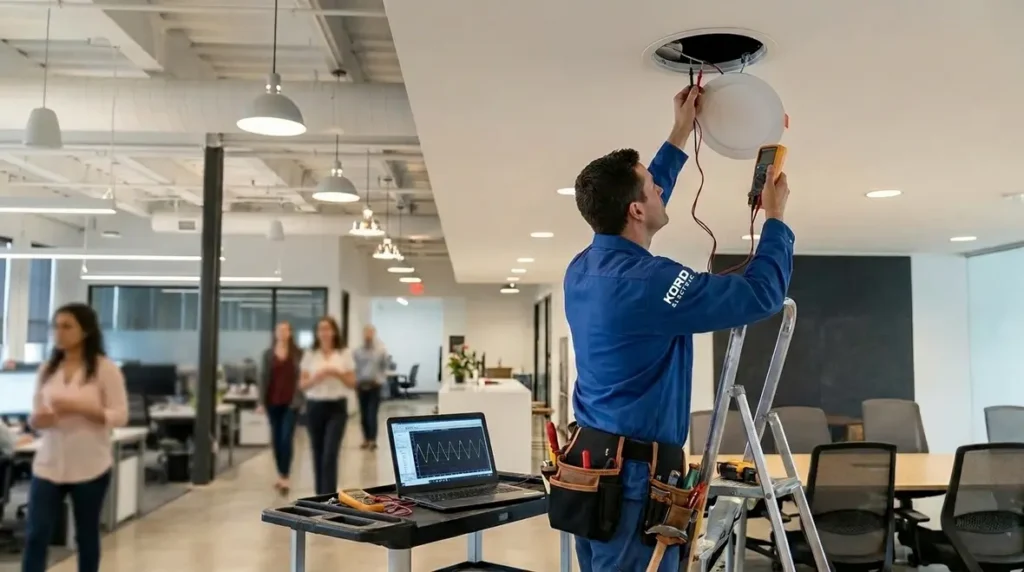
To manage this, our expert service staff explains the site’s power behavior using real measurements and practical observations. Then, we connect the data to protection design, instead of guessing with generic parts. That is how we keep industrial systems safe without turning the electrical room into a science fair.
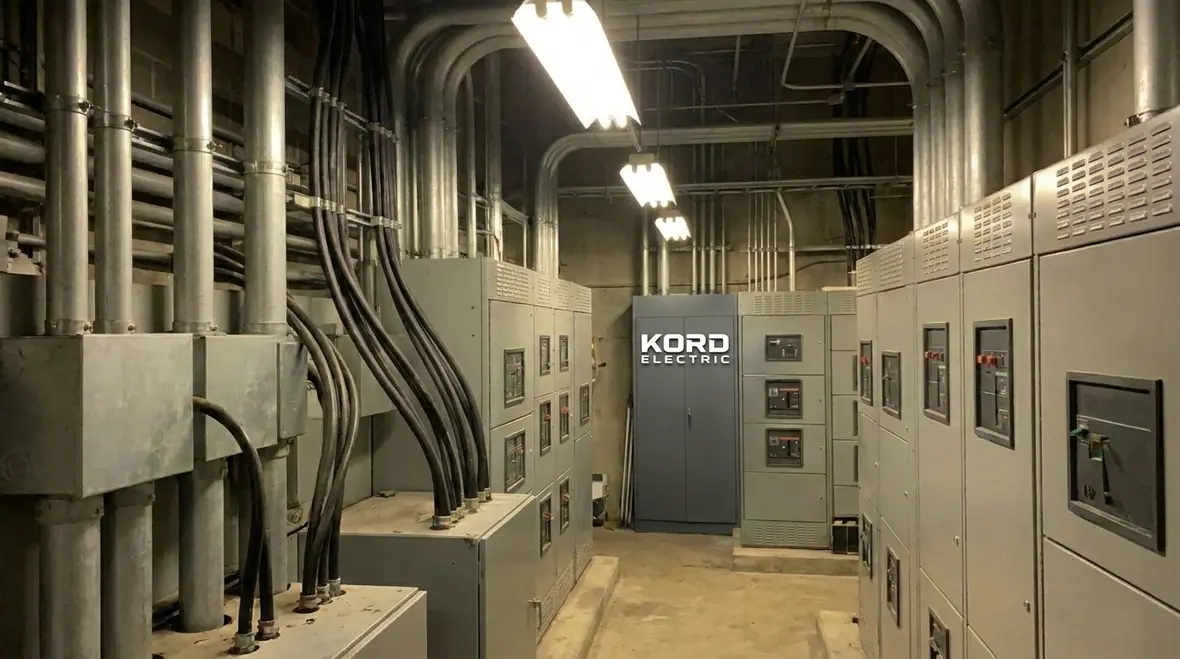
Why surge protection fails when it is treated like a one time install
Many facilities install surge devices during construction, then treat them like a set it and forget it appliance. But surge protection needs ongoing attention because the components age. When surges hit, protection parts absorb energy. Each event costs something, even if the equipment still powers on. After enough hits, the protection capacity drops, and the next event may punch through.
Also, some sites add new equipment later. New drives, refrigeration systems, EV chargers, machine tools, or backup generators can change the surge path. Thus, a surge strategy designed for an earlier layout may not protect the new circuits the same way. As a result, protection that once worked can become mismatched to the current risk.
Our technicians do not just install devices. We also support preventive maintenance, because protection is only as good as its condition. If a device shows signs of end of life, we replace it before it becomes a decorative component. Think of it like changing a fire extinguisher before it becomes a museum exhibit.

Layered protection that actually shields sensitive equipment
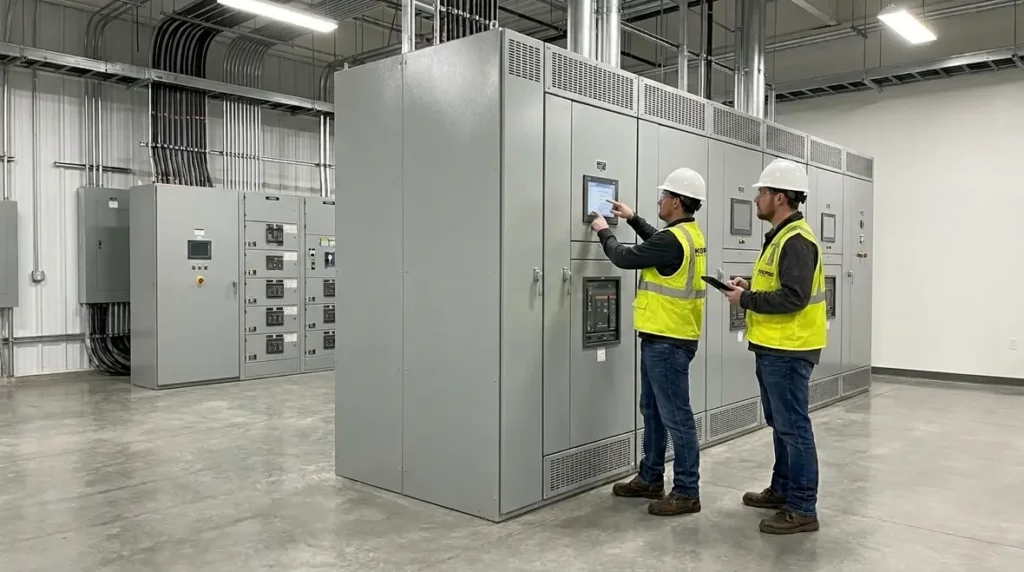
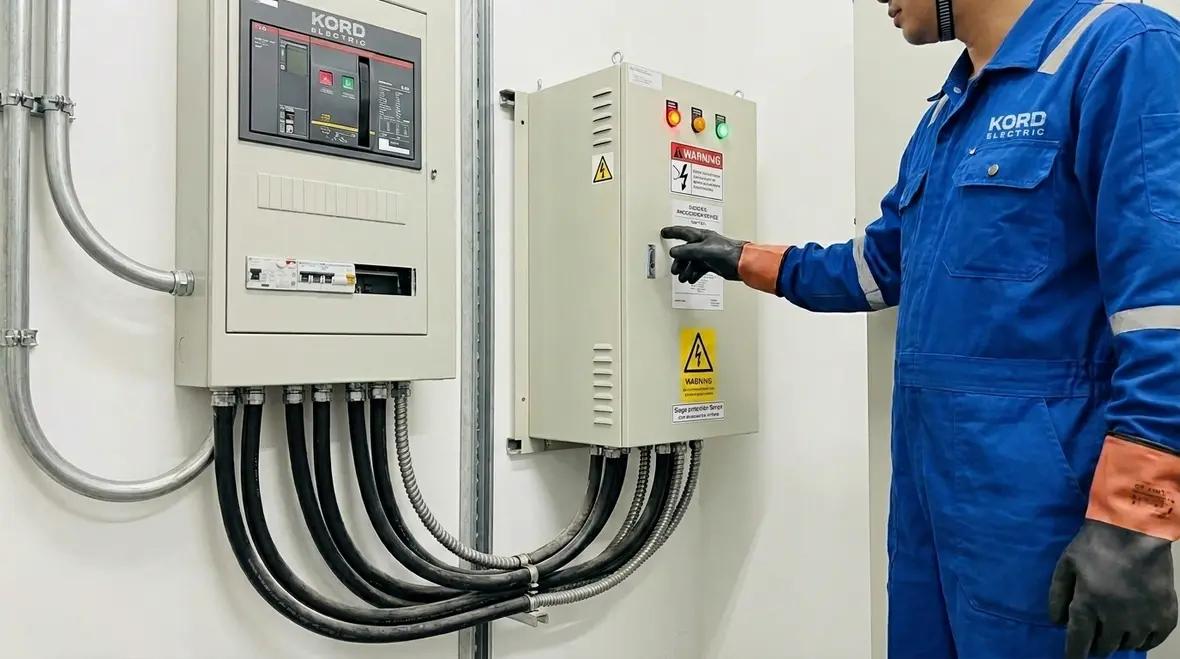
A strong program does not rely on one device. Instead, it uses layered approaches that match energy levels, wiring paths, and equipment sensitivity. We design protection in tiers, typically at service entrance levels and closer to panelboards and equipment.
First, we address the biggest incoming events. Then, we control faster transients along feeders. Finally, we protect sensitive loads with localized devices. This layered design helps reduce the voltage that reaches electronics like PLC inputs, communication modules, and variable speed drives.
Our team coordinates the protection with grounding and bonding, because without a solid reference point, the surge has more ways to roam. Proper bonding helps keep voltage differences small between metal parts. Proper grounding helps energy flow safely. When these elements work together, industrial electrical system surge protection becomes a system, not a single component.
To keep it grounded in reality, our technicians review electrical drawings, panel schedules, and field conditions. After that, we confirm conductor routing and connection quality. That last part matters. A loose connection can turn “protection” into “performance art.”
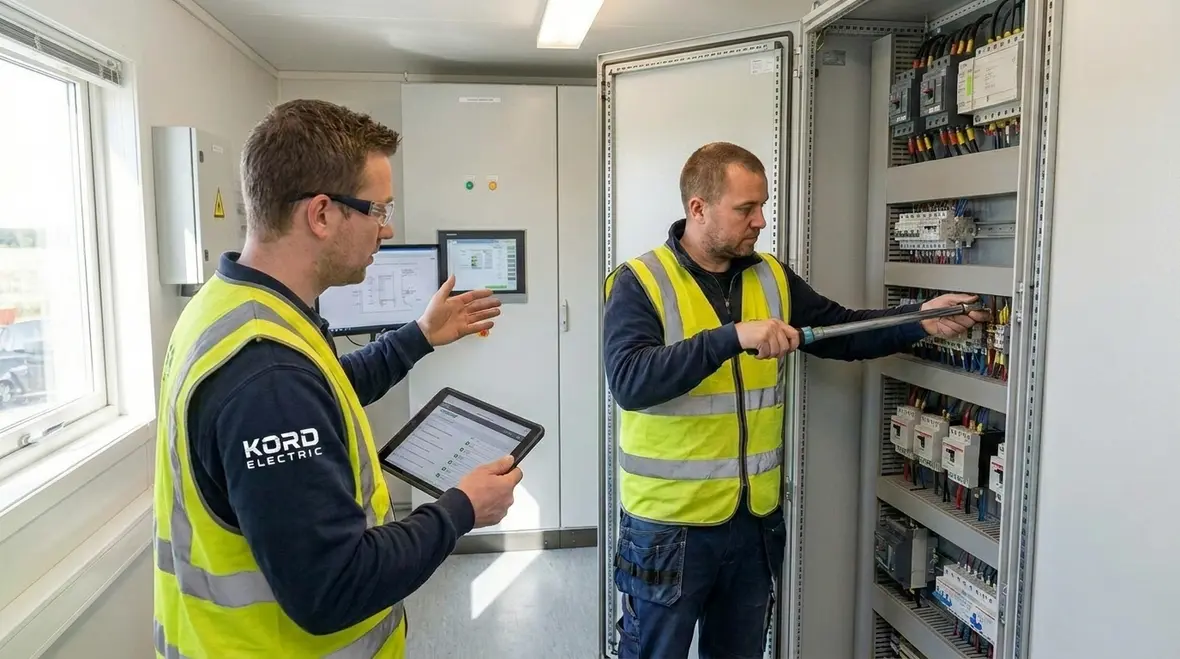
How preventive maintenance supports surge protection reliability
Kord Electric supports commercial and industrial facilities with preventive maintenance that fits real schedules, not fantasy calendars. We connect your surge strategy to inspections, testing, and documentation so you can track what happened and what changed. And because electrical systems age in layers, we check the whole chain, not just one breaker.
Our process aligns with the preventive maintenance focus we share for electrical systems, including routine inspections and attention to components that wear over time. You can explore our guidance here: electrical preventive maintenance services. Then, we tailor it to your facility size, equipment criticality, and operational demands.
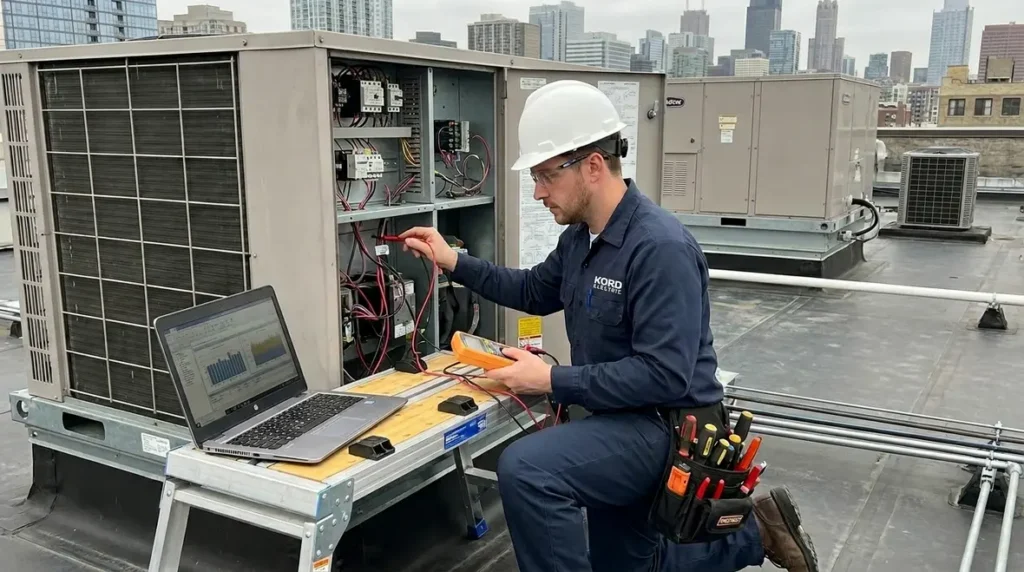
During maintenance, our expert service staff looks for common risk signals. For example, we check for damaged surge devices, failed indicators, and signs of overheating. We also verify that connections remain tight and corrosion does not build up at terminals. Additionally, we confirm grounding integrity and look for changes in the site that could shift surge paths.
In short, we treat surge protection like a guard assigned to a post. If you never check their gear, you are not protecting anyone. You are just hoping. And hope is not a standard engineering method, even if it feels comforting during a power outage.
Design choices that reduce damage to motors, drives, and controls
In many industrial plants, the real cost comes from what the surge damages, not from what loses power for a second. Motors, variable frequency drives, and control circuits can suffer internal stress that shows up later as faults, downtime, or reduced life. Therefore, protection must reflect the way these loads behave.
For motor circuits and drive feeders, we focus on transient control and coordinated protective devices. We pay attention to cable routing, separation from noisy conductors, and how the system handles switching events. For control and communication circuits, we apply targeted measures that reduce the energy reaching low voltage interfaces.
We also consider how your facility uses redundancy and how critical your process is. For example, a chilled water system may tolerate brief instability more than a packaging line or a kiln control loop. So, we prioritize protective coverage where failure is most expensive and recovery takes the most time.
Our technicians explain the plan in plain terms. They walk through why certain panels get higher focus and why certain loads need extra attention. Then, they help the facility manager understand how the protection fits into a bigger preventive strategy. If you want the elevator pitch, it is simple: we reduce stress on equipment before failures happen, and we document our choices so others can support the system later.
What to ask about when selecting a surge protection partner
Choosing a provider should not feel like shopping for a magic wand. A good partner will ask questions, measure the site, and build a practical plan. You should expect a team to explain how protection works for your specific electrical system and how it connects to maintenance.
Here are points we recommend commercial and industrial leaders raise right away. First, ask how the provider evaluates your incoming power and internal switching conditions. Then, ask how they plan for layered devices at different locations. Next, request details about grounding, bonding, and connection quality. Finally, ask how they handle monitoring, inspections, and device replacement over time.
Our expert service staff supports this with clear communication and on site work that respects your operation. We plan outages or access windows with care, especially for major property buildings where downtime cost hits hard. In other words, we do not just protect equipment. We protect your schedule.
How surge protection fits into broader electrical reliability
Industrial electrical system surge protection works best when it is part of a bigger reliability plan. In commercial and industrial facilities, surges often travel alongside other power quality problems such as voltage fluctuations, imbalance, and harmonics. When we evaluate a building, we look at how surge events combine with these issues, not as isolated curiosities but as real contributors to equipment wear and unplanned downtime.
That means correlating surge activity with symptoms in the field. Nuisance trips on drives, mysterious PLC resets, or premature failure of contactors can all hint at a deeper problem. Instead of simply swapping the failed component, we trace the conditions that damaged it. Then we match protective devices, grounding adjustments, and wiring improvements to those conditions, so the replacement does not step into the same storm without a raincoat.
For facilities that already rely on documented maintenance programs or are exploring structured plans, integrating surge protection into that framework helps create consistency. Inspections move from “when someone remembers” to “when the schedule calls for it,” and surge protection moves from a box on the wall to an asset on the checklist. Over time, that shift shows up in fewer emergency calls, steadier operations, and a clearer record of how the electrical system evolves.
If your facility team is already working through broader reliability topics like voltage fluctuations, equipment coordination, or compliance with current electrical standards, this is an ideal time to align surge protection with those upgrades. A coordinated plan reduces redundant work, simplifies future troubleshooting, and keeps documentation aligned with real field conditions.
Connecting surge protection with industrial service coverage
Because industrial electrical system surge protection lives at the intersection of design, installation, and maintenance, it also benefits from choosing a partner who understands your region, your codes, and your operational reality. For facilities in and around Los Angeles County, that means working with a team that already supports commercial and industrial electrical services across the county and understands how different buildings, tenants, and processes share the same grid.
Surge planning also ties naturally into other service offerings that matter for uptime. Preventive inspections, emergency response, and system upgrades all touch the same panels and distribution paths that carry surge energy. When one provider handles those areas together, coordination becomes simpler. Field notes line up. Drawings stay current. And when equipment changes, surge protection revisions can ride along with scheduled work instead of arriving as a separate, disruptive project.
For commercial and industrial teams that want a regional partner who can help keep motors, drives, lighting, and controls running steady, exploring broader Los Angeles County electrical services is a practical next step. It connects the day to day reality of your facility with the specialized expertise needed to keep power quality challenges, including surge events, under control instead of in charge.
FAQ
| Protection Focus | What We Check |
| Incoming and service entrance | Energy paths, coordination, and proper placement |
| Feeder and distribution panels | Transient control and connection integrity |
| Sensitive equipment circuits | Targeted protection and load compatibility |
Call Kord Electric for a surge protection plan that holds up
At Kord Electric, we help commercial and industrial facilities protect motors, drives, controls, and critical processes with a layered surge protection strategy backed by preventive maintenance. Our technicians explain the plan clearly, install carefully, and support ongoing checks so your protection stays reliable, not hopeful. If you want fewer faults, fewer downtime events, and better peace of mind during storms and switching moments, contact us. We will review your site and recommend a practical path forward for your facility.
If you are planning broader upgrades or need responsive support alongside industrial electrical system surge protection, our team can also coordinate with services such as electrical preventive maintenance and 24/7 emergency response so your facility has both long-term protection and reliable backup when something unexpected happens.
When you are ready to align surge protection with a full industrial and commercial electrical strategy, our service team is here to help you turn “we hope it holds” into a documented, tested plan that actually does.
To learn how surge protection, preventive maintenance, and regional coverage across major commercial and industrial properties can work together for your operation, reach out to our team and schedule a review of your facility’s power, equipment, and risk profile.