Emergency Electrical Preparedness Plans for Business
At Kord Electric, we take emergency readiness personally, because when power fails, businesses do not get a “do over.” That is why we build Emergency Electrical Preparedness Plans that help commercial and industrial facilities keep critical systems running, protect people, and shorten the time from chaos to control. Others may treat emergency planning like a checkbox, but we treat it like a safety system. And yes, the paperwork can be boring, like watching paint dry. Yet done right, it keeps the lights on when the unexpected shows up, uninvited, like a pop quiz from an old teacher. In the pages ahead, we explain how our team designs plans that work in the real world, not just on paper.
Start with the right risk map for commercial sites

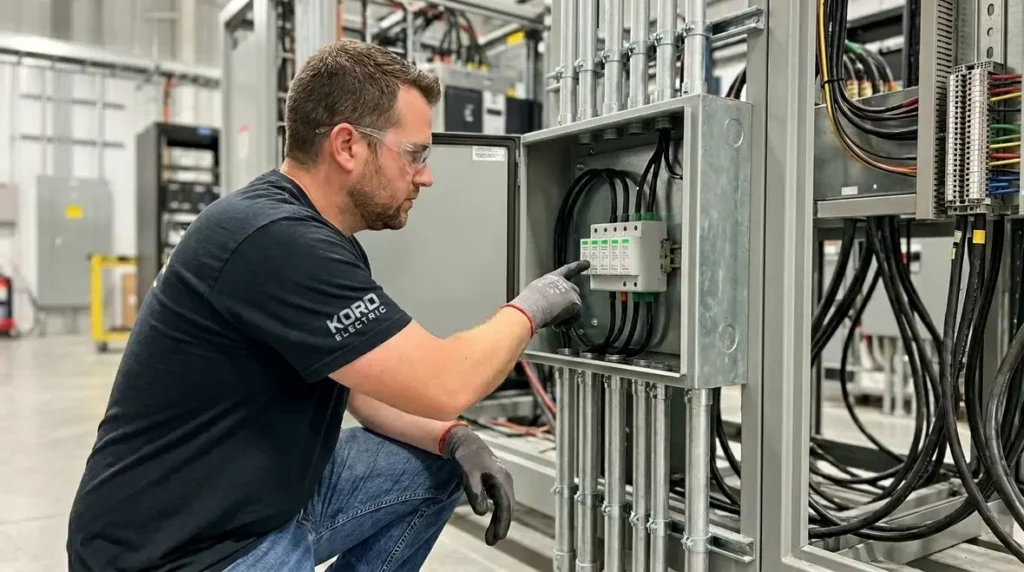
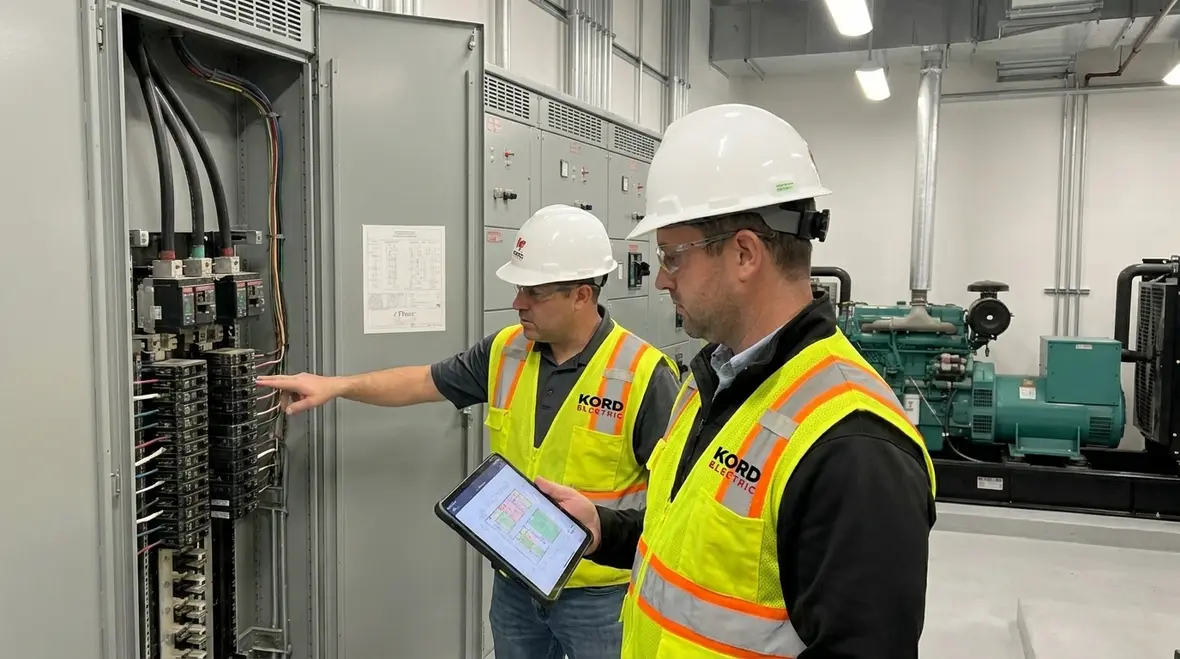
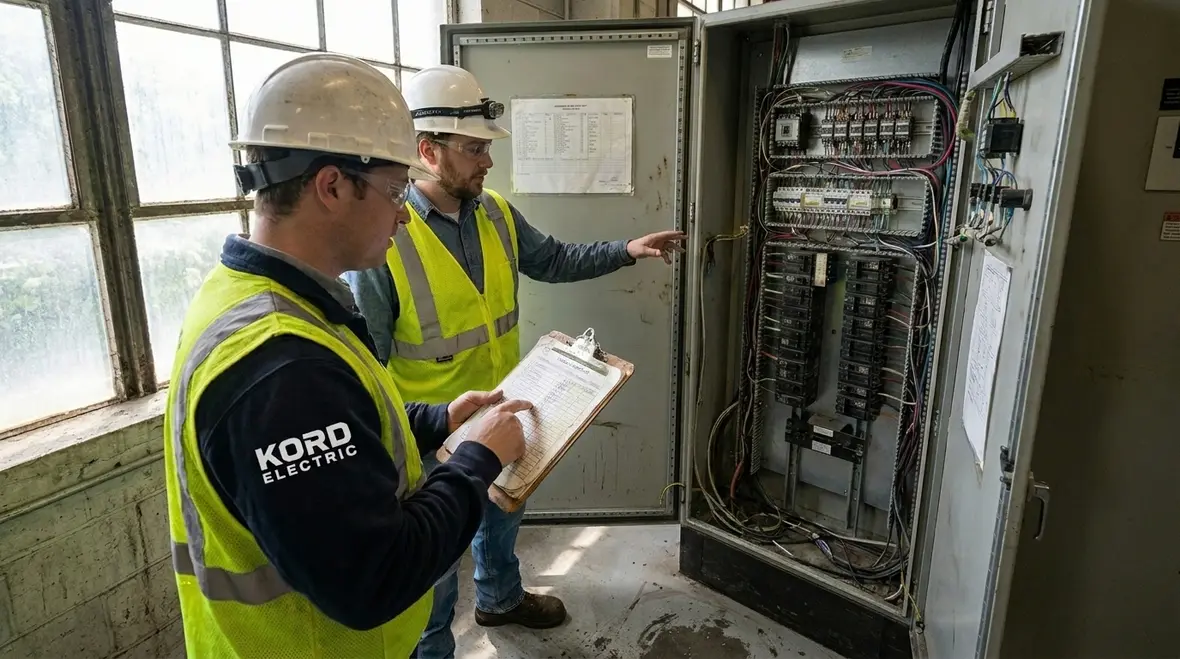
Every facility has its own personality, and power risk is no exception. First, we conduct a structured review of the site, then we connect electrical hazards to real operational needs. In practice, our technicians and expert service staff walk through the building with a clear goal: identify what must stay alive and what can safely shut down.
Then we translate that into an emergency electrical preparedness plan framework. We look at things like critical loads, transfer points, cable routing, water intrusion history, switchgear conditions, and generator behavior. We also consider how the facility changes over time, because a “fixed” plan from two years ago can become outdated faster than a streaming password. After that, we set priorities: life safety systems, security systems, process continuity, communications, and then the rest.
Next, we create a simple but usable risk map. We do not just list threats; we assign impacts and define response actions. As a result, when an event occurs, others do not have to guess who does what or which panel matters most.
Design the plan around load management and transfer reliability
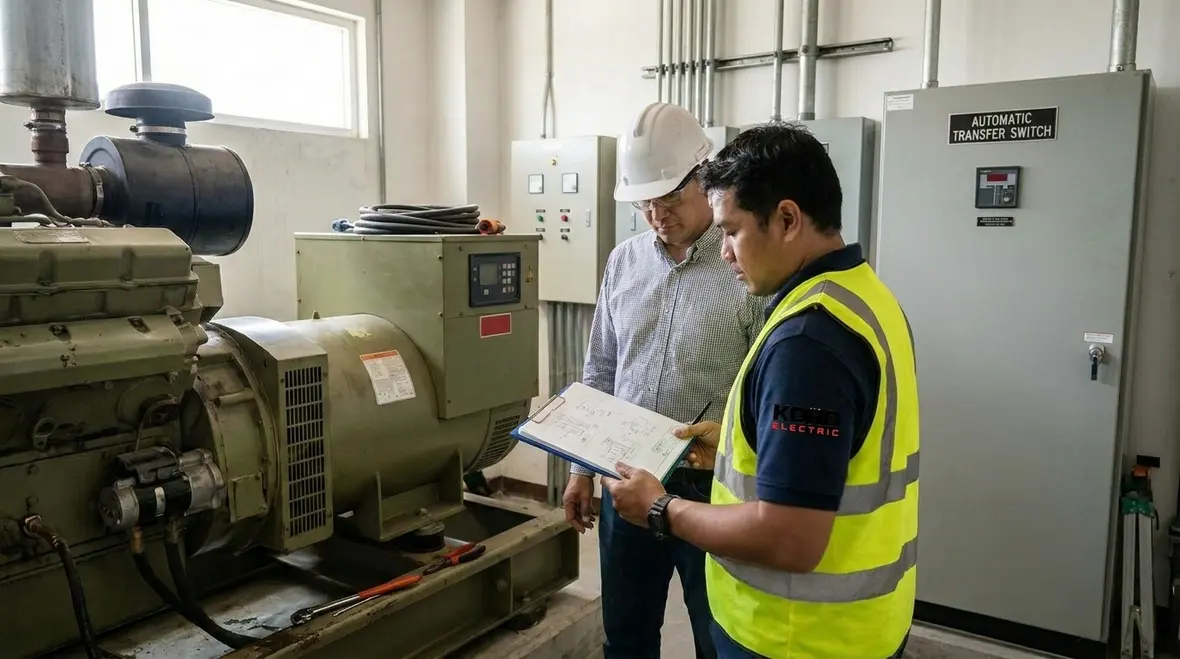
Emergency preparedness fails when systems transfer too slowly or too unpredictably. Therefore, Kord Electric designs plans around load management, transfer coordination, and reliability testing. We pay attention to how the facility sheds non essential loads and how it keeps essential loads supported without overloading emergency sources.
To do that, we build a clear electrical logic model that includes generator sizing, ATS or transfer switch settings, and protective device coordination. We then verify that the plan aligns with measured performance, not assumptions. After all, “it should run” is a phrase that sounds confident right up until the moment it does not.
We also create a decision path for abnormal conditions. For example, if the generator reaches limits or if a transfer switch shows faults, the plan guides operators on safe next steps. Meanwhile, our technicians explain the reasoning in plain language during reviews, so facility teams understand the cause and effect, not just the command and control.
Finally, we document acceptable time windows for transfer and restoration. This approach helps others act quickly, keep systems stable, and avoid unnecessary resets that can make problems grow.
Build procedures that staff can follow under stress
In real emergencies, people do not read long manuals. Therefore, our Emergency Electrical Preparedness Plans include field ready procedures that match how staff actually work during an incident. We structure actions by role, by sequence, and by time.
First, we define responsibilities for facilities staff, security, operations, and outside contractors. Then we align those roles with the electrical steps needed for safe operation. As a result, others do not improvise while alarms scream like a poorly directed action movie.
Next, we create checklists for common scenarios, such as loss of utility power, partial power loss, generator start failure, and feeder faults that affect critical areas. We keep each checklist short and practical, while still covering essential safety checks.
Then we add a communications plan. We specify who notifies whom, what information to provide, and how often updates should happen. Finally, our expert service staff explains the plan during walkthroughs, so teams can ask questions before they face pressure. And yes, we encourage questions, because “I did not understand” is a terrible punchline in an emergency.
Train teams with drills, not just annual binders
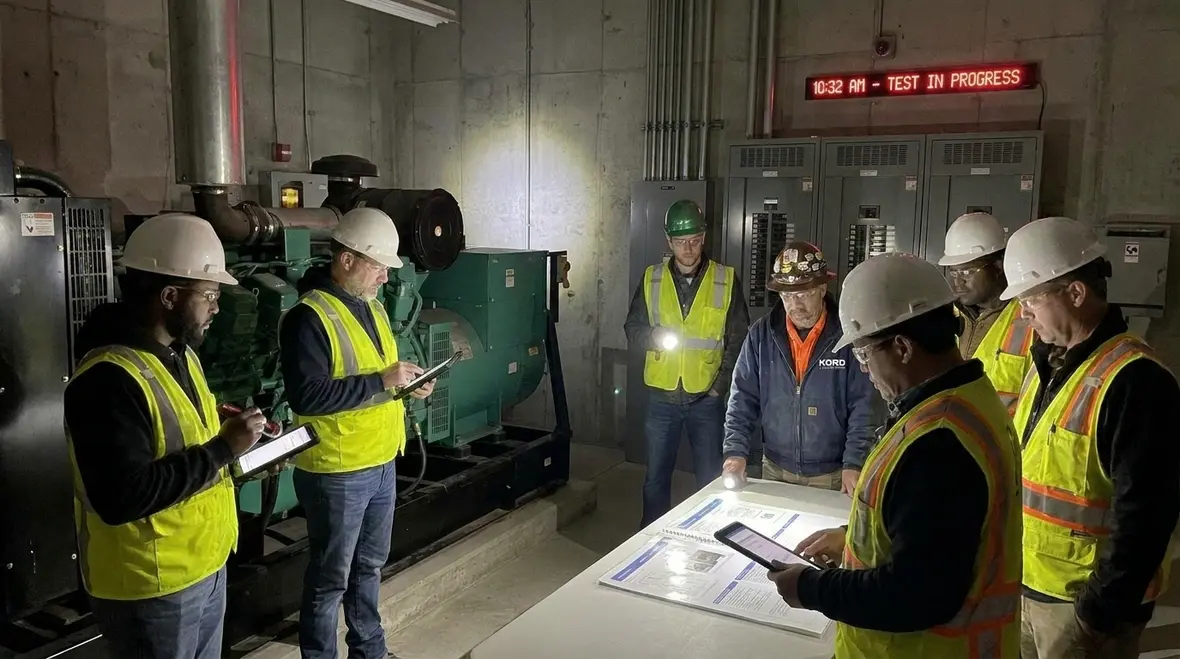
Plans stay alive through training and testing. Kord Electric supports structured drill cycles that connect electrical behavior to operator actions. We do not treat drills as a stage show. Instead, we run them to confirm that the emergency plan works as intended.
First, we schedule tabletop sessions to cover decision making. Then we move to functional tests that validate transfer operations, sequence timing, and load pickup behavior. After that, we add scenario drills that simulate operator tasks under realistic conditions.
To keep the learning grounded, our technicians and expert service staff explain why certain alarms occur and what responses prevent further damage. That way, others learn to distinguish between warnings that require action and alerts that simply report status.
We also capture results and adjust the plan. Because even a good plan can drift, we update procedures when testing reveals gaps. Over time, this creates smoother operations, less confusion, and more confidence among facility teams.
Verify equipment readiness through maintenance and documentation
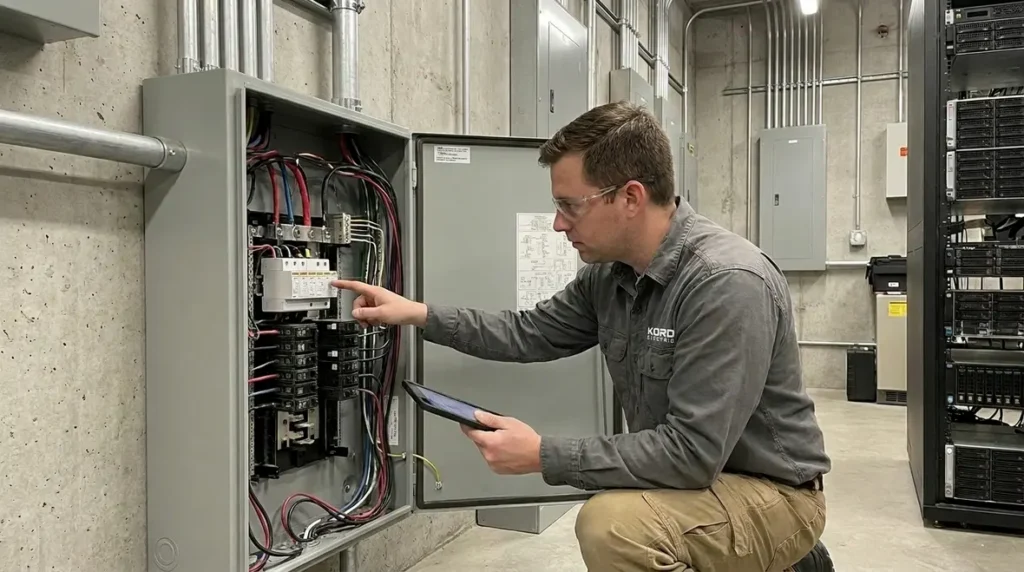
Emergency electrical readiness depends on equipment that can perform when called upon. Therefore, we tie the plan to maintenance and verification routines. We review generator systems, switchgear, transfer components, UPS where applicable, and protective devices that control fault behavior.
In a robust program, routine maintenance becomes part of the emergency electrical preparedness approach. We confirm that battery systems maintain capacity, that fuel storage supports runtime needs, and that control wiring and sensing devices remain stable. Then we ensure that documentation stays accurate: one-line diagrams, control schematics, as built changes, and updated device labels.
As facilities evolve, labeling drift happens. So we help others keep diagrams and field reality aligned. That reduces the risk of someone chasing the wrong breaker during a high stress moment.
Finally, we define evidence requirements for readiness. For example, we document test results, record corrective actions, and confirm that emergency systems meet target performance. In short, the plan becomes a living system, not a shelf artifact.
For teams that want to strengthen this side of their program even more, pairing Emergency Electrical Preparedness Plans with a structured electrical preventive maintenance schedule helps keep breakers, switchgear, and distribution paths operating reliably year after year.
Coordinate with vendors, site security, and emergency response
Even the best plan struggles when coordination breaks down. That is why we build integration points with vendors, security teams, and local response partners for major property buildings. We clarify boundaries, escalation steps, and access procedures.
First, we align contractor roles for specialized tasks, such as fuel logistics, panel maintenance support, and equipment replacement planning. Then we ensure security knows how to manage access to electrical rooms and critical areas without blocking necessary work.
Next, we map out emergency communications channels. We specify how facility teams report status, what to share, and how to avoid conflicting updates. As a result, others do not receive mixed messages that lead to unsafe actions.
We also address continuity. If a critical process depends on power quality and stability, the plan connects electrical readiness to operational goals. Meanwhile, our technicians explain how controls affect equipment behavior so partners understand the limits and capabilities.
And if you are thinking, “Great, now we have more meetings,” yes. But these meetings prevent the kind of scramble that costs money, delays repairs, and puts people at risk. Nobody wants that sequel.
Frequently asked questions about Emergency Electrical Preparedness Plans
Ready to strengthen your emergency power response?
If others rely on “we think it will work” during an outage, they leave their facility exposed. Kord Electric builds Emergency Electrical Preparedness Plans designed for commercial and industrial operations, with clear procedures, verified electrical logic, and training that staff can actually use. Let our technicians and expert service staff review your current setup, identify weak points, and create a plan that stays accurate as your site changes. Reach out now to schedule an assessment and get your emergency readiness under control.
For facilities that already know they need faster response when something goes wrong, pairing a preparedness plan with dedicated emergency electrical services ensures there is a licensed team ready to step in when alarms, outages, or equipment failures disrupt operations.
If you are planning broader improvements, such as rewiring, distribution upgrades, or critical system changes, exploring related resources like their guide on rewiring cost for commercial electrical systems can help you connect long term capital planning with the emergency strategies you put in place today.
Whether you manage a campus, a data center, or a major property building, treating Emergency Electrical Preparedness Plans as living tools instead of dusty binders changes the way your team responds under pressure. The right plan turns outages from chaos into controlled, documented events that your organization can learn from and recover from faster.