
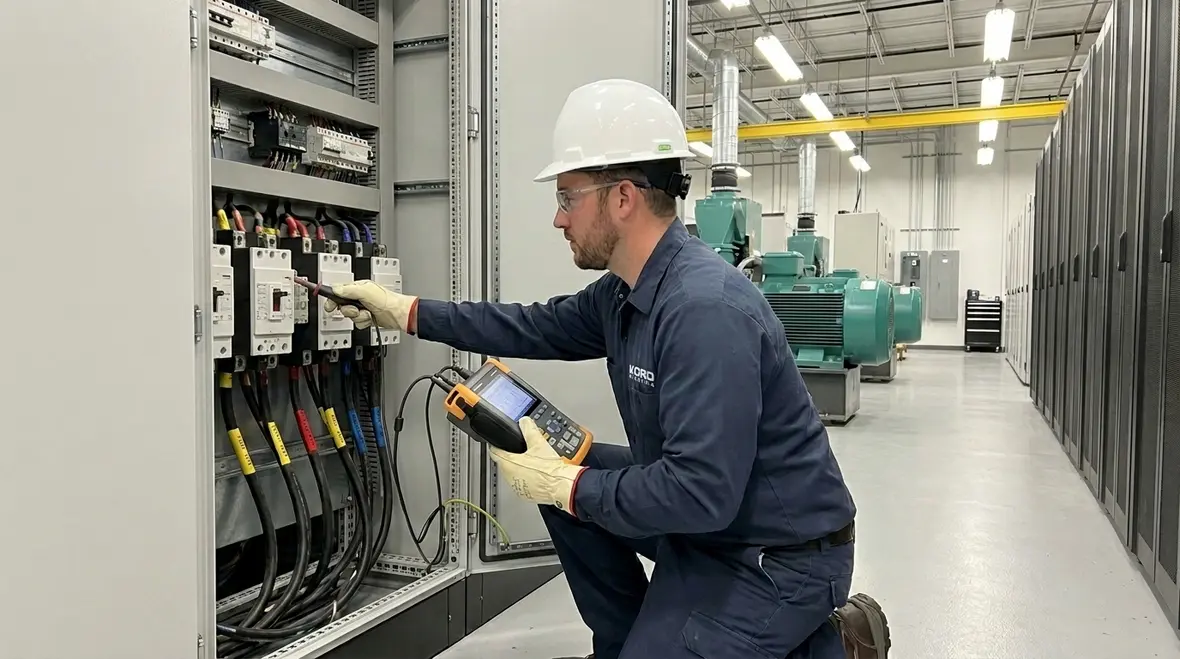
Industrial Power Quality Solutions to Prevent Downtime
At Kord Electric, we use industrial power quality solutions to keep commercial and industrial facilities running the way they should, steady and ready. We know that “unexpected” shutdowns rarely come from nowhere. They often arrive after small warning signs: flicker, surges, harmonic distortion, bad grounding, and loose connections that slowly turn into big failures. So we plan ahead with careful electrical preventive maintenance, targeted testing, and expert recommendations that prevent downtime tied to power events. And yes, we explain it in plain language, because nobody should need a power engineering degree to understand why their plant is suddenly acting dramatic.
How power quality issues start small, then get expensive
Power problems rarely announce themselves with a siren. Instead, they show up as subtle changes: motors run hotter, controls reset, production slows, and sensitive systems misbehave. Over time, those symptoms build up. A loose lug grows warmer each day. A failing capacitor drifts. A transformer starts to breathe differently. Then one day, the load demands peak, the system struggles, and downtime arrives like an uninvited guest who brought snacks you cannot afford.
When facility teams ignore these early signals, the cost grows in multiple directions. You face direct downtime, yes. You also face repair time, overtime labor, and process loss. Moreover, power quality issues can damage electronics, shorten motor life, and trigger nuisance trips that break workflow. In other words, you pay now or you pay later, and “later” usually arrives with a bigger invoice.
That is why we handle power quality as a control system, not a guess. We collect data, check critical components, and verify results with practical field testing. Then we help others connect the dots between power behavior and equipment performance.
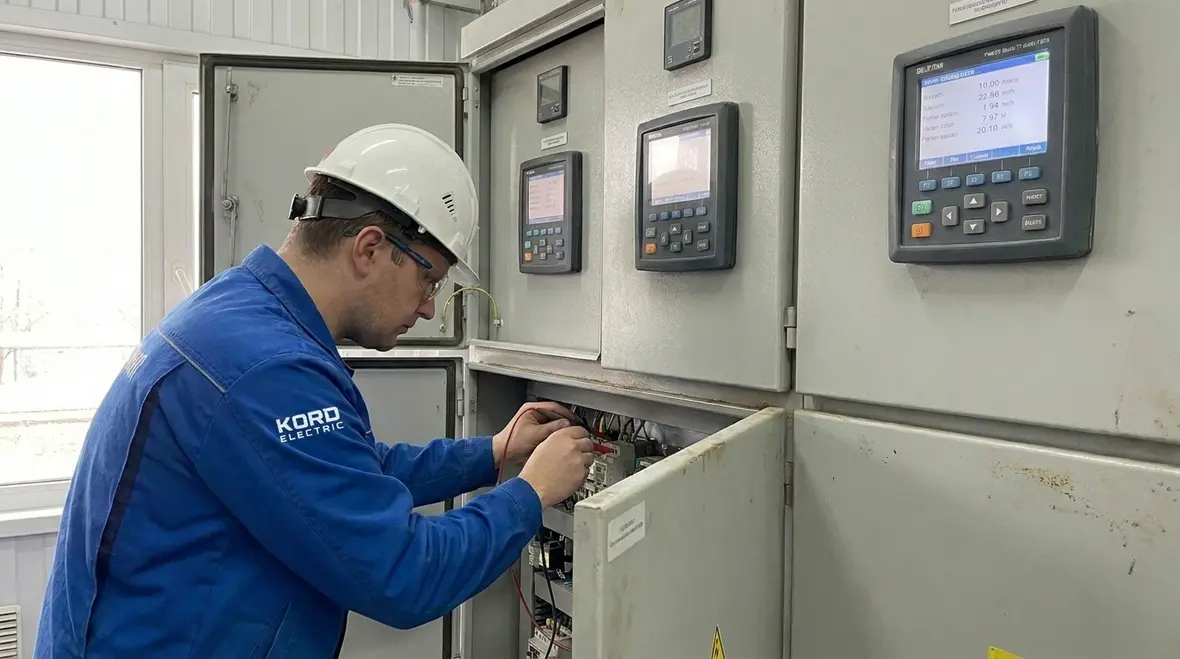
In many facilities, these issues first show up in the places nobody is watching closely: secondary panels feeding mixed loads, older transformers running just below their nameplate, or long branch circuits that carry a blend of lighting, controls, and receptacles. The system does not fail outright at first. It just gets a bit less forgiving every week. Industrial processes that used to shrug off minor voltage dips suddenly stop. Control systems that tolerated a little noise begin throwing alarms. The quiet drift from “fine” to “fragile” is where real downtime starts gathering momentum.
As those subtle shifts continue, more equipment starts running on the edge of its comfort zone. Motors pull a little more current. Drives run hotter. Transformers deliver technically acceptable voltage, but with just enough distortion or imbalance to annoy every sensitive load connected downstream. By the time the facility team notices patterns in the outages, multiple components have already been stressed for months or years. That is why industrial power quality solutions work best when they arrive early, before the electrical system begins waving a white flag in the middle of a production run.
What our technicians look for during preventive maintenance
In commercial and industrial facilities, we focus on the points that create risk under real operating conditions. Our expert service staff does not just “inspect and move on.” Instead, they follow a structured approach that aligns with electrical preventive maintenance planning and good results you can measure.
First, we examine incoming power and distribution components. This includes panels, switchgear, transformers, and distribution boards that feed production loads, building systems, and life safety equipment. Next, we check power paths for heat, tightness, and integrity. Then we review protective devices and grounding connections because faults travel faster when the path is weak.
During these visits, our team often finds issues that look minor but act like a match near gasoline. For example, a connection that has loosened due to vibration may still “work” until the next high demand period. After that, it may cause voltage sags, erratic operation, or breaker nuisance events. So we verify condition instead of relying on memory and luck.
Finally, we translate what we find into business terms. We explain how the condition affects reliability, what it may impact first, and what a practical fix looks like. That way, others can plan budgets with clarity instead of panic.
We also coordinate our findings with structured programs like Kord Electric’s dedicated electrical preventive maintenance services for commercial and industrial facilities. By aligning field observations with a consistent maintenance plan, facility leaders get more than a repair list. They get a roadmap that connects inspections, documentation, and future upgrades into one clear narrative.
On many sites, this means spending real time inside electrical rooms instead of rushing past them. We open enclosures, listen for unusual hum, and look for telling signs like discoloration, dust buildup, or uneven loading between phases. We cross-check nameplates against actual loading, compare breaker settings to present-day operations, and confirm that emergency systems still align with how the facility is really used. It is preventive work, but it feels a lot like detective work—with the benefit that the mystery gets solved before it interrupts production.
Because each building tells a different story, our technicians pay special attention to how systems have been modified over time. A panel that started life as a clean distribution board for one type of tenant may now support a mix of new machinery, added HVAC, and quick “temporary” tie-ins that never left. By tracing these changes and folding them into an electrical preventive maintenance plan, we help facilities turn a patchwork of past decisions into a stable, documented system.
Industrial power quality solutions that protect critical loads
To prevent costly downtime, industrial power quality solutions must fit the load, the system design, and the actual disturbance profile. At Kord Electric, we emphasize methods that reduce harm from common power events. We do not treat every facility the same, because not every building has the same process, not every shift schedule has the same demand patterns, and not every system reacts the same way.
Here is how we typically help protect critical operations:
- Voltage regulation support so sensitive controls and drives keep stable voltage during dips and surges.
- Surge mitigation to reduce stress on equipment from lightning, switching events, and utility transients.
- Harmonic management to limit overheating and wasted power from nonlinear loads like VFDs, rectifiers, and large electronic systems.
- Power factor improvement when it supports efficiency and reduces stress on distribution components.
- Grounding and bonding verification so protective devices work correctly and faults clear as designed.
And because someone always asks, “Will this stop everything?” we answer honestly: no system can eliminate every risk. However, we can reduce the frequency of trips, the chance of damage, and the surprise factor that causes real downtime. In pop culture terms, we help you avoid the “plot twist” where your production line stops because a power problem hid behind normal operation.
Industrial power quality solutions also scale with facility goals. Some sites start with focused voltage fluctuation support, especially when they are already dealing with nuisance trips and equipment resets. Others combine harmonic filtering, improved grounding, and coordinated surge protection into a broader reliability upgrade. Either way, the goal stays the same: protect the loads that earn revenue, support safety systems that protect people, and give operations teams a calmer, more predictable workday.
For facilities navigating growth, modernization, or new technologies like EV infrastructure and advanced automation, these improvements fold neatly into long-term planning. Rather than constantly reacting to the latest surprise fault, facility leaders can align industrial power quality solutions with broader projects such as lighting upgrades, system rewiring, or new process lines—turning every upgrade cycle into an opportunity to strengthen reliability instead of just chasing code requirements.
Because power quality work touches so many parts of a building, we coordinate closely with other service efforts. For example, when Kord Electric teams are already on site for structured maintenance or commercial upgrades, we often pair those visits with targeted testing and adjustment of power quality devices. The result is a coordinated, low-disruption approach that steadily strengthens the system instead of forcing everyone into one massive shutdown window.
This is where industrial power quality solutions stop feeling like a one-time project and start functioning as part of an ongoing reliability strategy. With each visit, we refine settings, confirm behavior, and fold new data into the plan. Over time, the facility moves away from reactive repairs and closer to a world where electrical issues are handled on your schedule, not the other way around.
How testing and data turn uncertainty into action
When we talk about preventing downtime, we mean it in a measurable way. We use testing and documentation to identify patterns that normal visual checks miss. And then we recommend improvements based on actual readings, not generic rules.
We often focus on key signals like voltage quality, current distortion, and the behavior of protective devices. For instance, harmonic distortion can quietly raise transformer temperatures and cause neutral overheating. Meanwhile, short or intermittent voltage sags can reset PLCs or disrupt communication. These events may last only milliseconds, yet electronics feel them like a punch in the ribs. So we test and then we confirm how your equipment responds.
Next, we help others decide the right sequence of work. Instead of doing random upgrades, we prioritize changes that protect the highest value loads first, then address the rest in a plan that fits operations. This approach also helps reduce downtime during the work itself, since we schedule and coordinate with facility schedules.
Our expert service staff also explains the results in a calm, direct way. Think of it like a weather report for your electrical system. Nobody wants dramatic storms, but they prefer to know the forecast before the roof gets damp.
Over time, the data from field meters, loggers, and inspections turns into a decision-making tool. We can see when voltage quality is trending in the wrong direction, when certain areas of the plant experience more disturbances, or when specific drives and controls take the hardest hits. That allows us to tune industrial power quality solutions toward the real-world behavior of your facility instead of guessing based on nameplate data alone.
When combined with structured programs like Kord Electric’s electrical preventive maintenance services, that same data supports documentation for stakeholders, insurers, and compliance teams. Records no longer read like a stack of disconnected service tickets. Instead, they tell a story of deliberate, ongoing effort to protect uptime, equipment, and people.
This type of recordkeeping also makes life easier the next time someone asks, “What exactly have we done to prevent downtime tied to power events?” Instead of hunting through old emails and scattered reports, you can point to measured trends, completed recommendations, and upcoming work already on the calendar—a clear timeline that shows how industrial power quality solutions and preventive maintenance work together.
Ultimately, testing and data give facilities a way to move from worry to action. When a site knows exactly how its electrical system behaves under stress, it can prioritize upgrades, plan outages, and schedule service with confidence. That is a far better position than waiting for the next unexplained trip to dictate everyone’s agenda.
Real-world benefits for commercial and industrial facilities
Commercial and industrial facilities need power reliability for production, operations, and resident safety, not just for comfort. When we manage power quality through preventive maintenance and targeted upgrades, the results show up across the business.
First, you see fewer unplanned stops. Then you see fewer repeat service calls tied to the same underlying condition. You also lower the risk of damage to expensive equipment like drives, variable speed systems, HVAC controls, and process electronics. In addition, good power quality supports consistent performance, which means smoother shift handoffs and fewer delays.
Second, you often improve operational efficiency. When harmonics and poor power factor create extra stress, systems run less smoothly. So when we manage those issues, you can reduce waste and avoid premature component wear.
Third, you gain clearer compliance support. Many facility teams need solid records that show due diligence. Our maintenance approach supports documentation that helps others show responsible electrical management to stakeholders.
And finally, you keep your staff focused on their real jobs. Nobody wants technicians chasing mystery resets all night. We help you move from reactive troubleshooting to planned electrical preventive maintenance that keeps the lights on and the schedule intact.
These benefits become even more visible in complex sites with tight production windows or critical tenants. When power quality issues stay under control, there are fewer awkward calls to operations about missed targets and fewer surprise updates to leadership about why a section of the building sat idle all morning. Instead, the story becomes one of consistent output, longer equipment life, and calmer days for everyone who depends on the electrical system to simply work.
By treating industrial power quality solutions as part of a broader reliability strategy rather than a one-time fix, facilities set themselves up for long-term success. Each upgrade, each inspection, and each test becomes one more step toward predictable uptime—the kind of quiet success that rarely makes headlines, but always shows up in performance metrics and capital planning meetings.
Electrical preventive maintenance checklist that supports downtime prevention
Facilities that run on schedules need maintenance that runs on schedules too. Below is a practical checklist our team follows during preventive maintenance visits for commercial and industrial sites. Not every item fits every system, but the structure gives your program a strong foundation.
- Inspect and verify terminations, bus connections, and cabinet conditions for signs of heat, corrosion, and looseness.
- Check protective devices and review settings to match load profiles and operating needs.
- Confirm grounding and bonding to support correct fault clearing and stable references for controls.
- Measure electrical indicators like voltage behavior, distortion, and other power quality signals relevant to your loads.
- Assess load impacts such as motor banks, variable speed drives, and critical control circuits that react to power swings.
- Document findings and provide prioritized recommendations with clear next steps.
This checklist helps others manage risk before it turns into a work stoppage. And yes, it also keeps the “we will look at it later” habit from becoming a lifestyle choice.
For facilities that want to go deeper, pairing this kind of checklist with a dedicated electrical preventive maintenance program turns individual service visits into an organized, long-range plan. Instead of repeating the same emergency repairs year after year, you can check items off a prioritized list and watch downtime events shrink over time.
In practice, that might mean combining routine inspections with targeted power quality analysis, voltage fluctuation diagnostics, or breaker coordination studies. Each layer adds more clarity about where risk hides and how to remove it without causing new disruptions. Taken together, these efforts create a practical version of industrial power quality solutions that lives in your day-to-day operations, not just in a design binder.
Frequently asked questions
Conclusion: let’s keep your facility running without surprises
Power quality problems steal uptime quietly, then demand attention loudly. At Kord Electric, we help commercial and industrial facilities prevent costly downtime through testing, electrical preventive maintenance, and industrial power quality solutions that protect critical loads. Our technicians and expert service staff explain findings clearly, so others can plan repairs with confidence. If you want fewer nuisance trips, healthier equipment, and a calmer maintenance schedule, contact Kord Electric today. We will review your system and recommend the next steps that matter most.
When you are ready to turn that conversation into action, you can start with Kord Electric’s dedicated electrical preventive maintenance services or explore focused support for issues like voltage fluctuations in commercial and industrial facilities. From there, our team helps you build an industrial power quality strategy that fits your loads, your schedule, and your long-term reliability goals.
For organizations planning larger upgrades or new infrastructure, Kord Electric also provides commercial and industrial services such as commercial and industrial EV charger installation, recessed lighting and system modernization that can be aligned with power quality improvements. That way, every project pulls in the same direction: fewer surprises, stronger uptime, and electrical systems that are ready for the way you operate today—and the way you plan to operate next.


