
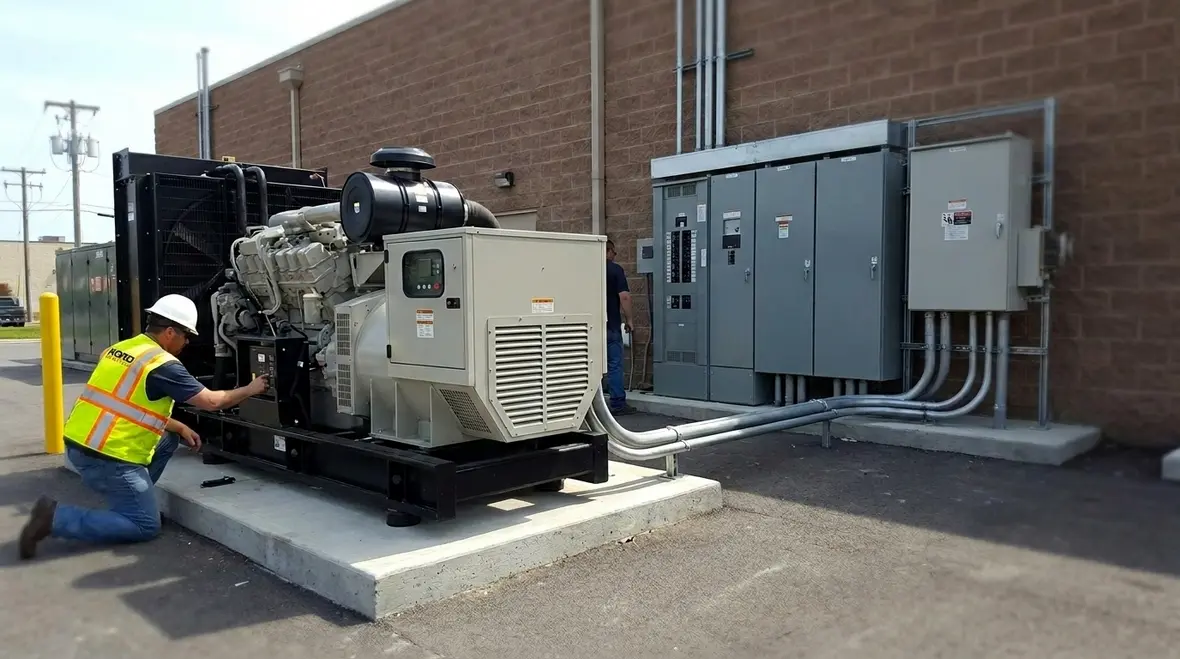
Emergency Power Backup for Commercial Facilities
Business continuity starts before the lights go out
At Kord Electric, we help commercial and industrial facilities choose the right emergency power backup strategy so operations keep moving when utility power fails. In the first conversation, our clients often ask about generator systems, UPS solutions, and automatic transfer switch setups. Others mention power distribution panels and fuel management right away, because they have already lived through one too many “quick outage” that lasted an afternoon. And yes, we have heard the joke: “It’s fine, our computers will just breathe.” Then the server room stops breathing. We stop that from happening.
So, we focus on one goal: selecting the correct emergency power backup system that protects people, equipment, data, and revenue. Next, we walk through the decision factors that actually matter, with clear guidance from our technicians and experienced service staff.
1. Match the backup plan to your risk, load, and real uptime targets
When businesses lose power, the damage is rarely just about darkness. It is about stopped processes, corrupted transactions, spoiled inventory, safety system downtime, and cooling failure in critical equipment rooms. Therefore, the first step is matching the backup design to the facility’s risk and the load profile.
Our team starts by mapping what must run immediately, what can wait a few minutes, and what can wait hours. Then we quantify the “must run” loads, because a good emergency power backup plan is not about guessing watts. It is about accurate load calculation and realistic runtime planning.
- Critical loads: control systems, safety devices, communications, access control, medical grade power where applicable, and data and network equipment.
- Operational loads: lighting for safe egress, HVAC for occupied areas, pumps, compressors, and refrigeration.
- Non critical loads: convenience outlets and areas that can wait without harming operations.
After we define categories, we set the uptime expectation. Some facilities need power within seconds. Others need minutes, because their processes can tolerate a short ride through. Then we align the emergency power backup system types to those time windows.
To keep it simple, we explain it like this to our clients: a UPS buys time like a strong umbrella in a storm, while a generator provides long term power like a whole house built on the correct foundation. If you choose one without the other when you need both, you get the power equivalent of bringing a spoon to a BBQ fight.
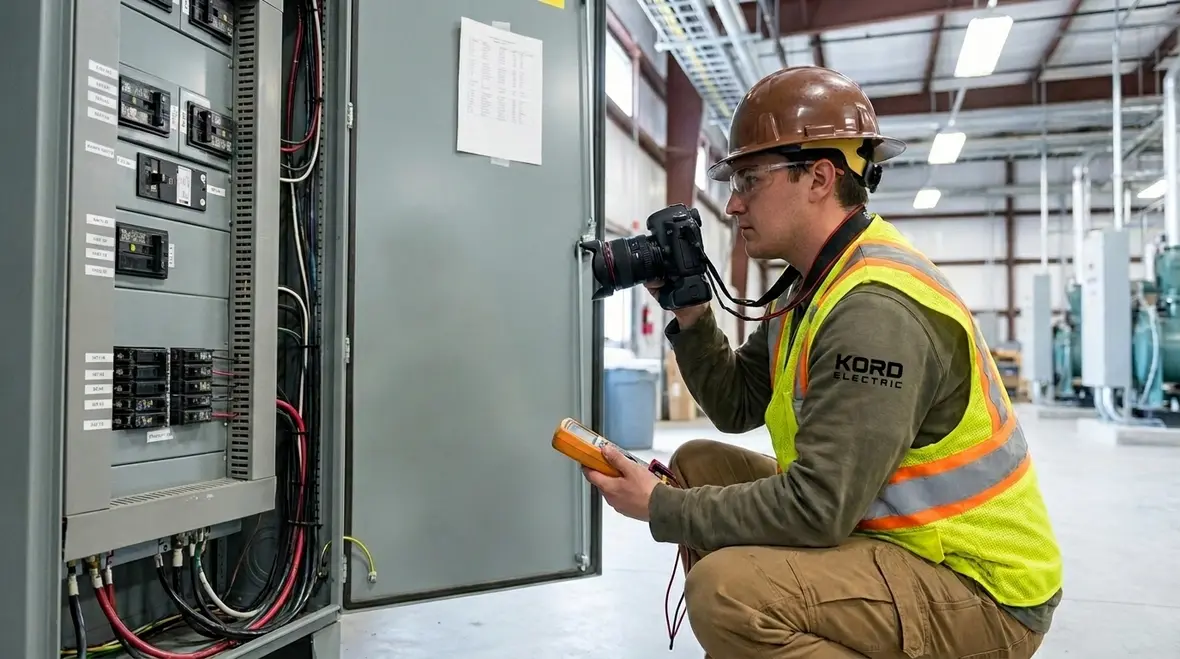
Connecting backup planning to broader electrical risk
For commercial and industrial buildings that have already dealt with nuisance trips, unexplained voltage swings, or full Emergency Power Failures, this load mapping step often pairs well with a broader review of how the facility’s power behaves day to day. That includes looking at breaker performance, panel conditions, and switchgear health, not just the backup equipment. When these pieces are evaluated together, the emergency power backup system becomes part of a bigger reliability strategy instead of a stand alone purchase that never quite feels integrated.
That is also why we often point facility teams to resources like our article on Emergency Power Failures in Commercial Buildings, which walks through how everyday electrical issues and standby system weaknesses collide during an outage. When you understand those interactions, it becomes much easier to set realistic uptime targets and decide exactly which circuits should live on the backup side of the panel. (You can read more about those real world failure patterns in the Emergency Power Failures in Commercial Buildings guide on our blog.)
2. Understand generator and UPS roles without mixing them up
Commercial and industrial customers often ask whether they should pick a generator, a UPS, or both. The most effective answer depends on what failure looks like for them. Utility outages have different lengths and characteristics, and your equipment reacts differently.
UPS systems excel at bridging the gap. They provide immediate power for computers, servers, PLCs, network gear, and other sensitive electronics. If the transition time between utility power loss and generator start delays your equipment, a UPS helps maintain orderly shutdown or continues operation until stable power arrives.
Generator systems handle the longer run. They power larger loads such as HVAC, pumps, industrial motors, and critical lighting circuits. However, generator performance depends on sizing, voltage regulation, start behavior, and fuel availability. In other words, it is not just “choose a generator.” It is “choose the right generator, with the right controls, for the right loads.”
Dual path thinking works best for many facilities. UPS protects sensitive electronics instantly, while the generator supports the broader electrical needs once it stabilizes output. Then the transfer hardware handles the switch without drama.
Our technicians explain these roles in plain language. They do not talk like a textbook. They talk like people who have serviced systems, tested transfer behavior, and seen what happens in real outages. That is how we prevent the most common mistake: sizing a UPS like it will run everything, or assuming a generator will start fast enough to replace UPS protection for sensitive equipment. (It rarely does, unless the design says so.)
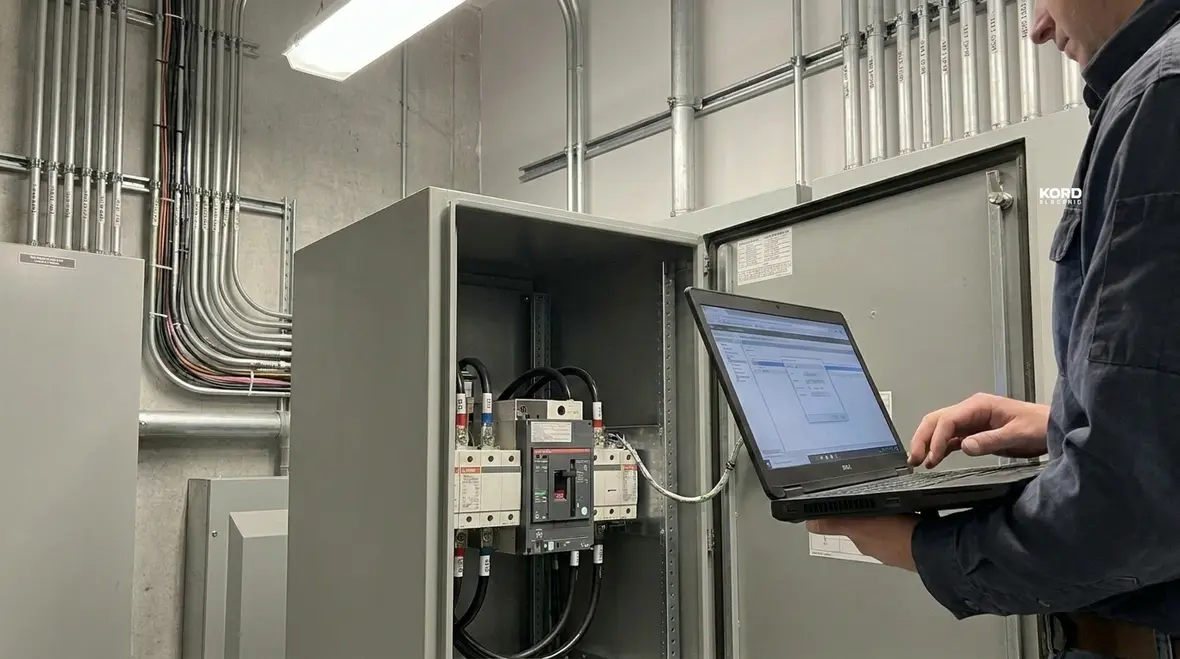
When backup power is part of a bigger electrical upgrade
Sometimes, the right answer is not only about installing a new generator or UPS. It is about making sure the existing electrical infrastructure can support those additions without creating fresh problems. In older commercial buildings, that might mean pairing emergency backup work with targeted rewiring projects, panel upgrades, or a broader electrical preventive maintenance plan so the new system is not feeding through tired conductors or undersized distribution equipment.
That is where a service like Kord Electric’s Electrical Preventive Maintenance program becomes a powerful companion to backup design. Instead of guessing where weak points might be, we combine generator and UPS planning with infrared inspections, breaker testing, and generator & ATS inspections so the entire chain from utility to backup to end loads is documented and tuned. When you stack those layers, the emergency power backup system feels less like a bolt on and more like a core part of the building’s electrical health.
3. Size the loads and design the transfer sequence for dependable switching
Once a facility knows what must run and for how long, the next step is sizing and transfer design. If sizing is off, the emergency power backup system types may work, but they will not work correctly for your actual conditions.
We use measured or documented load data, then apply appropriate margins. Then we plan how power moves during an outage. The core components typically include an automatic transfer switch and coordinated distribution.
Automatic transfer switch planning matters because switching is not only about moving power. It is about timing, sequencing, and load behavior. Inductive loads such as motors can pull more current at startup. If the transfer sequence turns on all loads at once, voltage can dip, causing equipment alarms, trips, or shutdown.
Therefore, our engineers and technicians often help clients set load shedding or staged startup. That means we can keep the most important circuits alive while delaying less critical loads. This approach reduces startup stress and keeps the system stable.
In one common scenario, clients wanted “everything on immediately.” We explained that the generator does not care about optimism. It cares about current draw and voltage. So we staged loads, and the system performed like it was supposed to. The facility kept operations steady, and nobody had to reboot anything using the “turn it off and on again” method, which is a classic but not a strategy.
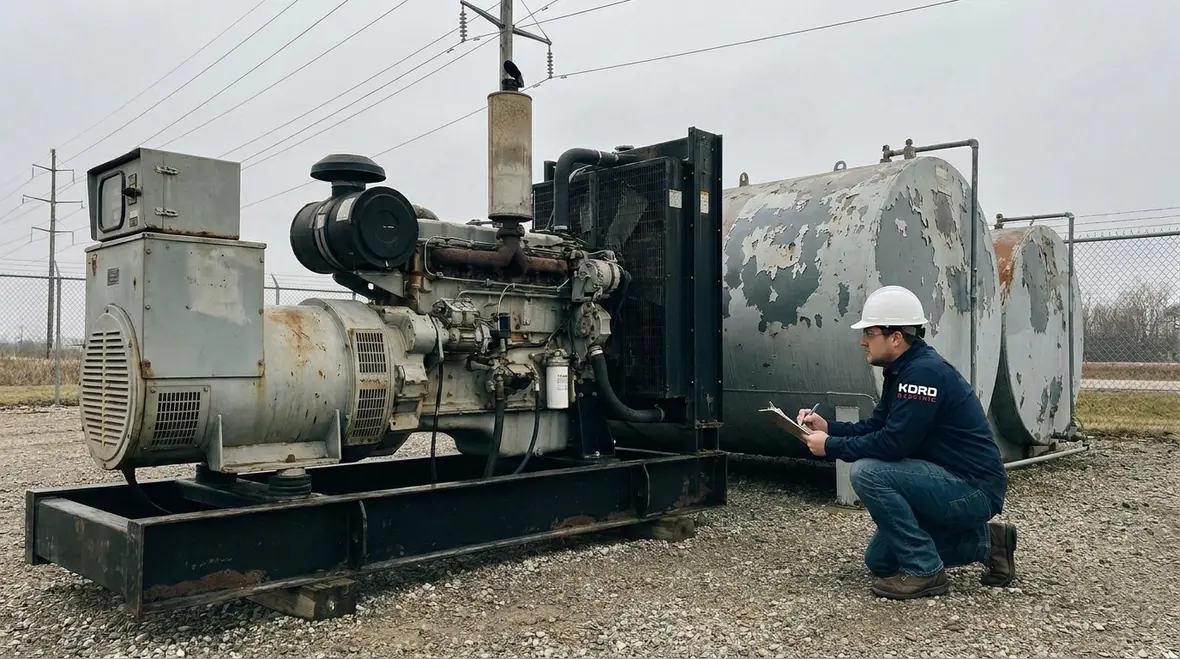
Transfer design that plays nicely with real equipment
Good transfer design also respects how elevators, fire pumps, industrial controls, and HVAC systems behave during a switchover. For example, some equipment may require a clean voltage window and frequency stability before it will restart. Others may lock out if they see multiple power blips in a row. This is where our field experience and testing process come in. We build the sequencing around what actually happens on your site, not just what the spec sheet implies.
For facilities that want even more assurance, pairing transfer design work with structured electrical preventive maintenance makes sure transfer switches, breakers, and distribution panels are exercised, tested, and documented before an outage hits. That combination reduces the odds of a surprise power interruption during the exact moment the building is relying on backup power the most.
4. Plan fuel, runtime, and maintenance like a business process, not a box to check
Many facilities plan the electrical part well and then get surprised by fuel and upkeep. Yet emergency power is only as reliable as the fuel supply, storage practices, and maintenance schedule.
Fuel management affects runtime, emissions, and system availability. We help clients define their required run time based on local conditions, typical outage duration, and operational needs. Then we align the generator configuration with fuel capacity, monitoring, and delivery planning.
Next, we support maintenance planning. A system that looks great on day one can fail on day two hundred if testing is skipped. Our service staff helps clients establish routine inspections, load bank testing, battery checks, and switch operation tests based on the equipment and site requirements.
We also discuss how to handle “silent failures.” Batteries can age. Controls can drift. Transfer switches can develop contact issues. Then, during a real outage, the system may not perform as expected. With scheduled testing, the issue gets caught early, before it becomes a news headline or a staff training moment that nobody wanted.
Here is where our technicians earn their keep. They walk our clients through what they need to monitor and how to interpret alarms. They also help ensure the emergency power backup system types remain ready, so operations do not depend on luck.
Turning maintenance into a predictable habit
Because so many commercial properties run on tight staffing, the most reliable backup systems are the ones with maintenance programs that fit into existing workflows. That is why our preventive maintenance services include clear intervals, documented findings, and recommendations that are easy to justify in a capital plan. Instead of waiting for a surprise failure and then fighting for an emergency budget, you can reference measured data, trending issues, and clear runtime goals that support smart investment in your backup system.
5. Build compliance and safety into the electrical design
Commercial and industrial facilities operate in a world of rules for a reason. Emergency systems support safety, and they must integrate correctly with electrical codes and facility safety practices.
Our approach includes reviewing how the emergency power backup system interfaces with grounding, distribution, and protective devices. We also help ensure that switching does not create unsafe backfeed conditions and that power flows correctly to designated critical circuits.
For major property buildings, this also includes planning for life safety loads and coordination with facility operations. If elevators, fire alarm systems, emergency lighting, and critical communications need power, the design must reflect that.
Then we document the design approach and help facilities understand what to expect during testing. This matters because a well planned test day keeps occupants calm and keeps leadership informed. We do not run maintenance like a mystery show. We run it like a process.
When our expert service staff explains these details, it becomes less intimidating. People stop thinking of the system as a black box and start viewing it as a controlled, tested safety tool. And for business leaders, that mindset reduces risk and supports faster decision making.
Code, standards, and practical safety
Emergency power systems also live inside a framework of codes and standards like the National Electrical Code. While no facility manager wants to memorize section numbers, it helps to work with a team that lives and breathes those rules every day and can translate them into clear design choices. Whether it is separating life safety circuits, sizing feeders correctly, or coordinating overcurrent protection, we build compliance into the design from the beginning so your backup system supports both safety and uptime without creating headaches during inspections.
6. What installation and commissioning should look like on a major site
Choosing the right system is only half the story. Installation quality and commissioning determine whether the emergency power backup system performs the way the design intended.
During installation, our technicians focus on clean integration: proper wiring methods, correct component placement, correct labeling, correct settings on transfer and controls, and correct coordination with the facility’s existing electrical infrastructure. Then we run commissioning tests that verify the system under realistic conditions.
Commissioning typically includes:
- Sequence verification for utility loss and restoration behavior.
- Transfer verification to confirm stable transitions and correct timing.
- Load checks to validate that essential circuits receive power as planned.
- Control and alarm checks so staff can respond quickly to events.
We also help clients plan how facility teams will interact with the system during an outage. That means clear procedures, appropriate signage, and simple guidance that reduces confusion. Because when the alarms start, people are not in a mood to interpret wiring diagrams like it is an escape room from a sci fi movie.
If you want reliability, you commission it. If you want certainty, you document it. That is exactly what our team prioritizes for commercial and industrial facilities and major property buildings.
Commissioning tied to long term service
On many sites, we pair the final commissioning with a handoff into an ongoing service plan. That way, the same team that saw your system under test conditions also returns for periodic inspections, electrical preventive maintenance, and generator & ATS checks. This continuity matters. It means the people who know how your system behaves under stress are the same ones helping you keep it in peak condition year after year.
7. FAQ about choosing emergency backup for commercial facilities
Quick comparison: what the system handles
System element |
What it protects |
UPS |
Instant power for computers, servers, network gear, and controls during the transition |
Generator |
Longer runtime for HVAC, pumps, lighting, motors, and other critical building loads |
Automatic transfer switch |
Reliable switching from utility to emergency power without unsafe backfeed and with correct timing |
Choose with confidence, then maintain it like you mean it
If your facility depends on stable power, the emergency power backup system must match your loads, your runtime, and your switching sequence. Kord Electric works with commercial and industrial clients and major property buildings to size the right generator and UPS combination, coordinate the transfer behavior, and plan testing and maintenance that keeps the system ready when it counts.
Reach out to us today for a site focused assessment. We will explain your options clearly, recommend a dependable design, and help you stay online through outages, not trapped in them. To take the next step, explore how our Electrical Preventive Maintenance services support generators, ATS equipment, and critical circuits, then connect with our team to map out the emergency power backup strategy that fits your building.
If you are planning broader upgrades beyond backup power alone, our commercial and industrial electrical services can help you coordinate lighting, distribution, and preventive maintenance so every part of your system supports uptime. You can learn more about Kord Electric and the services we provide at https://kordelectric.com/, then schedule time with our team to talk through your facility’s priorities, risk profile, and long term plans.


