Industrial Electrical Troubleshooting Warning Signs
Common Industrial Electrical Troubleshooting Signs That Mean You Should Act Fast
In most commercial and industrial facilities, the electrical system does not announce problems with a dramatic thunderclap. Instead, common industrial electrical troubleshooting signs show up quietly and then escalate quickly. Owners and operators often notice flickering lights, burning smells, tripping breakers, and hot panels before they realize the risk. We at Kord Electric have seen the same pattern more times than a sitcom rerun: one small issue gets ignored, then the downtime bill shows up wearing a fake mustache.
Because we serve major property buildings and industrial sites, we treat early warning signs as real emergencies. And while others might wait for a full outage, our technicians move with a calm plan to identify what is failing and why, before it spreads.
Immediate Warning Cues in Commercial Panels and Feeders
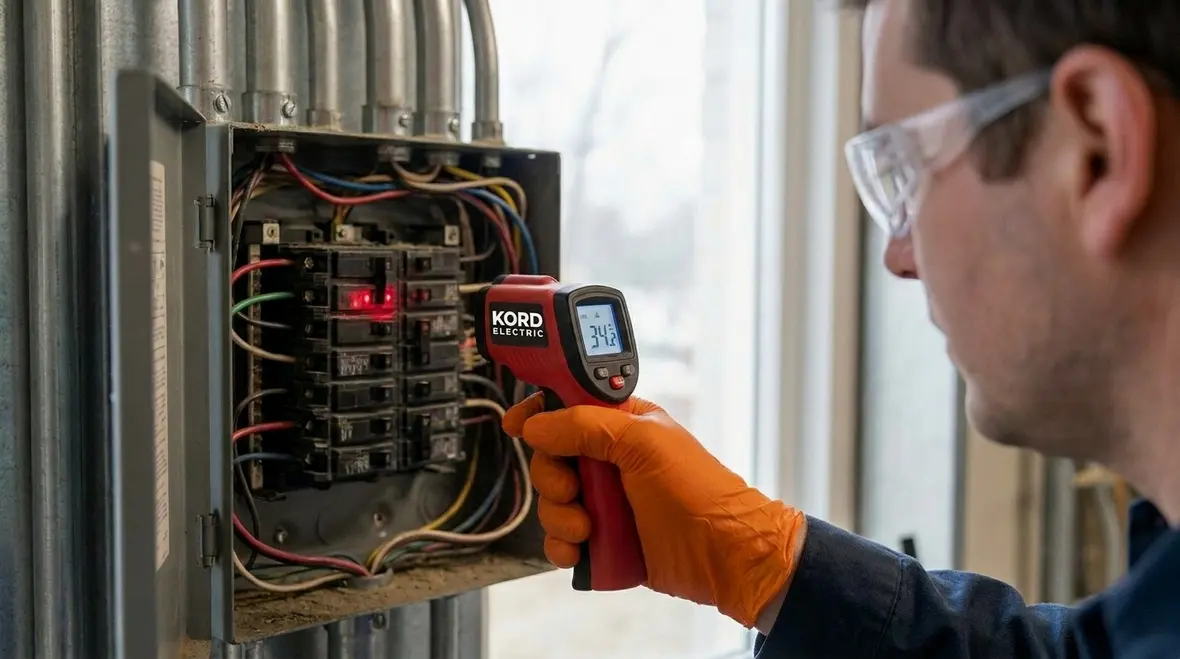
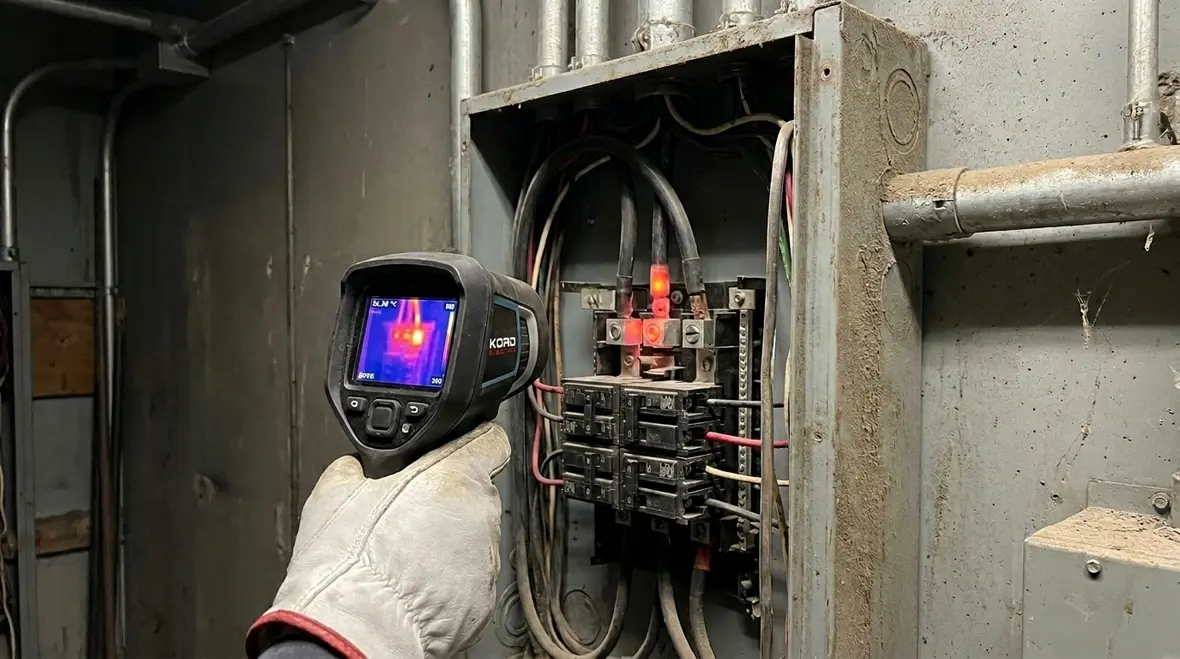
When an electrical system starts misbehaving, it often does so in the parts that carry the most load. Fuses or breakers that trip repeatedly usually point to overload, a short, or insulation breakdown. Meanwhile, hot spots on breakers, lugs, or bus bars can signal loose terminations or failing components. Over time, heat makes everything worse, and heat is not a team player. It speeds up corrosion, weakens insulation, and increases contact resistance.
At Kord Electric, our expert service staff explains the logic behind what they find, step by step. First, they verify the symptom, then they check the circuit history, and finally they trace it to the most likely failure point. That approach helps facility managers make decisions with clarity, not guessing. Additionally, we look for patterns such as morning start-up issues, load related spikes, or recurring faults on specific feeders.
If others in your building say, “It only happens sometimes,” that is often the moment we should start troubleshooting. Intermittent problems typically leave the most clues behind, because the system reveals its weakness under changing conditions.
For facility teams who want to dig deeper into the quiet issues hiding behind warm panels and buzzing gear, Kord Electric’s guide on hidden electrical risks in commercial buildings shows how small warning signs often connect to larger system vulnerabilities.

How to Spot Loose Connections, Arc Flash Risk, and Heat Before It Becomes a Crisis
Loose connections do not stay politely loose. They heat up, expand, and then lose contact even more. As a result, you can see signs like discoloration inside enclosures, buzzing or crackling sounds near switchgear, and faint smoke during peak operation. If you smell something like burning plastic or overheated dust, you should treat it as an urgent warning. We do not use “maybe” when safety is on the line.
Arc flash risk deserves direct attention. If there is visible damage, carbon tracking, or frequent protective device clearing under normal loads, the system may be accumulating dangerous fault energy. Therefore, the next move must be controlled and methodical. Our technicians typically start by confirming the condition of the equipment, then they assess the protection scheme, and then they recommend safe isolation steps for deeper testing.
And yes, sometimes a buzzing sound can be a simple transformer hum, but sometimes it is an arcing connection. The difference matters, and our team brings the tools and experience to separate “normal noise” from “this will not age well.”
If your panels and switchgear are already showing their age, Kord Electric’s article on NFPA 70B electrical panels and switchgear maintenance explains how structured inspections and testing can keep those risks from turning into outages or safety incidents.

Why Voltage Problems Show Up as Flicker, Equipment Dropout, and Weird Intermittent Faults
Voltage problems create symptoms that feel random until you examine the timeline and the load profile. Flickering lights, motor starting failures, and control system resets often connect back to undervoltage, voltage imbalance, or unstable supply. When critical equipment cycles on and off, it wastes energy and stresses components. Over time, that stress turns into failure that looks like a mystery to anyone who did not track the electrical behavior.
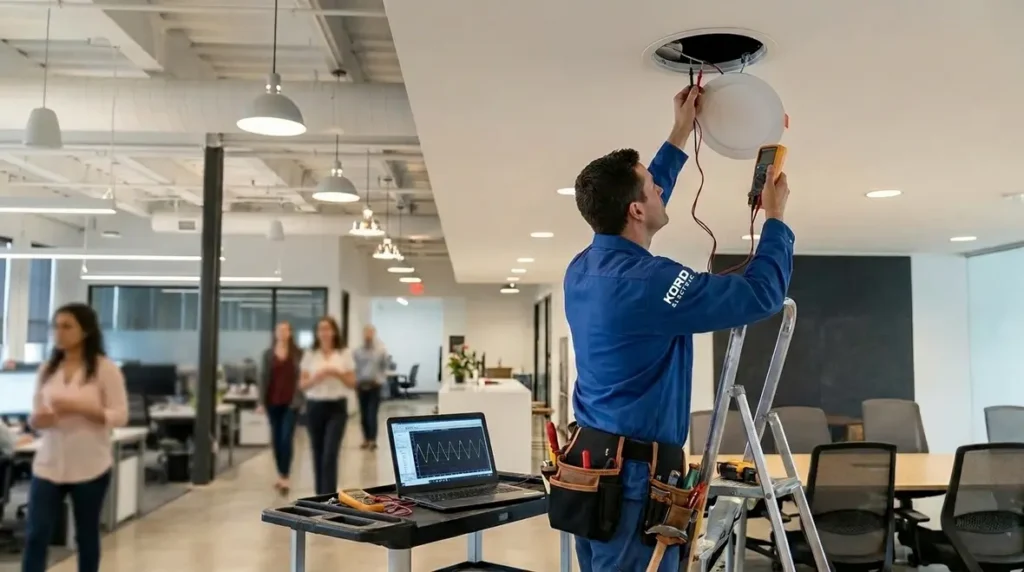
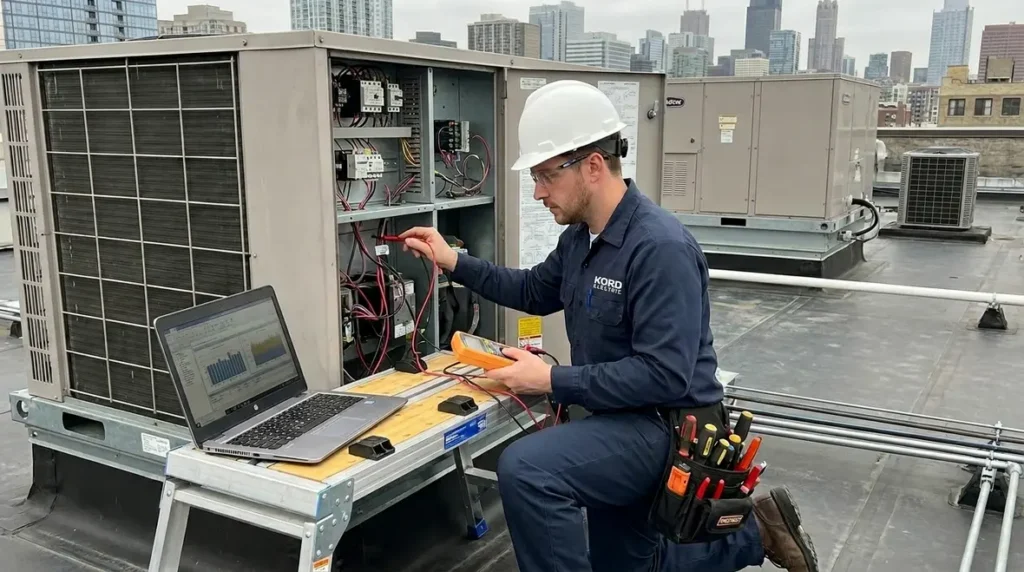
We at Kord Electric treat voltage issues like a story with chapters. First, we measure and compare readings across phases. Then, we review how the building’s loads change throughout shifts. After that, we identify whether the cause sits upstream in distribution or inside the facility, such as at a panel, ATS, or feeder connection.
When an elevator controller resets or a production line pauses for no clear mechanical reason, others may blame a PLC, a sensor, or a software update. However, the root cause can still be electrical. In fact, we often find that power quality problems plant the seeds for later “electronic” failures.
To see how targeted voltage repair fits into a broader reliability plan, many facilities also review Kord Electric’s service page on voltage fluctuations in commercial and industrial facilities, which walks through how unstable power can damage equipment and create nuisance trips.

What Water Ingress, Corrosion, and Dust Contamination Reveal During Troubleshooting
Industrial and commercial buildings live in real conditions. In places with humidity, washdowns, roof leaks, or condensation, electrical enclosures can accumulate moisture. Corrosion then weakens insulation and increases leakage current. As a result, you may see grounds that develop, GFCI or ground fault protection that trips, and signals that drift in control circuits. Even dust contamination can play a role by affecting cooling and surface leakage.
Our expert service staff at Kord Electric does not just look for damage. They check how the damage happens. For example, we look for condensation trails, water staining on conduit runs, degraded gaskets, and cable jacket breakdown. Then we connect those findings to the failure mode we observe, so repairs focus on root cause rather than surface fixes.
And here is the part that sounds simple but saves companies serious money: if water gets into a control cabinet, it will also get into the next week’s problems. Therefore, we encourage facility leaders to address sealing and drainage as part of electrical troubleshooting, not as an afterthought.
When moisture and contamination have been stressing your system for years, it often makes sense to pair troubleshooting with structured inspections. Kord Electric’s electrical preventive maintenance programs are built to catch these conditions early, long before they trigger a shutdown.
Common Electrical Panel and Switchgear Failures That Lead to Downtime
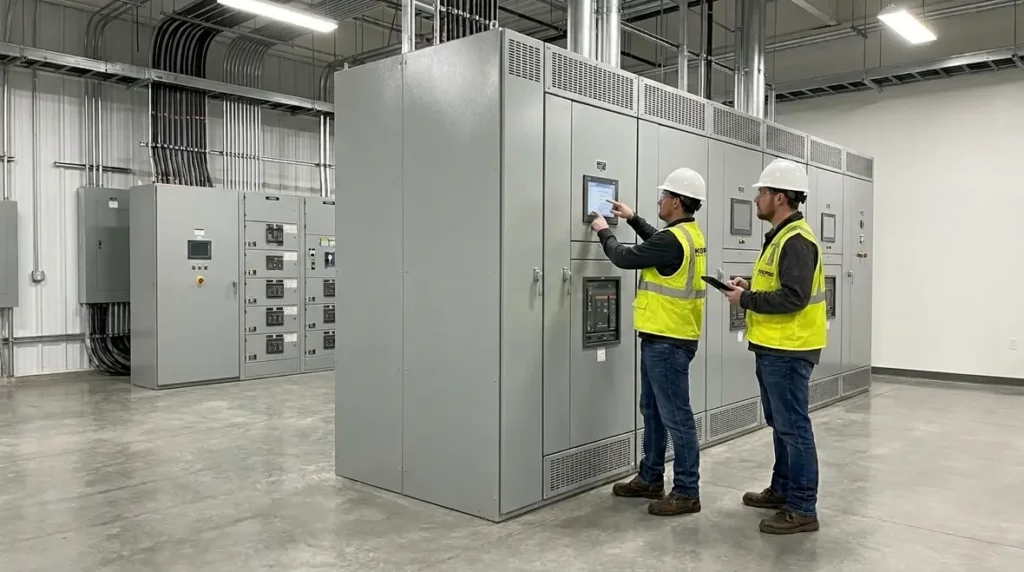
Switchgear and control panels run the rhythm of a facility. When they fail, downtime follows, and downtime is expensive in a way that spreadsheets cannot fully capture. One of the biggest commercial and industrial electrical troubleshooting signs we see is inconsistent operation of protective devices during specific operating events, such as start-up surges or high demand cycles. Another is physical deterioration, including cracked covers, damaged door interlocks, or worn bus bar insulation.
We also notice control circuit faults that appear as alarm spam or unexpected resets. Sometimes the problem sits in the transformer supplying control power. Other times, the cause is a failing relay, a loose terminal, or damaged wiring insulation. Because these issues can look like “software problems,” our technicians focus on electrical checks early so the team does not waste time replacing parts that are not at fault.
Additionally, we pay attention to interlocks and safety systems. If an interlock fails, it can stop equipment and create unsafe conditions. Our approach stays practical for major property buildings, where safety procedures, access, and service windows matter.
If your facility has already experienced emergency shutdowns or unexpected transfer switch behavior, the article on emergency power failures in commercial buildings breaks down how backup systems, switchgear, and distribution equipment fail in real-world conditions.
What Our Troubleshooting Process Looks Like From the First Call
When you contact Kord Electric, our response starts with your system, your schedule, and your safety requirements. First, our team listens to the symptoms and when they occur, because timing often points directly to the cause. Next, we plan a safe work sequence and identify which areas we can test without creating new risk. Then, our technicians measure key values, inspect components, and verify protective device behavior under real conditions.
After that, we explain the findings in plain language. We do not hide behind jargon. We connect each result to a likely failure mechanism, and we recommend the next steps in a way that facility managers can understand quickly. Finally, we document what we did and what we found, because good service should leave a clear trail.
And if you are thinking, “Sounds thorough,” good. Thorough is what you want when electrical systems decide to misbehave. It is not the moment for guesswork or “let’s see what happens.”
For organizations that prefer planned reliability over last-minute heroics, Kord Electric’s electrical preventive maintenance services and broader commercial and industrial electrical solutions help turn one-off troubleshooting into a long-term reliability strategy.
FAQ
Conclusion: Call Kord Electric Before Small Symptoms Become Major Downtime
If your facility shows common industrial electrical troubleshooting signs like flicker, heat, unusual sounds, or repeat breaker trips, do not treat it like background noise. You deserve a team that troubleshoots safely, explains clearly, and fixes problems at the source. Kord Electric serves commercial and industrial sites and major property buildings, and our technicians bring a calm, deliberate process to every call. Contact us today to schedule immediate electrical troubleshooting and protect your operation from preventable downtime.
If you are also planning upgrades or long-term improvements while addressing today’s issues, Kord Electric’s dedicated services for electrical preventive maintenance and voltage fluctuation repair in commercial and industrial facilities can align troubleshooting, maintenance, and capital planning into one clear roadmap.