Emergency Transformer Repair for Data Centers: Response & Reliability
Kord Electric understands what data center operators learn the hard way: power problems do not wait for business hours. That is why we build our Emergency Transformer Repair for Data Centers: Response & Reliability approach around fast action, careful diagnostics, and steady communication. In the moments when a transformer fails, teams can feel like they are trapped in a long reboot. And yes, we have heard the jokes about IT “trying again.” Still, when utility feeds, UPS support, and generator plans collide, we move with purpose. Our technicians and expert service staff explain what is happening in plain language, so others can make quick decisions without guessing. Then we repair, test, and restore confidence, not just the load.
Why transformer failures hit data centers so hard
Transformers handle the heavy lifting between utility voltage levels and the distribution systems inside a facility. When one fails, the downstream impact can spread quickly through switchgear, busways, cooling loads, and critical rack power. As a result, even short disturbances can trigger protective trips, reduce redundancy, or create selective coordination problems. Moreover, the longer a transformer sits in a faulted state, the more risk builds for oil loss, winding damage, insulation breakdown, and thermal stress.
At Kord Electric, our experienced service staff looks beyond the visible alarm. We connect the fault report to the event timeline, then map it to the facility power path. Next, we check for signs that the transformer failed from internal issues such as winding degradation, insulation moisture, or arcing, not just from a utility event. If the root cause sits upstream, we coordinate with the site electrician and utility contacts so the next incident does not repeat. In other words, we treat reliability like a system, not a single component.
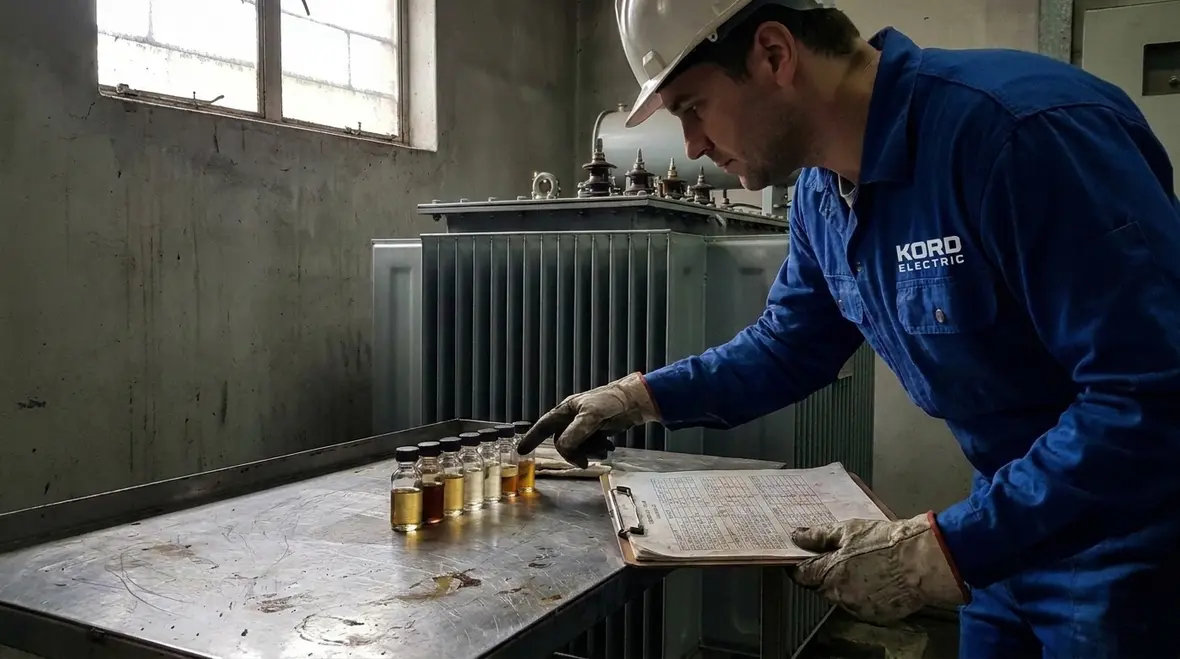
Emergency Transformer Repair for Data Centers: Response & Reliability means faster, clearer action
During an outage, operators need calm. However, nobody calls the transformer because they want calm. So we structure our response around a simple idea: act quickly, verify what we find, and keep the people in charge informed. Therefore, our technicians follow a disciplined process that starts with immediate safety checks, then moves into transformer condition assessment, isolation planning, and restoration steps that protect other equipment.
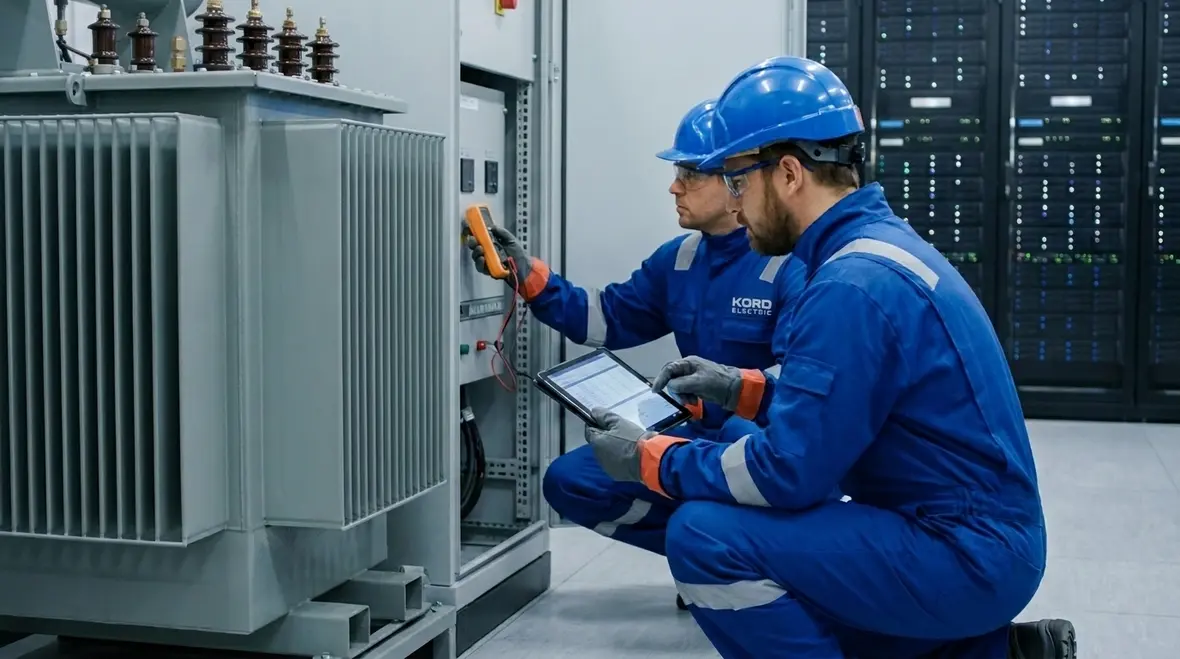
When a transformer shows signs of electrical failure, we do not jump straight to “replace it.” Instead, we gather details such as protective relay behavior, temperature indications, sound and odor reports from on site staff, and the last known operating conditions. Then we evaluate options like oil sampling, insulation tests, and diagnostic measurements that help us confirm whether repair is feasible and safe. After that, we align with the facility’s operational requirements for uptime and redundancy.
Our team also supports the human side. We explain each step and why it matters, so others do not feel like they are watching a magic trick from a dark corner. And if the situation needs a temporary workaround, we help plan it with the rest of the electrical team.
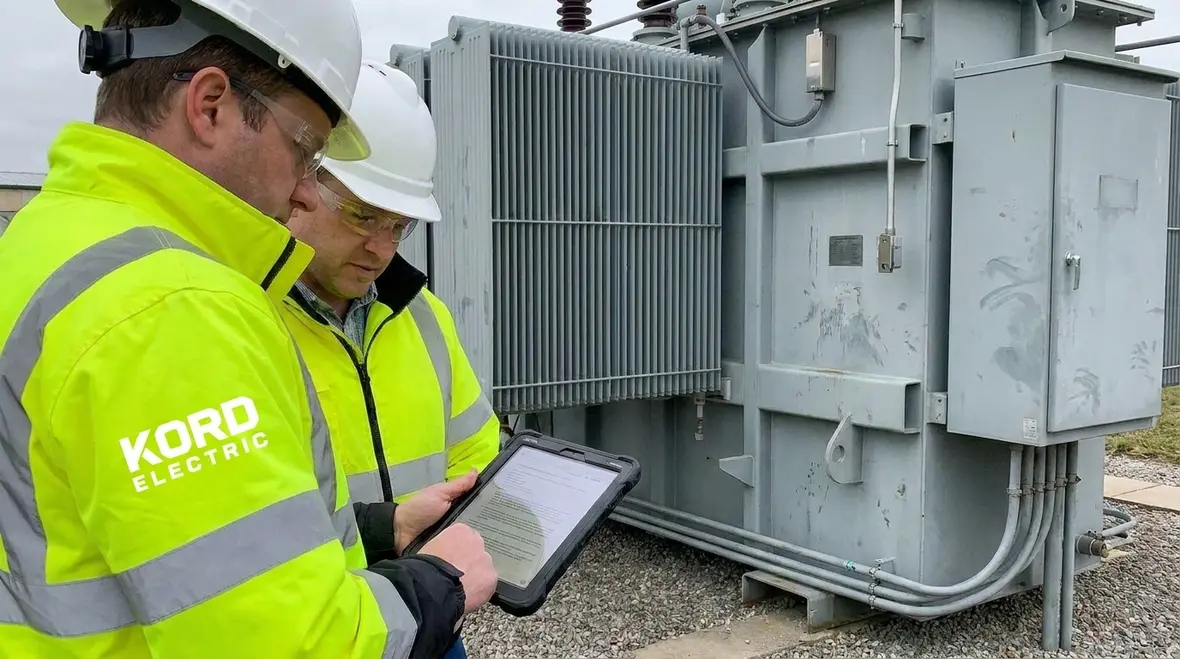
Step by step: how our technicians stabilize power during an incident
Every emergency starts different, yet the fundamentals stay the same. First, we secure the area and confirm lockout and tagout practices. Next, we verify that the transformer and adjacent equipment remain safe to test or repair. Then we focus on the fastest path to restoring critical loads without creating new hazards.
Typically, our technicians do the following, depending on the facility configuration and the event type. We keep these steps aligned with the reality of commercial and industrial facilities and major property buildings, because data centers and similar sites cannot afford guesswork.
- Rapid assessment and documentation: We capture relay data, breaker positions, and event timing from the facility monitoring system.
- Isolation planning: We help reduce the risk of backfeeding and unintended energization while keeping alternate paths available.
- Transformer health checks: We perform diagnostic checks that support safe repair decisions, not just quick fixes.
- Targeted repair work: We address the specific failure mechanism, whether it involves internal components, oil integrity concerns, or insulation issues.
- Restoration and verification: We support testing and energization procedures to confirm stability under load.
- Operational handoff: We explain outcomes, remaining risks, and recommended next steps for the site team.
Also, we coordinate with on site controls and electrical staff so their procedures match ours. That reduces confusion and keeps the facility on a clear timeline. And yes, it prevents the classic situation where everyone is “doing something,” but nobody can explain it during a post incident meeting.

Data center power reliability strategies that reduce repeat failures
When the repair is done, the real work begins: making sure the next outage does not show up wearing the same disguise. Kord Electric supports power reliability strategies that extend beyond emergency response. In our blog resource on data center power reliability strategies and broader topics like data center power reliability and uptime design, we discuss how proactive planning strengthens resilience. We can apply those principles right away during the recovery phase and then through long term maintenance planning.
For example, we look at the full power chain, including transformers, switchgear, protection settings, and thermal management. When protection curves or coordination settings do not match the actual equipment health, nuisance trips can increase and real faults can get misclassified. Likewise, moisture and contamination can gradually degrade insulation and oil, and a transformer might fail sooner than expected if monitoring and maintenance do not catch the trend.
Additionally, our team helps facilities build practical maintenance routines that respect uptime needs. We advise on inspections, oil testing schedules, load monitoring, and condition based checks where feasible. Because data centers run on clockwork, our recommendations focus on work that fits shutdown windows, not work that requires the building to take a vacation.
We also encourage teams to keep clear records of repairs, test results, and component history. That history helps operators spot patterns. Over time, it can turn a “mystery failure” into a predictable maintenance trigger.

Common transformer damage signals and what they usually mean
Not every event looks the same. Still, certain signals often point to a specific type of stress or failure. Our technicians learn these patterns the hard way, then share them so your internal teams can respond with confidence. And because pop culture taught us that “mystery” is only fun in shows, not in the electrical room, we focus on what the signals mean for action.
- Buchholz relay activity: This can signal gas formation from arcing or internal faults. We treat it seriously and verify the failure path.
- Oil leakage or oil level drops: This often links to seals or casing issues. It may also change cooling and insulation behavior.
- Unusual noise: Humming, buzzing, or crackling can indicate mechanical problems, loose components, or electrical stress.
- Overheating indicators: Thermal stress can accelerate insulation aging, so we connect temperatures to load history.
- Protective relay trips with unclear cause: We review settings and event records to avoid blaming the wrong component.
When our expert service staff explains these signals, they do it in the language of the facility. They relate symptoms to likely causes and the next checks that confirm the theory. Then, we match the repair path to the data we collect.
How Kord Electric coordinates with facility teams during restoration
In emergency work, the repair is only half the story. The other half is coordination. Our approach keeps the facility’s commercial and industrial priorities front and center, which means we work smoothly with electricians, controls contractors, and building leadership. We also respect that multiple teams may be involved, and each team needs clear information and realistic timelines.
Therefore, we provide structured updates that cover what we tested, what it shows, and what we will do next. Transition words help reduce confusion, too. First, we explain immediate risks. Next, we outline the repair sequence. Then we describe the testing plan and how it supports stable re-energization. As a final step, we deliver a practical handoff for maintenance scheduling and follow up checks.
We even manage expectations with a little humor when it fits. Because if the incident team is stressed, a calm joke can do more than any pep talk. Still, we never distract from safety or verification. The goal is trust, not just a faster “yes.”
FAQ
Planning beyond the emergency: tying repair into long term reliability
Every emergency call is also a chance to improve the power story for the whole facility. Once critical loads are stable, we often recommend a broader review that connects transformer behavior to distribution paths, redundancy plans, and future growth. For many data centers, that next step includes studying topics like data center power scalability and growth planning so upgrades and new loads do not quietly overload aging equipment or coordination schemes.
We also help clients build a bridge between emergency work and preventive care. That might mean formalizing transformer inspection checklists, aligning oil test intervals with operating stress, or folding key assets into a structured electrical preventive maintenance program. When you combine disciplined Emergency Transformer Repair for Data Centers: Response & Reliability with calm, scheduled maintenance, you get fewer surprises and easier upgrade decisions.
Because data centers rarely stand still, we treat each event report and test result as input for the next design and maintenance decision. Over time, those inputs support smarter choices about redundancy, distribution upgrades, and modernization projects that keep power reliability aligned with the business your data center actually supports.
If your facility operates in Southern California and surrounding regions, Kord Electric can also coordinate emergency transformer repair with broader Los Angeles County electrical services, so transformer issues, distribution concerns, and future projects stay aligned under one practical plan instead of scattered work orders.
Conclusion: call Kord Electric before the next alarm becomes a headline
If a transformer problem threatens your uptime, do not wait for the next failure to teach the lesson. Kord Electric delivers Emergency Transformer Repair for Data Centers: Response & Reliability with disciplined diagnostics, coordinated restoration, and clear communication from our technicians and expert service staff. We serve commercial and industrial facilities and major property buildings, where reliability and speed truly matter. Call us now to plan your response, review your reliability needs, and keep your power system steady when it counts. Because downtime is expensive, and we would rather help you prevent it.
For facility leaders building a longer term roadmap, it can help to pair emergency readiness with design focused resources such as Kord Electric’s guide on data center electrical infrastructure design for reliability. Together, those strategies keep your transformers, distribution equipment, and redundancy plans moving in the same direction: stable, predictable power that supports the data and customers who depend on you.