Warehouse Energy Audits: Electrical Efficiency, Lighting & Cost Savings
At Kord Electric, we lead Warehouse Energy Audits: Electrical Efficiency, Lighting & Cost Savings the way a good foreman leads a job site: calm, thorough, and focused on what actually moves the needle. First, our technicians walk the space and measure the energy signals that normal checklists miss. Then, we translate those measurements into practical upgrades for commercial and industrial warehouses and major property buildings. And yes, we explain everything in plain language, because an energy report should not read like a ransom note.
After the first measurements, the rest gets even more straightforward. We compare current performance against realistic targets, we find the cost leaks, and we map the work into a plan that fits how warehouses run. In other words, we help others reduce bills and improve reliability without shutting the operation down for weeks.
What a warehouse energy audit should uncover
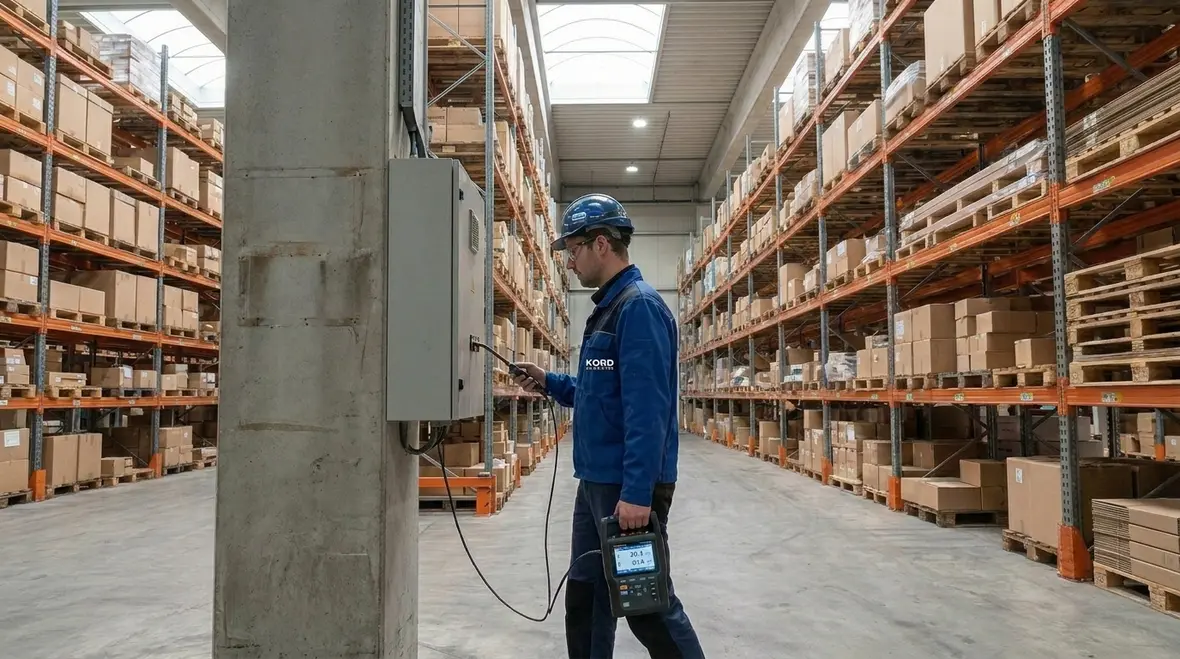
A real warehouse energy audit does not just “look around.” It digs into how electrical power moves through your facility, then it connects that movement to your real operating costs. For example, we typically start by documenting electrical loads and operating schedules, because a warehouse that runs one shift is not the same as a warehouse that runs three. Next, we verify the condition and settings of key equipment, such as lighting controls, distribution panels, motors, and HVAC interfaces.
Then, we measure. We examine lighting circuits and lighting levels, because warehouses often suffer from mismatched fixture ages, uneven layout, and controls that were installed with good intentions and poor follow through. Meanwhile, we also check power quality, wiring condition, and load balance. These factors can quietly raise demand and waste energy even when “everything seems to work.”
To keep it practical, our team does the math and ties results to operations. As our expert service staff puts it, “Energy waste rarely shows up as a dramatic fire. It usually shows up as a steady drip.” Like coffee that never stops brewing, the cost adds up slowly, and then one day you notice you have a full pot you did not plan for.

Electrical efficiency opportunities we routinely find
When we perform Warehouse Energy Audits: Electrical Efficiency, Lighting & Cost Savings for commercial and industrial facilities, electrical efficiency comes in more varieties than most people expect. First, we look at transformer and distribution performance. Then we evaluate how well your panels and feeders match the loads they serve. Finally, we check equipment control strategies, because even good hardware loses value when it runs at the wrong settings.
Common electrical findings include inefficient motor operation, aging or poorly coordinated protection settings, and unnecessary energy draw from connected loads that should idle or turn down. For example, we may discover that motor driven systems run longer than needed due to scheduling gaps, sensor limitations, or control drift. We also check whether your power factor is healthy, since poor power factor can raise costs through demand and utility charges.
We explain these results step by step. Our technicians do not just point at a measurement and move on. Instead, they show how the data links to a specific billing impact. That is how we keep Warehouse Energy Audits from becoming “interesting facts” and turn them into a plan you can approve.
- Load and schedule mapping to match energy use with real operating hours
- Motor and drive performance checks for efficient running and correct control
- Distribution evaluation for balanced loading and reduced losses
- Power quality and power factor review to avoid avoidable utility penalties
For teams looking to go deeper into how warehouse power and lighting tie together, many pair an audit with articles like Kord Electric’s Advanced Power Distribution for Warehouse Efficiency, then align upgrades across panels, motors, and lighting for a coordinated result.
Lighting audit and cost savings that actually show up on bills
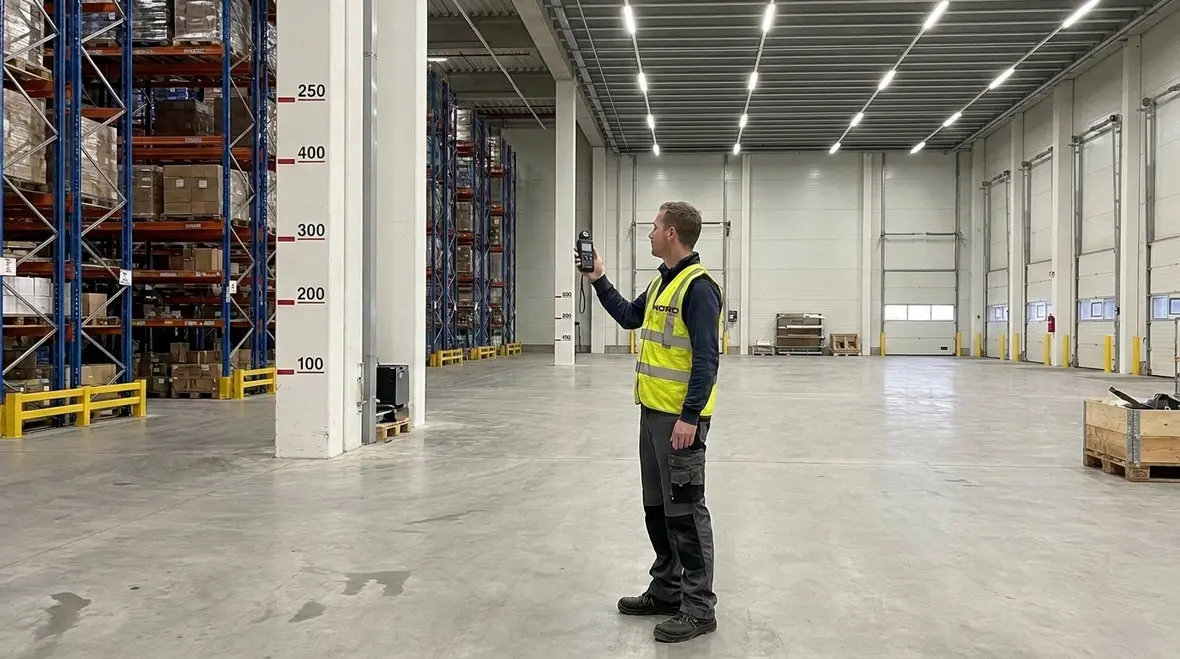
Lighting upgrades often feel like the easiest win, and that is because they frequently are. However, our approach goes deeper than simply swapping fixtures. When we review lighting energy efficiency, we analyze layout, mounting height, reflectance, and the way your lighting controls behave during shift changes and daylight hours.
We lean on guidance like the principles we share in our warehouse lighting energy efficiency and optimization content, including the idea that the best solution balances light quality with the right controls. In practice, we compare current illumination to recommended targets for your task types. We also inspect whether fixtures are dimming properly, whether occupancy sensors cover the right zones, and whether daylight harvesting works as intended. For a focused walkthrough, many managers also explore Kord Electric’s Warehouse Lighting Energy Optimization Guide to see how lighting strategy and audits work together over time.
Then we quantify the results. We estimate energy use reductions, we project payback based on your utility rate structure, and we factor in maintenance needs. This matters because warehouse lighting often drives long term costs through relamping frequency, labor, and safety downtime. As one of our technicians likes to say, “If you save energy but you burn maintenance time, you did not really win.”
- Fixture condition and performance checks to avoid replacing working but inefficient assets blindly
- Control strategy review for occupancy, scheduling, and daylight dimming
- Zone level lighting design updates for consistent coverage
- Maintenance planning to reduce downtime and labor impacts
Lighting-focused audits also open the door to future ready projects. Many facilities treat their Warehouse Energy Audits: Electrical Efficiency, Lighting & Cost Savings as a first step, then use what they learn to plan targeted work using guides like Kord Electric’s Warehouse LED Lighting Benefits and ROI or broader retrofit strategies such as the Energy Efficient Commercial Lighting Retrofit article.
How we measure, model, and build a plan for your schedule
Many audits stall because they stay stuck in spreadsheets. Ours stays connected to the field. First, we take site measurements and collect equipment data. Next, we build an energy model that reflects how your facility operates, including peak demand timing and seasonal variations. Then, we generate options and prioritize them based on impact and feasibility.
Because we serve commercial and industrial warehouses and major property buildings, we respect the rhythm of your work. We time recommendations so upgrades can happen without disrupting receiving, picking, or shipping. Also, we consider safety requirements for electrical work and lighting changes, including how crews access areas and how systems remain operational during phased installs.
To keep the process clear, our expert service staff walks others through the report and the choices. We make sure stakeholders understand what changes will occur, why they matter, and what to expect during implementation. It is like running a good work order: scope, sequence, and outcomes, without mystery meat details.
At this stage, we also discuss how to maintain savings. Controls need calibration, lighting sensors need correct placement, and schedules need occasional tuning. We help you avoid the “install and forget” trap that turns efficiency into a ghost story.
Aligning audits with ongoing electrical services
For many facilities, the smartest move is to treat Warehouse Energy Audits: Electrical Efficiency, Lighting & Cost Savings as part of a wider electrical strategy, not a one time event. That can include pairing audit recommendations with targeted work from Kord Electric’s service offerings across Los Angeles County. When it is time to move from report to action, you can connect directly with their Los Angeles County electrical services team so upgrades follow the same field tested standards that shaped the audit.
Dual-column comparison: upgrade paths and outcomes
To make decisions easier, we typically present two upgrade paths and show what each one can deliver. Below is a simple example of how we lay it out for warehouse teams.
| Upgrade Path | Typical Outcomes |
|---|---|
| Targeted lighting modernization with controls | Lower lighting energy use, improved uniformity, better occupancy response, and fewer maintenance calls |
| Electrical efficiency improvements with motor and distribution optimization | Reduced electrical losses, healthier power factor, improved load balance, and more stable peak demand |
Choosing the right path for your facility
Some warehouses start with lighting because visibility and fast ROI make it an easy internal sell. Others begin with distribution, especially when panels, feeders, or motor circuits already show signs of stress. During Warehouse Energy Audits: Electrical Efficiency, Lighting & Cost Savings, we show how both paths can stack: starting with lighting, then moving into power distribution, or vice versa. The aim is not to chase the biggest headline number. It is to build a sequence of projects that keeps operations steady while savings grow.
Common mistakes that kill savings before they start
If someone promises huge savings with no on site verification, that is a red flag. Real warehouses are messy. Utilities vary. Schedules vary. Equipment ages vary. So, when others skip measurements or skip controls verification, savings often shrink fast.
One common mistake is choosing lighting upgrades without zoning and control logic. Even good fixtures can waste energy if occupancy sensors do not cover the right areas or if schedules ignore real shift patterns. Another mistake is ignoring electrical baseline conditions, such as load balance and power factor. If you upgrade lights but leave a mismatched electrical system running inefficiently, the building still pays extra behind the scenes.
Also, some teams fail to plan for commissioning. After installation, controls need to be tested and adjusted. Dimming curves can differ by driver type, sensors can require re-aiming, and time clocks can drift. Our technicians handle this carefully, and we explain the checklist so your team knows what “done right” looks like.
And yes, we have seen audits that recommend changes like a wish list. The warehouse did not need wishes. It needed measurable work, phased safely, with clear outcomes. We deliver that because your facility needs results, not a bedtime story.
Turning audits into action, not shelfware
The difference between a useful Warehouse Energy Audits: Electrical Efficiency, Lighting & Cost Savings project and a dusty binder often comes down to follow through. That is why Kord Electric ties recommendations to real world services, from smart lighting control projects that build on ideas in their Smart Warehouse Lighting Controls, Sensors & ROI Payback guide to broader reliability improvements explained in resources like the Electrical Troubleshooting Los Angeles County article. The point is simple: measure, plan, execute, and verify.
FAQ: Warehouse Energy Audits for commercial facilities
Ready to lower costs and improve reliability?
If you are ready for a clear path to savings, Kord Electric is here. We help commercial and industrial facilities uncover waste, modernize lighting and controls, and improve electrical efficiency with recommendations you can schedule and approve. Our technicians and expert service staff explain what we find, why it matters, and how the work can run without disrupting your operation. Contact us to plan Warehouse Energy Audits: Electrical Efficiency, Lighting & Cost Savings for your facility and start turning utility spend into predictable performance.
When you are ready to move from ideas to implementation, you can explore how our broader services support long term performance through the Warehouse Lighting Energy Optimization Guide and related commercial resources, then connect with the dedicated team behind Kord Electric’s projects in Los Angeles County and beyond.