
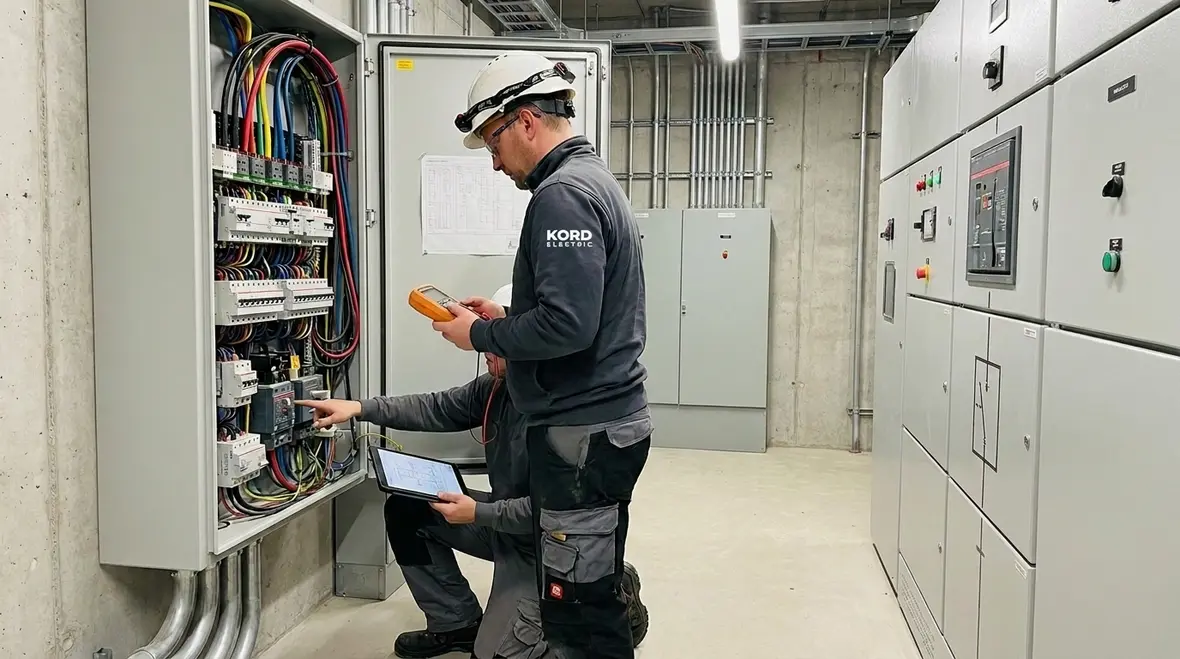
Facility Electrical Load Balancing for Reliability
Kord Electric helps commercial and industrial leaders improve energy reliability by optimizing facility electrical load balancing before problems show up. We look at how power moves through panels, feeders, and distribution gear, and we help teams keep loads steadier across phases. As a result, voltage stays more stable, breakers work less like they are auditioning for a horror movie, and equipment lasts longer. Meanwhile, our service staff explains every step in plain language, so decision makers know what is happening and why. Others may call this “maintenance.” We call it protecting uptime, budgets, and the peace of mind that comes from knowing your power system is not running a daily roulette spin.
Why load imbalance quietly hurts commercial power systems
In major property buildings and industrial sites, electrical load rarely stays perfectly even. However, when it drifts, the effects pile up fast. Uneven phase loading can cause higher currents on one leg, which leads to increased heat in cables, busbars, and transformers. Then, protective devices trip sooner or run hotter, even if the system still looks “fine” on a casual inspection.
That is why our technicians focus on root causes, not just surface symptoms. For example, office spaces and mixed-use wings may add new tenants, remodel floors, or swap HVAC staging schedules. In warehouses, production lines can shift schedules from day to night. Even a “small” change, like adding a bank of chargers or new process equipment, can unbalance load if it lands on the wrong phase.
As load imbalance grows, voltage regulation suffers. Consequently, sensitive equipment such as drives, controls, and high efficiency motors can experience more stress. Over time, that stress shows up as nuisance alarms, motor noise, premature wear, and shortened service intervals. And yes, while the building manager may blame “the grid,” the building is often the one slipping out of balance.
How we assess load patterns without guesswork
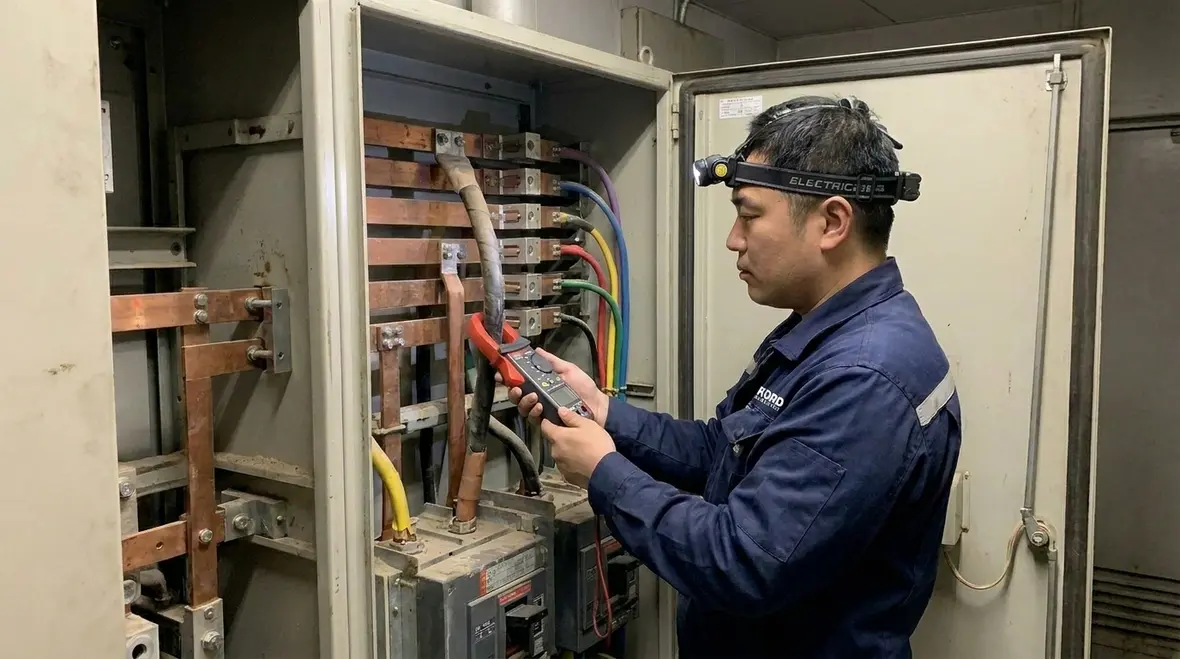
Kord Electric approaches load balancing like a careful audit, not a quick fix. First, we gather data on how current and demand distribute across phases at key points such as main switchboards, distribution panels, and motor control centers. Then, we compare that data against schedules and real operating conditions. In other words, we verify whether the imbalance happens at peak production, after-hours, or during specific building modes like after tenant hours.
Next, our expert service staff explains the findings in a way that helps teams act. If one phase holds a larger share, we trace where that load comes from. Sometimes it is a panel with many single-phase circuits. Sometimes it is a lighting and receptacle distribution pattern that no one updated after renovations. Other times it is motor loading, where starting or variable speed operation shifts current patterns.
We also pay attention to harmonic effects and neutral loading, especially in environments with electronics, power supplies, and variable speed drives. While these are not always the main driver of imbalance, they can intensify heating and create misleading readings. Therefore, our technicians confirm conditions before recommending changes, so the solution fits the facility rather than a generic template.
Practical methods for facility electrical load balancing
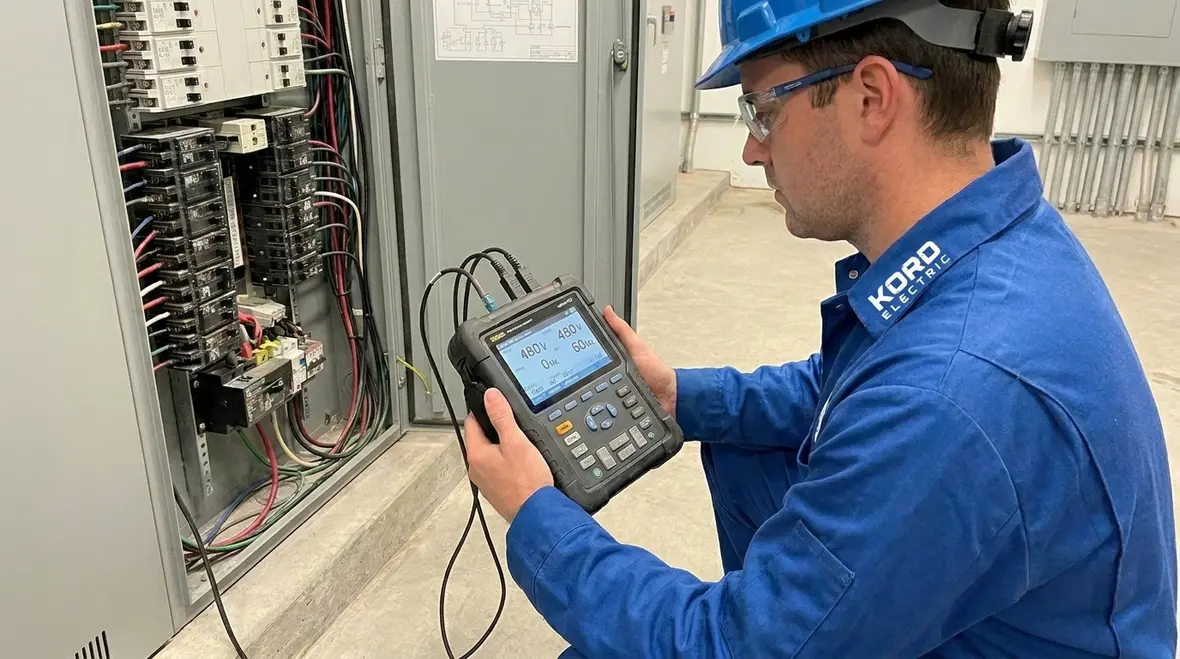
Once we understand the pattern, we design adjustments that improve balance and keep systems safe. Load balancing can involve several methods, and we typically use more than one depending on the facility layout and operating priorities.
1. Circuit re-phasing and panel reconfiguration
Our technicians move specific circuits so that phase current aligns more closely with the overall distribution plan. For commercial tenants, this can involve balancing receptacle banks, lighting circuits, and small mechanical loads. For industrial systems, it can include distributing auxiliary loads, controls, and heaters across phases more evenly.
2. Load scheduling and operational sequencing
In many major property buildings, equipment does not need to run at the same exact time. We help teams coordinate staging for HVAC, pumps, and compressors, especially during start-up periods. By staggering starts, we reduce peak imbalance and reduce the stress on upstream distribution components.
3. Using multi-phase capable equipment strategies
Some loads can be configured to better support balance. For example, when motor control configurations allow, we align connection methods with the facility distribution plan. Similarly, where process equipment has flexibility, we can recommend installation layouts that spread demand more evenly.
4. Installing monitoring where it matters
Optimization is not a one-time event. New tenants move in, production changes, and schedules shift. Therefore, we support ongoing measurement so the facility electrical load balancing improvements remain visible. Monitoring helps staff catch drift early, before it becomes a costly downtime event.
And a small pop culture truth: power systems do not care about your intentions. They respond to wiring reality. So we treat the wiring plan like the script, and we make sure the actors show up on the right phase.

Upgrades that boost reliability without disrupting production
Sometimes balancing requires changes beyond circuit moves. Kord Electric evaluates upgrade paths that reduce risk and limit downtime. We prioritize work that aligns with your operational windows, because in commercial and industrial environments, downtime is not a minor inconvenience. It is a budget event.
Where needed, we can improve distribution capacity by addressing transformer loading, optimizing feeder sizing, and checking busbar performance. We also review protective device settings to ensure trips match real conditions, not outdated assumptions. In facilities with multiple substations or switchboards, we analyze whether imbalance exists at one location or is spreading across the system.
For large buildings, we verify coordination between upstream and downstream protection. Then, we confirm that the system can handle load transients without unnecessary interruption. Our technicians also look for physical factors such as loose connections, damaged insulation, or corrosion that can mimic electrical imbalance. If a phase “acts heavier,” we confirm whether it is truly the load or partly a connection issue.
Finally, we plan documentation and handoff. Our expert service staff explains what changes were made, what to watch for, and how to interpret future monitoring. That way, facility teams do not need to “figure it out” like they are solving a puzzle box from a mystery movie.
For facilities planning broader upgrades, load balancing often pairs naturally with electrical preventive maintenance programs that keep panels, feeders, and switchgear operating safely and reliably over the long term.
What improved balancing looks like day to day
When a commercial facility improves phase balance and stabilizes demand, the benefits show up in practical, measurable ways. Voltage levels stay tighter under load swings, and the facility experiences fewer nuisance trips. Equipment runs cooler, because conductor and transformer loading become more even.
Then, maintenance becomes less chaotic. Instead of chasing hot spots after the fact, facility teams can plan inspections based on actual wear patterns. Motor performance often improves as voltage stability and current stress decrease. Additionally, power quality can improve when imbalance and neutral stress reduce heating and system distortion.
Even operations teams notice the difference. When HVAC sequencing and start-up staging align with the load profile, comfort and process stability increase. And when the building does not “surge” unpredictably, it becomes easier to schedule cleaning, production shifts, and tenant operations without fear of electrical surprises.
Kord Electric measures success with performance indicators tied to your system, not generic slogans. We compare pre and post data, and we help owners understand what changed and why it matters for reliability. For many properties across the region, especially those operating in and around Los Angeles, that reliability work pairs well with broader support such as Los Angeles County electrical services that understand industrial timelines, shift work, and real-world load demands.
FAQ: quick answers for facility managers
Get reliability improvements from Kord Electric
If your commercial or industrial facility has experienced nuisance trips, equipment heating, or unstable performance during peak hours, it is time to act with a plan. Kord Electric audits your system, identifies the imbalance sources, and applies practical changes that improve reliability without unnecessary disruption. Our technicians and expert service staff walk you through each step, so you can move forward with confidence. Contact Kord Electric today to schedule an assessment and keep your power system steady for the long run.
For facilities that want to go a step further, pairing targeted load balancing work with broader support like dedicated emergency electrical services and ongoing preventive maintenance helps ensure that when conditions change, your system stays ready, responsive, and reliable.


