Emergency Power Backup Solutions for Commercial Facilities
Kord Electric builds reliable commercial emergency readiness with emergency power backup solutions that keep critical systems running when the lights decide to take the day off. In fact, our work starts with one simple goal: when a utility outage hits, we help you avoid operational chaos and protect the people, equipment, and revenue your facility depends on. Because in commercial and industrial buildings, downtime is not a vibe. It is a bill. Then again, the grid is not always in the mood to cooperate.
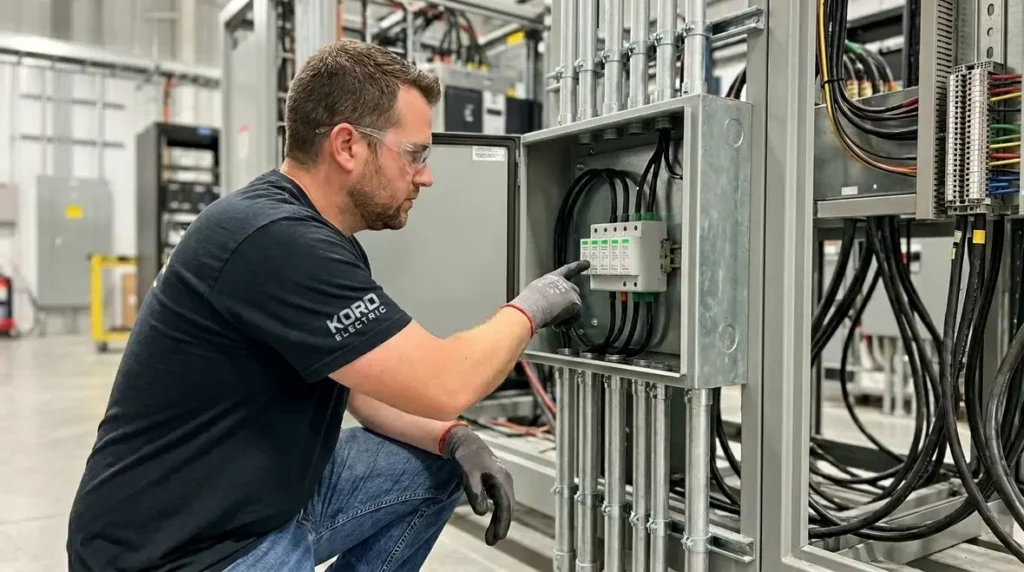
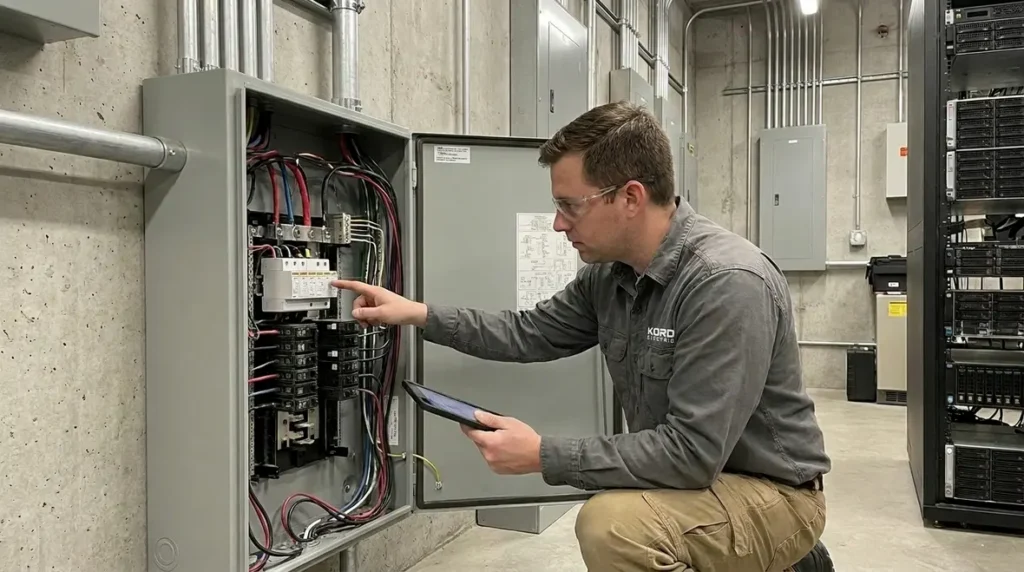
As outages become more frequent and storms get louder, facilities need a backup plan that actually works under pressure. So we show owners, managers, and property teams how to select the right equipment, test it the right way, and maintain it like a serious business. And yes, our technicians explain the process step by step, in plain language, so you are not forced to decode a wiring diagram like a spy movie.
For commercial properties across Southern California, dependable backup power is more than a checkbox. It is what keeps escalators moving, data intact, and safety systems online when the grid takes a break. That is why our team aligns every project with real-world operations, not just drawings on paper. From initial assessment to ongoing support, we keep your facility focused on uptime instead of guessing what happens when the utility feed disappears.
How Kord Electric supports emergency readiness for commercial buildings
Commercial and industrial facilities carry real responsibilities. Elevators, fire alarms, pumps, refrigeration, access control, IT, and life safety systems cannot “figure it out later.” Therefore, we design and integrate power systems with a focus on continuity. We do this by matching your load requirements to practical backup capacity, then verifying the system will transfer smoothly when the grid goes down.
When we talk to others in the same space, we often hear the same concern: the backup equipment exists, but the facility still feels unprepared. That is where our process matters. First, our service staff review your critical loads and operating priorities. Next, we plan the power path so it does not stumble during transfer. Finally, we set up commissioning and maintenance routines so performance stays predictable.
And for those who think backup power is like a seatbelt, we agree with the concept. You hope you do not need it, but you want it to be installed correctly and tested. Otherwise, it is just decorative gear with delusions of safety.
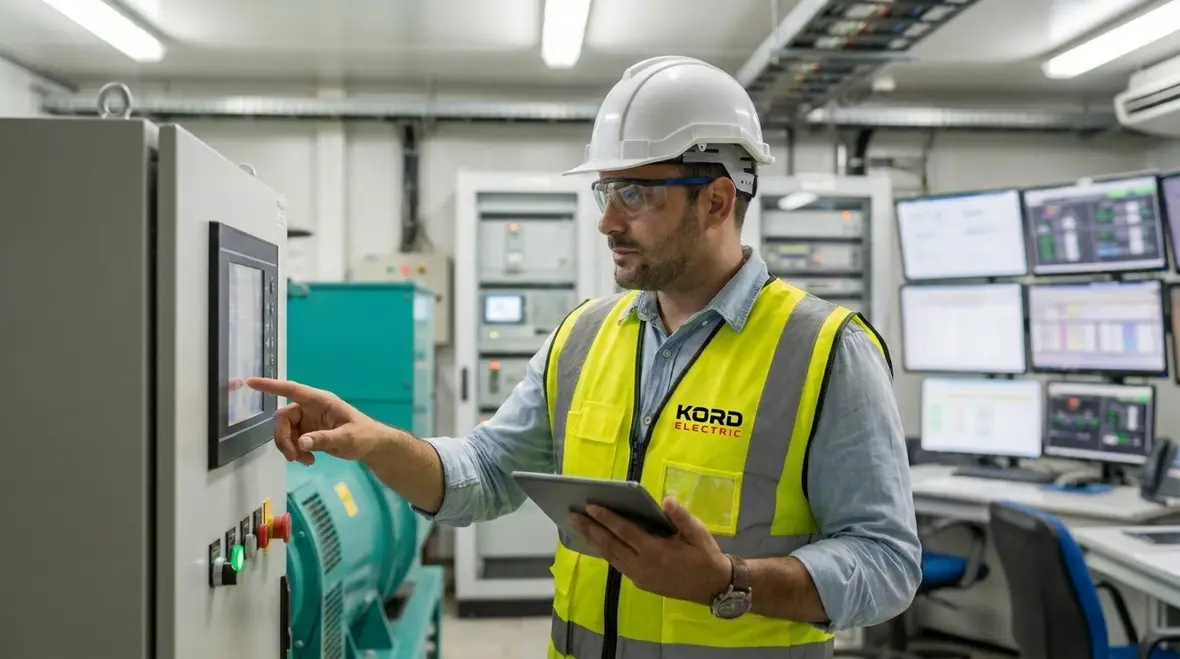
For many facilities, emergency planning also overlaps with ongoing electrical health. Hidden weaknesses, outdated gear, and overloaded equipment can turn a simple outage into a full-blown failure. If you are evaluating your system from the ground up, resources like Kord Electric’s insights on hidden electrical risks in commercial buildings and structured electrical preventive maintenance programs can help you see how everyday reliability supports emergency power performance.
What systems keep running when utility power fails?
In most commercial and industrial buildings, emergency power cannot cover everything. Instead, it must cover what keeps the facility safe, functional, and compliant. As a result, our team helps define essential loads based on your building type, risk profile, and operational needs.
Common categories we support include emergency lighting, fire protection systems, security and access control, and critical communications. Additionally, HVAC for emergency modes, sump and wastewater pumps, and certain process loads may need coverage depending on the site. We also address refrigeration and data systems where loss creates immediate financial damage.
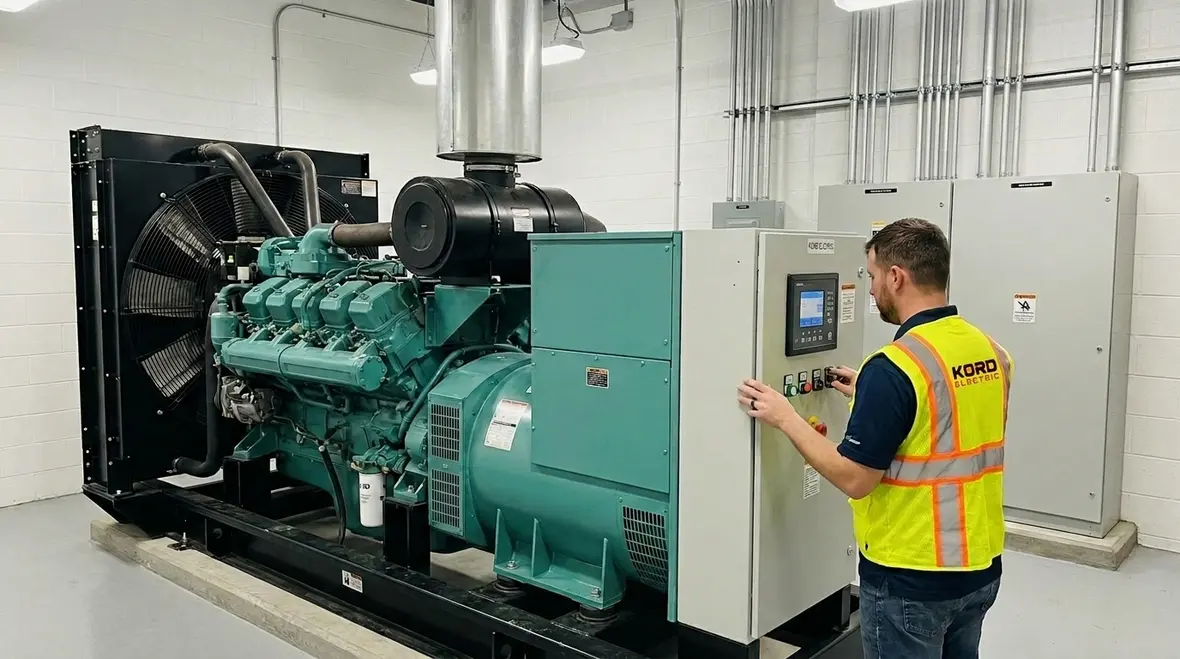
Then comes the next step: transfer strategy. Whether a facility uses generator-based setups, automatic transfer mechanisms, or other integrated architectures, we ensure the system starts reliably and supplies power fast enough for the connected equipment. If your controls require a clean and stable output, our technicians pay attention to that detail because a flicker can become a failure.
We also make sure the facility understands how the emergency power backup solutions behave during startup, transfer, and steady run conditions. That way, staff know what to expect. In other words, your building does not run a surprise quiz when the lights go out.
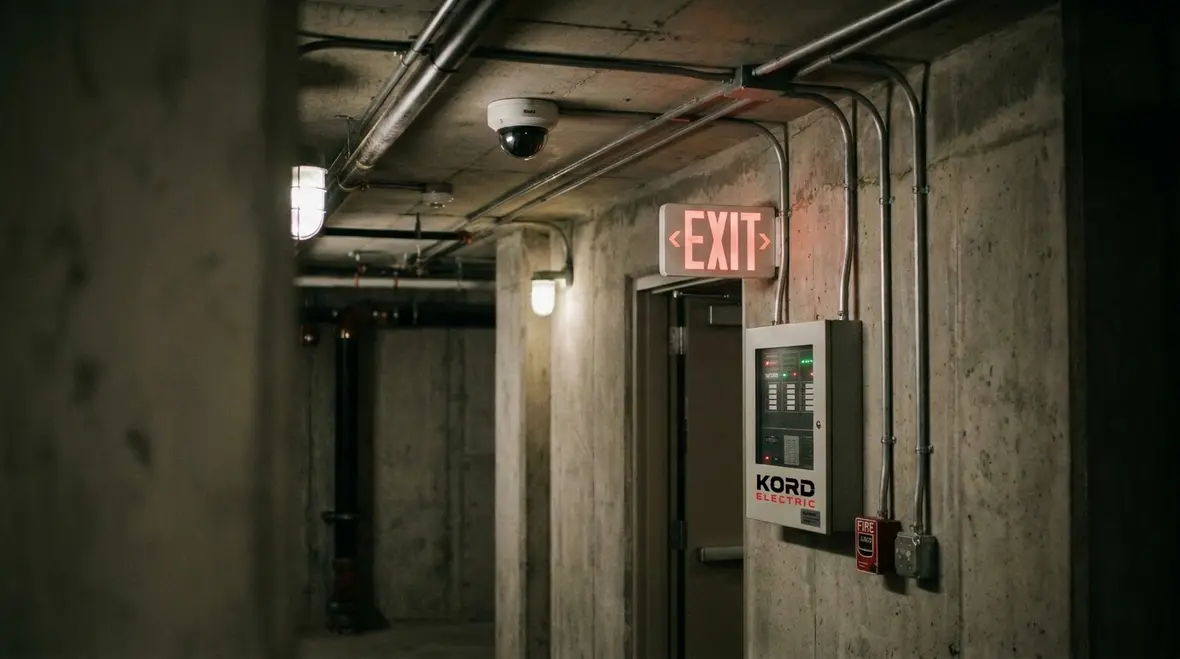
In some facilities, essential loads also include equipment that supports long-term upgrades. For instance, if you are modernizing distribution or planning a phased rewiring, it can be helpful to review system-level strategies such as those in Kord Electric’s rewiring cost guide for commercial electrical systems. Aligning long range improvements with your backup plan keeps the whole power strategy consistent instead of patched together.
Choosing capacity, transfer time, and load priorities
When an owner asks about emergency power, they usually want a quick number. However, capacity is not a guess. It depends on which equipment starts first, how long motors run, and how sensitive your electronic systems are. Because of that, we move past “it should be enough” and build a plan that stays accurate.
We start by mapping your loads. Then we consider starting current for motor-driven equipment like pumps and fans, since these draw more power at startup. After that, we evaluate how long critical systems must remain powered during an outage. Some facilities need short endurance. Others need multi-hour support to protect operations and comply with internal and external requirements.
Transfer time also matters. If life safety or controls require a rapid transition, we focus on configurations that reduce gaps. Meanwhile, if certain systems tolerate short interruption, we can optimize the design to avoid oversizing.
Finally, we help your team select load priorities so the backup system behaves logically. For example, we might keep safety loads first, then bring additional equipment online based on run sequence. This avoids unnecessary stress on the system and protects efficiency. Our technicians explain these tradeoffs clearly so you can make decisions without guessing.
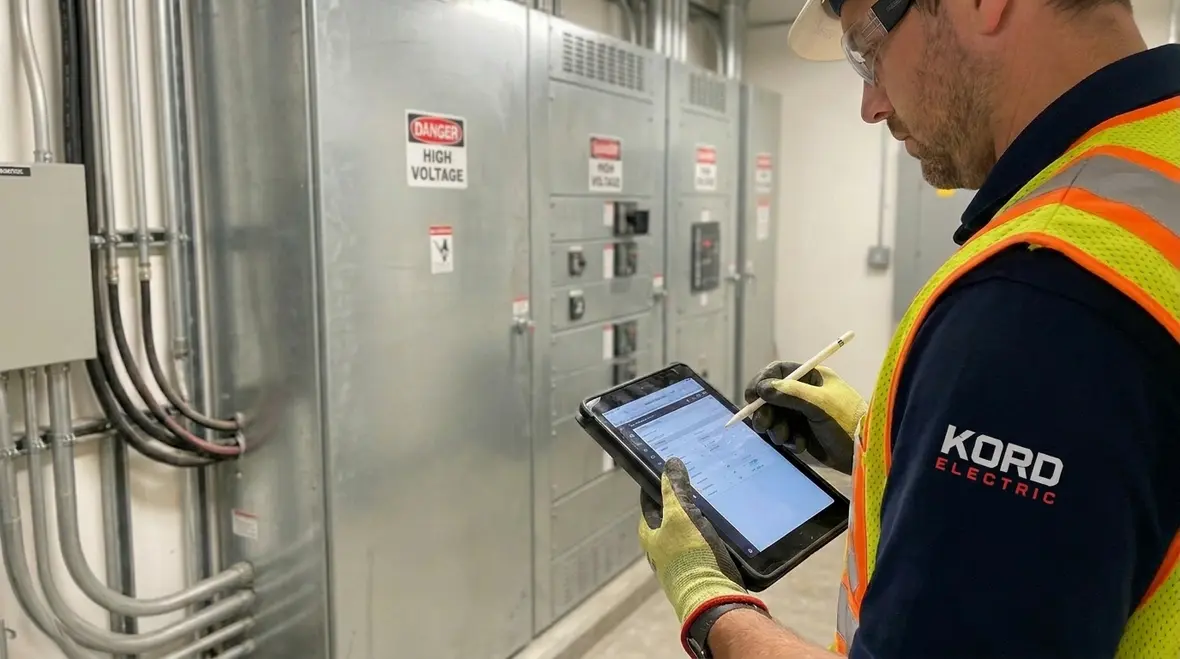
During this planning phase, many facilities also examine other critical investments, from panel upgrades to new distribution paths. Kord Electric’s dedicated pages on electric panels and distribution upgrades and broader Los Angeles County commercial electrical services can help your team see how emergency capacity, everyday reliability, and long-term infrastructure all influence each other.
Commissioning, testing, and maintenance that actually holds up
Backup power reliability does not come from installing equipment and walking away. It comes from commissioning, scheduled testing, and disciplined maintenance. Otherwise, systems can fail when you need them most, and nobody enjoys learning that lesson during a storm.
At Kord Electric, we commission the system so it performs under real conditions. Additionally, we create a test approach aligned with your building operation. That includes transfer tests, run tests, and checks that confirm control behavior during simulated outages. We document results so your team can track trends over time, not just collect paperwork.
Maintenance matters because components age. Fuel quality changes. Batteries degrade. Controls drift. So our expert service staff keep the facility on a preventive schedule. And when something needs adjustment, we address it before it becomes an outage event.
We also help facilities plan training for staff so emergency readiness is not limited to a single person who knows where the keys live. When multiple departments understand what happens during an outage, response gets calmer and faster. In short, the building runs like it rehearsed, because we helped it rehearse.
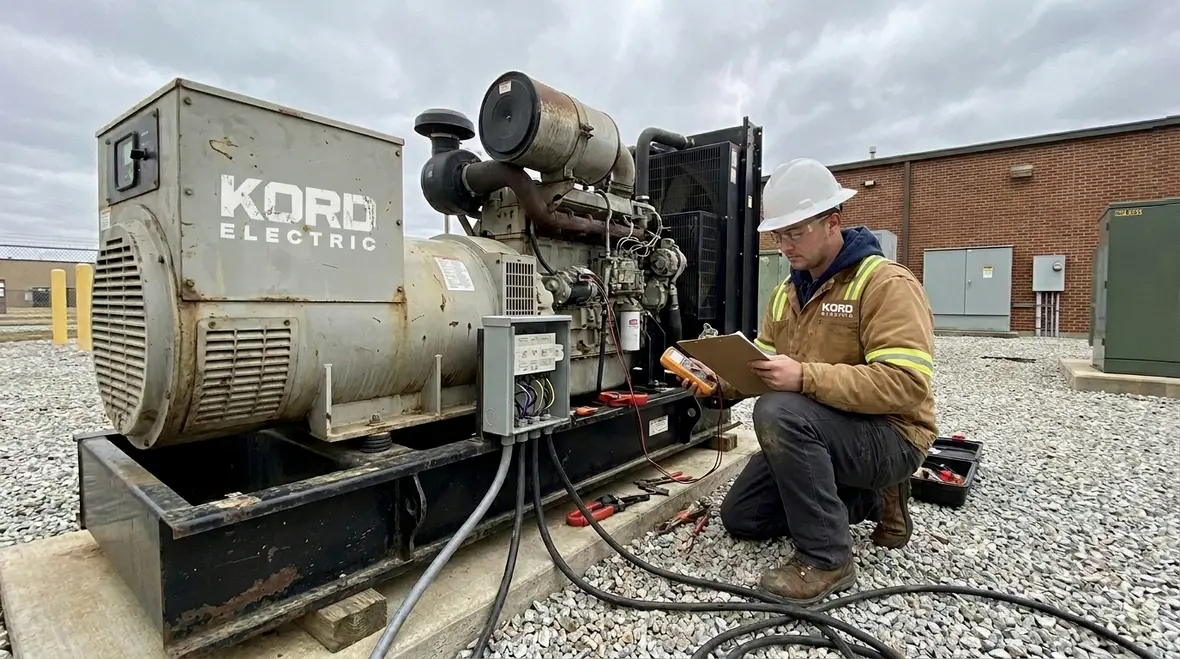
For many properties, the most durable backup strategies grow out of structured maintenance programs instead of one-off visits. If your facility is already exploring broader reliability upgrades, Kord Electric’s electrical preventive maintenance services outline how planned inspections, testing, and documentation keep both everyday operations and emergency responses on solid ground.
Compliance, documentation, and how we make it easy for property teams
Property owners and facility managers often juggle inspections, service logs, and operational reporting. They need emergency power backup solutions that align with expectations and come with clear documentation. Therefore, we structure our service work to support your compliance and audit readiness.
Our team works with your stakeholders to outline what gets tested, how often, and which results get recorded. Then we provide reports that make sense to non technical readers. We do not bury you in jargon. Also, our technicians walk through the details so your team knows what the numbers mean and what actions come next.
For major property buildings, the stakes rise. Multiple tenants and shared systems require careful coordination. As a result, we plan service windows to reduce disruption and we coordinate testing so tenants understand what is happening. Because a building should not lose trust during a maintenance day.
In these situations, our experience helps. We focus on clarity, readiness, and a smooth process. And we keep things business casual, not like a laboratory where nobody talks until the lights dim.
When your facility needs help documenting a full electrical picture, it can be useful to pair emergency planning with system reviews like those in Kord Electric’s article on emergency power failures in commercial buildings. Understanding how outages develop in the real world makes compliance paperwork feel less abstract and more like a playbook your team can use.
Real world scenarios: what goes wrong, and how we prevent it
Emergency power systems can look great on paper, but real conditions bring real problems. For instance, some facilities discover that their connected loads do not match the original assumptions. Then transfer happens, but equipment behaves unpredictably because priority was not defined.
Other times, standby systems start, but they do not stabilize quickly enough for sensitive controls. In that case, electronics can reboot or fail to communicate. Meanwhile, fuel and battery issues can quietly undermine performance long before anyone notices.
Therefore, we prevent these failures through a combination of design verification, commissioning, and ongoing maintenance. We review the load plan with your actual equipment list, confirm controls behavior, and validate performance during structured tests. As a result, the facility can trust the system instead of fearing the next outage.
We also help property teams plan for operational changes. If a commercial tenant upgrades equipment, installs new refrigeration, or adds a process line, the building load profile may shift. So we recommend reassessment when major changes happen, ensuring the system keeps its emergency readiness goals.
And just to keep the humor alive, think of it like this: backup power is not a magic spell. It is engineering, attention, and follow through. Like a good plan, it works because someone checked the details.
When those changes involve significant new power demand, such as EV charging stations or large equipment, Kord Electric’s guides on commercial EV charging installation costs and other capital projects help leadership understand how to integrate emergency power, infrastructure upgrades, and future expansion into a single, coordinated roadmap.
Emergency power readiness FAQ for commercial facilities
Ready to strengthen emergency readiness with Kord Electric?
If your commercial facility needs dependable power during outages, Kord Electric is ready to help you build confidence. We assess critical loads, plan reliable configurations, and support commissioning, testing, and maintenance so your emergency power backup solutions perform when it matters. Our technicians explain each step with clarity, and our expert service staff keeps the work organized for property teams.
Whether you manage a campus, a major property building, or a single high-priority site, our team can tie your emergency planning into broader reliability and efficiency efforts. From preventive maintenance and panel upgrades to support across Southern California, our commercial and industrial electrical services are built for facilities that cannot afford guesswork when the grid falters.
If you are operating in or around Los Angeles County, you can also review our broader Los Angeles County electrical services for commercial and industrial facilities to see how emergency power planning fits into a complete strategy for uptime, safety, and long-term system health.
Contact us today to schedule an evaluation and establish a practical emergency readiness plan that protects your operations, your people, and your budget.