Commercial Electrical Safety for Industrial Controls
At Kord Electric, we treat commercial electrical safety protocols like a quiet superhero: they work in the background, until they save the day. First, our technicians verify lockout and tagout before anyone touches energized equipment. Next, we confirm proper testing and verification of absence of voltage, then we maintain safe work boundaries so control cabinets do not turn into surprise heaters. We also follow approved procedures for PPE, arc flash awareness, and safe test practices, because one wrong assumption can cost more than a month of payroll. Still, safety does not need to feel harsh. We make it calm, clear, and consistent, the way a seasoned operator explains the control system without drowning you in jargon. Others may rush. We do not.
What commercial electrical safety protocols protect in industrial controls
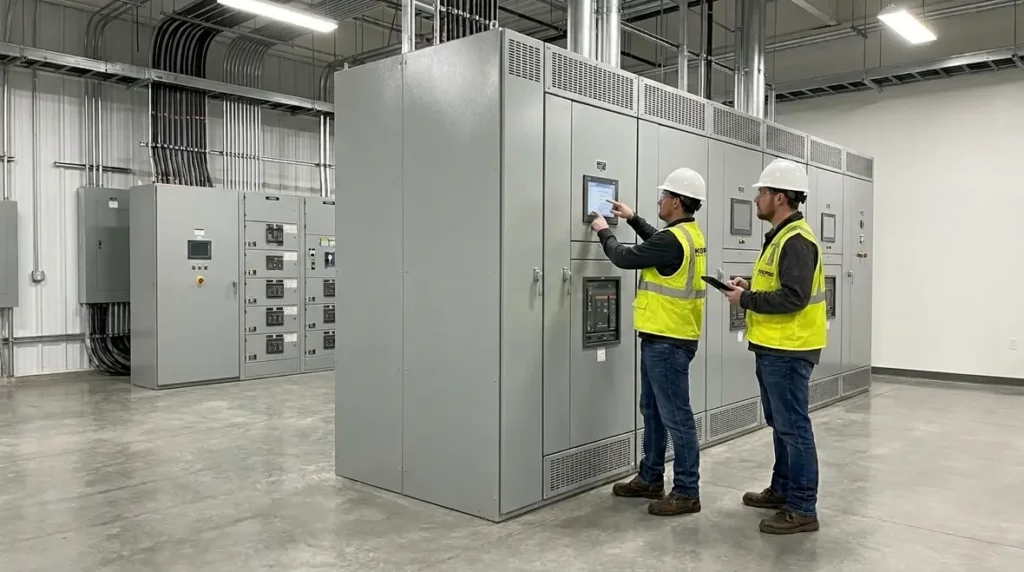
Industrial electrical control systems run like a symphony, except the instruments are relays, contactors, drives, and PLC inputs. When a safety step gets skipped, the music turns into noise fast. That is why our approach focuses on the exact hazards found in control rooms and utility areas: unexpected energization, arc flash, stored energy in capacitors, miswired circuits, and the unsafe return path of current. Even routine tasks like replacing a starter or checking a terminal strip can expose workers if the system still has voltage present somewhere in the control chain. Therefore, the protocols we use help reduce risk before any maintenance begins.
To explain it simply, a control system may look “off” at the operator panel, while a different section stays live. Moreover, a safety inspection that only checks what is visible can miss what is upstream. Our expert service staff documents the system state, confirms interlocks, and tracks how signals flow through protective devices. In other words, we treat the whole control system as one connected organism, not a set of isolated boxes.
Lockout tagout and verification steps our technicians never skip
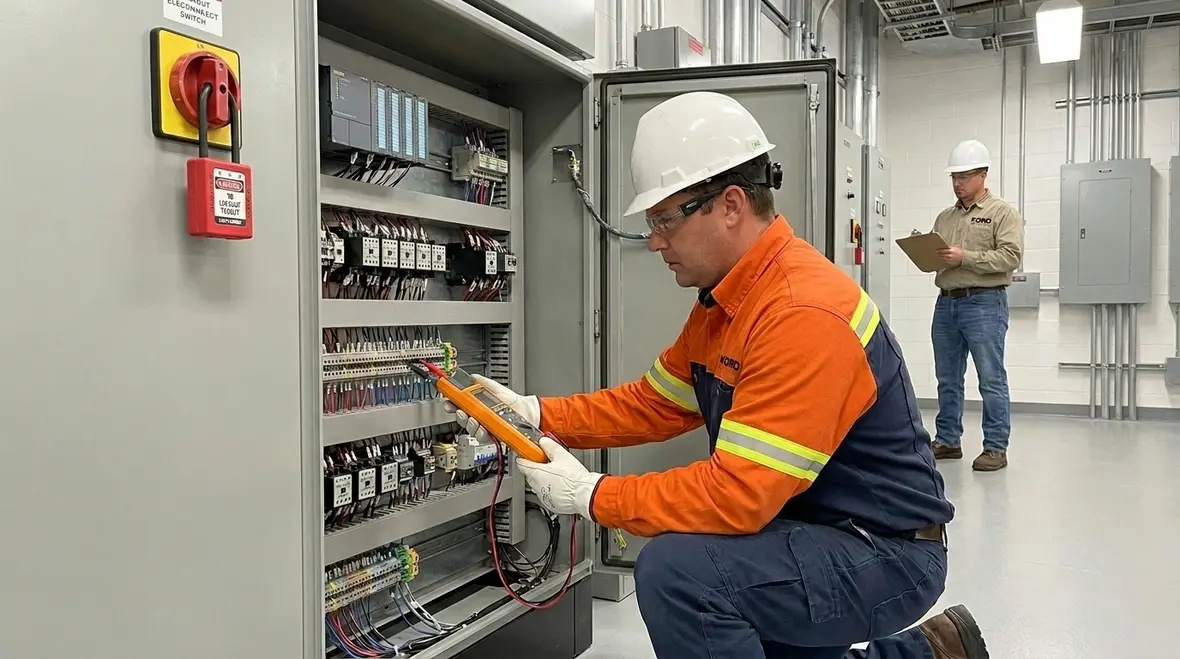
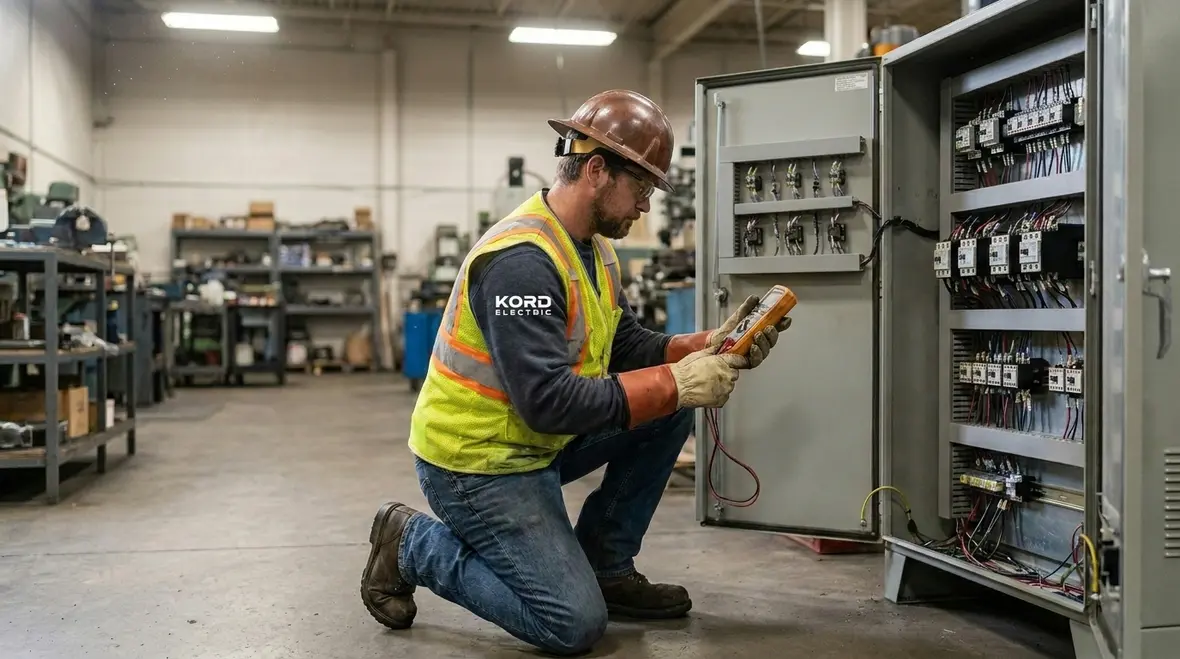
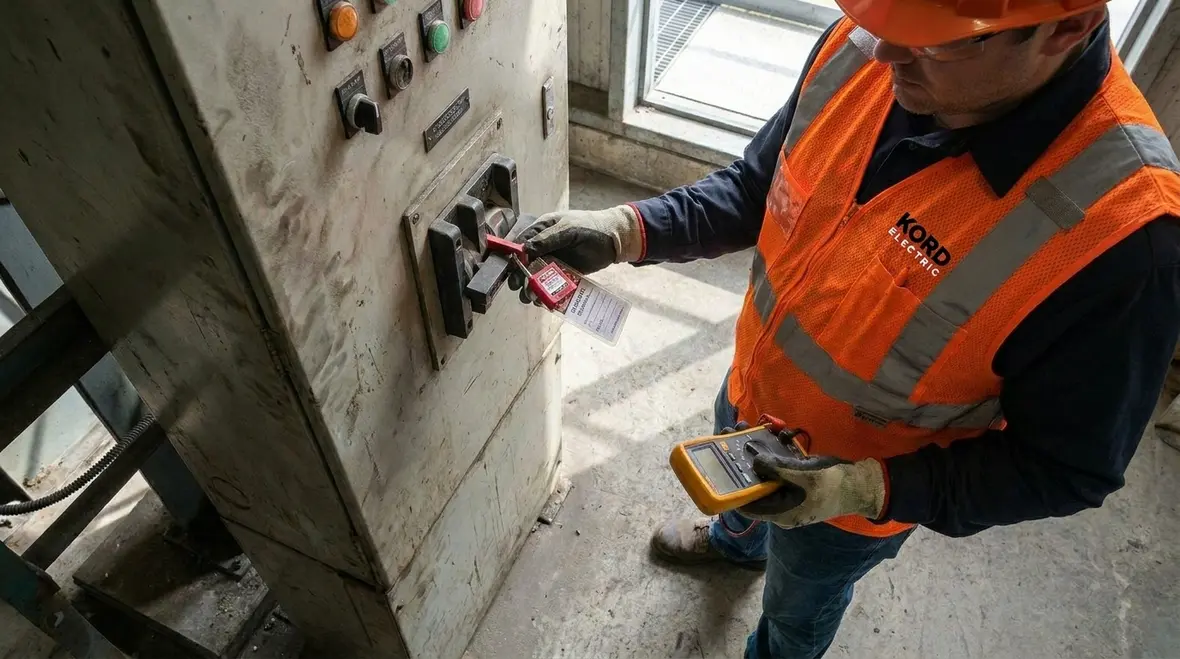
Lockout tagout works best when it includes verification, not just a label on a cabinet. In fact, many incidents happen when someone locks a disconnect and assumes the rest is safe. At Kord Electric, our technicians follow a sequence that builds certainty: we identify the affected equipment, apply lock and tag at the correct isolating point, release stored or residual energy when applicable, and then verify absence of voltage using calibrated test gear. After that, we maintain the condition through the full scope of the work.
Next, we apply safe access practices. We keep covers installed when possible, and we position tools and test leads to reduce the chance of accidental contact. Additionally, we prevent “just for a second” behavior. If a circuit needs re-energization for testing, we control the time, the access, and the method. We even plan for how the system returns to a safe state once testing ends. That is where our expert service staff stands out, because they plan the test like it matters, not like it is a quick selfie on the plant floor.
Arc flash and shock prevention in control cabinets
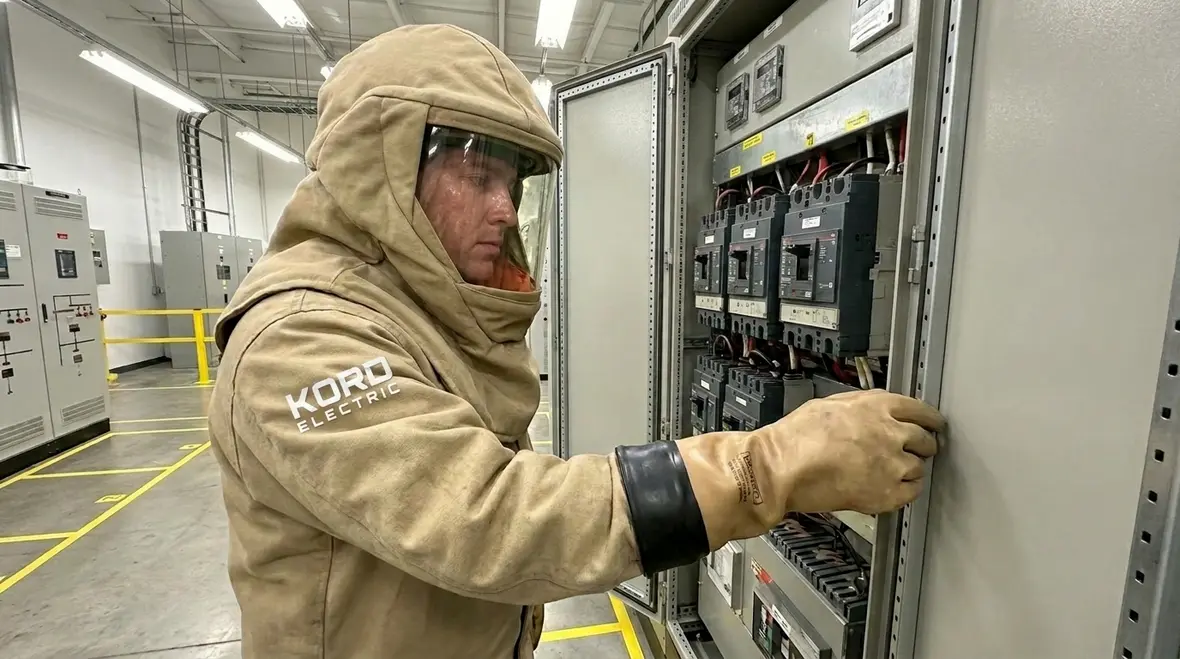
Control cabinets often get treated as low voltage, but that can be a trap. A control cabinet may include power distribution, distribution breakers, protective devices, and control transformers, all in the same enclosure. Consequently, arc flash risk can exist even when the operator believes the cabinet is “just controls.” We manage this by performing a proper hazard-aware approach. We use safe work practices that respect arc flash boundaries, and we verify the presence of protective devices and their settings. Then we match PPE and procedures to the risk level, based on the facility’s safety requirements and our engineering review.
We also address shock hazards in two ways: controlling access to live parts and managing conductive paths. For example, an improper bonding check can cause stray current behavior. Likewise, a damaged insulation barrier can create a surprise route for energy. Meanwhile, our technicians keep a close eye on cable management. A frayed conductor in a cable tray is not “someone else’s problem.” It becomes our problem once it threatens safe operation. And yes, we have heard “it still works” as a defense. Unfortunately, so did the toaster before it started smoking.
Stored energy, grounding, and safe testing for PLC and drives
In industrial systems, stored energy hides in plain sight. Capacitors in variable frequency drives and power supplies can hold charge even after a shutdown. Therefore, we treat “power down” as an action that still requires verification. Our team monitors discharge time and follows facility-approved methods for safe energy release where applicable. We also verify grounding and bonding conditions to ensure fault current can travel safely to protective devices.
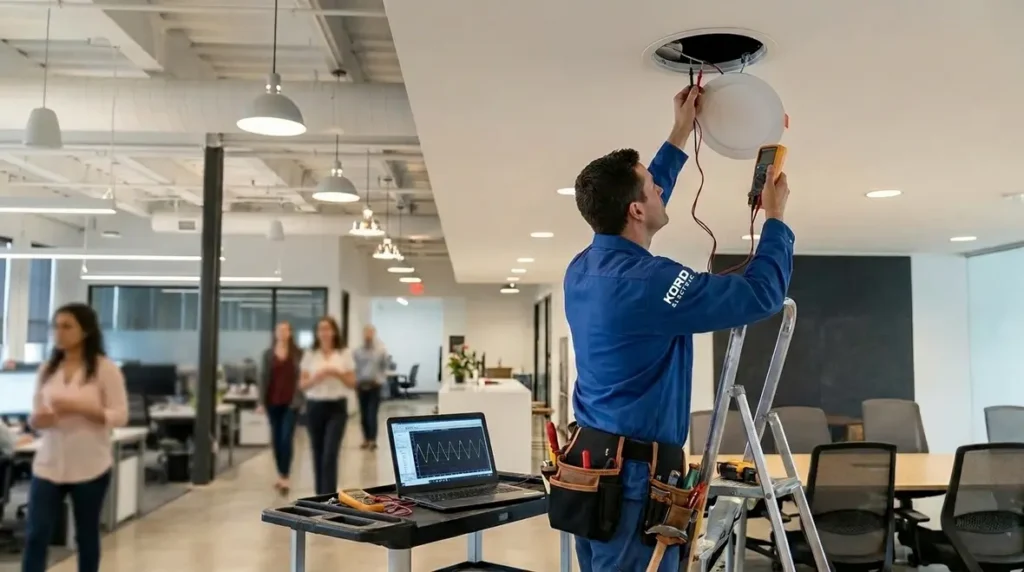
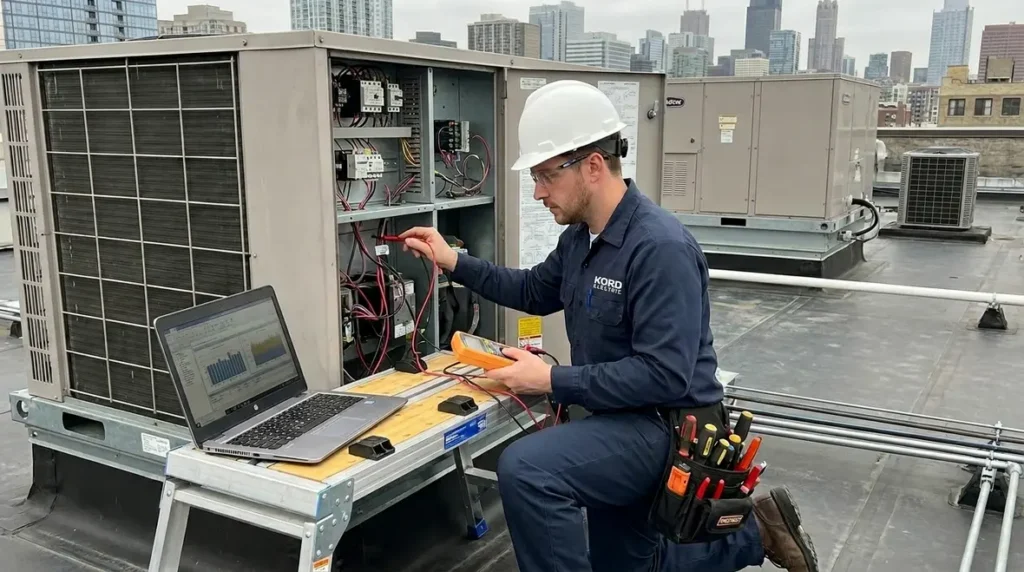
When we test PLC input/output circuits, starter control, and drive interfaces, we do it with methodical discipline. We isolate the test points, use correct meter categories, and confirm meter polarity and limits before we connect. After that, we keep testing steps documented. This matters because a control system troubleshooting session can create confusion if the records do not match the actual work performed.
Additionally, we manage reset behavior. Some systems restart automatically when power returns, and that can cause unexpected motion or process start. So we confirm restart settings, communicate with facility operations, and coordinate timing. In short, we prevent the kind of surprise that makes people yell like it is a movie scene. Industrial safety should not depend on dramatic acting.

How to maintain industrial control reliability without breaking safety
Reliability comes from safe maintenance that does not damage protective integrity. Our commercial and industrial focus means we concentrate on control system components that impact uptime: contactors, relays, terminal blocks, control transformers, enclosures, and protective relays. We inspect connections for heat stress and looseness, clean where allowed, and verify torque where required. Then we confirm that any adjustments still align with the system design.
We also help prevent “safety bypass.” Sometimes people jump around interlocks to keep equipment running. That may feel efficient, but it undermines the safety design and creates liability. Instead, our expert service staff guides the facility through the correct path: identify the interlock function, test it properly, and fix the root cause. This keeps the control system safe and functional, and it avoids the operational risk that shows up months later.
To maintain safety culture, we also support clear documentation and training alignment. We explain what we see in the cabinet, why certain conditions matter, and what outcomes the facility should expect after service. When people understand the “why,” they stop treating the electrical system like a mystery box.
For facilities that want a structured, proactive approach, Kord Electric’s electrical preventive maintenance programs help keep industrial controls and distribution equipment performing safely year-round.
Worksite coordination for major facilities and property buildings
Large commercial buildings and industrial properties require coordination because multiple trades share the same space. Therefore, we schedule access carefully, confirm who controls equipment status, and define the boundaries for safe work areas. Our technicians coordinate with facility supervisors and other contractors to prevent conflicting actions around energized equipment zones.
We also manage permit and documentation processes. If a facility uses hot work permits, equipment isolation forms, or safety hold points, we follow those requirements. Additionally, we keep communication tight during testing and return-to-service. For example, when we restore power after maintenance, we confirm that monitoring points, alarms, and control states return to expected conditions. Then we conduct functional checks that align with the site’s safety and operating procedures.
And if you are thinking, “That sounds like a lot of steps,” you are correct. But so does a shutdown investigation report. We would rather do the right work once than pay for a remake later.
For a broader look at how these practices fit into your overall infrastructure, you can also review Kord Electric’s insights on hidden electrical risks in commercial buildings and how early detection supports safer industrial control environments.
FAQ about electrical safety protocols for industrial controls
Call Kord Electric before the next maintenance day becomes a safety event
If your industrial control systems need maintenance, inspections, or troubleshooting, we help you do it the safe way, with clear steps and calm communication. Our technicians follow commercial electrical safety protocols and verify conditions before anyone works inside control equipment. That reduces risk, protects uptime, and keeps your teams focused on production instead of incidents. Contact Kord Electric to schedule a service visit for your commercial or industrial facility, and let us handle the details while you keep the building running.
For facility leaders planning broader upgrades or new projects, Kord Electric also provides full Los Angeles County commercial and industrial electrical services to support panels, distribution, lighting, and critical controls across major properties.
Whether you are addressing a specific control cabinet, a full production line, or an entire building full of electrical equipment, the goal stays the same: safe operation first, reliable performance right behind it. With a disciplined approach to commercial electrical safety protocols, your industrial controls can support the workday without turning maintenance into a high-stress event.