Electrical Panel Load Analysis for Facility Expansion
When a commercial or industrial facility plans to grow, the electrical system usually grows a little slower, like a character in a movie who “totally has a plan” but starts improvising at the worst time. That is why we start with professional electrical panel load analysis early, so the new equipment does not overload existing circuits. In those first planning meetings, we look at real operating conditions, not wishful thinking. Then we map expected loads across the panel, feeders, and main service, and we compare the results against what the system can safely handle.
At Kord Electric, our service does not stop at a number on paper. Our expert technicians explain what we see, why it matters, and what upgrades protect uptime. And yes, we keep it business casual, not mystery novel. Now let’s get into how the process works for facility expansions.
Electrical panel load analysis for facility expansions: what we actually measure
We begin by collecting the facts that drive a electrical panel load analysis: nameplate data, motor ratings, lighting loads, HVAC details, receptacle loads, process equipment, and any standby or backup loads. Then we translate those items into realistic demand using load factors and duty cycles. In other words, we treat your building like an operating system, not a brochure.
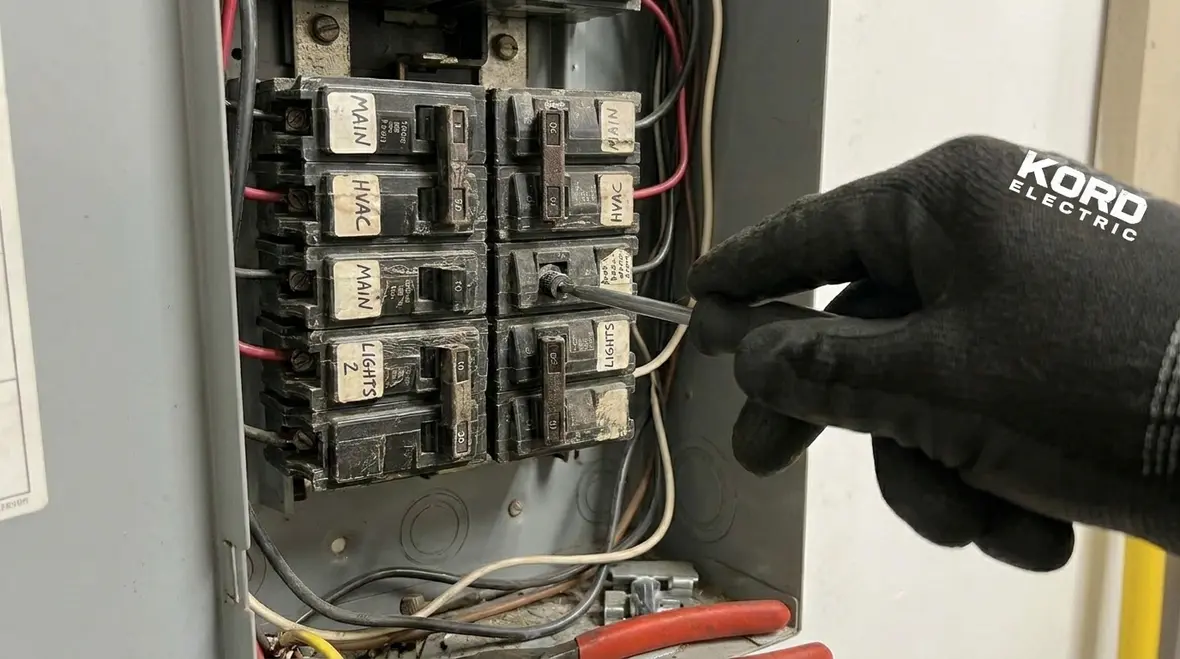
To keep the numbers honest, we also confirm how equipment runs in the real world. For example, a compressor may not run at full load all day, but its starting current and duty pattern still affect the electrical stress. Likewise, HVAC may cycle, yet the panel still sees peaks and recovery swings. As we build the load model, we use transition words and plain logic so others can follow the decision chain later, whether that person is your project manager or the facilities lead who has seen “surprise trips” more than once.
This early investigative work often pairs well with broader reliability planning. For example, companies exploring electrical panel labeling best practices or preventive maintenance programs can combine those efforts with an electrical panel load analysis to keep information, documentation, and real-world loading on the same page over the long term.
What our technicians review during a commercial panel study
Our expert service staff goes panel by panel, and also beyond the panel. We check the following areas so the expansion design aligns with how the facility will function after construction:
Existing panel inventory: breaker ratings, bus capacity, available spaces, and any past modifications
Main service and feeders: ampacity, conductor condition, and voltage drop expectations
Meter and utility interface: service type, current transformer considerations, and constraints that can limit growth
Load types: motors, variable frequency drives, lighting, cooking or process circuits, and IT loads
Neutral and grounding behavior: especially when large non linear loads exist
Then we bring it together into a demand forecast that reflects expansion schedules. If the project includes phased commissioning, we account for the fact that loads may rise in stages. That prevents the classic “Phase 1 works, Phase 2 trips” scenario that nobody wants, except maybe the writers of sitcoms.
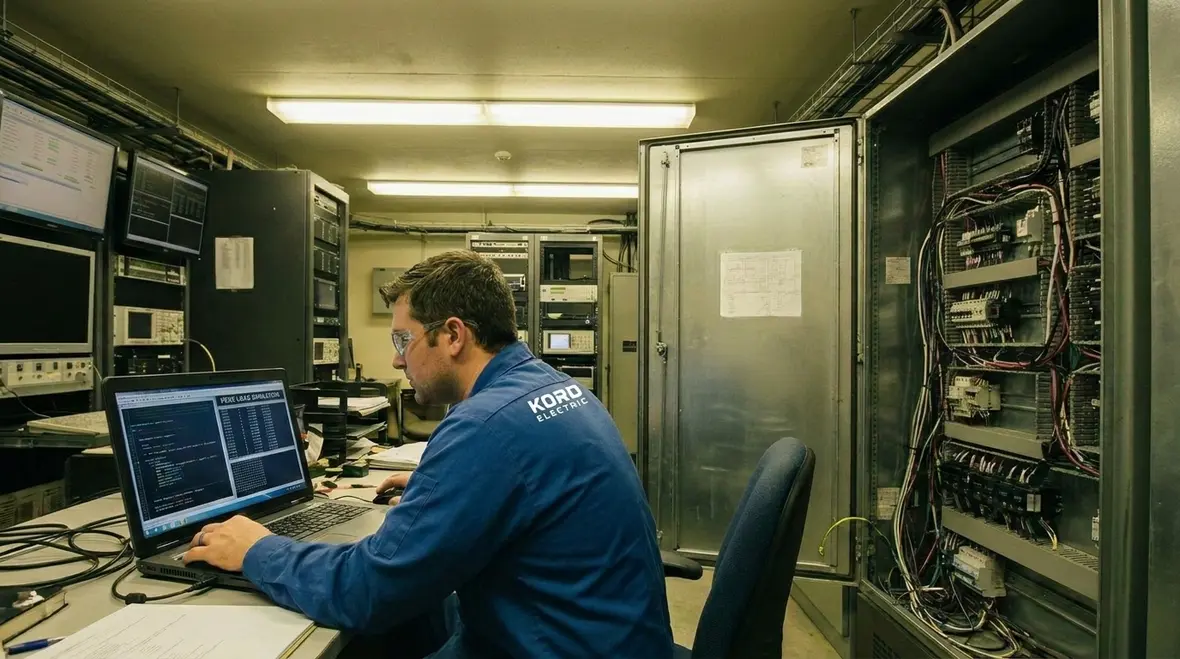
During this review, we also keep an eye on how the panel and distribution system fit into your broader electrical risk profile. For facilities already dealing with issues such as voltage instability, pairing load analysis with services like a dedicated voltage fluctuation assessment can reveal whether expansion will push borderline conditions into full-blown problems.
How we model peak demand without guessing
Facility expansion plans often rely on rough estimates. We do not. Instead, we use a structured approach to compute peak demand and operating load. First, we identify which loads are continuous, which loads are intermittent, and which loads create short but severe surges. Next, we group related circuits and apply appropriate diversity factors based on typical operating schedules for that specific facility type.
Then we address the parts of the electrical system that behave differently under stress. For example, motors and compressors create starting effects that can stress breakers and bus bars even when the steady state load seems reasonable. If your expansion includes equipment like chillers, pumps, conveyors, or air handling units, the starting and cycling behavior matters. We also evaluate harmonics risk when the facility includes drives, power supplies, and modern controls.
Meanwhile, we keep communication clear. Our technicians explain the method step by step, so your team understands what assumptions we used and why. That way, decisions happen with confidence rather than with a hope and a prayer.
For many facility teams, this is also the ideal moment to compare planned loads against code requirements and best practices. We align our electrical panel load analysis with standards referenced in resources like the NFPA 70 National Electrical Code overview, so your expansion not only runs well but also stays aligned with the latest safety expectations.
Panel capacity, breaker coordination, and safety margins
Once we predict load, we confirm that the panel can carry it safely. That includes checking bus loading, breaker sizing, and whether the panel will operate within expected temperature and performance ranges. We also consider short circuit and fault protection, because a breaker that trips “eventually” may not protect what matters during a fault event.
In commercial and industrial buildings, safety margins are not optional, they are the difference between planned maintenance and emergency downtime. Therefore, we evaluate how breaker coordination supports selective tripping, so the fault clears at the right level instead of shutting down more equipment than needed. We also check that future breaker additions fit within the physical constraints of the panel enclosure and bus layout.
Additionally, we look at spare capacity. Many projects fail because teams use every available breaker space and then forget the next tenant, the next upgrade, or the next “small change” that becomes a big problem. Our approach helps others avoid that trap early, when fixes still feel manageable.
When the analysis shows that existing capacity or protection is too tight for comfort, we outline practical options. That might mean targeted panel upgrades, redistribution of loads, or pairing the work with a broader program such as electrical preventive maintenance to address wear, loose terminations, or aging components at the same time.
Design recommendations for real expansion projects
After we complete the electrical panel load analysis and load model review, we share recommendations that support both the electrical design and the construction schedule. Sometimes the answer is not complicated. Other times, the answer saves months. For instance, we may recommend a new feeder to a dedicated distribution panel for high growth equipment, or we may propose load balancing across panels to reduce simultaneous peak stress.
When the main service has limited headroom, we may recommend service upgrades or staged improvements that match commissioning timelines. If neutral loading is a concern due to nonlinear equipment, we may recommend conductor sizing and panel configuration changes to prevent overheating. And if voltage drop is likely, we may propose conductor upgrades or improved routing strategies.
Throughout, our expert service staff explains the “why” in plain terms. We avoid buzzwords, and we do not hide behind vague statements like “we should look at it later.” We deliver clear next steps, so your team can move forward with permits, coordination, and procurement.
These design recommendations also look beyond a single project. For multi-site operations—such as factories, campuses, or data centers—our team can align panel and load planning with broader reliability goals. That might include integrating insights from checklists like the electrical system troubleshooting for factories guide or data center maintenance strategies, so expansions support long-term uptime instead of just short-term capacity.
Coordination with mechanical, controls, and project timelines
Electrical work does not live in a vacuum. During facility expansions, we coordinate with mechanical teams, controls designers, and construction leads so the electrical plan matches the real equipment schedule. That means we align power requirements with HVAC sequencing, confirm motor starter or drive needs with control logic, and review any automation panels that feed critical systems.
Then we plan around outage strategy. For many commercial sites, the expansion cannot simply cut power and restart. We help structure the work so existing operations continue while we connect new loads safely. In phased projects, we also verify that temporary power arrangements do not exceed the capacity of temporary feeders and panels.
We even keep an eye on the “pop culture” risk factor. You know the one: the equipment arrives late, and suddenly the timeline becomes a dramatic montage. Our load planning helps reduce last minute surprises, because we already know the electrical path each major equipment item will take.
For facilities in and around Los Angeles, this coordination often benefits from local expertise that understands permitting timelines and real-world construction sequences. If your project involves regional upgrades, it can help to pair expansion planning with broader Los Angeles County electrical services so your electrical panel load analysis connects cleanly to field work, inspections, and ongoing support.
Electrical panel load analysis FAQ for commercial facilities
When facility managers and project teams start talking about electrical panel load analysis, the same questions come up over and over. Below is a quick FAQ that captures what most clients want to know before they schedule a study for their next expansion or major upgrade.
Ready to expand without tripping breakers at the worst time
If your facility expansion is coming, we can help you plan the electrical capacity before the first equipment gets installed. Kord Electric provides practical electrical panel load analysis, capacity checks, and upgrade recommendations for commercial and industrial facilities. Our technicians explain the results clearly, so your team can approve scope with confidence and move forward on schedule. Contact Kord Electric today for a site specific review, and we will help you build an electrical plan that stays calm when your project does not.
Whether you are updating a single production line or planning a multi-building upgrade, Kord Electric can connect your analysis, design, and field work into one coherent plan. You can learn more about our broader capabilities by visiting the main Kord Electric commercial and industrial electrical services overview, or reach out directly to align your next expansion with a load model that actually matches how your facility runs in real life.