

Facility Electrical Risk Assessment for Compliance
When a commercial or industrial facility needs electrical compliance, the work cannot stay vague or “good enough.” That is why our facility electrical risk assessment starts the process with a clear look at real-world conditions: equipment, layouts, temporary power, maintenance history, and how people actually move through the space. In the first step, we use practical checks and careful documentation to understand where risk exists, why it exists, and how we reduce it before anyone gets hurt or an inspector gets grumpy. And yes, inspections can feel like pop quizzes, but our approach keeps the answers ready. After all, the goal is not to pass a test. The goal is to protect your people, your operations, and your reputation.
How a facility electrical risk assessment supports compliance
Third party compliance does not happen by accident. It happens because someone makes the hazards visible, then controls them with evidence. Our technicians and expert service staff at Kord Electric conduct a facility electrical risk assessment that aligns with common industry expectations for risk management, safer work practices, and traceable corrective actions.
First, we map the electrical system as it exists, not as a drawing suggests. Then we evaluate risk categories such as shock potential, arc flash exposure, fire ignition sources, equipment condition, and workmanship concerns. As we do this, we also confirm that protective devices and grounding practices perform the way the design intended. Moreover, we compare current conditions against the operating realities of a major property building, where changes happen fast and “temporary” can linger longer than anyone admits.
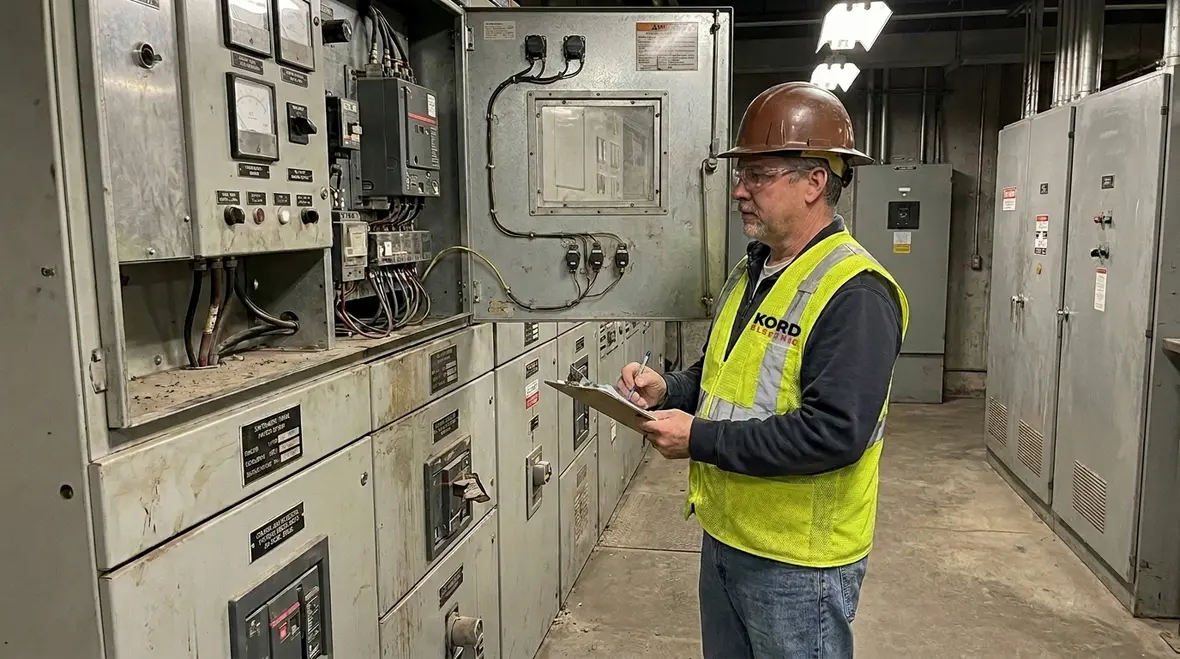
What we evaluate across commercial and industrial systems
A strong assessment covers more than panels and breakers. In large buildings, risk hides in details: the routing of feeders, the condition of cable terminations, the labeling quality, the presence of moisture, and the way power gets extended during construction. Therefore, we focus on the full chain of risk.
Specifically, our team reviews:
- Distribution equipment, including switchgear, MCCs, panelboards, and transfer equipment
- Protection and coordination, so breakers and fuses clear faults reliably
- Grounding and bonding, since proper paths control fault current and reduce shock hazard
- Isolation and lockout readiness, including access, labeling, and whether controls can be applied safely
- Work practices, such as how maintenance teams perform troubleshooting and energization
- Physical environment, including heat, dust, vibration, water intrusion, and corrosion
Additionally, we inspect areas that usually get ignored until something breaks. For example, we check cable management routes and termination points in support spaces, electrical rooms, mechanical corridors, and loading areas. In large facilities, those spaces quietly become “the mystery box of electrical issues.” We open that box early, with calm confidence.
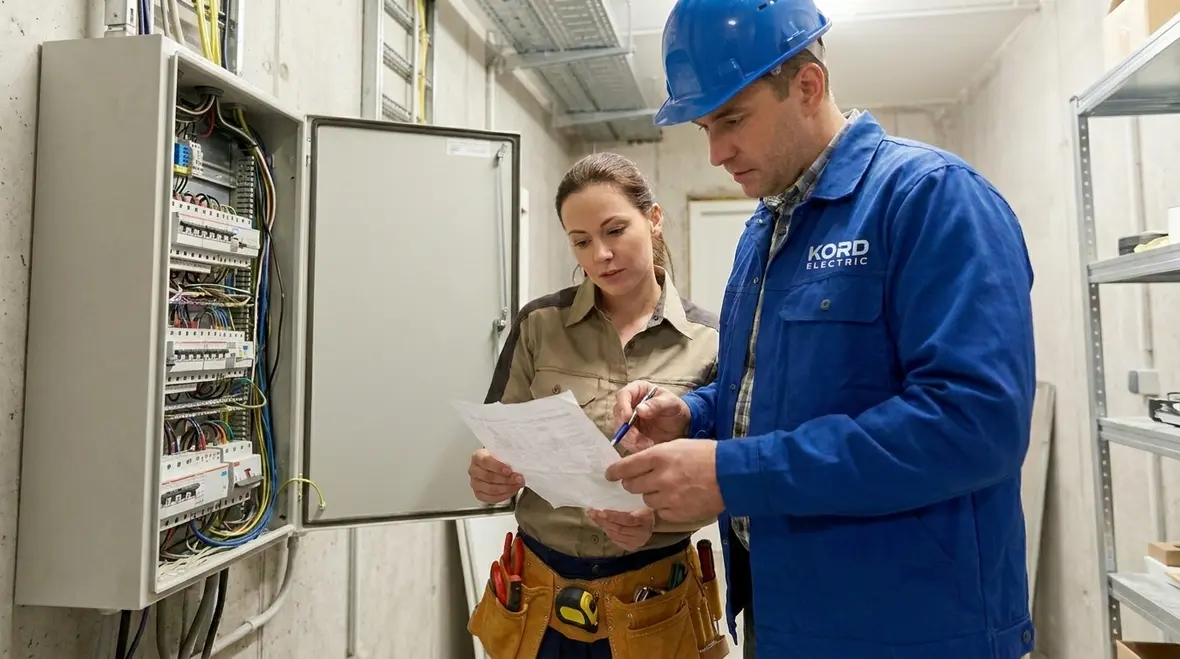
Step by step: our risk assessment process
We keep the process organized and repeatable so your team can trust the results. While every site differs, our method follows a deliberate path that builds from observation to control.
Step 1: Pre review
We collect existing documentation, and we ask targeted questions. Then we confirm system scope and operating schedules. Also, we review any recent modifications, incident history, or recurring nuisance trips.
Step 2: Site walk and system survey
Our technicians walk the facility with a plan. They note equipment condition, identify labeling gaps, and check for unsafe access. At the same time, they observe how the facility actually uses power, not just how it was intended to be used.
Step 3: Hazard identification
Next, we identify where energy could harm people or ignite materials. We consider shock and arc flash exposure, plus indirect hazards such as damaged insulation, improper clearances, and broken barriers.
Step 4: Risk evaluation
Then we evaluate severity and likelihood. We also account for exposure time, number of workers involved, and the practicality of controls. In other words, we do not just say “this looks risky.” We explain what could happen, who could be exposed, and what barriers exist today.
Step 5: Controls and recommendations
We propose corrective actions with priorities. We align fixes to the biggest safety and compliance gaps first. Meanwhile, we provide guidance that helps your teams plan work without shutting down operations longer than necessary.
Step 6: Documentation and follow through
Finally, we deliver a report that supports compliance efforts. We also discuss next steps so the facility can close findings with evidence, not hope.
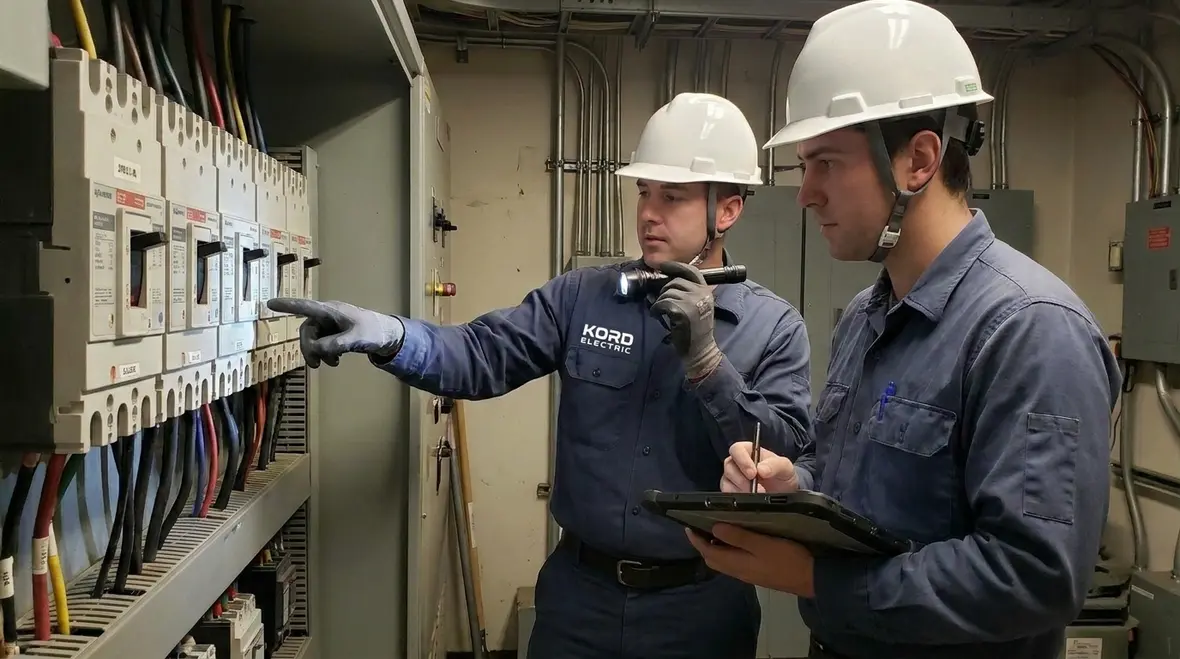
Controls that make hazards safer in real operations
People love theories. Operations love solutions. So our recommendations focus on controls your facility can apply day after day.
When we reduce electrical risk, we typically start with the highest impact measures:
- Improved labeling and access control so workers know what they face before they touch anything
- Lockout and isolation improvements to help teams control energy safely during maintenance
- Physical upgrades such as barriers, guards, updated enclosures, and corrected clearances
- Protection verification to ensure protective devices clear faults reliably
- Arc flash mitigation through engineering changes and safer work boundaries
- Maintenance alignment so inspections, testing, and corrective work happen on schedule
And when changes affect production, we plan around your reality. We coordinate timing, document constraints, and explain tradeoffs in plain terms. Our service staff does not hide behind jargon, because nobody wants an electrical report that reads like a detective novel. They want decisions.
How we communicate findings to your team
Here is where many companies drop the ball. They hand over a report and vanish like a Wi-Fi signal in a basement. Kord Electric does the opposite. We explain the findings clearly, and we walk your teams through what matters most.
Our technicians review key risks with facility leaders and maintenance managers. Then we outline priorities and practical controls. Also, we answer the “how soon” and “who owns the fix” questions, because accountability keeps recommendations from becoming shelfware. When needed, we coordinate follow up steps so your facility can close items and maintain safer electrical operations.
To keep everything grounded, we also connect findings to daily work. For example, if a worker needs safe access to shut off equipment, we highlight access routes, labeling, and isolation readiness. If arc flash risk increases during troubleshooting, we guide changes that support safer energized work practices. In short, we turn the assessment into a roadmap your team can actually follow.
Common gaps we see in major property buildings
Every facility has its own story, but recurring themes show up again and again across commercial and industrial sites. We often find these issues during the facility electrical risk assessment and its related review steps.
- Outdated or missing documentation that does not match field conditions
- Equipment labeling that fails under pressure, such as unclear panel names or vague circuit descriptions
- Weak maintenance routines that skip inspections for critical components
- Improper access where workers cannot isolate or verify safe conditions quickly
- Deteriorated terminations and cable management that increase heat and fault risk
- Temporary modifications that became permanent, like a coffee station that never leaves
Once we identify gaps, we help your team address them in order of impact. Therefore, the fixes support both immediate safety improvements and long term compliance progress.
FAQ about facility electrical risk assessment
Ready for safer electrical operations?
If you operate a commercial or industrial facility, you cannot afford electrical risk that hides in plain sight. Kord Electric helps you complete a thorough facility electrical risk assessment, then translates findings into practical actions your team can execute. We communicate clearly, we prioritize wisely, and we support compliance goals with documentation you can trust. Reach out to Kord Electric today to schedule an assessment and start building a safer electrical program for your facility.
For facilities across Los Angeles County and the surrounding region, our Los Angeles County electrical services support everything from assessments and preventive maintenance to upgrades and repairs, keeping your systems aligned with safety and compliance expectations.
If your site struggles with power quality, aging infrastructure, or unexplained downtime, pairing a facility electrical risk assessment with targeted services such as emergency electrical support, maintenance programs, and system upgrades creates a stronger electrical foundation for the long term.


